

WELCOME TO OUR BLOG
SEARCH FOR AN ARTICLE

Why Quick Fixes Fail: The Psychology of Dieting
If you've ever wondered why you can be a disciplined, structured person in most other areas of your life and still feel completely out of control around food the second you try to lose weight, this episode is going to explain a lot.
Amanda, Christin, and Joyce get into the psychology of dieting and what is actually happening in your brain during a calorie deficit. They cover the key hormones driving hunger, cravings, and motivation, why the longer and harder you diet the worse it tends to get, and why the cycle of starting over keeps reinforcing itself. They also get into the Minnesota Starvation Experiment and why its findings are more relevant to modern diet culture than most people realize.
This is not an episode about willpower. It is an episode about biology, and why understanding it changes everything about how you approach fat loss.

So You Want to Stop Starting Over Every Week, Month, or Year
Starting over is exhausting, and at some point, it starts feeling like nothing works.
Krissy, Sabrina, and Kelsey break it down in three parts: why you keep ending up back at square one, why that cycle is doing more damage than you realize, and how to knock it off. They get into all or nothing thinking, the f*ck-its, motivation that fades the second life gets busy, and why every time you break a promise to yourself it gets a little harder to trust that you will follow through next time.
Real talk from three coaches who have all lived this themselves and now spend their days helping clients get out of it.

Examining Diet Trends: The Science Behind Today's Most Popular Diets
Diet trends are not going anywhere, and neither is our need to talk about them.
Morgan, Krissy, and Jess break down the psychology behind why people keep falling for it, then get into the actual science behind keto, carnivore, paleo, intermittent fasting, and GLP-1 medications. Plus a cheat code for evaluating any diet, including the next trendy one that hasn't been invented yet.
The truth is most of these diets are just recycled versions of the same few ideas… repackaged, renamed, and sold to you with really convincing anecdotal evidence.

Eating Enough: Nutrition to Support Energy, Focus & Recovery
If you’re tired, cranky, sore, not recovering, or wondering why your workouts feel harder than they should… there’s a good chance you’re simply not eating enough. This blog breaks down the most common signs of under-fueling, why it happens more often than people think, and how it impacts everything from your energy and focus to your hormones and performance.
We’re digging into the science of low energy availability, the real-world symptoms we see in clients every day, and the practical steps you can take to finally fuel your body the way it deserves. If you want better training, better recovery, and a better relationship with food, this is your starting place.

Diet Breaks for Mental Health — Are They Helpful?
Sometimes the most productive thing you can do for your goals is take a break. Intentional diet breaks can support both your mental and physical health, helping you reset your mindset, restore energy, and ultimately make more sustainable progress. Learn when to take one, what it can look like in practice, and why stepping back doesn’t mean losing ground—it means building a better foundation.

Understanding Leptin & Ghrelin: Your Hunger Hormones Explained
Your body’s hunger cues aren’t broken. They’re just misunderstood. Here’s what you need to know about leptin, ghrelin, and why no “leptin reset” smoothie is going to solve your appetite.

The Truth About Metabolism: Busting Slow-Metabolism Myths
Your metabolism isn’t broken—it’s adaptable. This guide busts nine slow-metabolism myths and lays out the real levers you can pull: lift, move more, eat enough protein, sleep well, and manage stress. Save it for those “my metabolism hates me” days.

So You Want to Transition from a Deficit to Maintenance
Transitioning out of a deficit can feel scarier than starting one. In this post, Ryann, Jess, and Sabrina unpack how to reverse diet with confidence, what to expect when adding calories back, and why maintenance—not dieting—is the real long-term goal.

Food Noise: What It Is and How to Quiet It
Food noise is that constant chatter about food that leaves you guilty, stressed, or stuck in diet rules. In this Black Iron Blog, coaches Maggie, Jess, and Brooke unpack what food noise is, why it happens, and the strategies you can use to finally quiet it.

So You Want To Try Working With A Nutrition Coach
Working with a nutrition coach is about way more than macros—it’s about accountability, education, and building habits that actually last. Christin, Sabrina, and Ryann break down what coaching looks like at Black Iron, who benefits from it, and how to set yourself up for success.

Calories In vs Calories Out: What is More Important for Preventing Weight Gain?
The phrase “calories in vs. calories out” gets thrown around a lot in conversations about weight gain, but which side of the equation matters more? This post explores what the latest research really says about diet, activity, and their roles in long-term weight management.

High-Volume Eating: How to Eat More While Staying on Track
Feeling hungry while dieting or struggling to eat enough to fuel training? High-volume eating can help. Learn how to stretch your meals when you’re cutting—or sneak in more calories when your training demands it—without sacrificing satisfaction.

Reverse Dieting: The Missing Piece for Long-Term Success
In this blog post, we’re breaking down the latest episode of Black Iron Radio all about reverse dieting—what it is, why it matters, and how to do it without losing your mind. Whether you’re coming off a cut, stuck in a cycle of under-eating, or just trying to build a more sustainable approach to nutrition, this episode dives into the science and strategy behind reverse dieting and why it could be the missing piece in your long-term success.

Let's Talk About GLP-1's
In this blog post, we’re breaking down the key takeaways from our latest Black Iron Radio episode on GLP-1 medications like Ozempic, Wegovy, and Mounjaro. These medications are everywhere right now—on the news, in gym conversations, and even debated in doctor’s offices. But with all the buzz comes a lot of misinformation. Are they just an easy way out? Do they destroy muscle? Are they a lifelong commitment? Our experts, Chris (PhD(c)), Sam (RD), and Lauren (LDN, CNS), cut through the noise, busting common myths and providing science-backed insights. Keep reading for the facts—and be sure to check out the full episode for even more!

The Best Way to Measure Body Fat
Manipulation of body composition is a common goal in a variety of pursuits, but how do we accurately and objectively measure and track changes over time? Body composition devices and techniques offer a solution here. However, people often place undue confidence in both the accuracy and precision of body composition values that they get from techniques that are regarded as high-quality.
Freeing Yourself From Food Guilt
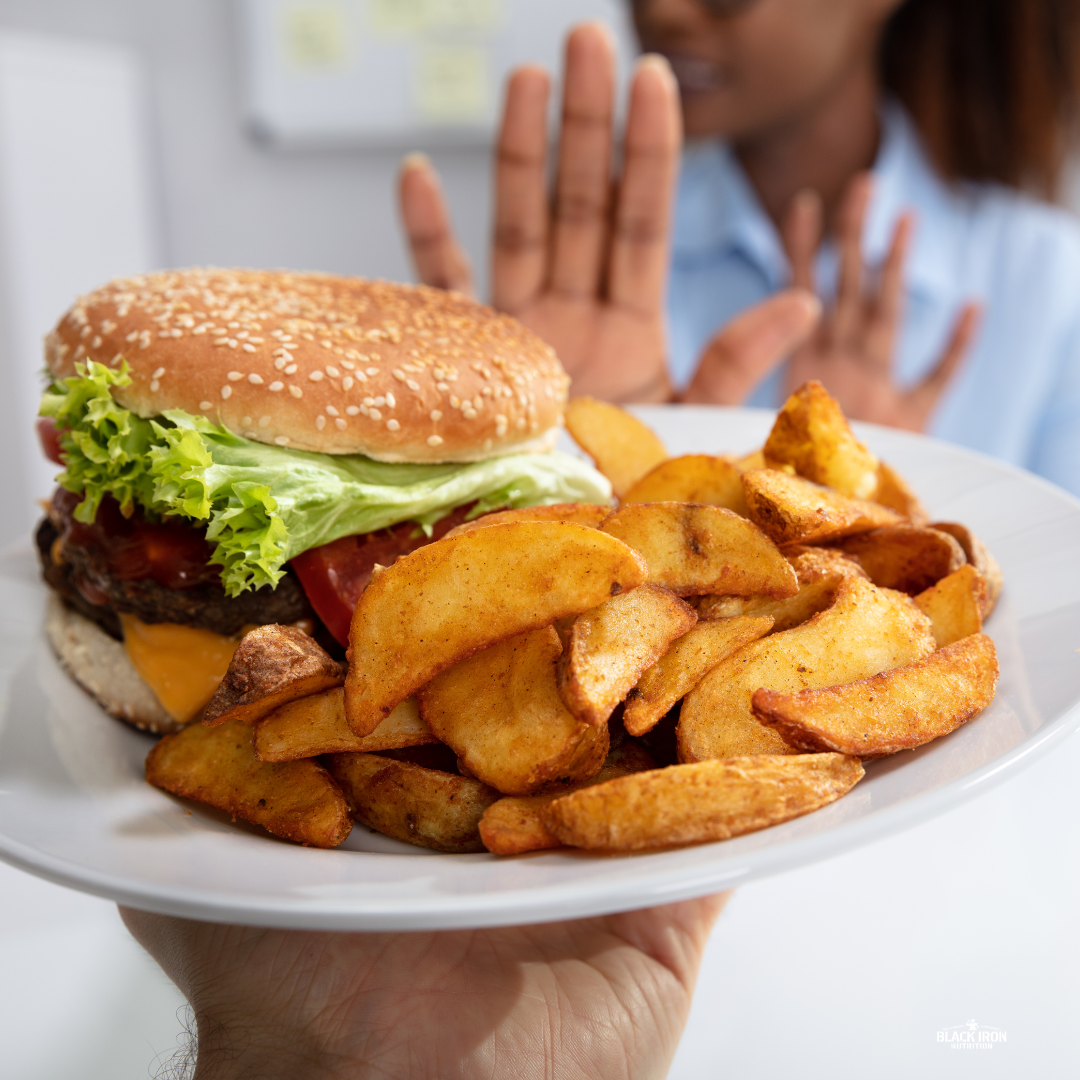
In my work, both at the hospital and with my clients here at BIN, it really strikes me how much emotion and guilt surround the foods we eat, making us “good” or “bad” people in any given moment. We've been conditioned into a world that treats food as an "indulgence" to be restrained, instead of something we literally need to survive, live our best life, and yes, achieve the goals we want to achieve, whatever they may be. So, how do you break that cycle of guilt when everyone around you, in the media, on the internet, and maybe even in your own circle, is pushing that on you?

Sodium 101
Why do we care? How our intake can add up. Where should my levels be? What about supplementation? Can I still salt my food? What should I change?

Calories in vs Calories Out, It’s That Simple (or is it?)
If you have ever struggled to lose or gain weight, I guarantee you have at some point heard the advice:
“You just need to eat more/less than you burn”
The person that typically says this kind of thing most likely also holds the belief that being overweight or having obesity is a result of pure laziness or a lack of morals. At the surface level, this advice is correct. However, it is correct in the same way that going to a football game and telling the head coach of your team “Hey pal, you just gotta score more points than the other team and you’ll win” is correct. Correct, but very unhelpful and lacks any understanding on what contributes to the scoring of points.
2023 Crossfit Game Open Nutrition Strategy
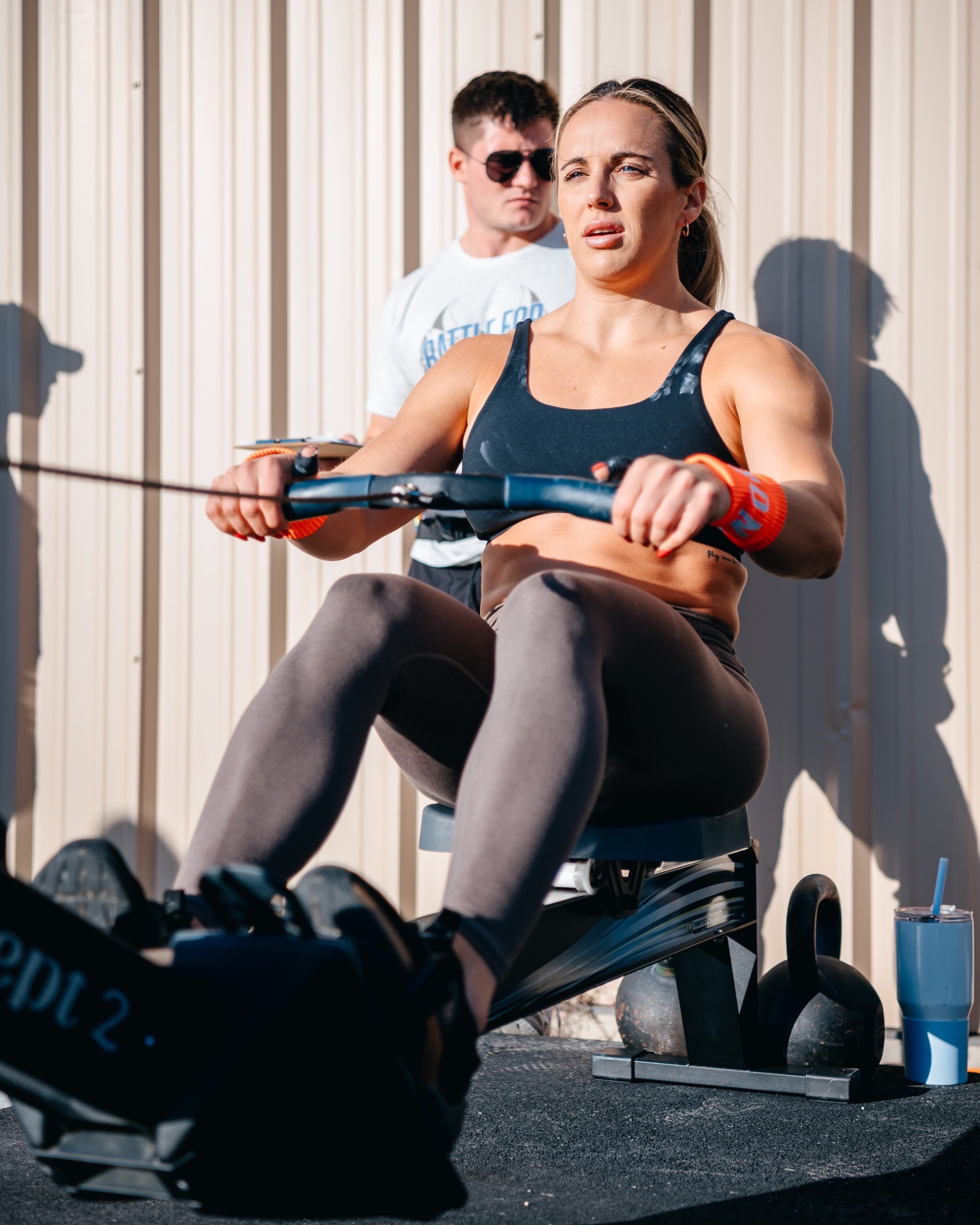
It’s the ~Most Wonderful Time of the Year~!!! The OPEN! The Open is a celebration. It’s a time for every crossfitter to test themselves, to immerse more deeply in their community, to compete, have fun and learn some stuff. Whether you’re trying to get to the next stage, or trying to get your first muscle up or string those dubs together, we are here to help you make sure you don’t have to stress about the food side of things.
Achieving optimal health with a holistic approach
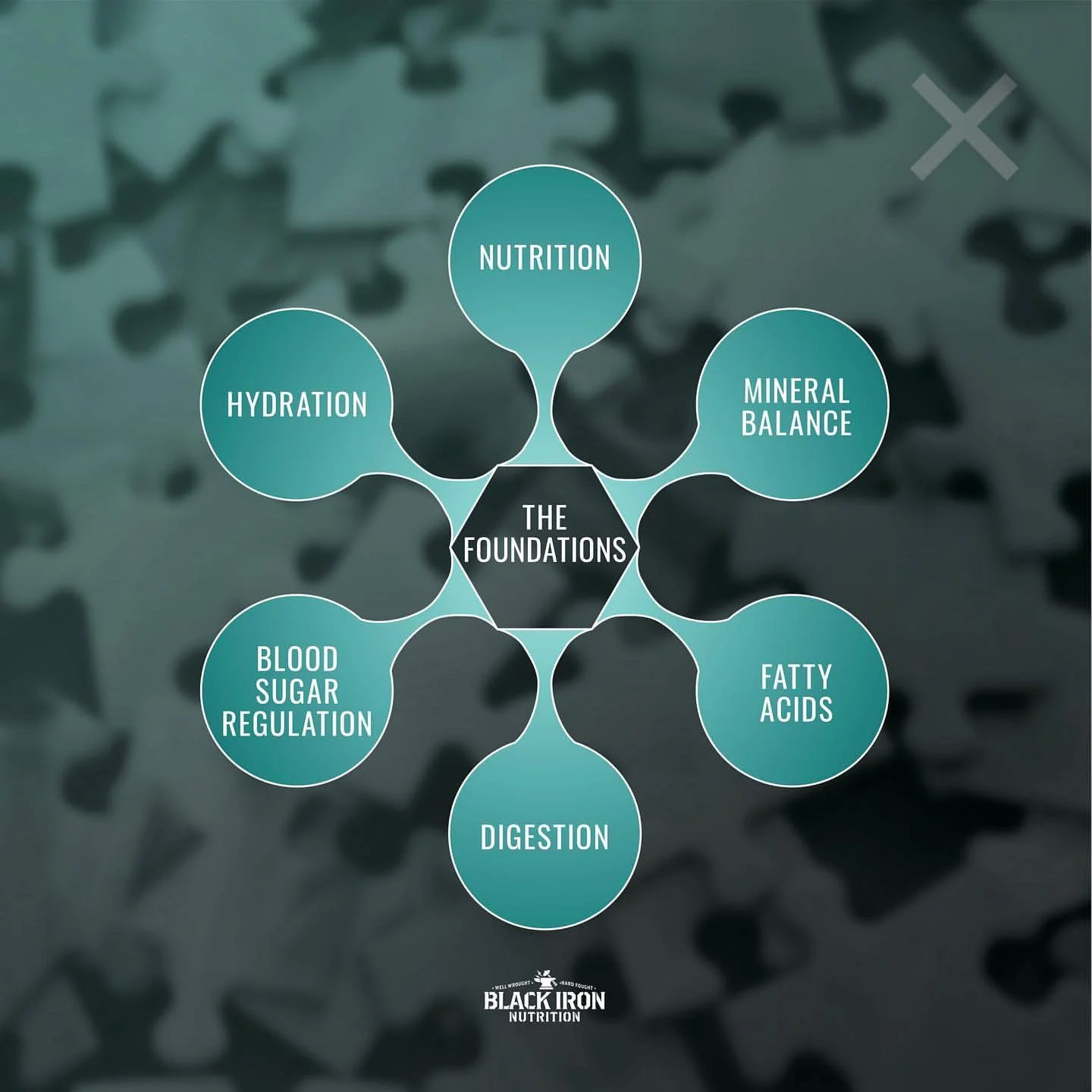
How can we achieve optimal health through a holistic approach? Let's dive a little bit deeper into these 6 foundations to learn.