
WELCOME TO OUR BLOG
SEARCH FOR AN ARTICLE
Setting Goals for Longevity, Not Just Today
The habits you build for this year's goals are shaping what your body can do at 60, 70, and 80.
Ryann, Joyce, and Rachel get into how to set goals that hold up over decades, not just the next few months. They cover why muscle loss can start in your 30s, what menopause means for muscle and bone, why power matters for the things you'll want to keep doing, and how to build a strength routine you enjoy so you'll keep doing it long-term.
Plus mobility, sleep, stress, how social connection fits into longevity, and why keeping your six-month goal is fine as long as you build it with deep health in mind.
Optimization Culture: Why Aiming for Perfect Is Getting in the Way of Your Progress
We're living in a culture obsessed with optimization. The perfect diet, the ideal workout split, the most productive morning routine, the exact right supplement stack, tracking every metric a wearable can give you. The irony is that chasing optimal everything can make it harder to do the basic stuff that actually moves the needle.
Amanda and Brooke get into why your best plan isn't the one that's perfect on paper, it's the one you can repeat in your real life. They talk about the difference between optimal and good enough, why good enough is good enough for most people, the tiers of what actually matters versus what to worry about later, and why the search for the perfect routine is often just procrastination in disguise. Brooke lays out the questions to run anything through before you add it to your plate, and Amanda makes the case for "bore-maxxing"... doing the boring basics on repeat instead of collecting hacks.
Because if your "optimized" life leaves you anxious, exhausted, and scared that you're doing it all wrong, it's not actually optimized!

Weekend Nutrition Strategies That Actually Work
You're dialed in Monday through Thursday, then Friday hits and it all comes undone.
Ryann, Brooke, and Jess Gordon get into why the weekend trips up almost everyone, and it's usually not willpower. Your weekdays have a built-in rhythm and your weekends don't, so with no plan, one meal out turns into three days of writing it off and a Sunday night promise to start again Monday. They talk about why saving all your calories for dinner backfires, why restricting the foods you love all week just gives them way too much power, and why weekend meal prep should look different than your weekday prep.
Plus the second grocery trip that changes everything, how to handle a full day of kids' sports and birthday parties without stressing about it, why an untracked meal is fine when the rest of your day is solid, and full permission to eat the cake.
Kathy's Story: 400 Pounds to a Decade of Showing Up
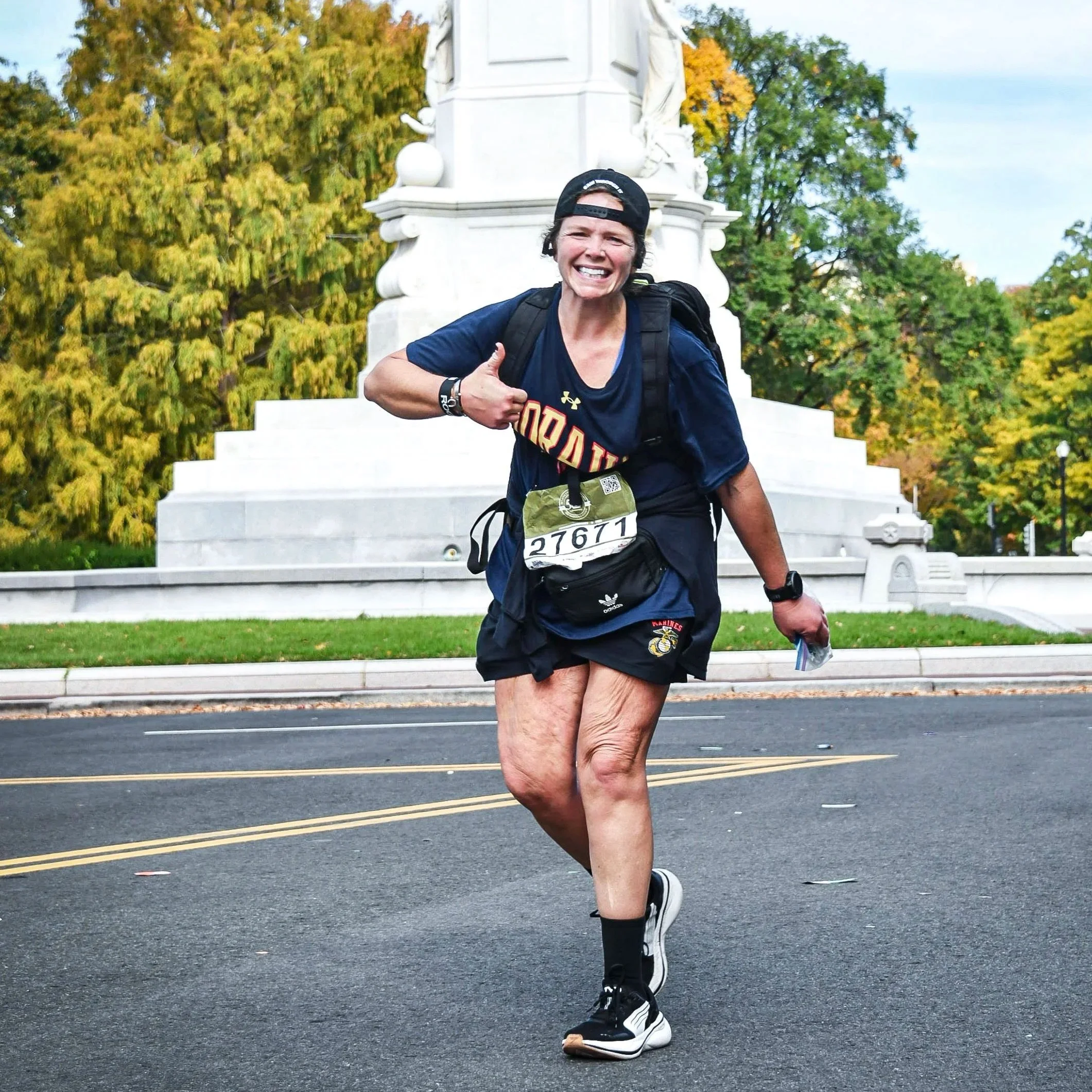
Kathy was close to 400 pounds at 19, but her weight is genuinely the least interesting thing about her, and that's kind of the whole point of this episode.
Morgan and Brooke sit down with Kathy Novak, Brooke's client of many years and a friend for over a decade. Kathy was close to 400 pounds at 19, and what started as a weight loss journey turned into something bigger: years of setbacks, injuries, plateaus, and slow stretches, and a body she learned to value for what it could do instead of how it looked. She gets into the early rush of watching the scale drop, the long stretches where the number stopped mattering, and the line she keeps coming back to through all of it: thankful for the opportunity to keep showing up.
This isn't really a weight loss story. It's a story about what keeps you going once the novelty wears off and life gets in the way.
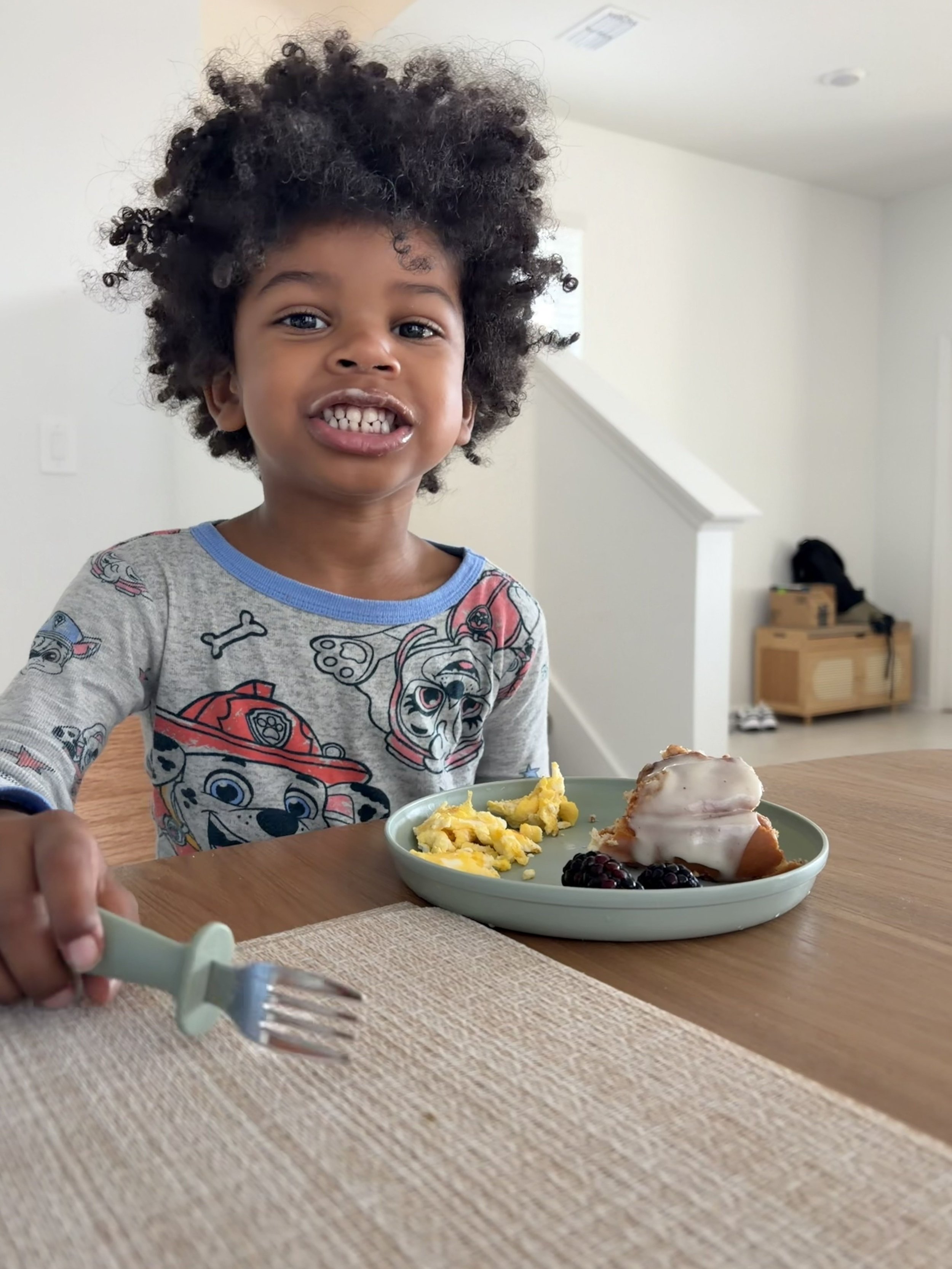
So You Want To Involve Your Kids in Health Habits
The goal isn't just to raise healthy kids, but to raise adults who can walk into a room full of food choices and trust themselves.
Morgan, Joyce, and Jess Saxon get into how the way you talk about food and movement in front of your kids shapes their relationship with both for the rest of their lives. They talk about the food rules they grew up with, why restriction almost always backfires, how to give kids buy-in instead of just telling them to eat their broccoli, and why working with your kid's temperament beats forcing them into a box.
Plus a real conversation about parent guilt, unlearning the stuff you thought was required, handling the unsolicited advice from grandparents and grocery store strangers, and why nobody knows your kid the way you do.
So You Want To Get More Steps in Your Workday
Getting more steps in during your workday sounds easy in theory. In real life, not so much. Not when you work at a desk, your brain is cooked, your schedule is crazy, and going for a little walk somehow starts to feel like a whole thing.
Krissy, Sabrina, and Chloe talk about why walking is still one of the most underrated tools for health, recovery, blood sugar, mood, and overall sanity. They break down where "10k a Day" came from, why more is not always better, and how to build a more realistic step goal without making your life revolve around your watch.
They also get into exercise snacks, walking breaks, walking pads, workday routines, and simple ways to move more even when you're busy, sedentary, or just deeply committed to your excuses. Equal parts helpful and unhinged, this one is basically a pep talk for anyone who knows they'd feel better with more movement but needs a more realistic way to make it happen.
So you want to build habits that actually last
Habits are not built through more pressure, more guilt, or a bigger all-or-nothing plan. They stick when they actually fit into your life. In this post we dig into why so many habits fall apart after a week or two, and what it really takes to make change sustainable. We cover the difference between intensity and consistency, how identity and self-talk shape behavior, why environment matters more than people think, and how to stop treating every missed day like a full derailment. There's also a lot here on starting smaller, tracking progress in a simple way, and building habits that feel doable enough to repeat. This one is a good reminder that long-term progress usually comes from boring little reps done over and over again, not one big burst of motivation.
Getting 7-9 Hours a Night is the Guideline, But Not Everyone's Reality
For some people, six hours of sleep is a huge win despite the 7-9 hour guideline. In this post we dig into why sleep duration guidelines exist, what chronic low sleep is linked to (from mood and performance to long-term cognitive health), and why "I've always slept bad" isn't the same as "this isn't affecting me." Then we get practical: how to work with six hours instead of obsessing over eight, why quality often matters more than quantity, and how nutrition, training, and stress quietly impact sleep. We also cover when it's time to go beyond habit tweaks and involve a sleep study or medical support. No shame, no sleep virtue signaling. Just a nuanced conversation about protecting your health when perfect sleep isn't on the table.
So You Want To Stop Comparing Yourself to Others
Comparison is everywhere, and it's one of the fastest ways to lose trust in yourself. We break down why comparison shows up so easily, how social media distorts expectations around training, nutrition, bodies, and progress, and why copying someone else's plan almost always backfires. They dig into how comparison leads to program hopping, inconsistency, burnout, and feeling like nothing you're doing is ever good enough. The focus shifts to what actually works: defining success on your own terms, choosing habits that fit your real life, and sticking with them long enough to build confidence, momentum, and results.

Becoming a Centenarian: Nutrition, Movement, & Habits for Aging Into Triple Digits
The wellness industry wants you to believe there's a secret to living longer - some supplement stack, biohacking protocol, or superfood that'll unlock longevity. But the data tells a different story. Muscle strength in midlife predicts whether you'll reach old age. Loneliness carries the same mortality risk as smoking. Your ability to get up off the floor without using your hands might be more telling than any biomarker. We cut through the noise to focus on what actually matters: the unglamorous basics that keep you strong, independent, and mentally sharp as you age. No magic pills, no extreme protocols - just the habits that give you better odds of aging well.

So You Want To Feel Your Best in 2026
It's the end of the year, and if you're like most people, your routines are a mess, your energy is all over the place, and you're already thinking about January 1st and everything you're going to accomplish. But here's the truth: feeling your best in 2026 isn't about a dramatic New Year's resolution or restrictive program that starts on January 1st. We're breaking down what "feeling your best" actually looks like (physically, mentally, and socially), why most people struggle at year's end, and the non-negotiables that make everything else easier. From managing stress before it manages you to understanding the difference between intentional rest and being stuck in a rut, we're covering the foundational habits that create lasting change. Plus, we're giving you concrete signs you're on track, actionable morning habits to start today, and what you need to STOP doing in 2026. Because small wins repeated often will beat dramatic overnight changes every single time.

Using Fiber to Support Digestion, Energy, & Health During the Holidays
The holidays are busy, indulgent, and full of foods that can leave you feeling bloated, tired, and off your game. While most people focus on protein or calories this time of year, fiber might be the missing piece that actually keeps you energized, satisfied, and feeling good. From blood sugar stabilization to better digestion and mood support, prioritizing fiber during the chaos can help you navigate the season without relying on willpower or falling into the "I'll start fresh in January" trap. Here's why fiber matters now more than ever—and how to actually get more of it when your routine is anything but normal.
The Truth About Metabolism: Busting Slow-Metabolism Myths
Your metabolism isn’t broken—it’s adaptable. This guide busts nine slow-metabolism myths and lays out the real levers you can pull: lift, move more, eat enough protein, sleep well, and manage stress. Save it for those “my metabolism hates me” days.

How to Use Habit Stacking to Build Consistency That Lasts
Trying to build better habits but struggling to stay consistent? Habit stacking is one of the simplest and most effective ways to create new routines—by anchoring them to habits you already have. This post shows you exactly how to do it (with examples!) so you can build momentum without relying on motivation.

Redefining Progress: What the Scale Can’t Tell You
The scale is just one data point—and honestly, not always the most helpful one. Some of the most important progress you’ll make on your journey has nothing to do with weight. In this post, we’re breaking down what non-scale wins actually look like, why they matter, and how to start noticing yours.

7 Tips for Starting Your Nutrition Journey
Starting your nutrition journey can feel overwhelming, but it doesn’t have to be. From setting realistic goals to building foundational habits, these seven tips will help you take the first step toward creating a sustainable, healthier lifestyle—no quick fixes required.

Sustainable Holiday Habits to Bring into the New Year
Stay on track this holiday season with our top tips for enjoying festive meals, keeping up with movement, and embracing balance. From mindful eating to setting small daily goals, these strategies will help you celebrate while supporting your wellness journey!

Emotional Eating: Practical Tips to Retrain Your Brain
Struggling with emotional eating? You’re not alone. Learn how emotional eating works, why we turn to food for comfort, and practical steps you can take to break the cycle and build healthier coping habits. Discover how to create a balanced relationship with food while still enjoying what you love.

Are you eating enough?
Many people are quick to blame nagging health issues on their food habits and often rightfully so. But they’re more likely to pin it on over-eating when often the root of the issue is actually the opposite. Under-eating is VERY common. We’ve conditioned ourselves to believe that eating less = better life. The truth is that’s not always true. I know, I KNOW, this is the opposite of what you’ve believed your whole life! Eating too little is just as unhealthy as eating too much.

How to stay consistent when things get boring
Look, I know I JUST said I want you to be bored. But I also want you to have fun!
For some people, it’s hard to find joy in the grind of the process even if they know deep down it’s worth it. If you can trick yourself into enjoying the tedious need-to-dos, the odds of sticking with lifestyle changes, reaching your goals, & maintaining progress long term are much greater.
How can you reframe or remix the boring stuff to feel fresh & fun?