
WELCOME TO OUR BLOG
SEARCH FOR AN ARTICLE
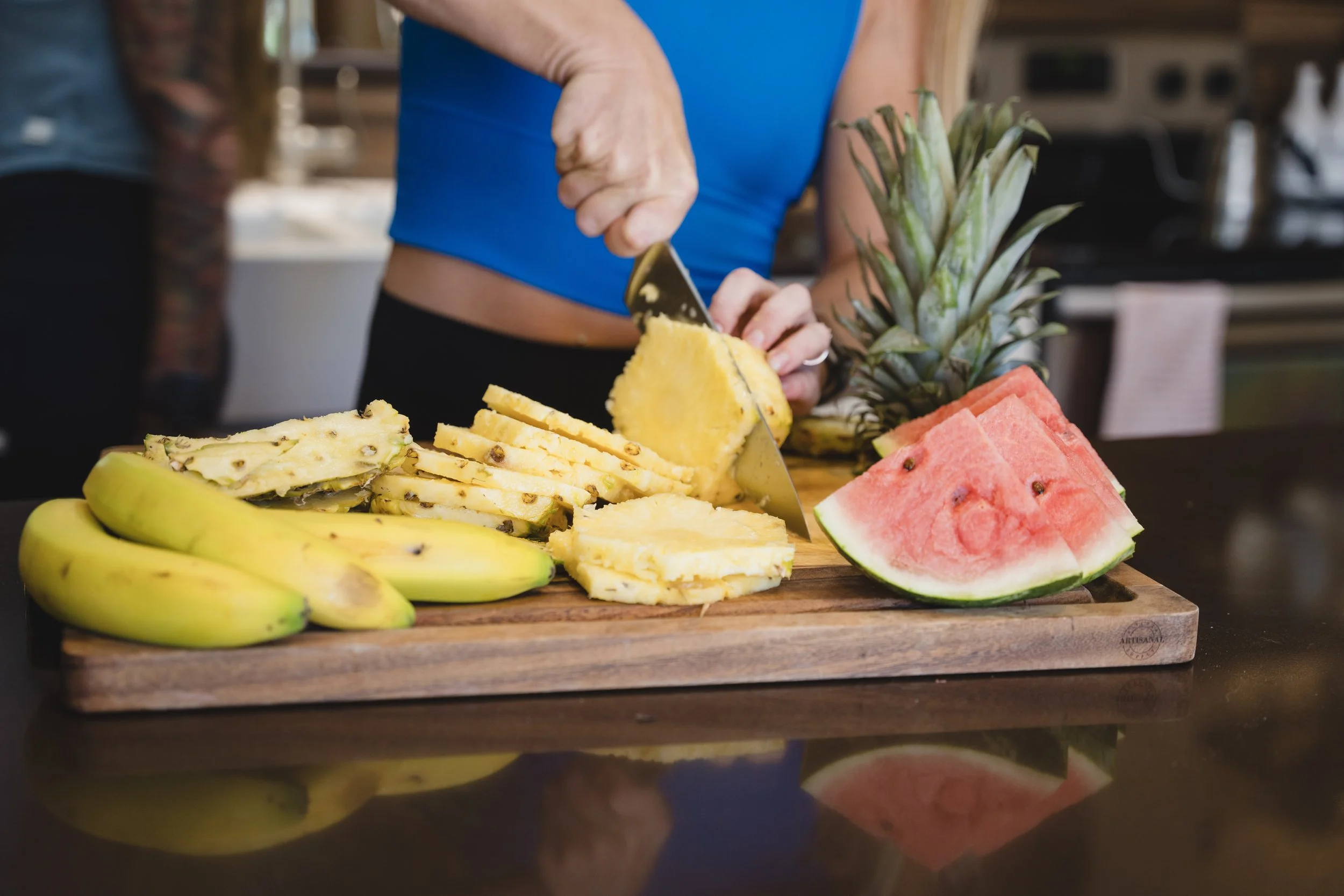
How to Fuel Your Workouts: Pre-, Intra-, and Post-Workout Nutrition for Both Strength and Endurance Athletes
A 60-minute lifting session and a four-hour bike ride put very different demands on your body, so why would you fuel them the same way? We break down pre-, intra-, and post-workout nutrition for strength and endurance athletes, including carb-to-protein ratios, how many grams of carbs per hour you actually need, hydration and sodium, and why the “post-workout window” is really more of a big, open garage door.
Travel Workouts That Actually Deliver
You won't lose all your fitness and strength in a week. A few extra drinks and a lot of good meals won't undo your progress either. Enjoy the trip.
Morgan and Jess Gordon get into what coaches tell clients about training while traveling. Most of the time it's "skip it and don't feel bad about it". And when you do want to move, keep it short. They cover the questions to ask before you pack, how to tell if you're moving because it feels good or because you feel guilty, and why your coach doesn't care what the scale says when you get home.
For the trips where you do want (or even "need") to workout/train, they cover how to scope out a gym before you go, why first thing in the morning wins, and a 30-minute full-body session you can do with whatever you've got.
Setting Goals for Longevity, Not Just Today
The habits you build for this year's goals are shaping what your body can do at 60, 70, and 80.
Ryann, Joyce, and Rachel get into how to set goals that hold up over decades, not just the next few months. They cover why muscle loss can start in your 30s, what menopause means for muscle and bone, why power matters for the things you'll want to keep doing, and how to build a strength routine you enjoy so you'll keep doing it long-term.
Plus mobility, sleep, stress, how social connection fits into longevity, and why keeping your six-month goal is fine as long as you build it with deep health in mind.
Learning To See Progress Beyond Just Looks
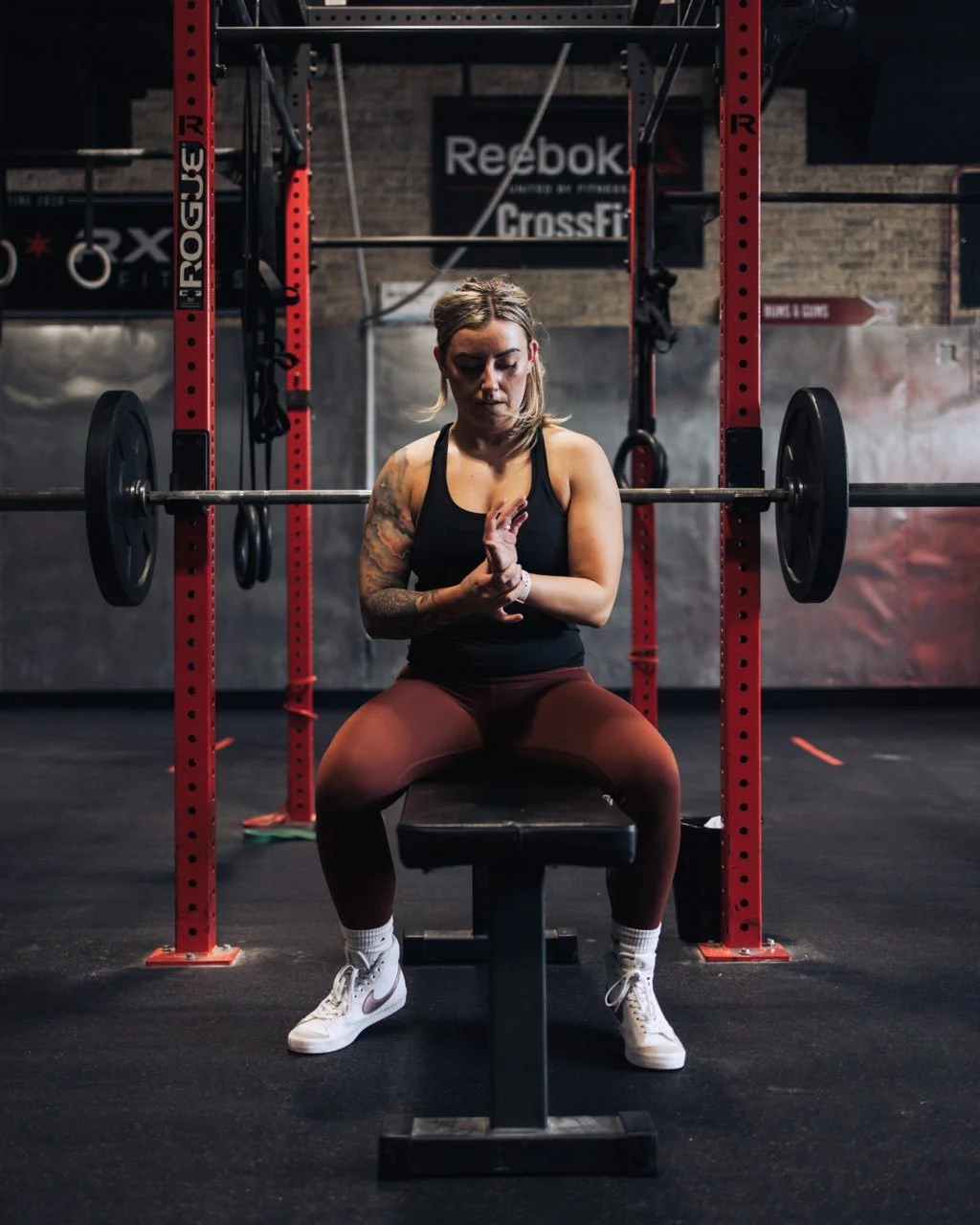
Somewhere along the way, most of us learned to measure our progress by what we see in the mirror. But the mirror leaves out almost everything cool and interesting.
Ryann, Jess Gordon, and Nic get into why looks are so easy to nitpick, where all that pressure comes from, and how to start measuring progress by something other than your reflection. They talk about the moving goalposts of the "ideal" body, how following the wrong social media accounts can rewire how you see yourself, why the people closest to you don't keep you around for your abs, and the affirmations that actually work (hint: it's not the ones you don't believe).
Nic makes the case for neutral-at-worst self-talk, Jess breaks down building your Rolodex of things you like about yourself, and Ryann gets into performance and hobby goals that pull the focus off aesthetics entirely.
Because how you look really is the least interesting thing about you.
Optimization Culture: Why Aiming for Perfect Is Getting in the Way of Your Progress
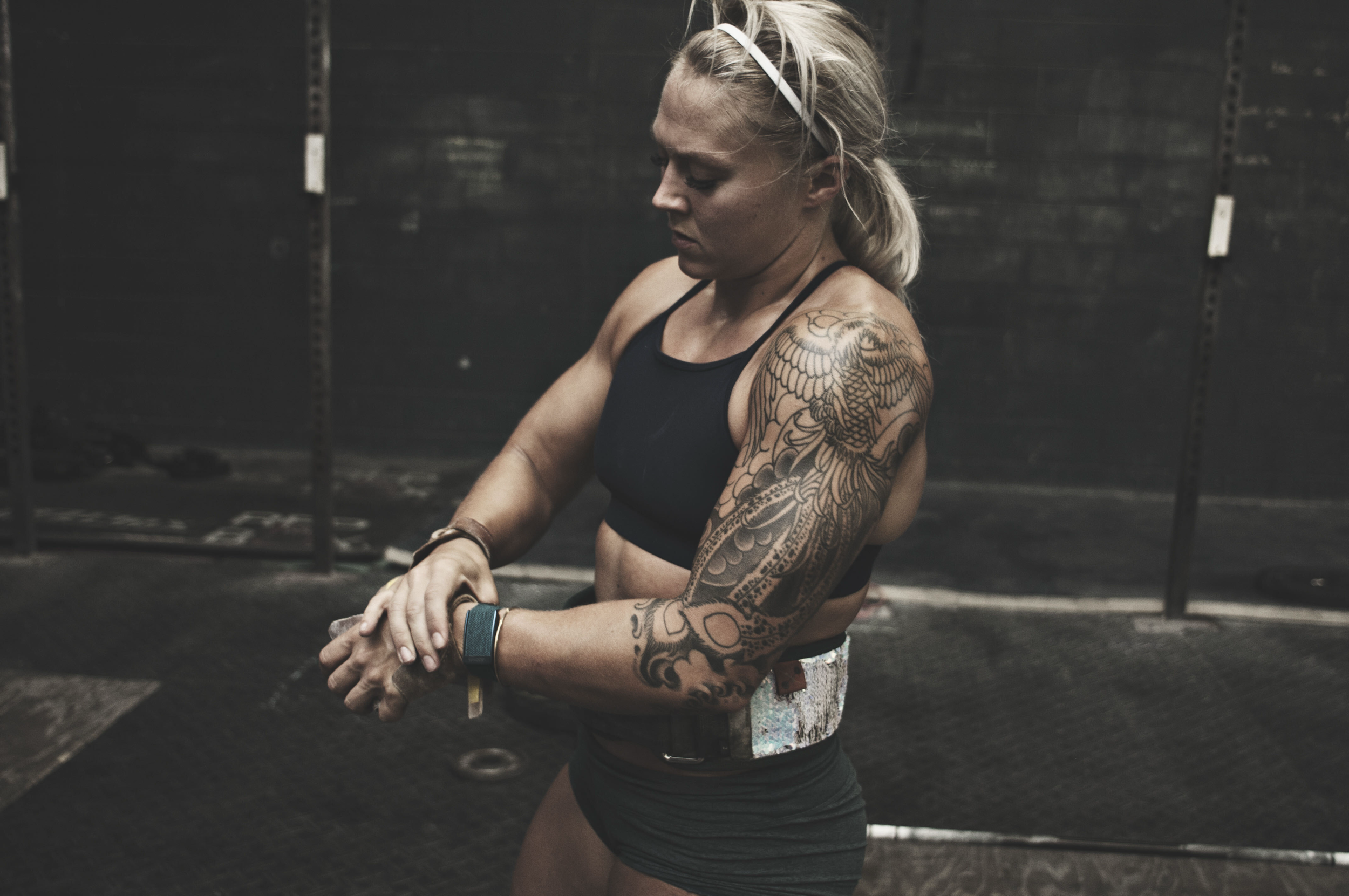
We're living in a culture obsessed with optimization. The perfect diet, the ideal workout split, the most productive morning routine, the exact right supplement stack, tracking every metric a wearable can give you. The irony is that chasing optimal everything can make it harder to do the basic stuff that actually moves the needle.
Amanda and Brooke get into why your best plan isn't the one that's perfect on paper, it's the one you can repeat in your real life. They talk about the difference between optimal and good enough, why good enough is good enough for most people, the tiers of what actually matters versus what to worry about later, and why the search for the perfect routine is often just procrastination in disguise. Brooke lays out the questions to run anything through before you add it to your plate, and Amanda makes the case for "bore-maxxing"... doing the boring basics on repeat instead of collecting hacks.
Because if your "optimized" life leaves you anxious, exhausted, and scared that you're doing it all wrong, it's not actually optimized!
So You Want To work on skills You Suck At
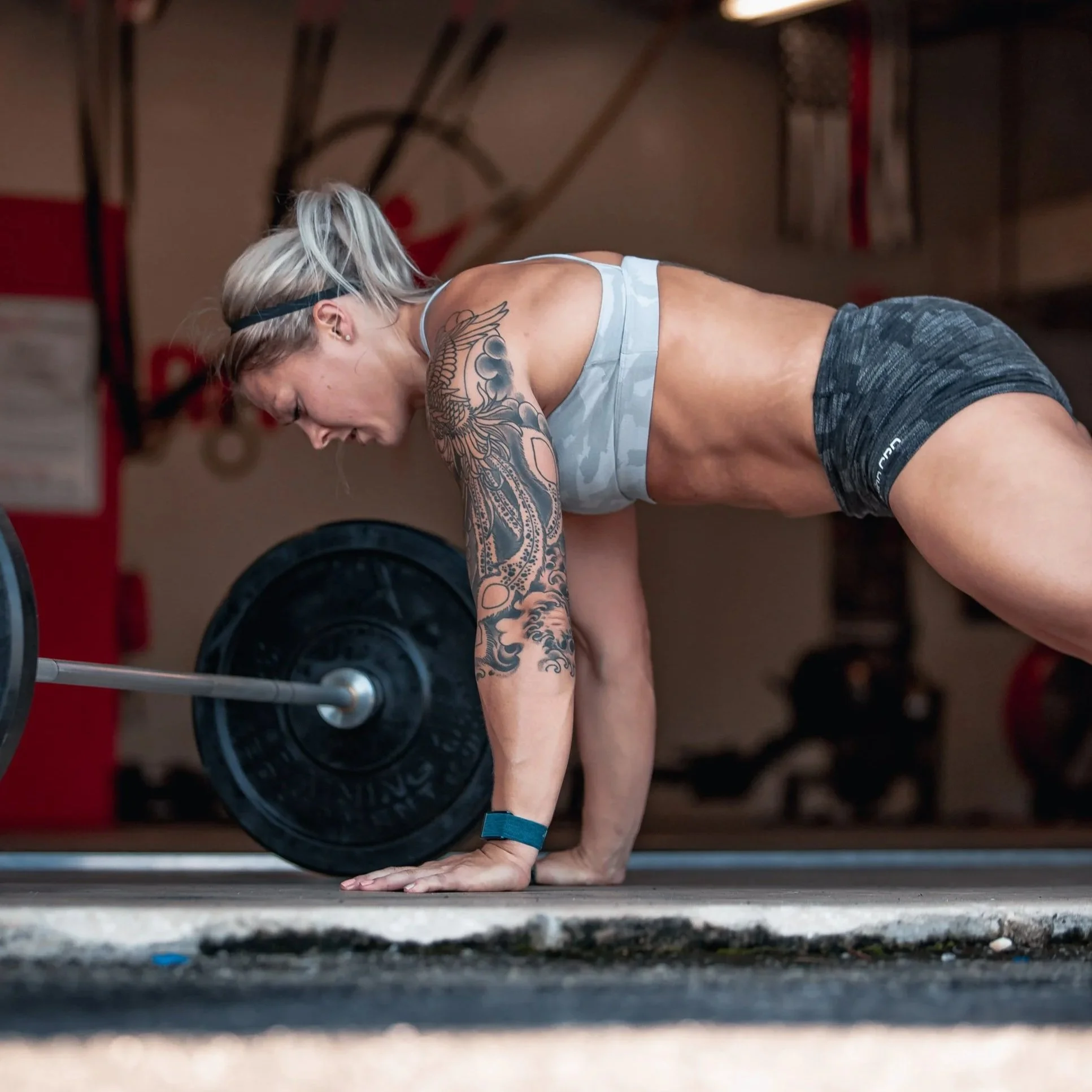
There's a certain grace we give kids while they're learning that we completely stop giving ourselves as adults.
Morgan, Brooke, and Jess Gordon get into why being bad at something is worth leaning into, not avoiding. As adults we tend to stay parked in the areas where we're already competent, so choosing to be a beginner at something you might fail at over and over is its own kind of brave. They talk about the ego hit of sucking at something in a season of life where you feel like you shouldn't be a beginner at anything, why "I suck at this" is usually just "I haven't learned this yet," and the programming side of actually getting better instead of spinning your wheels.
Plus why you never know how many hours went into the thing that looks effortless on someone else, how to talk to yourself when you're failing a skill on repeat, and the difference between the people who fail with grace and the people who quit.
So You Want To Build Endurance Without Losing Strength
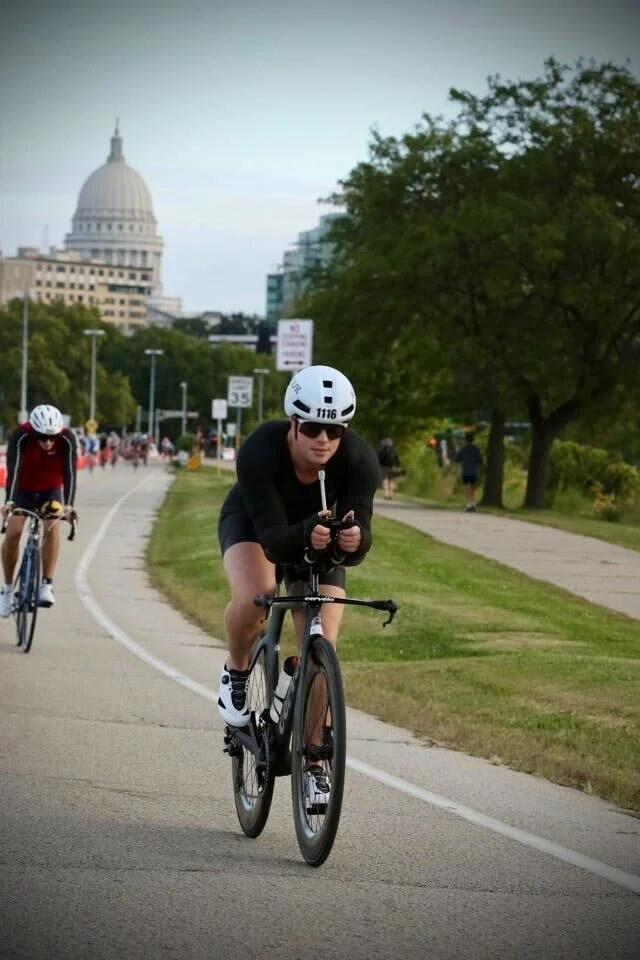
Adding endurance doesn't automatically cost you your your strength. Bad programming, underfueling, and no recovery cost you your your strength.
Amanda and Jess G. get into how to build endurance while holding onto the strength you spent years earning. The good news up front: maintaining strength takes far less work than building it did. The catch is you can't max out everything at once, and pretending you can is how people end up run down and stalled in both. They talk about why the interference effect gets overblown, the difference between actually losing strength and just being too fatigued to show it, and how to lift enough to keep what you've got without living in the gym.
Plus the three-to-five rule for maintenance lifting, why your hardest sessions deserve the freshest version of you, and how to stack a training week so you're not turning every day into medium-hard sludge.
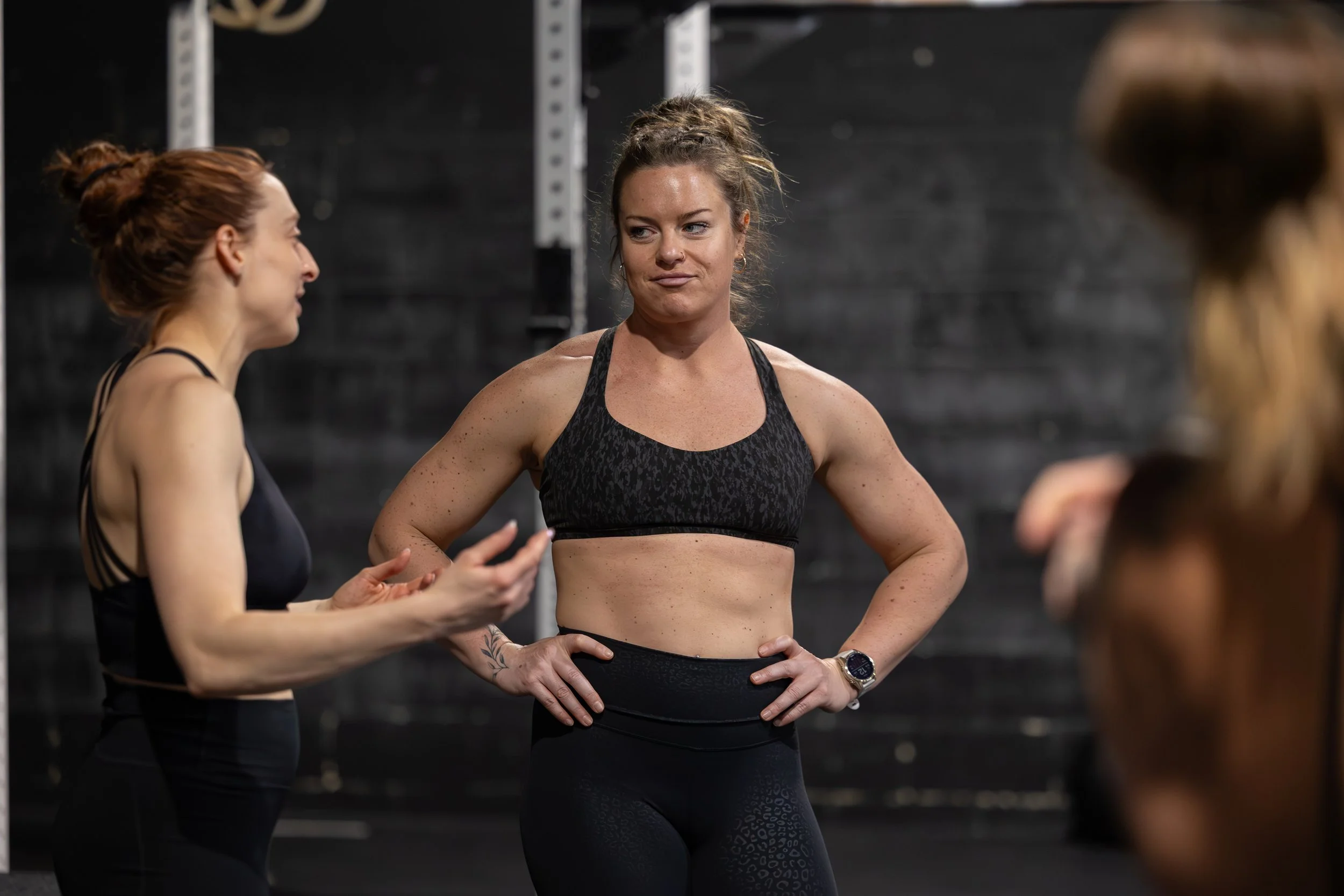
So You Want to Stop Procrastinating Your Workouts
Wanting to be fit and talking yourself out of a workout can very easily coexist since the hardest part of a workout is usually the part where you decide to do it.
Amanda and Christin get into why procrastinating a workout is almost never a discipline issues. It's usually a friction, expectations, or decision-making issue. They talk about why the couch always wins in the moment, why "if I can't do the whole session I might as well skip it" keeps you stuck, and why the goal isn't to make yourself want to work out. It's to stop making the workout depend on wanting to.
Plus how to stop renegotiating a decision you already made, why "I'll work out sometime Tuesday" is a setup, and how becoming the kind of person who trains beats waiting to feel motivated.
How Lifting Builds Confidence Outside the Gym
The confidence you build under a barbell doesn't stay under the barbell.
Morgan, Christin, and Manders have a front row seat to it: watching timid, unsure people walk into a gym and slowly turn into someone who volunteers for the hard thing, cheers on strangers, and signs up for the boxing class they'd have driven away from a year ago. They get into the difference between confidence based on how you look and confidence based on what you can do, why the second kind lasts, and why failing a lift is doing more for you than nailing it.
Plus the member who rebuilt her social life after a divorce in the gym, why the two types of confidence matter more than you'd think, and the specific stories that show how it all transfers well beyond training.
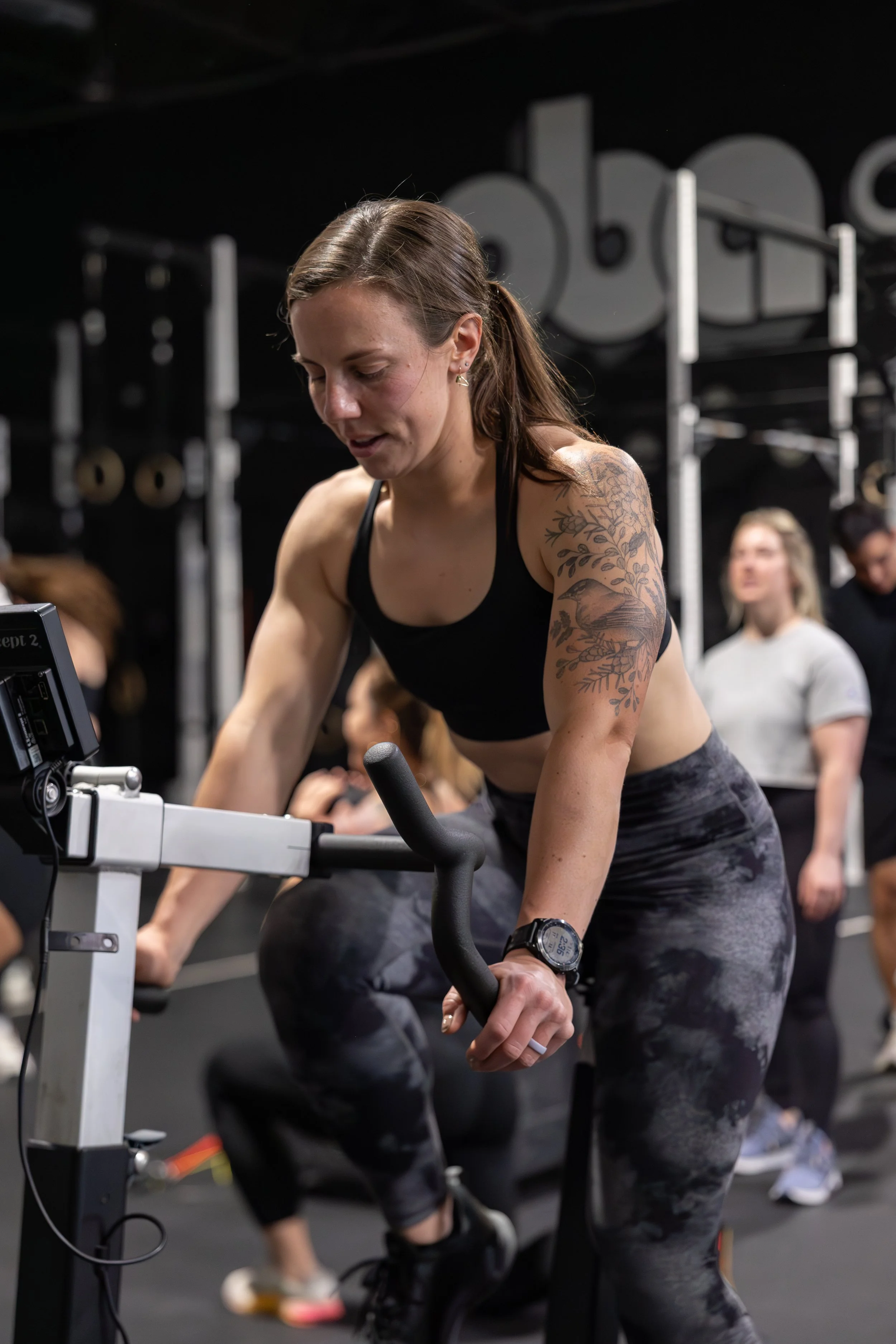
Trusting Your Taper: Why Feeling Worse Means You're Getting Better
You spent months believing more work equals better performance. Then someone tells you to train less right before the biggest day of your season. Your brain hates it. Your body needs it.
Amanda, Dr. Chris, and Chelsea get into why the taper is the most misunderstood part of a training block. The fitness is already built. The taper just clears out the fatigue that's been hiding it. They break down what a taper actually looks like for strength versus endurance, why your legs feel like garbage right when they're supposed to feel great, and why the panic workout you want to add is the exact thing that can sabotage months of work.
Plus what's really happening physiologically during a taper, why the research on it is shockingly thin for how universal it is, the taper tantrum nobody warns you about, and why feeling worse is often a sign it's working.
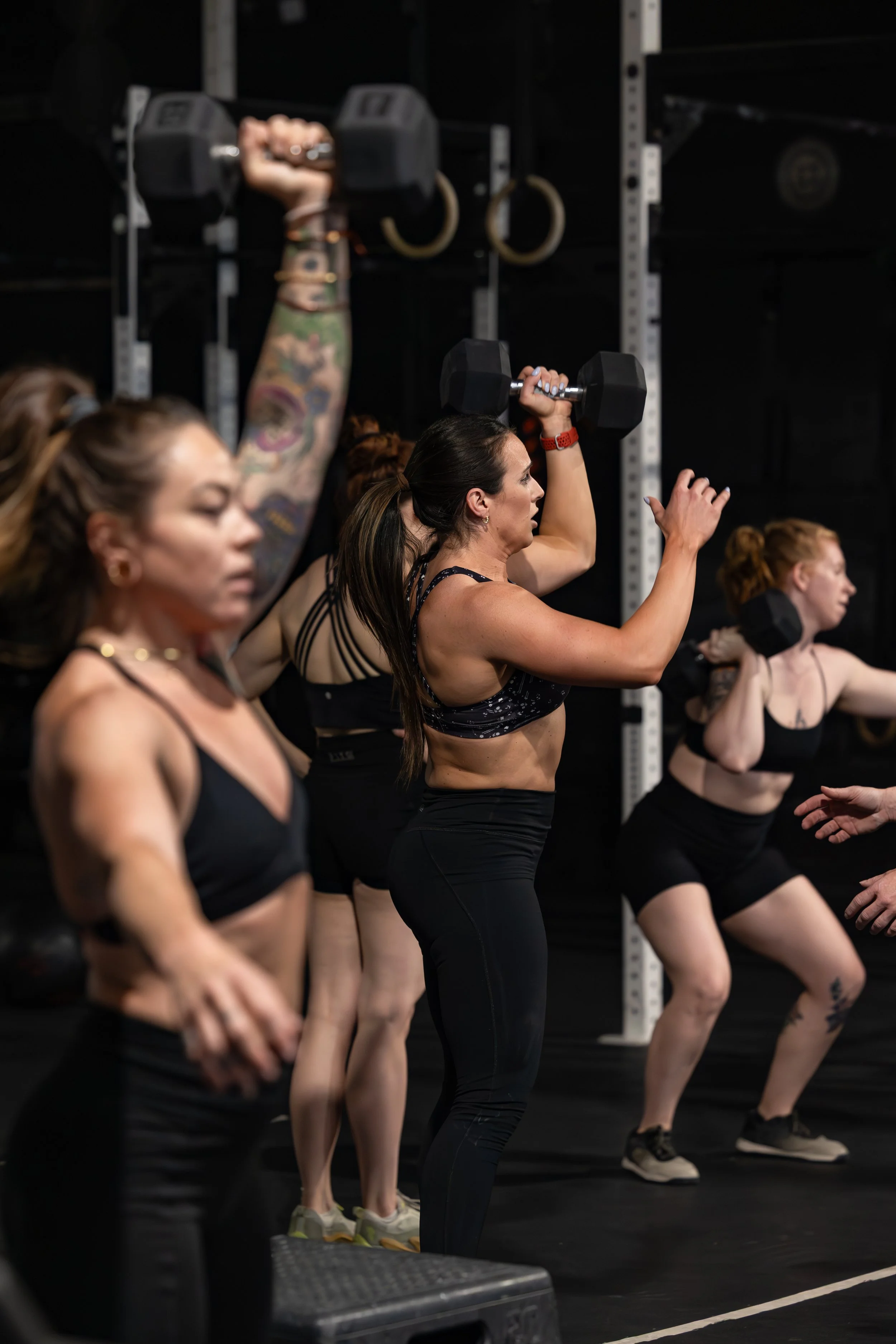
Training During Your Cycle: What The Research Says Now
Cycle syncing is all over your feed right now, wrapped in a lot of intensity and a little bit of fear-mongering. So we looked at what the research actually says.
Morgan and Jess Gordon get into the difference between the real, legitimate hormonal changes that happen across your cycle and the internet's version, which somehow always ends with women being too delicate to train hard and needing a sound bath during their luteal phase. They break down the actual phases, why "train on day 14" assumes a textbook cycle that most people don't have, and why the research on performance across your cycle is nowhere near as conclusive as a 30-second reel makes it sound.
Plus why birth control changes the whole conversation, how much your period actually affects your performance output (spoiler: less than the internet claims), and why the story you tell yourself about how you're "supposed" to feel can become a self-fulfilling prophecy.

Supporting Health Goals That Aren’t Yours
Watching someone you love struggle with a habit that's hurting them is genuinely hard. The instinct is to fix it, but that's almost never what helps.
Amanda, Joyce, and Jess Gordon get into the psychology of supporting someone else's health goals, especially when that person isn't ready yet. They talk about why "have you heard the good word about protein" tends to backfire, why the people closest to you hear your concern as "I want you to be different," and the difference between someone who's asked for help and someone you're trying to change before they're ready.
Plus why information is almost never the missing piece, why people don't drop a habit until they're getting nothing out of it anymore, the stages of change worth understanding, and the one question to ask yourself before you say anything: am truly I helping them, or just trying to relieve my own discomfort?
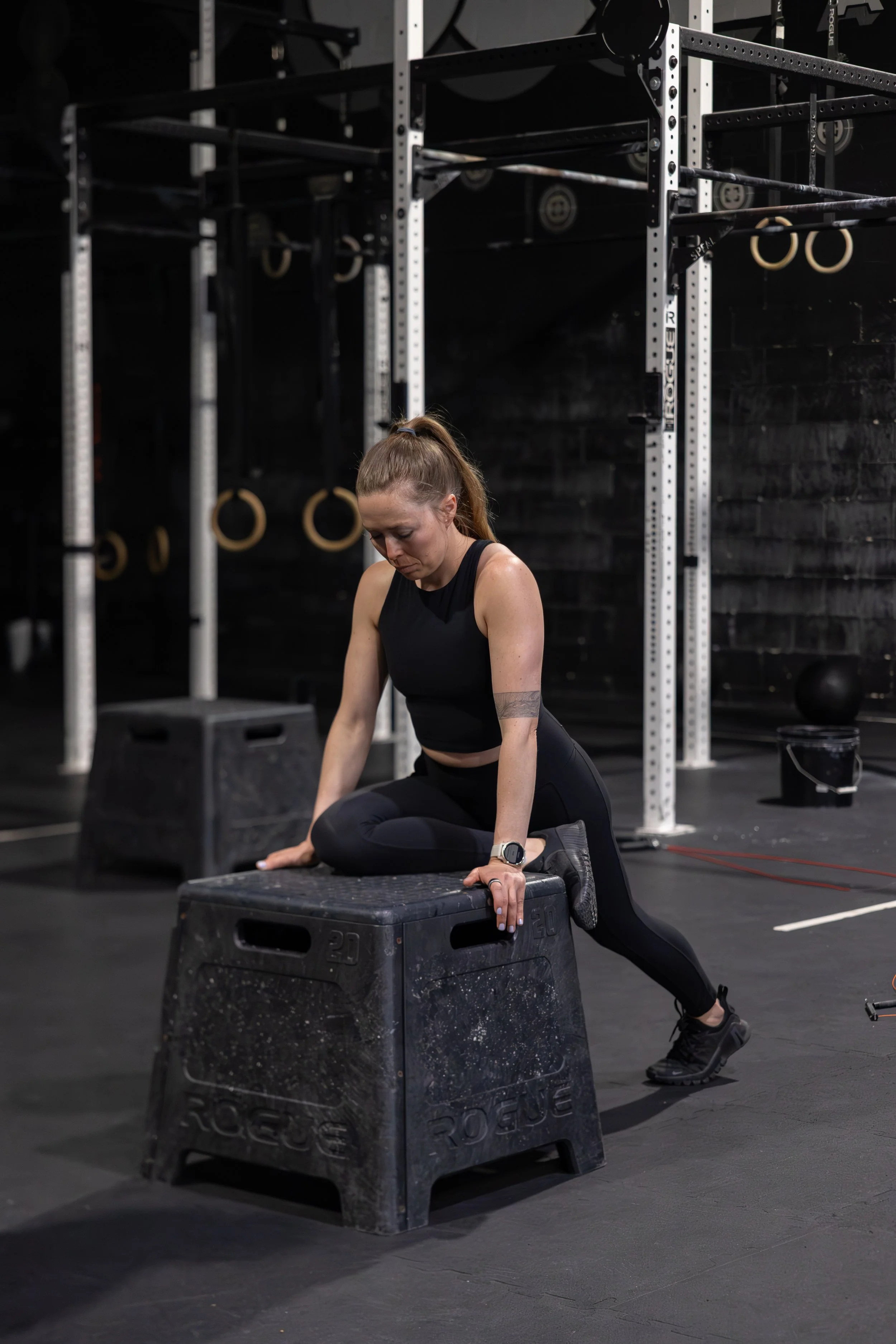
So You Want To Bounce Back After Injury
The athletes who come back strongest are not the ones who heal the fastest. They're the ones who respect the biology and rebuild with patience.
Amanda, Jess Saxon, and Whitney (DPT) get into why you genuinely cannot cheat code an injury. They break down the phases of tissue healing and why different tissues heal on wildly different timelines, why "when can I train again" is the wrong question, and why so many people re-injure themselves the second they start feeling better. They cover the shift from RICE to PEACE and LOVE, why medical clearance is not the same as being ready, and why the way you talk about your injury actually changes how your brain perceives it.
Plus why you can PR without getting any stronger, how to keep your identity intact while you heal, and why the comeback was never about proving how tough you are.
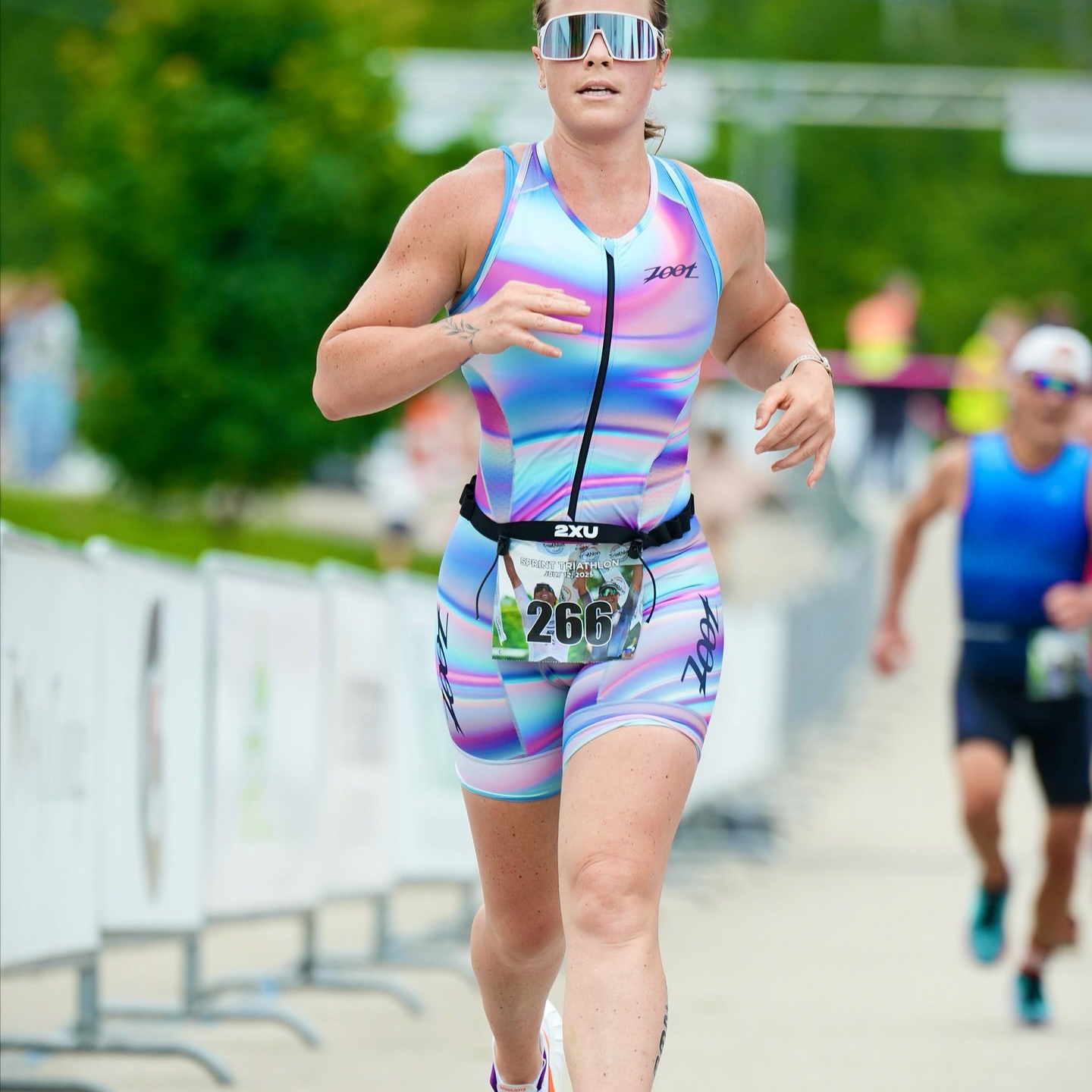
Gut training 101 for endurance athletes
Your gut is trainable. If your event relies on fueling, your ability to take in carbs while you're moving is a performance variable, every bit as real as your fitness, and just like the rest of your body, it adapts to training.
The athletes who fuel the best are usually the athletes who finish the strongest, and that doesn't start on race day. It starts weeks out, in training, on purpose.
The Voice in Your Head: Why Self-Talk Changes Outcomes
You hear your own voice more than anyone else's. Eventually it becomes the environment your brain lives in.
Amanda, Christin, and Jess Saxon get into how the story running in your head shapes your performance, your body image, your confidence, and your ability to build anything that lasts. They talk about why self-criticism gets mistaken for accountability, why the same event can produce two completely different conclusions depending on the narrator, and why the most elite athletes aren't relentlessly positive, they're just objective. They assess, adjust, and move on.
Plus the five-minute rule for processing a bad performance, why "fake it till you make it" is truer in performance than anywhere else, why food choices are data and not a character verdict, and how becoming a parent makes you hear your own inner voice completely differently.

So You Want To Involve Your Kids in Health Habits
The goal isn't just to raise healthy kids, but to raise adults who can walk into a room full of food choices and trust themselves.
Morgan, Joyce, and Jess Saxon get into how the way you talk about food and movement in front of your kids shapes their relationship with both for the rest of their lives. They talk about the food rules they grew up with, why restriction almost always backfires, how to give kids buy-in instead of just telling them to eat their broccoli, and why working with your kid's temperament beats forcing them into a box.
Plus a real conversation about parent guilt, unlearning the stuff you thought was required, handling the unsolicited advice from grandparents and grocery store strangers, and why nobody knows your kid the way you do.

How to Truly Listen to Your Body (Recovery Edition)
Most athletes do not have a recovery problem, they have a listening problem...
Morgan, Amanda, and Brooke get into how to listen to what your body is telling you without needing a Garmin, Oura, or WHOOP to tell you first. They break down the difference between productive discomfort and pain that is a genuine red flag, why the "more is better" culture teaches athletes to override the exact signals they should be paying attention to, and why not finishing your programming is usually not a discipline issue.
Plus the difference between fatigue, overreaching, and injury, why you should stop expecting to feel good all the time, and what actually happens when you keep ignoring the signals.
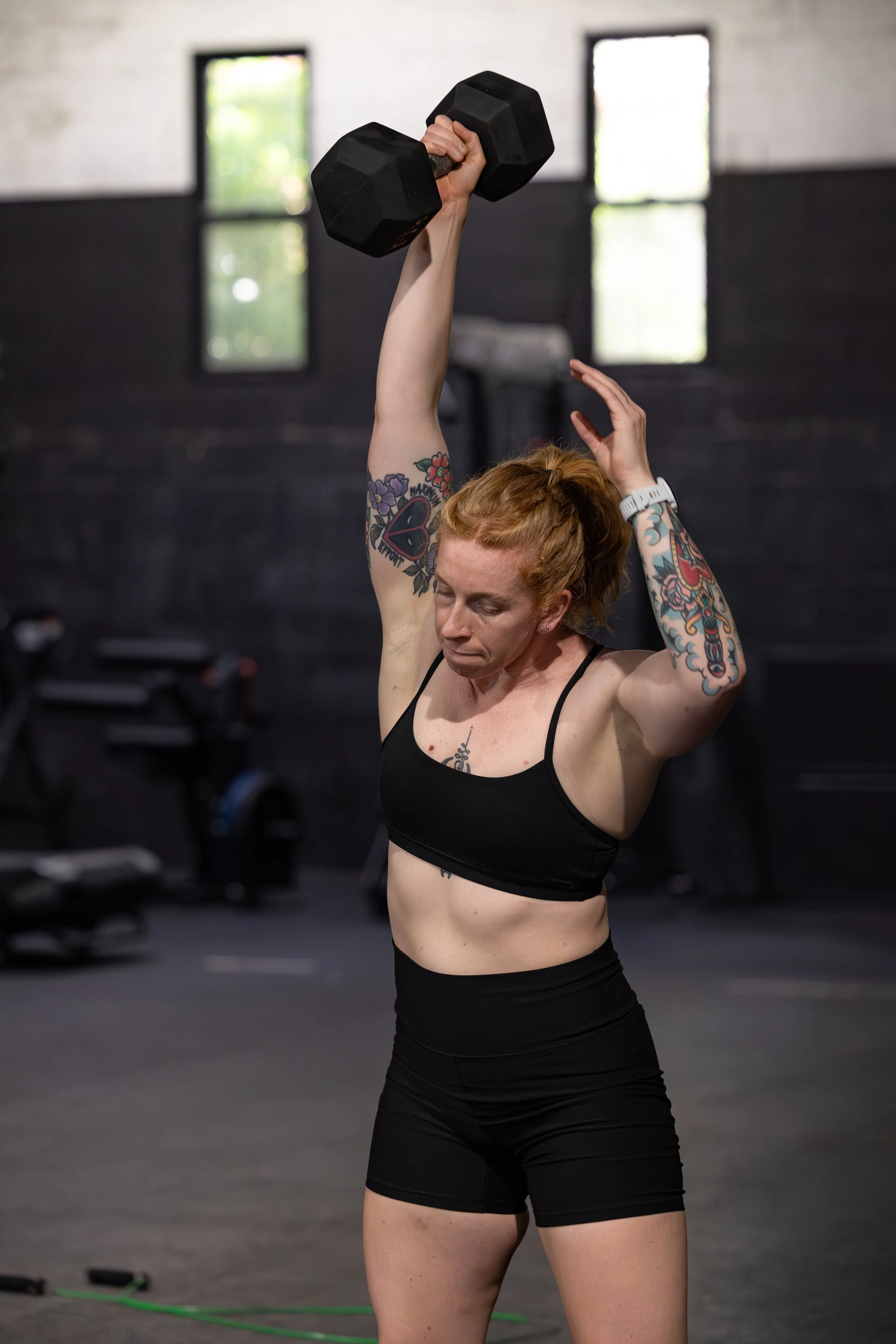
Strength vs. Endurance as We Age: Your Athletic Prime Might Last Longer Than You Think
Everyone talks about your athletic prime like it is a cliff you fall off at 30. It is not.
Amanda, Nic, and Jess Gordon get into how different athletic qualities age at completely different rates, why sprint and power sports peak young while endurance keeps rewarding you into your 40s and 50s, and why women often hold onto endurance performance exceptionally well. They break down when people actually peak across strength, power, and endurance, why so much of the early decline people blame on age is really about lifestyle and training habits, and why the ultra distance podium is basically the wild west of what is possible later in life.
If you have ever been told to just wait until you are 30, or 40, or 50, this one is going to age well.
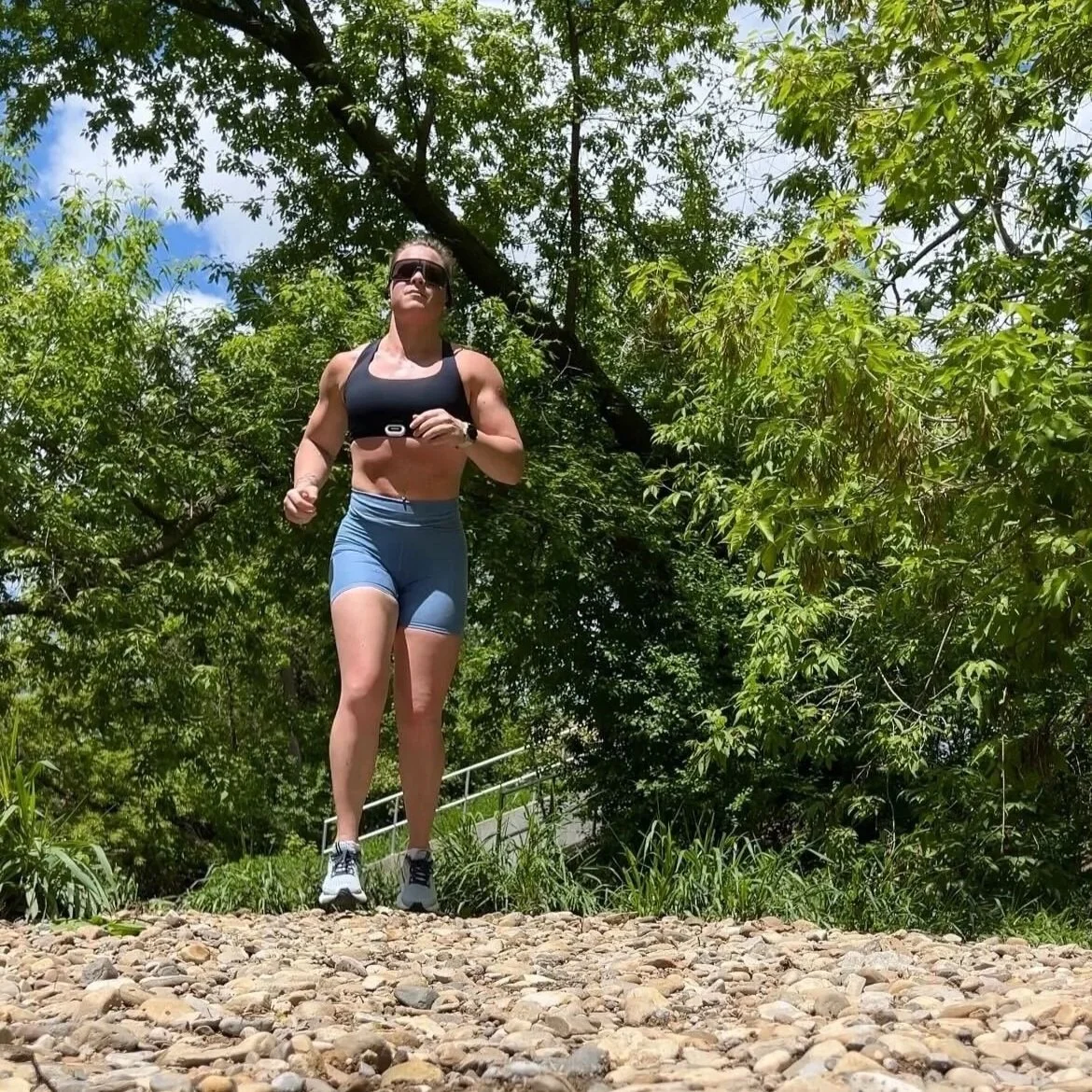
Embracing the Heat: How Summer Training Makes You Faster
If your pace fell off a cliff the second it got hot out, you're not losing fitness. You're adapting!
Amanda, Chelsea, and Dr. Chris break down the summer slowdown, the very real reason your easy runs suddenly feel brutal and your heart rate spikes for no obvious reason. They get into what is actually happening in your body when you train in the heat, why it is diverting resources just to keep you alive, and why pushing through it is one of the most effective things you can do for your fall race season. Plasma volume expansion, improved sweat response, glycogen sparing, and why heat training works a lot like showing up to a lighter planet after training on a heavier one.
Slower in the summer does not mean less fit. It means you are handling a whole extra set of challenges, and building something that pays off when the temperature drops.
So You Want To Stop Falling for Nutrition and Fitness Misinformation
We have more health information available to us than ever before, and somehow people are more confused than they have ever been.
Amanda, Chris (PhD exercise science), and Jess Gordon get into why nutrition and fitness misinformation spreads so easily, what makes it so believable, and how to build a better filter without getting an advanced degree. They cover why "doing your own research" on PubMed can actually give you a false sense of confidence, why simplicity almost always beats truth online, how fear and urgency get used to sell you things, and the specific red flags that should turn your BS meter on. Blue check marks, letters behind a name, always and never statements, and the toxic ingredient headlines that make everyone clutch their pearls.
Nobody here is telling you to stop learning online. They are just handing you a sharper filter for what you find!