
So You Want To Crush Your First Competition
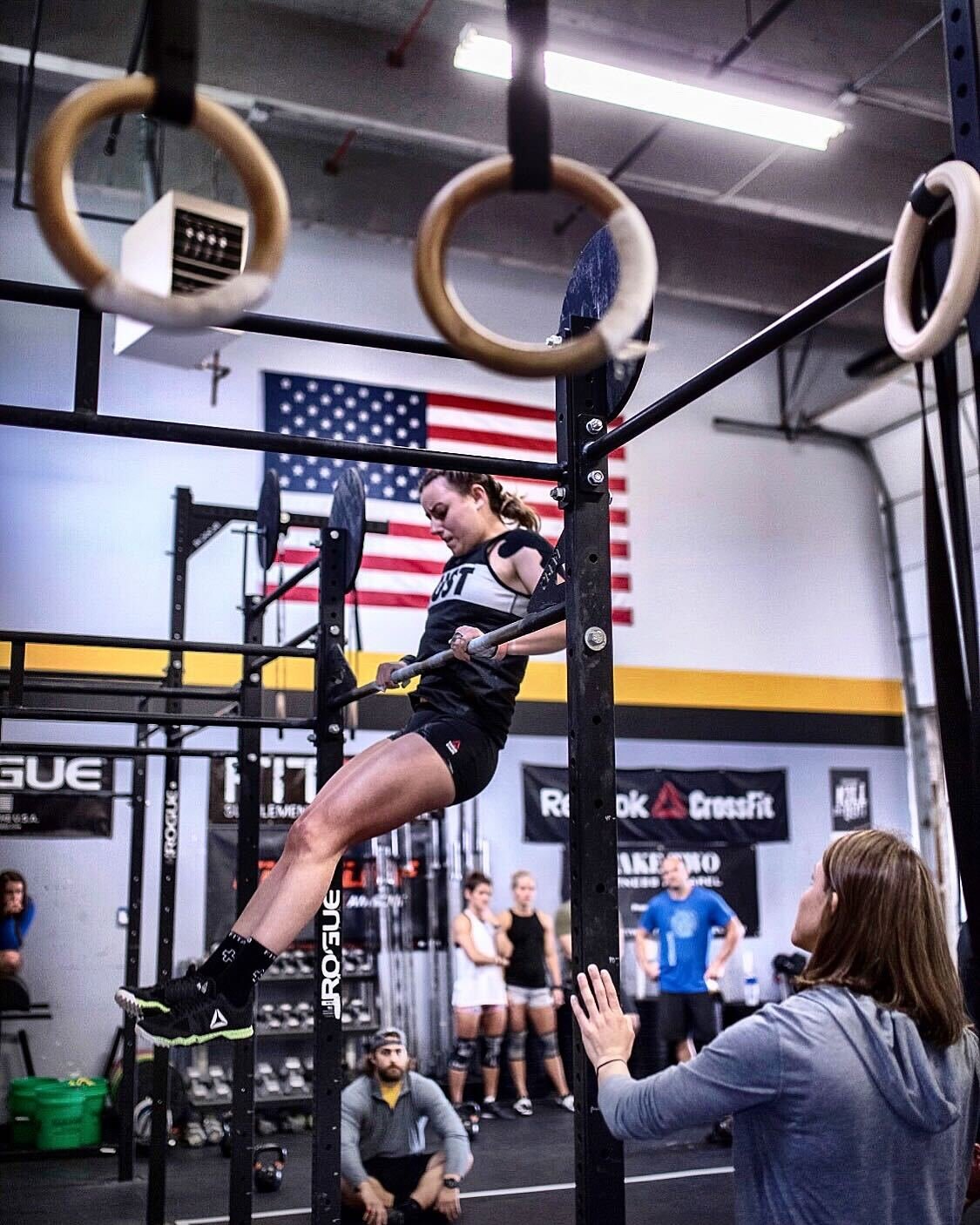
BLACK IRON RADIO EP. 354: So You Want To Crush Your First Competition
Signing up is the easy part. Showing up prepared is a different story.
Ryann, Christin, and Jess G. break down everything they wish someone had told them before their first atheltic competition. How to pick the right competition, meet, or race for where you actually are right now, how to build your prep without wrecking yourself in the process, what to do with the spiral that hits the week before, and why you absolutely should not eat something new on competition morning.
They also get into nutrition and carb loading, sleep banking, the power of visualization, what to do when you are getting no-repped and have no idea why, and how to actually let yourself enjoy it when it is over.
You are more ready than you think. Now go sign up for and do the thing.
Whether you've been watching competitions from the sidelines for years or you just signed up for something on a whim, deciding to compete as an adult is a big deal. It's exciting, it's a little scary, and it can completely change the way you think about your training.
In this episode of Black Iron Radio, Ryann sat down with Christin and Jess Gordon, both gym owners and coaches who see athletes navigate their first competitions all the time. They talked about everything from picking the right event to what to eat beforehand to handling the nerves that show up three days out without fail.
Why Adults Are Competing More Than Ever
Adult competition is having a moment, and for good reason. When we grow up, movement often has a built-in structure: PE class, team sports, organized leagues. Then we enter adulthood, and suddenly no one's making us show up. We have to find our own why.
For a lot of people, signing up for a competition becomes exactly that. It puts a date on the calendar. It gives intention to training. It turns "going to the gym" into "preparing for something." And once you feel that sense of accomplishment on the competition floor or at the finish line, the bug tends to stick.
That's showing up at every age and every stage. One of Jess's gym members recently competed in her very first CrossFit competition after entering perimenopause, partly in response to all the messaging online that told her she might as well stop trying. Her kid was on the sidelines doing burpees right alongside her. That's what this is all about.
Picking Your First Competition
With so many options out there, knowing where to start can feel overwhelming. A few things that help:
Go local first. A local competition means your whole gym can come cheer you on, it's usually more affordable, and the atmosphere tends to be a little more low-key. Save the big destination events for when you've got a few under your belt.
Consider a partner or team format. Having someone on the floor with you for your first time takes the pressure way down. If there's something you can't do, your partner might be able to pick it up, and vice versa.
Ask around. Your coaches, your gym community, Facebook groups, or region-specific pages are great places to find out which competitions are well-run and worth your time. There are also chains like The True Challenge (formerly Festivus) that have a great beginner-friendly reputation. For runners, running in the USA is a solid resource for finding races of all distances around the country. And speaking of distance: start smaller than you think you need to. You can always go longer next time.
Know the standards before you sign up. If you're doing a CrossFit competition, they will list the weights and movements for each division. Just because you can hit a weight once doesn't mean you should sign up for that division. Under fatigue, in your third workout of the day, those numbers feel very different. Sign up for a division where you feel genuinely confident in the movements, not just theoretically capable of them.
Building Your Plan
Once you've signed up, a few things to get in place right away:
Start practicing the movements and weights listed for your division in your regular training. Ask your coaches for guidance. You don't need to hammer the exact workouts every day, but getting comfortable with the standards matters a lot for building confidence.
That said, don't overdo it. One of the most common mistakes coaches see is athletes going from five kipping pull-ups to twenty overnight because they got the movement list and panicked. That's a fast track to injury.
If you're bumping up your training volume, whether for CrossFit or running, your nutrition needs to come with you. Hydration, protein, carbs, fat, and recovery calories all shift when you're asking more of your body. A coach can help you figure out where your intake needs to go so that you actually have the energy to train and recover well leading into race or competition day.
For runners especially, do a race-day simulation during your peak week. Try your carb load strategy. Practice your intra-race nutrition. Find out how your stomach handles your gels before you're at mile ten depending on them. Gut training is real, and race day is not the time for your first experiment with a new product.
Handling the Nerves
Here's something every experienced competitor will tell you: the nerves don't go away. Even after many competitions, the three-day spiral of "why did I sign up for this, I don't belong here, I'm going to let everyone down" is basically universal. Knowing that it's coming helps.
A few things that actually work:
Remember why you're here. This is something you get to do. It's a privilege. No one's paying you to compete, and the only outcome that matters is what you learn about yourself in the process.
Reframe the physical feeling. Nerves and excitement have almost identical symptoms in the body. The butterflies in the stomach, the restlessness: it could be either. You get to decide which one it is.
Visualize the best-case scenario. Your brain is going to run worst-case scenarios on its own. You owe it to yourself to run the good ones too. Picture yourself on the floor, strong and prepared. Picture crossing the finish line. Go through the details: what it looks like, who's there, what it feels like in your hands. Some coaches give clients journaling prompts around this the week before a competition, specifically to get the positive version of events as much airtime as the scary version.
Affirmations are not corny. Writing them on your gels, repeating them in your warmup, having one phrase you come back to when things get hard: these things work. "I can, I will, I must" is one that Olympic athletes have used. "One foot in front of the other." "My body is stronger than my mind." Find what resonates and use it without apology.
If you have a bad workout the week before, that's okay. This happens to almost everyone and almost always means your body is ready to taper. The hay is in the barn. A bad training week does not predict a bad competition performance.
Competition Day Nutrition
Carb loading means different things to different people, but it doesn't have to be complicated. For events under a certain duration, like a 5K, a major carb load probably isn't necessary. For CrossFit competitions, longer races, or anything requiring extended effort, getting extra carbohydrates in the evening before and prioritizing fast-digesting carbs on the day of is generally a solid approach.
The key word is fast-digesting. Your body needs fuel it can actually use quickly. Fibrous carbs take too long to break down when you're asking your body to perform right now. Keep fiber lower on competition day.
Whatever your plan is, it should be something you've practiced. The snacks you bring, the timing of your meals, your pre-event routine: none of it should be new. This is especially true for things like pre-workout supplements. The swag bag at a CrossFit competition will almost certainly contain free samples. Do not try them for the first time on competition day.
The Night Before and Morning Of
Most people don't sleep great the night before a competition. Knowing that ahead of time means you can prepare for it by banking a little extra sleep in the days leading up to it. Even going to bed fifteen minutes earlier each night adds up.
Lay everything out the night before. Pack your bag, charge your watch and headphones, check that you have your bib, your gels, your gear. The goal is a calm, low-stress morning where you're not scrambling.
Wear what you've been training in. No new shoes, no new knee sleeves, no gear you haven't broken in. This sounds obvious until competition day arrives and something shiny and new is sitting right there.
And ask questions when you get there. That's what the judges and coordinators are for. If you're at a CrossFit competition and you want your judge to count your reps out loud, ask them. If you're getting no-repped and don't know why, ask. You're new. There are no dumb questions, and getting clarity before you're in the middle of a workout is always better than being flustered on the floor.
After It's Over
Go eat. Hydrate. Celebrate. Don't track. Reflect with your people, because everything moves so fast during competition that you often don't fully process what happened until you're sitting at dinner talking about it.
Give yourself credit regardless of the outcome. Every competition teaches you something, whether it goes exactly as planned or completely sideways. The training was real. The showing up was real. The accomplishment is real.
When you're ready, and only when you're ready, think about what's next. You might come off your first competition fired up and ready to sign up for ten more things. Or you might decide that competing isn't really for you, and that's completely okay too. There are plenty of ways to be part of this community without competing, including volunteering at events, which is always needed and always appreciated.
But if the bug bites you? Lean into it. Just maybe don't sign up for a marathon the week after your first 5K.
🎙️ WANT MORE? SUBSCRIBE TO BLACK IRON RADIO!
If you enjoyed this conversation, check out more episodes of Black Iron Radio, where we cut through the noise and give you real, no-BS advice on feeling, performing, and looking your best. Each week we share practical nutrition, training, and wellness strategies and tips to help you succeed.
