

WELCOME TO OUR BLOG
SEARCH FOR AN ARTICLE
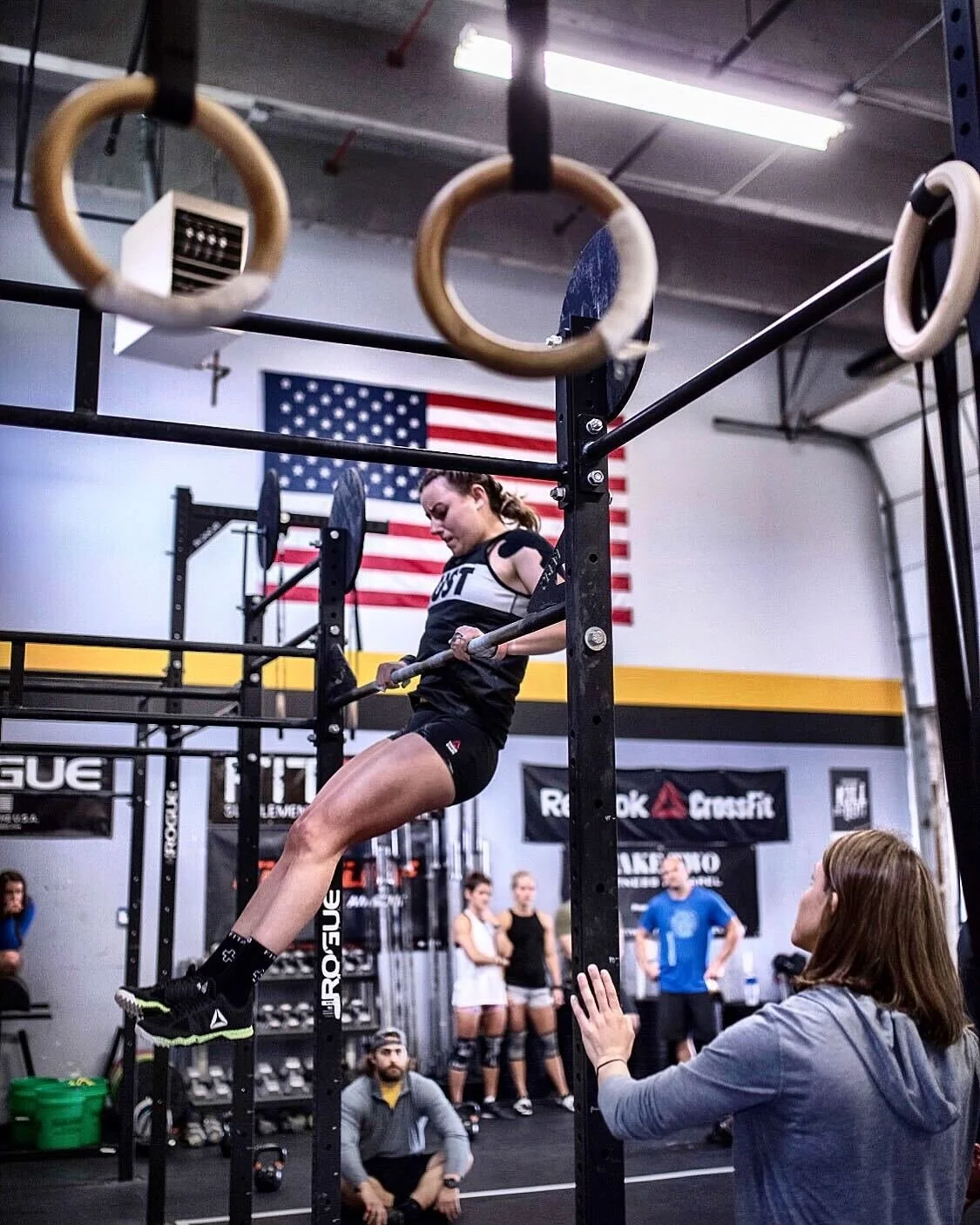
So You Want To Crush Your First Competition
Signing up is the easy part. Showing up prepared is a different story.
Ryann, Christin, and Jess G. break down everything they wish someone had told them before their first atheltic competition. How to pick the right competition, meet, or race for where you actually are right now, how to build your prep without wrecking yourself in the process, what to do with the spiral that hits the week before, and why you absolutely should not eat something new on competition morning.
They also get into nutrition and carb loading, sleep banking, the power of visualization, what to do when you are getting no-repped and have no idea why, and how to actually let yourself enjoy it when it is over.
You are more ready than you think. Now go sign up for and do the thing.
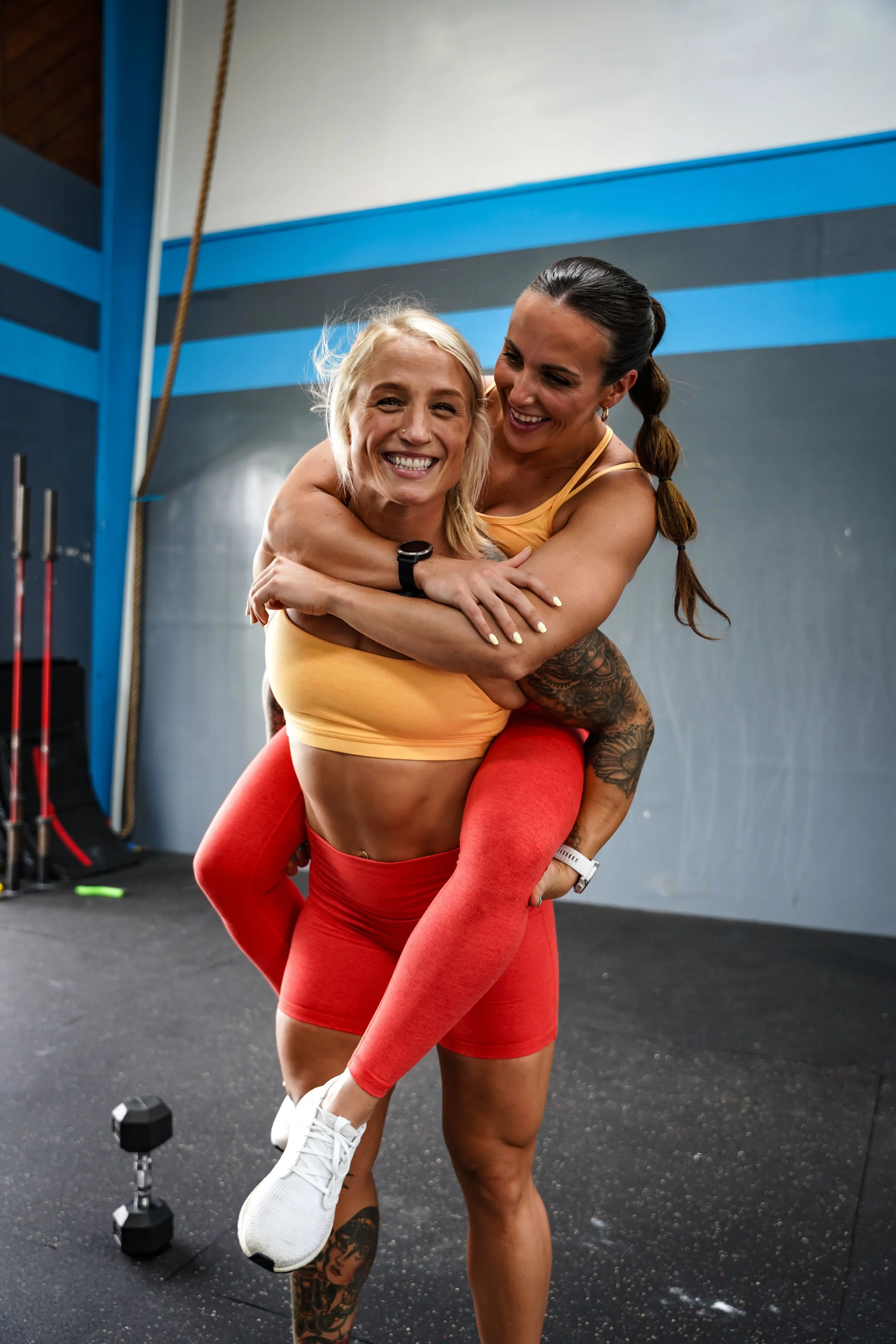
What Happens When Your Identity Gets Too Wrapped Up In Being Fit or Strong
Most people don't notice their identity has gotten too wrapped up in fitness until it is already somewhat of a problem.
Krissy, Kelsey, and Kelly get into the signs it's gone too far, what it costs you when it does, and how to loosen the grip without losing the thing you love. They talk about rest day guilt, injury ang againg grief, relationships that took a back seat, body dysmorphia, anchoring bias, and the question nobody really wants to sit with: if you could never train again, who would you be?

Identity Shift: Seeing Yourself as an Athlete at Any Size
Some people train hard, show up consistently, and do a whole lot of things athletes do… but still don't fully see themselves that way.
Brooke, Christin, and Kelly talk about what it truly means to be an athlete, why so many people think that identity belongs to a certain body type, and how chasing the "look" of an athlete can distract from the habits, mindset, and support that actually matter. They get into comparison, body image, performance, social media brain rot, and the difference between wanting to look the part versus actually living it.
This one is for anyone who has ever felt like they had to earn the title first.

Relative Energy Deficiency in Sport (RED-S)
Relative Energy Deficiency in Sport (RED-S) is what happens when an athlete's energy intake doesn't match the demands of their training and life. It's not just about missing periods or being "too lean." Chronic low energy availability can suppress hormones, reduce bone mineral density, alter thyroid function, impair recovery, and decrease performance. What was once labeled the Female Athlete Triad was expanded in 2014 to reflect what research made clear: this affects all genders and multiple physiological systems.
In this post we unpack how RED-S develops over time, why it's easy to normalize in competitive environments, and the patterns coaches and athletes should be paying attention to. They discuss weight-class and aesthetic sports, repeated fat loss phases, carbohydrate availability, stress load, and how to align nutrition with training cycles without compromising long-term health. If you care about performance that lasts, this conversation is foundational.
Sugar Free Electrolytes Don’t Make Sense (Usually)
Sugar-free electrolytes might sound like the perfect solution—but in most cases, they don’t make much sense. Before you buy into the hype, it’s worth understanding what electrolytes actually do, when you need them, and why the ‘sugar-free’ promise isn’t the advantage it seems.
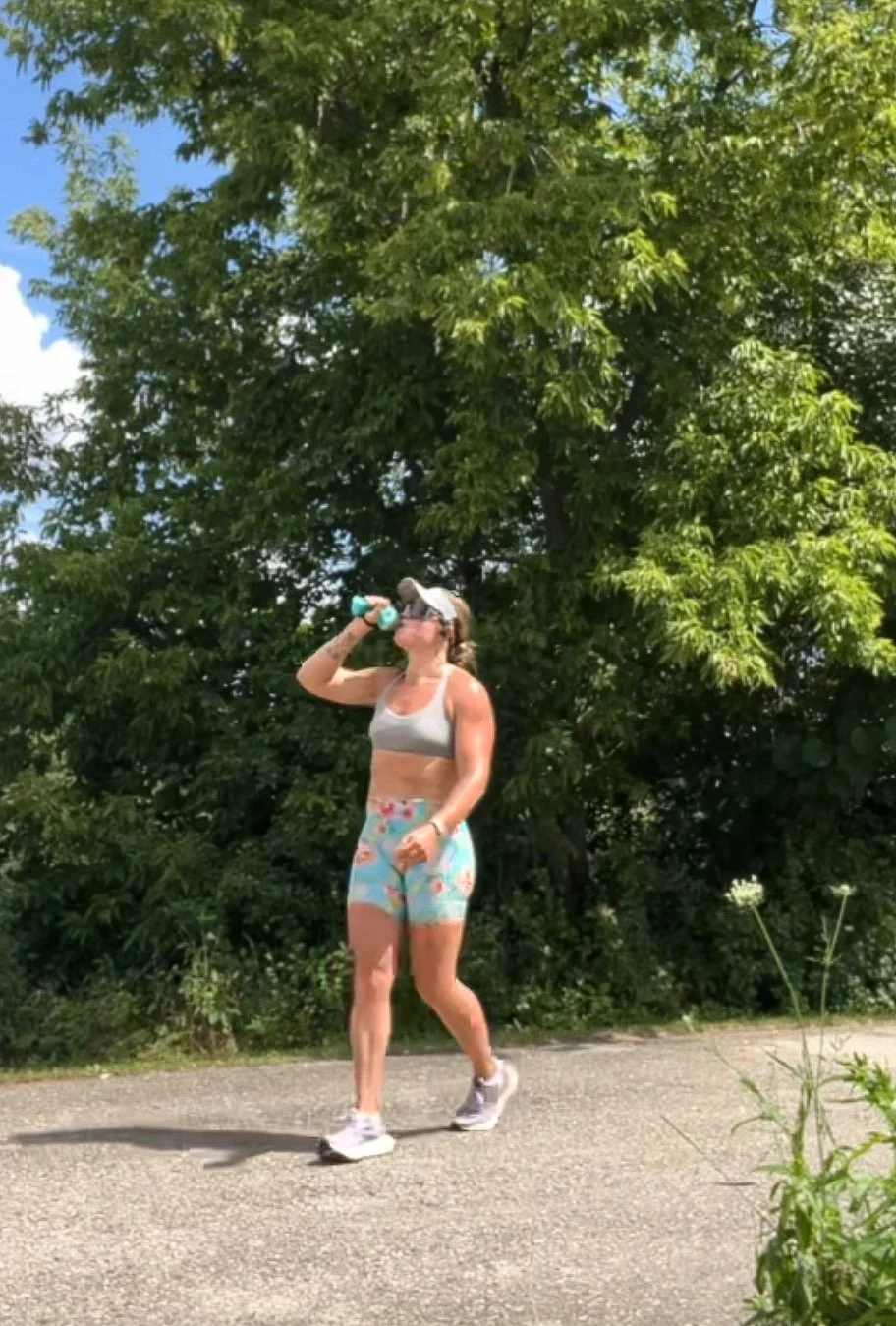
Behind on Hydration? Here’s Why It Matters
Hydration is more than “just drink more water.” In this post we break down how fluid balance impacts digestion, energy, performance, recovery, and even mood. Learn the real science behind electrolytes, why dehydration often disguises itself as hunger or fatigue, and practical ways to make hydration a habit without obsessing over supplements.

So You Want To Compete Without Attaching Your Worth to the Result
Why tying your self-worth to race results is a fast track to burnout. We break down healthy vs. unhealthy athlete identity, how to stop spiraling after bad performances, and why sport should add to your life—not take it over.

Overcoming Negative Self-Talk During Life's Changes
I was really struggling with something recently, and after doing my check-ins with my clients that day, I realized that so many of you guys struggle with the same thing.

What does Performance Nutrition actually mean?
How many times have you looked at pictures of CrossFit athletes, weightlifters, etc. and thought “I would kill to look like that” ?
But if we knew what it actually took to get there, we might reconsider.
This also brings up one of the biggest misconceptions in fitness - the idea that looking shredded is equivalent to better performance in the gym or in sport.