
WELCOME TO OUR BLOG
SEARCH FOR AN ARTICLE

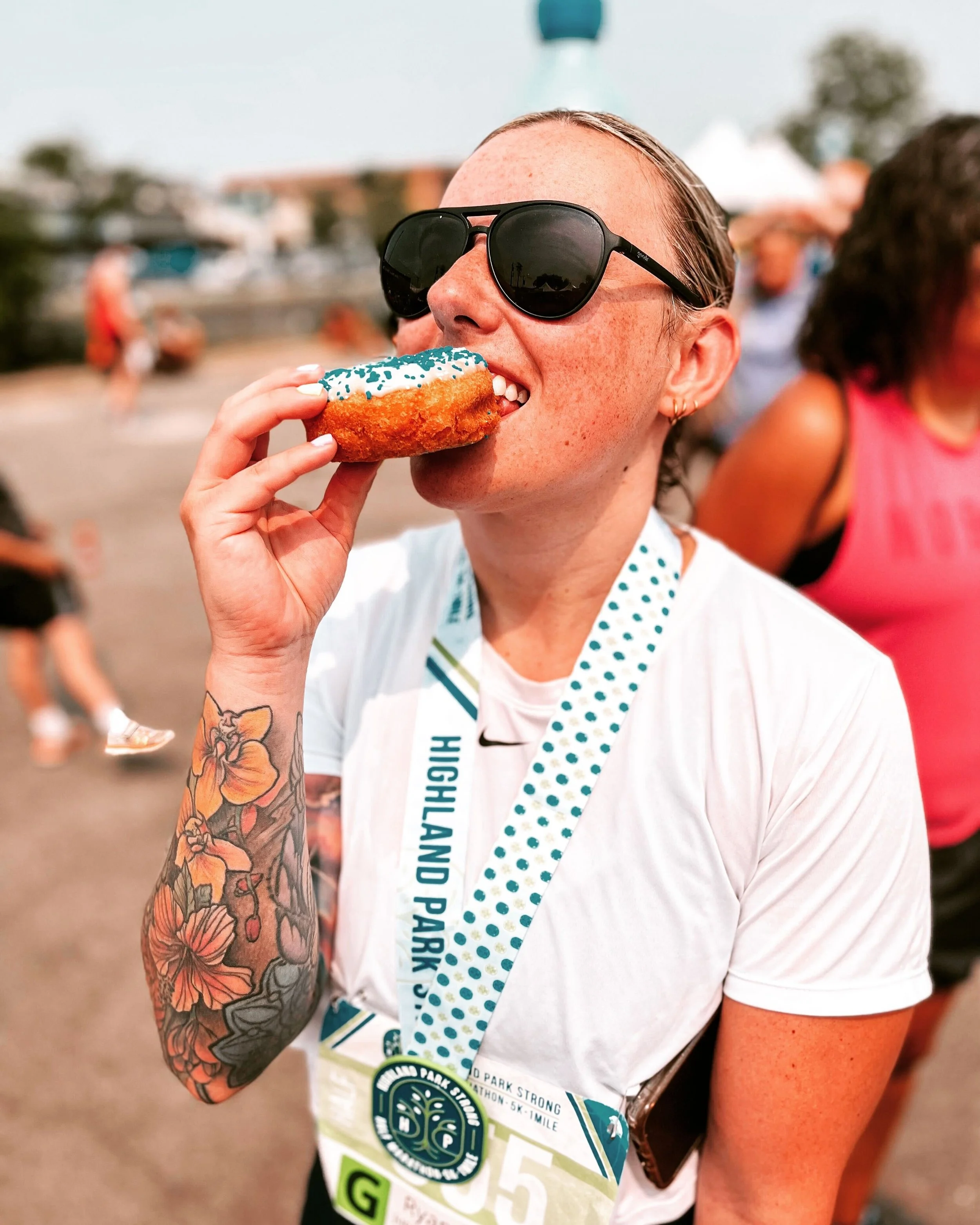
So You Want to Enjoy Dessert Without Guilt
Dessert is not the problem. Guilt around it is.
Morgan, Christin, and Jess S. get into why so many people have a complicated relationship with sweets, where that relationship actually comes from, and what the science says about what happens in your brain when you restrict something you actually want. They talk about the food rules we grew up with, almond moms, the restrict-overeat-reset cycle, and why trying to replace the brownie with fruit and then a granola bar and then cereal means you end up eating everything in the kitchen and still not feeling satisfied.
Plus a conversation about generational food guilt, raising kids without passing it down, why cravings are information and not a character flaw, and why just having the brownie was always going to be the better option.
So you want to build habits that actually last
Habits are not built through more pressure, more guilt, or a bigger all-or-nothing plan. They stick when they actually fit into your life. In this post we dig into why so many habits fall apart after a week or two, and what it really takes to make change sustainable. We cover the difference between intensity and consistency, how identity and self-talk shape behavior, why environment matters more than people think, and how to stop treating every missed day like a full derailment. There's also a lot here on starting smaller, tracking progress in a simple way, and building habits that feel doable enough to repeat. This one is a good reminder that long-term progress usually comes from boring little reps done over and over again, not one big burst of motivation.
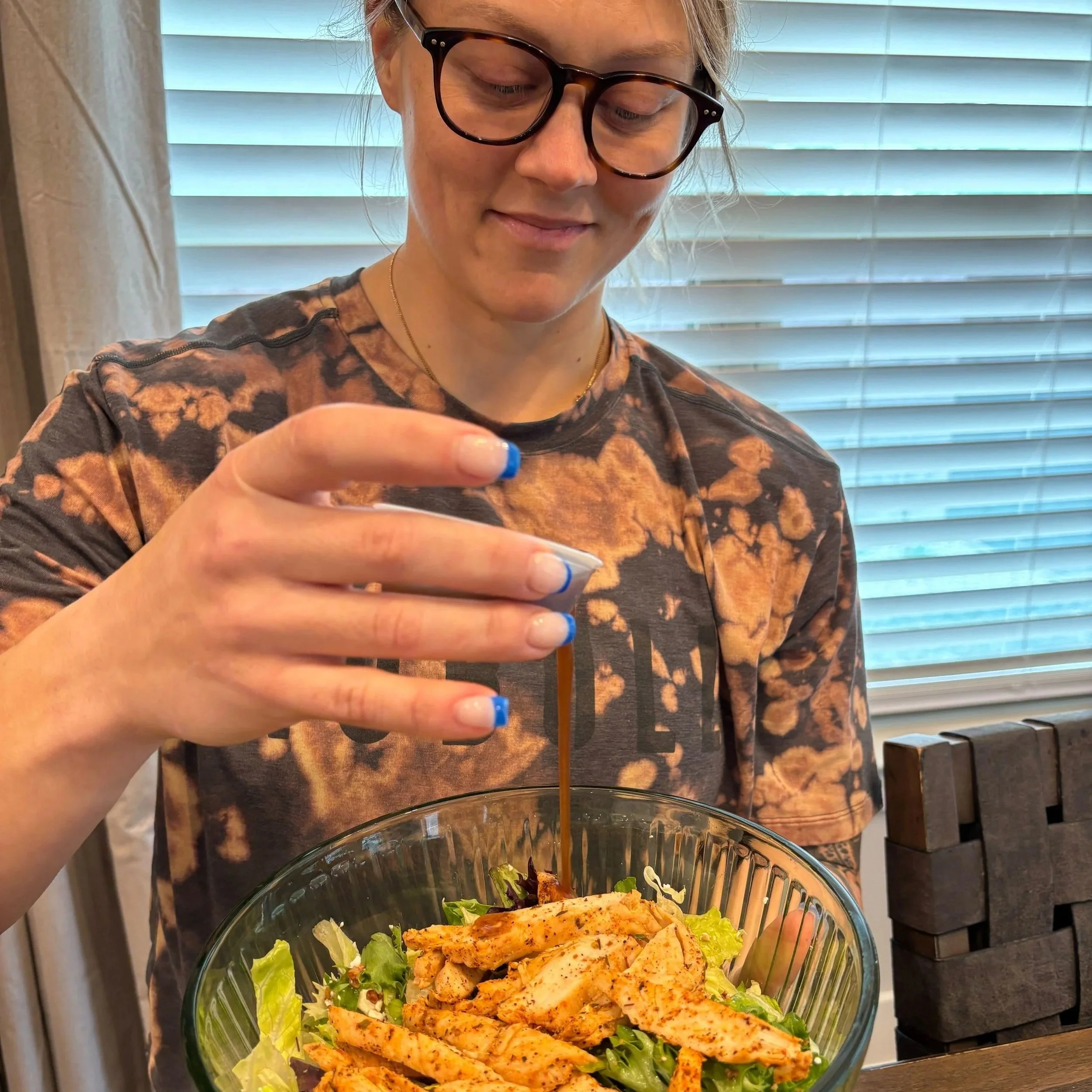
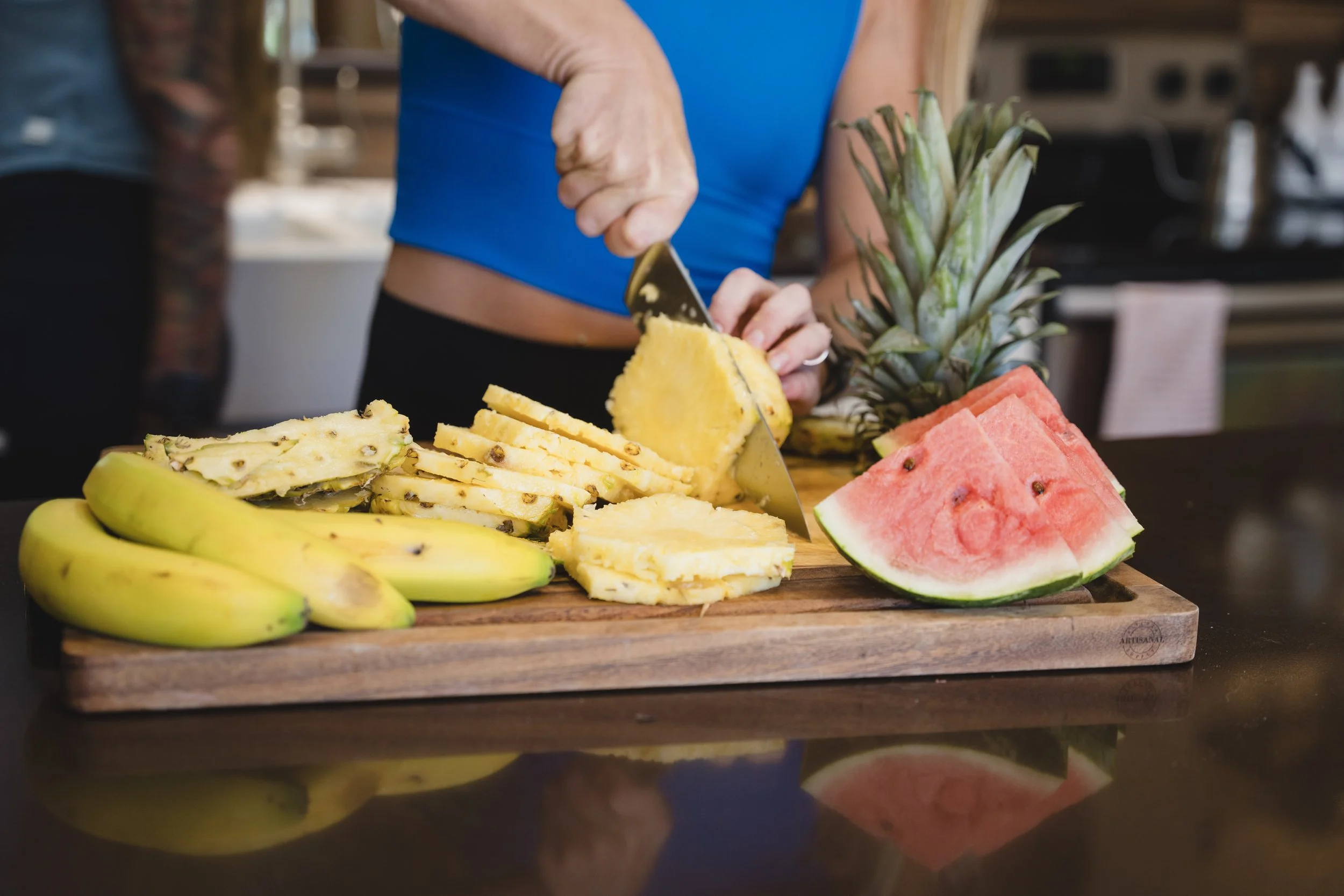
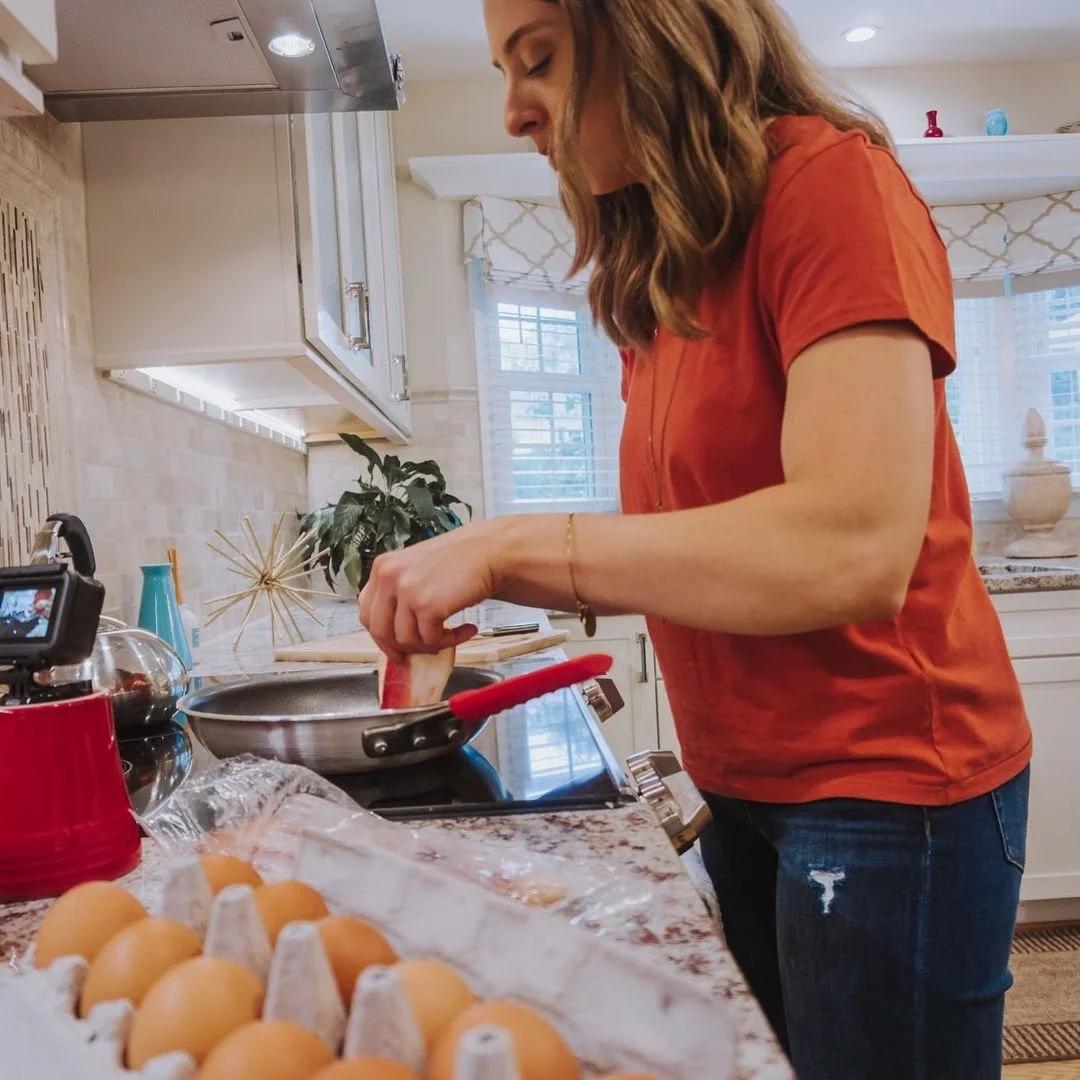
So You Want To Cook More At Home Without Hating It
Cooking more at home is one of the most common goals in nutrition coaching, and one of the most resisted. The problem usually isn't knowing what to eat. It's the execution: planning, shopping, prepping, and actually doing it during a busy week. We break down how to make home cooking realistic and sustainable, including how to simplify your process, build repeatable meal structures, and stop treating every meal like a culinary event. You don't have to love cooking. You just need a system that works.
Relative Energy Deficiency in Sport (RED-S)
Relative Energy Deficiency in Sport (RED-S) is what happens when an athlete's energy intake doesn't match the demands of their training and life. It's not just about missing periods or being "too lean." Chronic low energy availability can suppress hormones, reduce bone mineral density, alter thyroid function, impair recovery, and decrease performance. What was once labeled the Female Athlete Triad was expanded in 2014 to reflect what research made clear: this affects all genders and multiple physiological systems.
In this post we unpack how RED-S develops over time, why it's easy to normalize in competitive environments, and the patterns coaches and athletes should be paying attention to. They discuss weight-class and aesthetic sports, repeated fat loss phases, carbohydrate availability, stress load, and how to align nutrition with training cycles without compromising long-term health. If you care about performance that lasts, this conversation is foundational.
So You Want To Improve Your Body Image
You don't have to love your body every second of every day to have a healthy relationship with it. This post unpacks what body image actually is, why it can shift by the hour, and why forced positivity often makes things worse. We revisit the body positivity wave of 2020, make the case for body neutrality as a more sustainable place to land, and walk through the ways social media, diet culture, unsolicited comments, and comparison quietly keep negative body image cycles running. We also get into body checking, the "I'll be happy when..." trap, how stress, sleep, and hormones can magnify bad body image days, and why chasing an old version of yourself rarely delivers what you think it will. Bad body image days are rarely about your body in the first place.
Getting 7-9 Hours a Night is the Guideline, But Not Everyone's Reality
For some people, six hours of sleep is a huge win despite the 7-9 hour guideline. In this post we dig into why sleep duration guidelines exist, what chronic low sleep is linked to (from mood and performance to long-term cognitive health), and why "I've always slept bad" isn't the same as "this isn't affecting me." Then we get practical: how to work with six hours instead of obsessing over eight, why quality often matters more than quantity, and how nutrition, training, and stress quietly impact sleep. We also cover when it's time to go beyond habit tweaks and involve a sleep study or medical support. No shame, no sleep virtue signaling. Just a nuanced conversation about protecting your health when perfect sleep isn't on the table.
So You Want To Stop Overeating on the Weekends
If you feel like you "have it together" Monday through Thursday but chaos starts on Friday night, this post is for you. Weekend overeating isn't a willpower problem. It's a pattern driven by psychology, physiology, stress, sleep, and the way most of us are wired to treat the weekend as a reward for surviving the week. We break down why saving all the fun for the weekend backfires, how calorie cycling can reinforce all-or-nothing habits, and what you can actually do to carry some structure into your weekend without turning your life into a rigid food rulebook. The goal isn't perfect weekends. It's fewer extreme swings, less guilt, and waking up Monday feeling steady instead of behind.
Everyday Movement: Strategies to Increase NEAT
Most people think they need another workout to burn more calories — but the truth is far less dramatic and way more doable. In this post, Ryann, Chloe, and Maggie unpack everyday movement (NEAT), why it matters more than you think, and how small habits make a massive difference for energy, mood, body composition, and long-term health.

So You Want To Stay Active Through Holiday Travel & Chaos
Holiday travel and family chaos can turn your routine upside down — but staying active doesn’t have to feel impossible. In this post we break down simple, realistic ways to keep movement in your life during the busiest time of year. No guilt. No pressure. Just practical strategies to help you feel good, stay grounded, and keep your momentum even when everything around you is unpredictable. Perfect for anyone who wants to enjoy the holidays and take care of themselves.
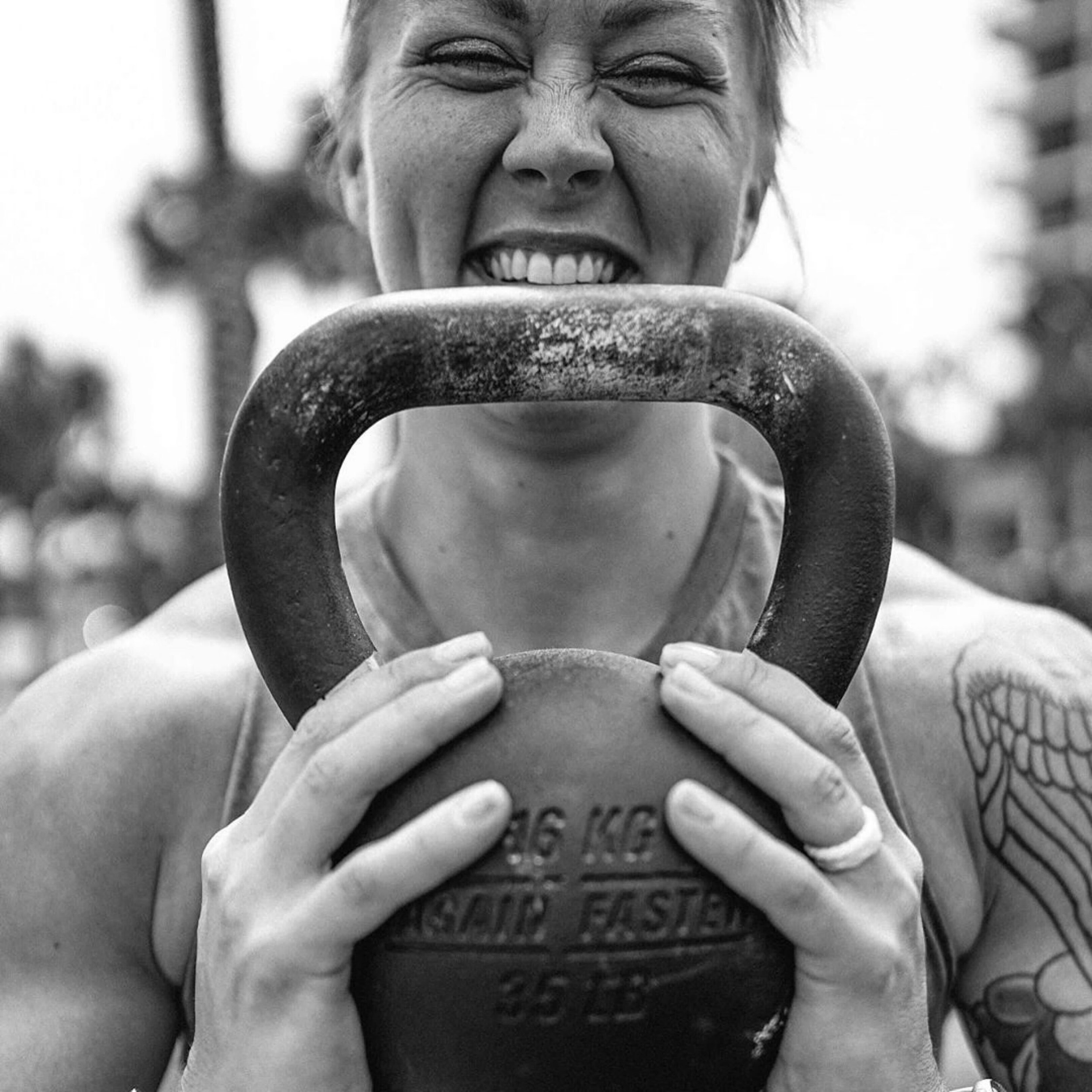
Eating Enough: Nutrition to Support Energy, Focus & Recovery
If you’re tired, cranky, sore, not recovering, or wondering why your workouts feel harder than they should… there’s a good chance you’re simply not eating enough. This blog breaks down the most common signs of under-fueling, why it happens more often than people think, and how it impacts everything from your energy and focus to your hormones and performance.
We’re digging into the science of low energy availability, the real-world symptoms we see in clients every day, and the practical steps you can take to finally fuel your body the way it deserves. If you want better training, better recovery, and a better relationship with food, this is your starting place.
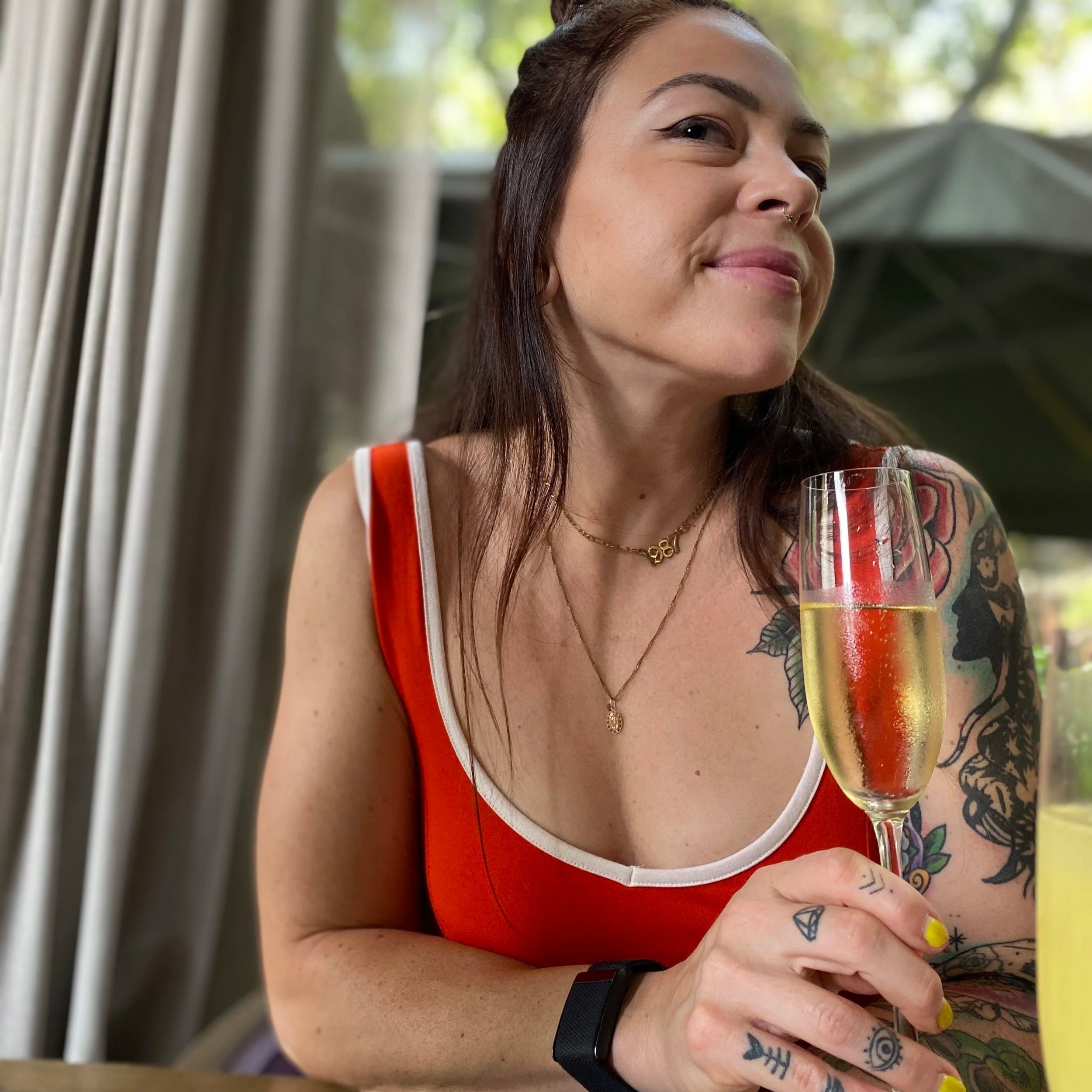
So You Want To Be Alcohol-free This Holiday Season
The holiday season can make it feel like alcohol is everywhere — and saying “no thanks” can feel harder than it should. In this episode, Morgan, Maggie, and Amanda break down why drinking ramps up this time of year, how alcohol actually impacts your sleep, stress, and performance, and how to navigate social pressure without overexplaining yourself. Whether you’re sober-curious, cutting back, or just want to feel better heading into the new year, this episode gives you real strategies to stay alcohol-free (or simply drink less) without missing out on the fun.
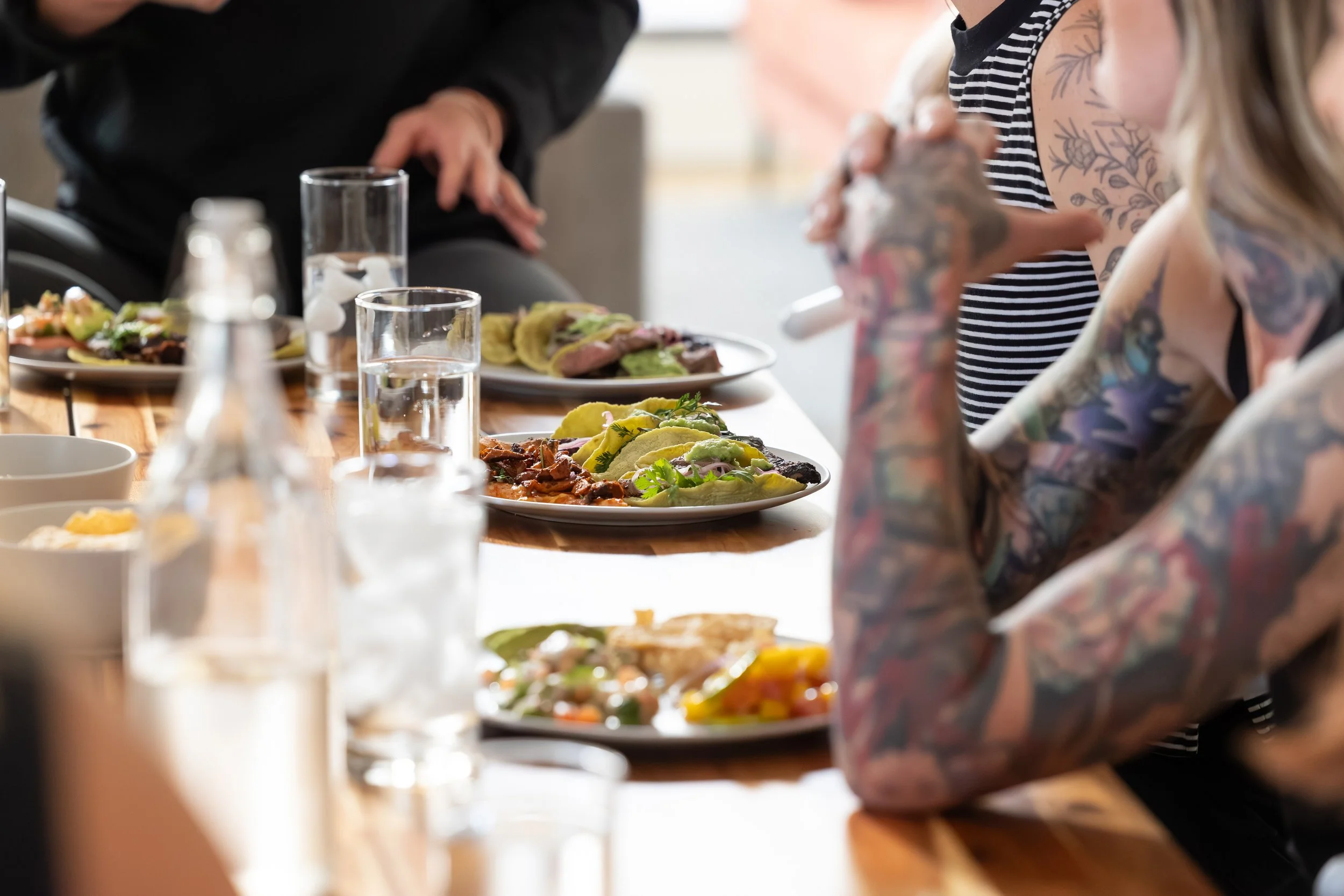
Diet Breaks for Mental Health — Are They Helpful?
Sometimes the most productive thing you can do for your goals is take a break. Intentional diet breaks can support both your mental and physical health, helping you reset your mindset, restore energy, and ultimately make more sustainable progress. Learn when to take one, what it can look like in practice, and why stepping back doesn’t mean losing ground—it means building a better foundation.
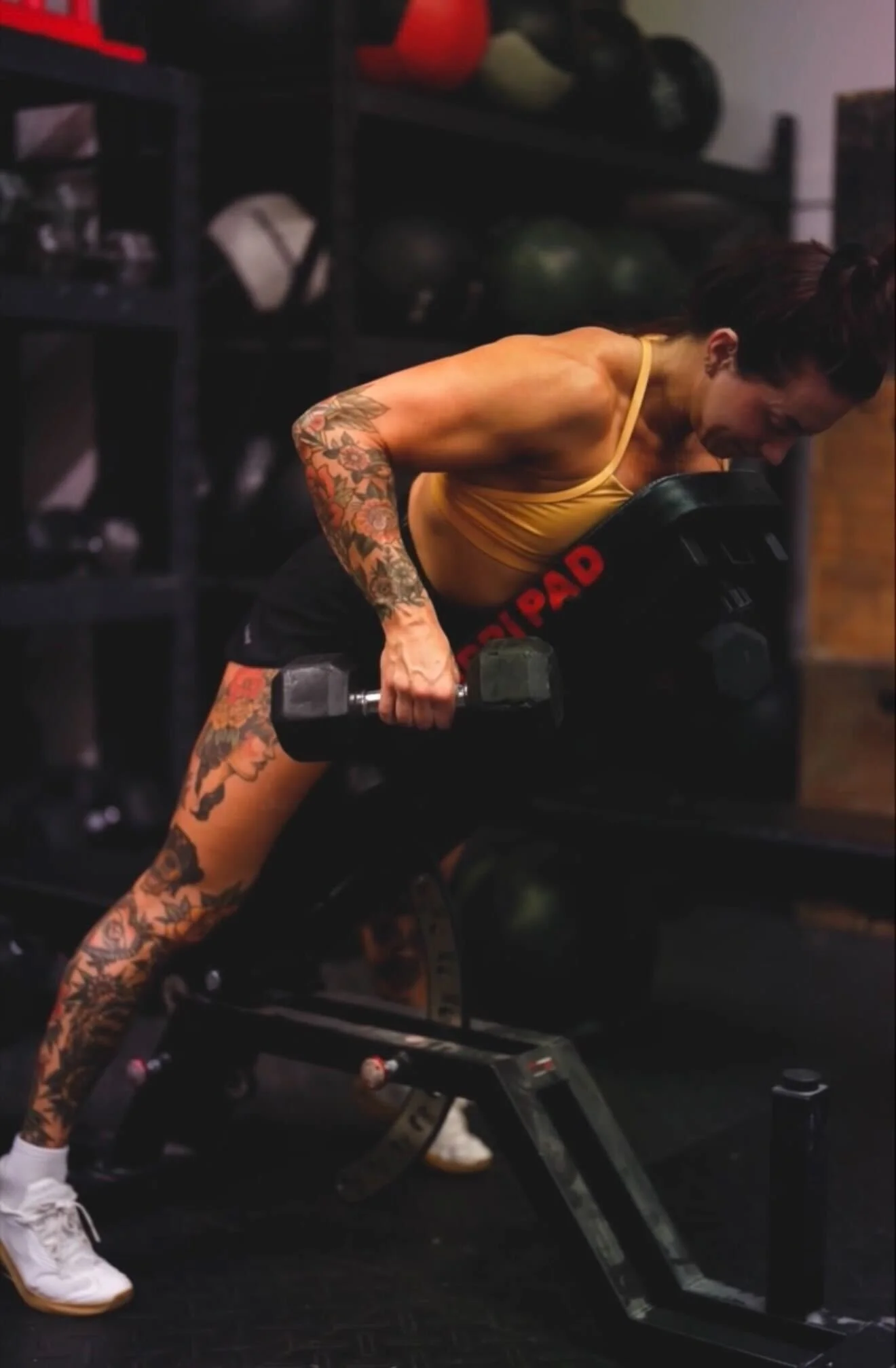
So You Want To Train For Something During The Holidays
Training through the holidays doesn’t have to be chaos or a calorie burn-fest. In this post, we talk about staying consistent when travel, family, and festivities try to derail you. Learn how to plan ahead, flex your routine, and hold boundaries without being that person at dinner. Because December doesn’t have to be a detour from your goals—it can be a test of adaptability.

Fat Isn't the Enemy: How to Choose Healthy Fats
For decades, fat got a bad rap—and we’re still undoing the damage. This post breaks down why your body needs fat, how it fuels endurance, supports hormones, and keeps you satisfied, and how to choose the right sources without falling for the “low-fat” hype. Because fat isn’t the problem—misinformation is.
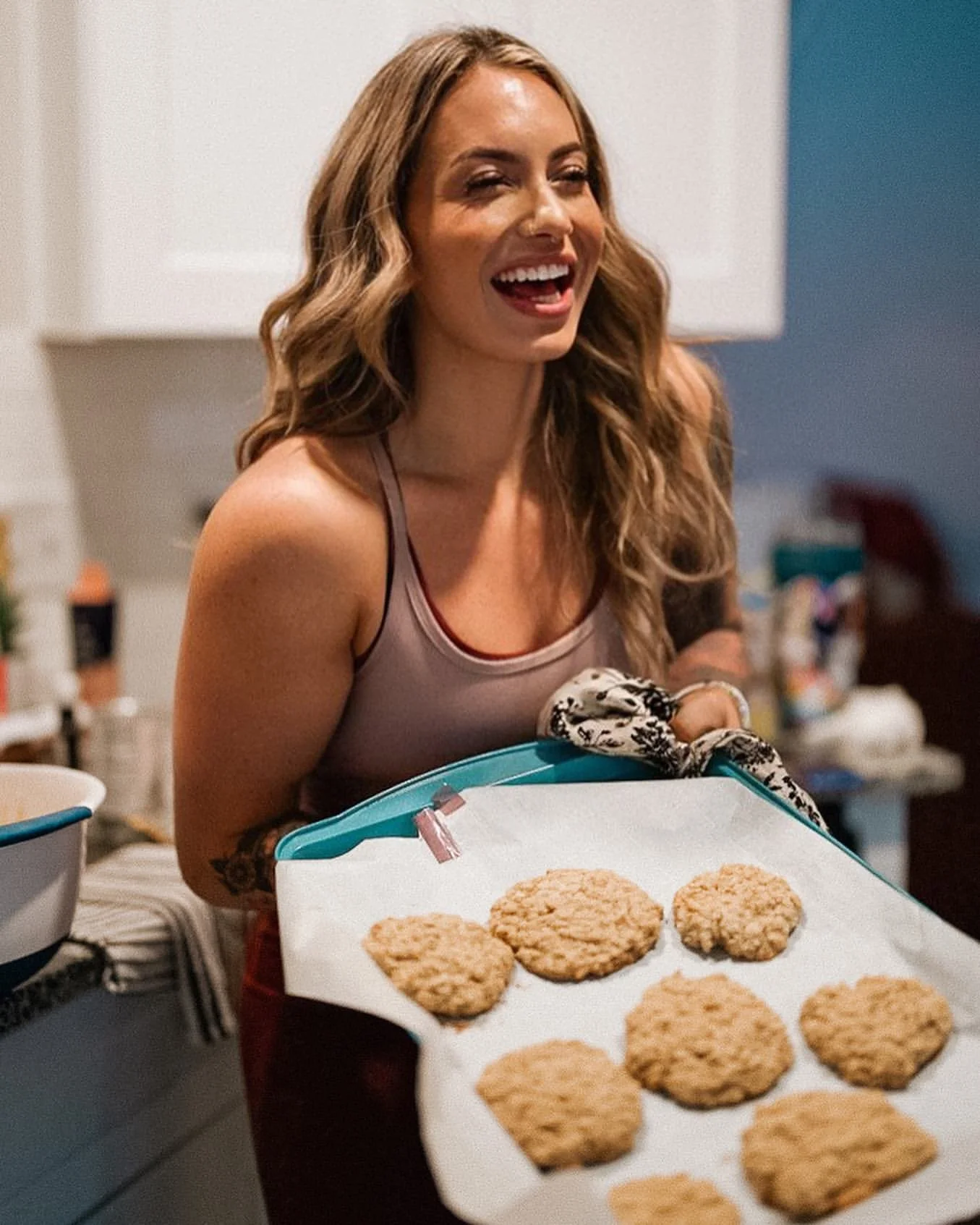
So You Want To Set Some Boundaries This Holiday Season
Setting boundaries during the holidays can feel uncomfortable—but it’s also one of the most powerful things you can do for your physical and mental well-being. In this episode, Manders, Kelly, and Kelsey unpack how to navigate food, family, and social pressure while staying true to your goals. They share real-life examples, practical boundary-setting strategies, and mindset shifts to help you enjoy the season without guilt or burnout.

Understanding Leptin & Ghrelin: Your Hunger Hormones Explained
Your body’s hunger cues aren’t broken. They’re just misunderstood. Here’s what you need to know about leptin, ghrelin, and why no “leptin reset” smoothie is going to solve your appetite.

So You Want To Make Better Choices This Holiday Season
The holiday season is meant to be enjoyed, not endured. Here’s how to stay grounded, healthy, and happy without letting perfectionism or guilt take the wheel.
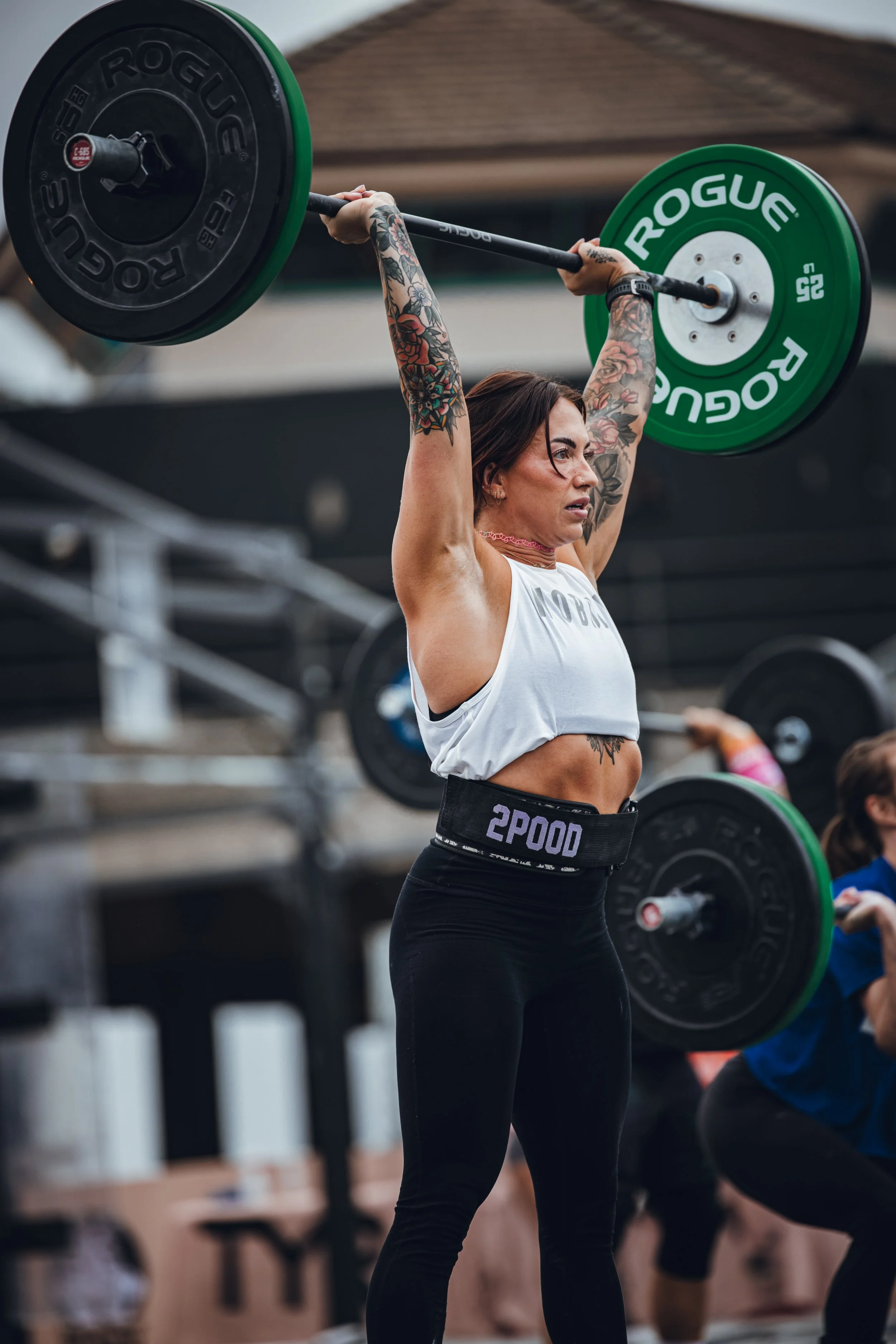
All About Creatine: Benefits Beyond Strength
Creatine is often dismissed as a “gym bro” supplement, but it’s one of the safest, cheapest, and most effective tools for improving performance, recovery, and brain health—no matter your sport or age. The Black Iron team breaks down the myths, the science, and the real-world benefits behind creatine supplementation.

So You Want to Support Your Mental Health Through Menopause
Menopause can take a serious toll on mental health—thanks to shifting hormones, disrupted sleep, and all the life changes that come with it. In this post, we break down what’s really happening behind the mood swings and brain fog, plus how nutrition, movement, and mindset can help you feel more like yourself again.
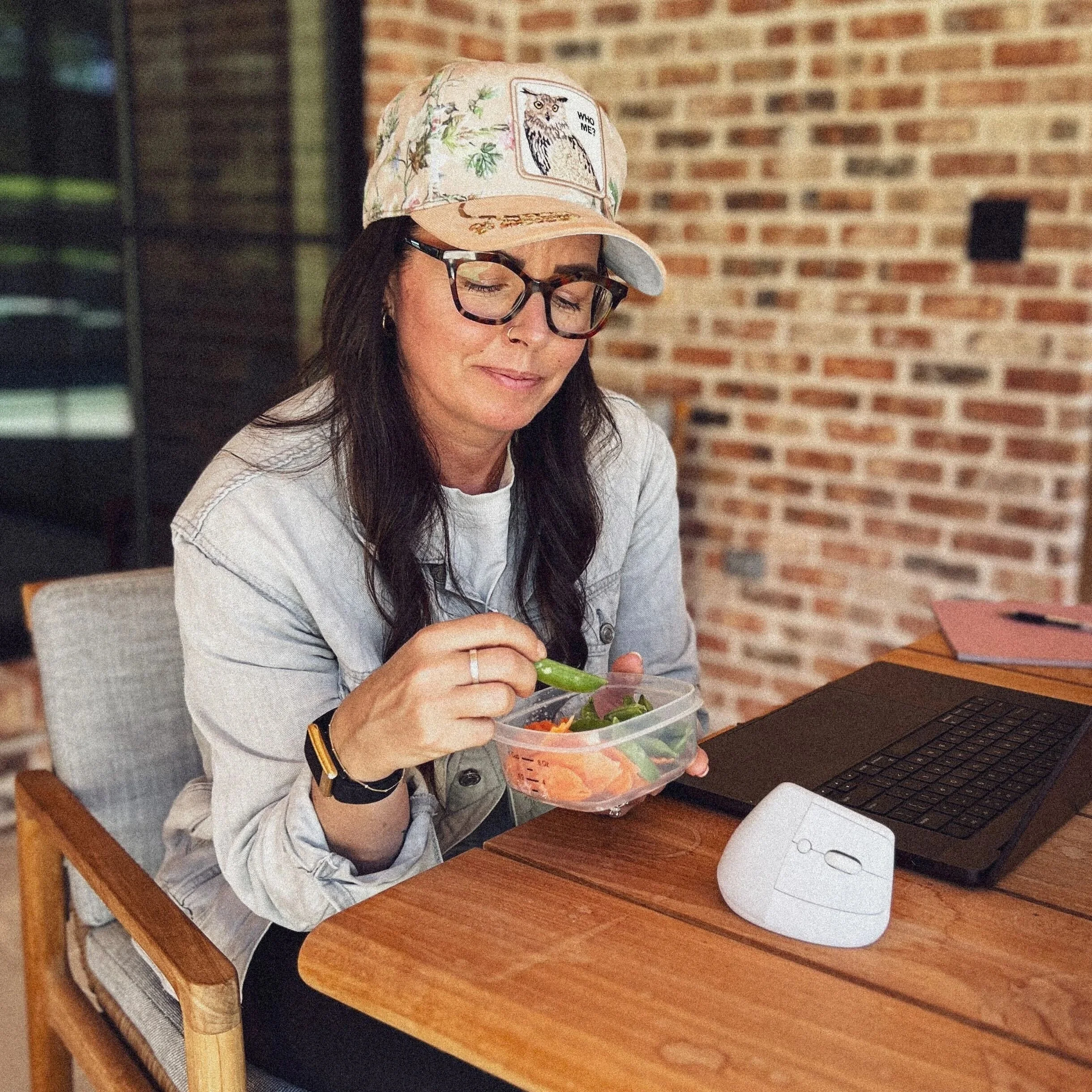
Eating for Brain Health: Nutrition to Support Focus & Memory
Your brain is your most important muscle—so why not feed it like one? In this Black Iron Radio recap, Maggie, Jess, and Joyce talk about how to eat for focus, memory, and long-term brain health. From omega-3s and antioxidants to meal timing and sleep, this episode is your guide to fueling the mind that runs the machine.