
WELCOME TO OUR BLOG
SEARCH FOR AN ARTICLE
How To Read A Nutrition Label Like A Pro
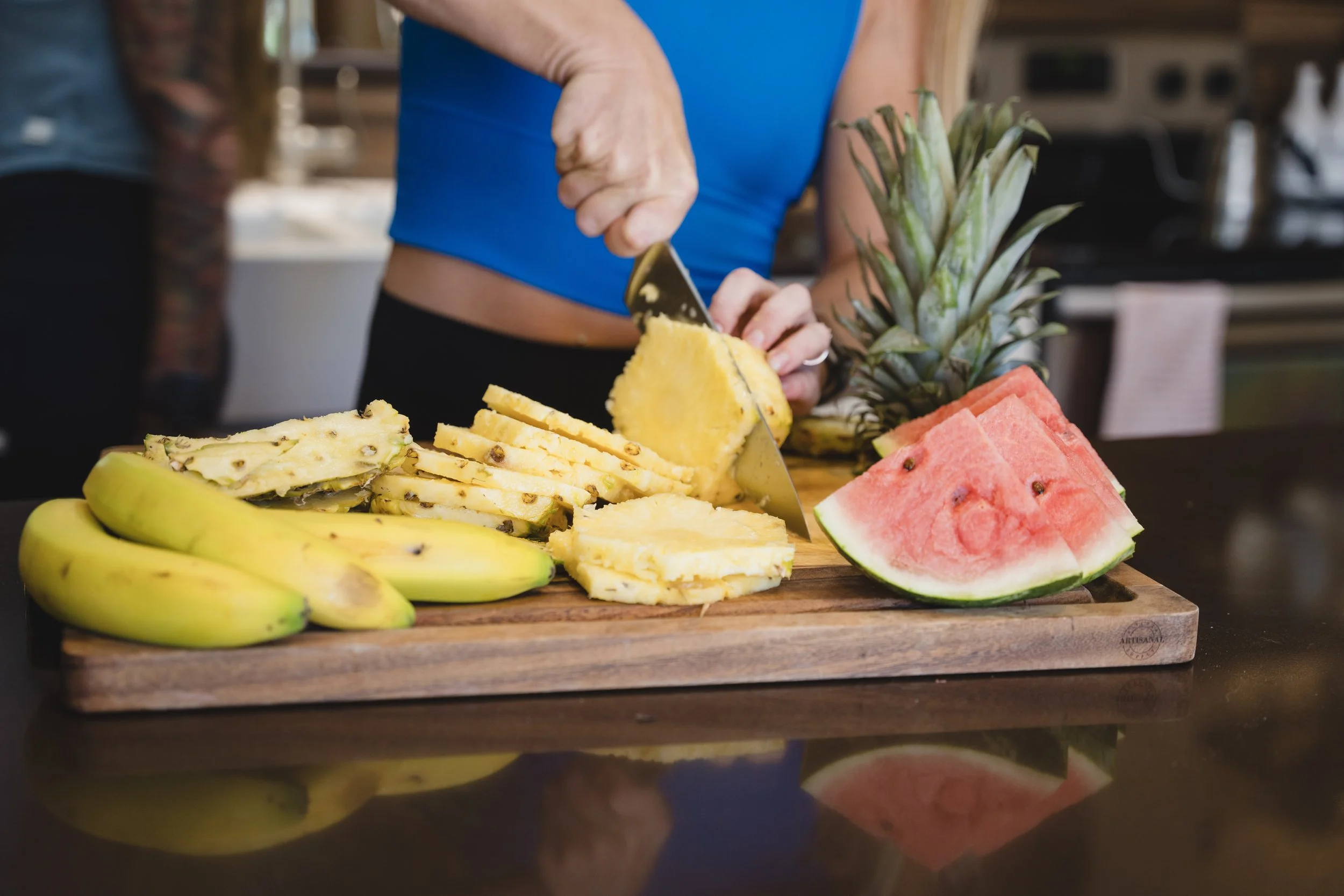
The front of the package is there to sell you the food. The nutrition label is where you find out what you’re actually buying.
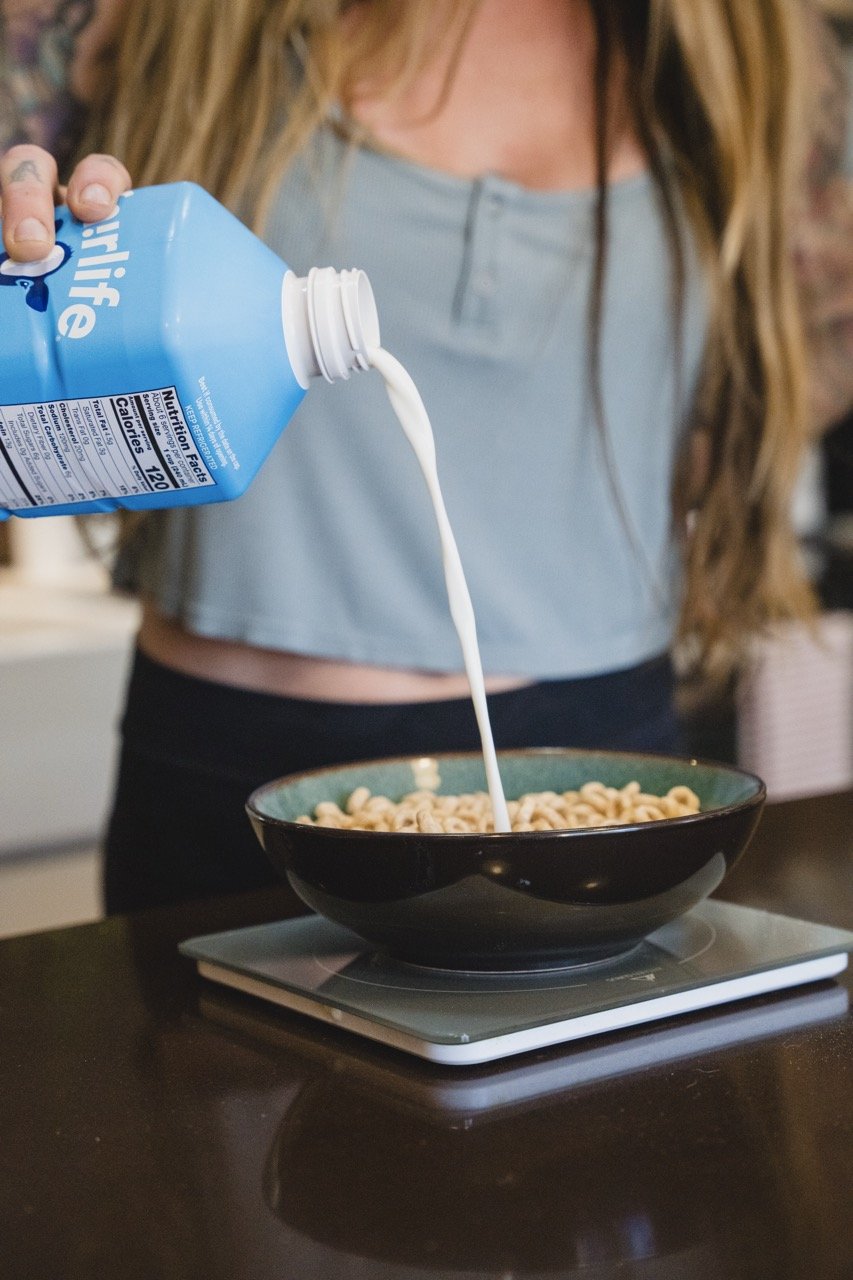
Amanda and Jess Gordon break down how to read a nutrition label, what matters, and what’s just marketing, so you can stop getting fooled by food packaging. They start with serving size, then go through calories and macros, what’s in the carbohydrate section (fiber, sugar, and the net carb confusion), which vitamins and minerals are worth a glance, and what % Daily Value is actually based on. Amanda also shares what she learned from years working in food manufacturing about how much room labels have to be inaccurate.
They also cover ingredient lists, why scary-sounding names are often just vitamins, and which front-of-package claims are only there to raise the price. Plus why you should be label literate, not label obsessed.
How to Fuel Your Workouts: Pre-, Intra-, and Post-Workout Nutrition for Both Strength and Endurance Athletes
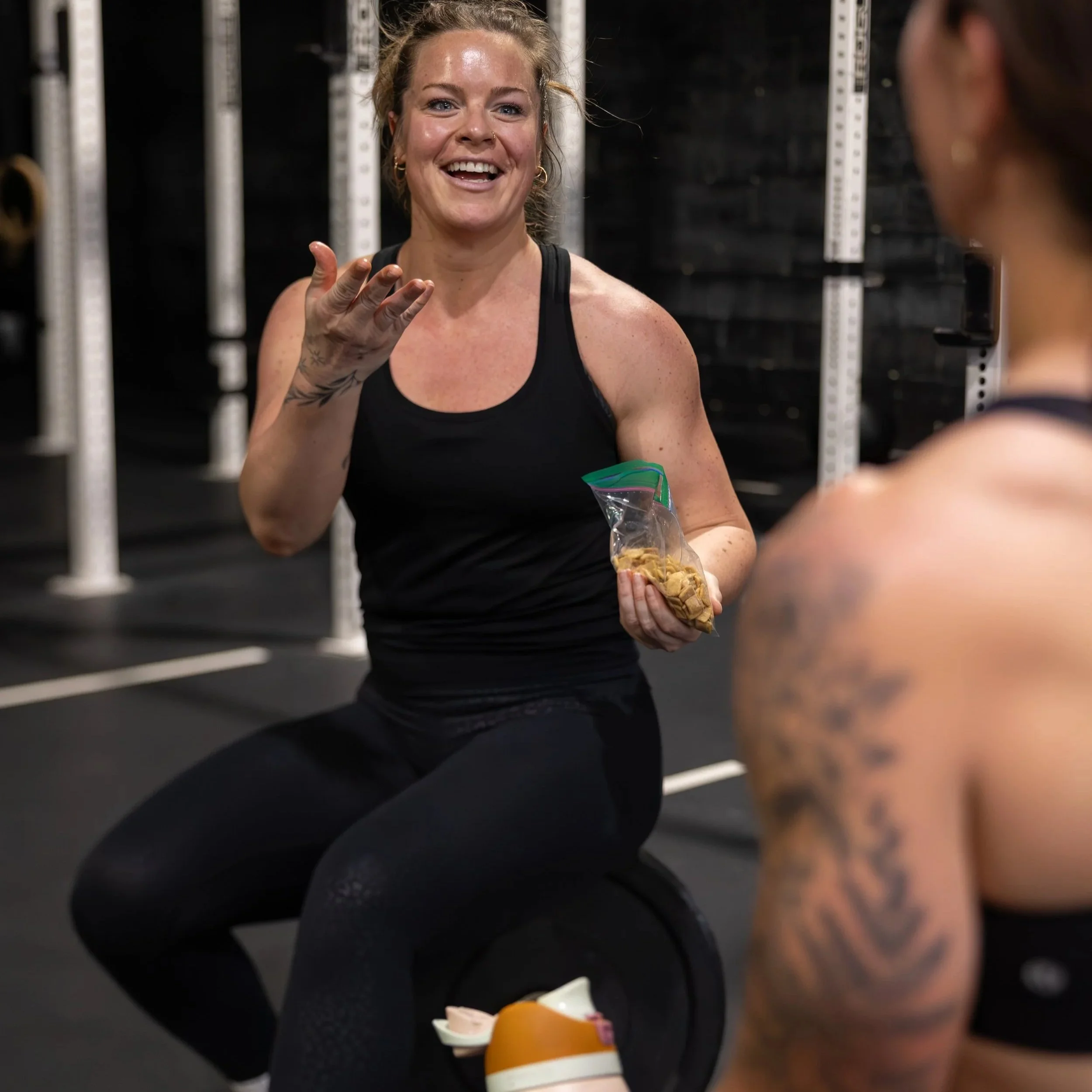
A 60-minute lifting session and a four-hour bike ride put very different demands on your body, so why would you fuel them the same way? We break down pre-, intra-, and post-workout nutrition for strength and endurance athletes, including carb-to-protein ratios, how many grams of carbs per hour you actually need, hydration and sodium, and why the “post-workout window” is really more of a big, open garage door.
Setting Goals for Longevity, Not Just Today
The habits you build for this year's goals are shaping what your body can do at 60, 70, and 80.
Ryann, Joyce, and Rachel get into how to set goals that hold up over decades, not just the next few months. They cover why muscle loss can start in your 30s, what menopause means for muscle and bone, why power matters for the things you'll want to keep doing, and how to build a strength routine you enjoy so you'll keep doing it long-term.
Plus mobility, sleep, stress, how social connection fits into longevity, and why keeping your six-month goal is fine as long as you build it with deep health in mind.
Insulin Resistance, CGM’s, & Blood Sugar Spikes: Breaking Down the Confusion
Somewhere along the way, the internet decided your blood sugar going up after you eat is a problem. It isn't! That's your body doing exactly what it's built to do.
Amanda, Joyce, and Morgan break down the confusion around insulin resistance, continuous glucose monitors, and blood sugar spikes. They get into what's actually normal versus what's genuinely dysfunctional, why two healthy people can eat the same meal and get completely different glucose responses, and why chasing a perfectly flat line is both pointless and sometimes a red flag in itself. They talk through the fear-based content that gets rewarded online, why fruit is not the enemy, why insulin is not the enemy, and what actually matters for metabolic health.
Plus why a flat glucose curve can be hiding a serious problem, why most people wearing a CGM for fun are getting nothing useful out of it, and the genuinely boring stuff that moves the needle: muscle, movement, sleep, and a walk after you eat.
Learning To See Progress Beyond Just Looks
Somewhere along the way, most of us learned to measure our progress by what we see in the mirror. But the mirror leaves out almost everything cool and interesting.
Ryann, Jess Gordon, and Nic get into why looks are so easy to nitpick, where all that pressure comes from, and how to start measuring progress by something other than your reflection. They talk about the moving goalposts of the "ideal" body, how following the wrong social media accounts can rewire how you see yourself, why the people closest to you don't keep you around for your abs, and the affirmations that actually work (hint: it's not the ones you don't believe).
Nic makes the case for neutral-at-worst self-talk, Jess breaks down building your Rolodex of things you like about yourself, and Ryann gets into performance and hobby goals that pull the focus off aesthetics entirely.
Because how you look really is the least interesting thing about you.
Optimization Culture: Why Aiming for Perfect Is Getting in the Way of Your Progress
We're living in a culture obsessed with optimization. The perfect diet, the ideal workout split, the most productive morning routine, the exact right supplement stack, tracking every metric a wearable can give you. The irony is that chasing optimal everything can make it harder to do the basic stuff that actually moves the needle.
Amanda and Brooke get into why your best plan isn't the one that's perfect on paper, it's the one you can repeat in your real life. They talk about the difference between optimal and good enough, why good enough is good enough for most people, the tiers of what actually matters versus what to worry about later, and why the search for the perfect routine is often just procrastination in disguise. Brooke lays out the questions to run anything through before you add it to your plate, and Amanda makes the case for "bore-maxxing"... doing the boring basics on repeat instead of collecting hacks.
Because if your "optimized" life leaves you anxious, exhausted, and scared that you're doing it all wrong, it's not actually optimized!

How to Get Back on Track After a Vacation
You know that feeling where you need a vacation to recover from the vacation? Going grocery shopping and into your normal routine feels like a chore, and one more day of takeout starts to sound pretty reasonable.
Ryann, Sabrina, and Nic get into how to get back to your routine without the two things that make it harder: doing nothing and letting a 5-day trip turn into a 10-day one, OR swinging the other way into full restriction mode because you feel bloated and off. They talk about why you didn't gain 9 pounds of fat in a week, why the scale can wait, the freezer meals and grocery deliveries that make it feel easier, how travel wrecks your digestion and sleep, and the 10-minute rule for getting your first workout in when you'd rather do anything else.
Plus why the best time to plan your re-entry is before you even leave, why your first session back is supposed to feel rough, and Sabrina and Nic settling the great unpacking debate.

Weekend Nutrition Strategies That Actually Work
You're dialed in Monday through Thursday, then Friday hits and it all comes undone.
Ryann, Brooke, and Jess Gordon get into why the weekend trips up almost everyone, and it's usually not willpower. Your weekdays have a built-in rhythm and your weekends don't, so with no plan, one meal out turns into three days of writing it off and a Sunday night promise to start again Monday. They talk about why saving all your calories for dinner backfires, why restricting the foods you love all week just gives them way too much power, and why weekend meal prep should look different than your weekday prep.
Plus the second grocery trip that changes everything, how to handle a full day of kids' sports and birthday parties without stressing about it, why an untracked meal is fine when the rest of your day is solid, and full permission to eat the cake.
Kathy's Story: 400 Pounds to a Decade of Showing Up
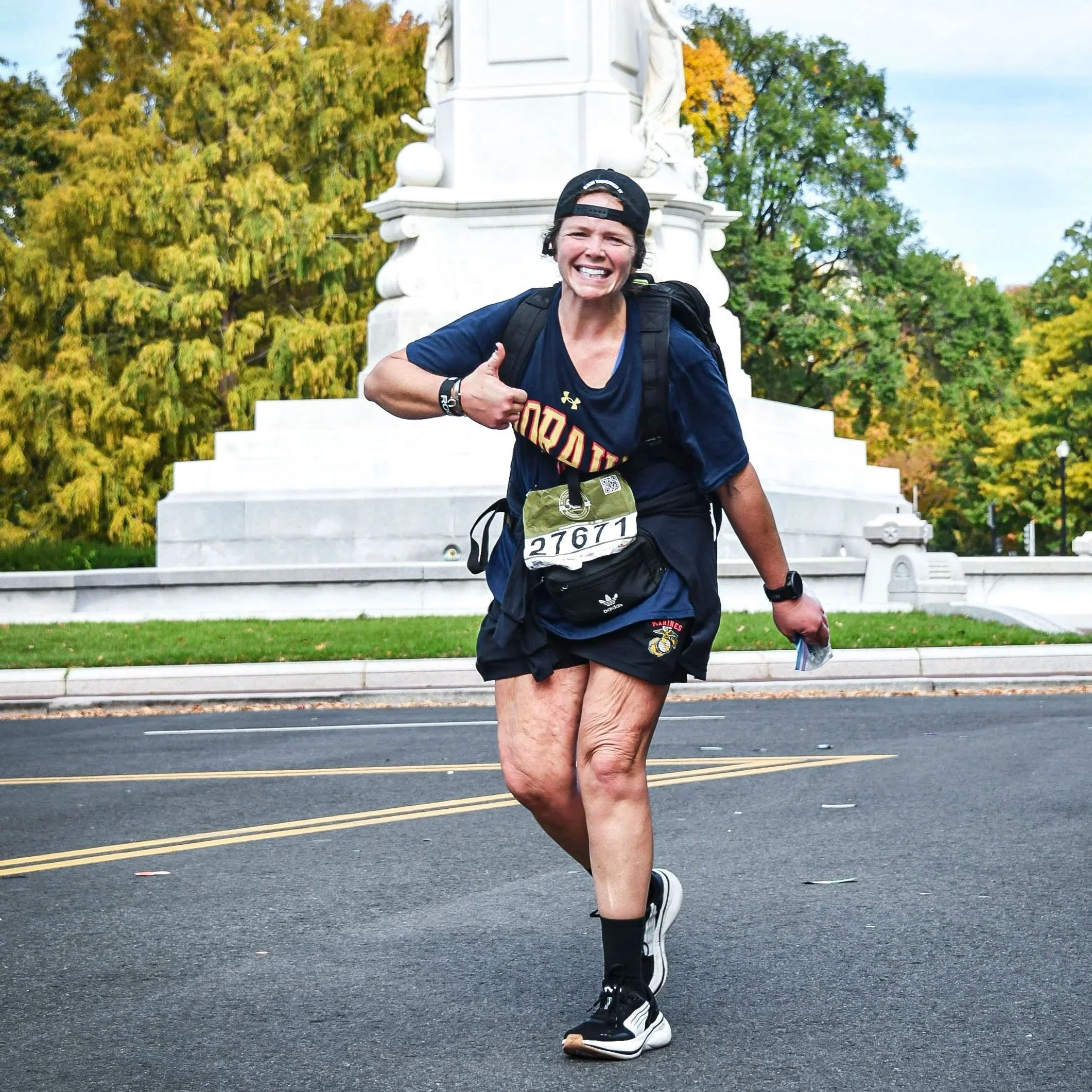
Kathy was close to 400 pounds at 19, but her weight is genuinely the least interesting thing about her, and that's kind of the whole point of this episode.
Morgan and Brooke sit down with Kathy Novak, Brooke's client of many years and a friend for over a decade. Kathy was close to 400 pounds at 19, and what started as a weight loss journey turned into something bigger: years of setbacks, injuries, plateaus, and slow stretches, and a body she learned to value for what it could do instead of how it looked. She gets into the early rush of watching the scale drop, the long stretches where the number stopped mattering, and the line she keeps coming back to through all of it: thankful for the opportunity to keep showing up.
This isn't really a weight loss story. It's a story about what keeps you going once the novelty wears off and life gets in the way.
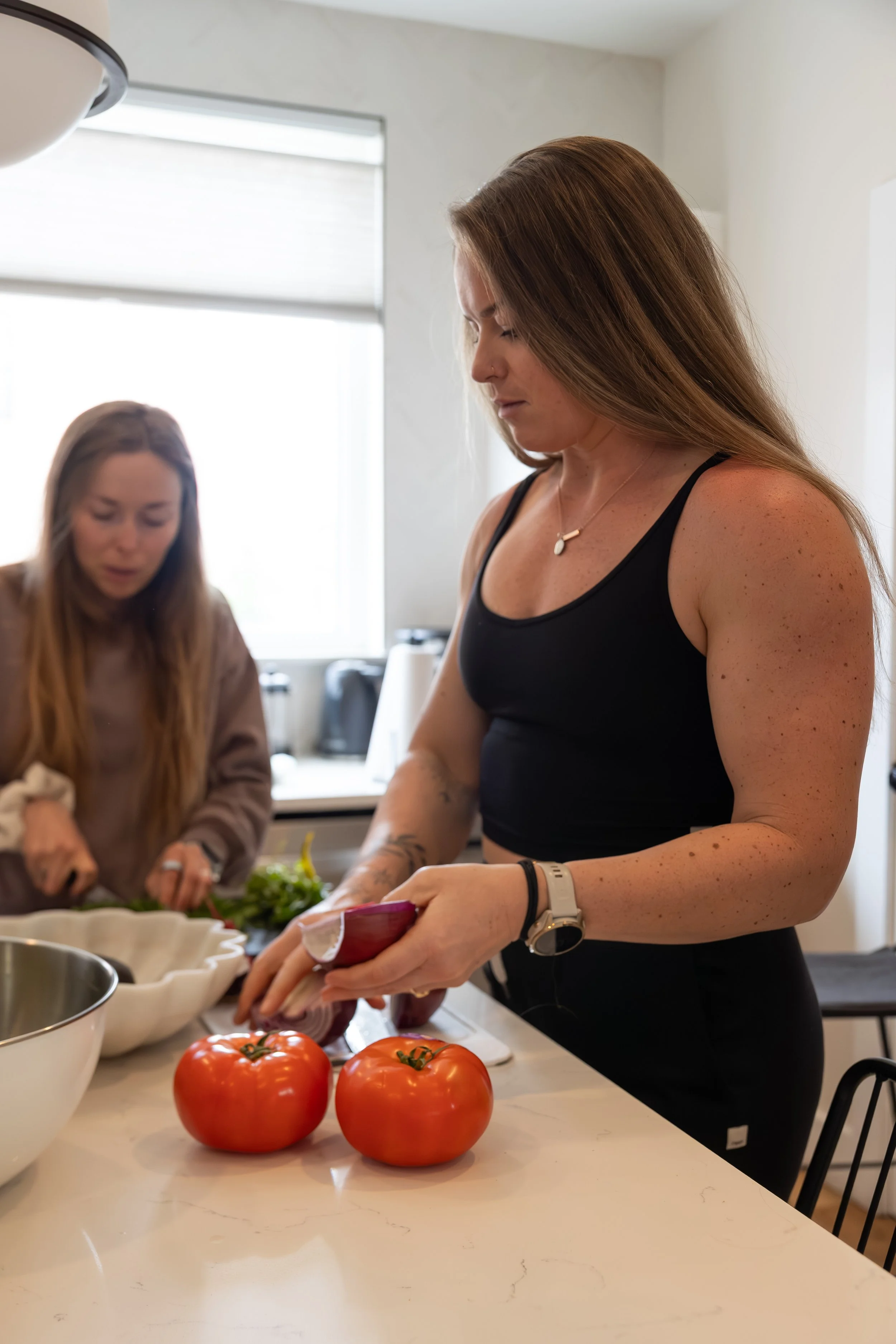
Supporting Health Goals That Aren’t Yours
Watching someone you love struggle with a habit that's hurting them is genuinely hard. The instinct is to fix it, but that's almost never what helps.
Amanda, Joyce, and Jess Gordon get into the psychology of supporting someone else's health goals, especially when that person isn't ready yet. They talk about why "have you heard the good word about protein" tends to backfire, why the people closest to you hear your concern as "I want you to be different," and the difference between someone who's asked for help and someone you're trying to change before they're ready.
Plus why information is almost never the missing piece, why people don't drop a habit until they're getting nothing out of it anymore, the stages of change worth understanding, and the one question to ask yourself before you say anything: am truly I helping them, or just trying to relieve my own discomfort?

Mindful Eating Beyond Buzzwords
Mindful eating got buzzword-ified into something rigid and complicated, which is was never meant to be.
Ryann, Christin, and Sabrina cut through the noise on what mindful eating truly means. It's not chewing every bite for 90 seconds. It's not only eating when you're hungry and stopping the second you feel full. It's learning to use both your internal cues and what you actually know, because your hunger signals aren't always reliable, especially when you're training hard or it's 95 degrees out and your appetite has vanished.
Plus how tracking can actually rebuild your hunger cues instead of overriding them, why routine matters more than waiting to feel hungry, the signs you've waited too long to eat, and why a satisfying meal keeps you out of the pantry 20 minutes later.

Raising Kids Without Food Guilt
You can care about your own nutrition and still raise a kid with a healthy relationship to food. The two aren't in conflict. The language you use is what makes the difference.
Amanda, Christin, and Kelly come at this from three stages of parenthood: hoping to start a family, brand new mom, and mom of a two who now copy everything she does. They talk about how to pursue your own nutrition and performance goals in front of your kids without passing down the food guilt so many of us grew up with. How you talk about what you're doing, not the fact that you're doing it, is what your kids actually absorb.
Plus why kids aren't born with food guilt, why you don't have to hide your habits, how to catch a good habit quietly turning into a restrictive one, and why the energy you bring to food matters as much as the words.
The Great Big Costco Guide
Costco can save your week or leave you with a freezer that won't shut, there's rarely an in-between. On this episode of Black Iron Radio, Krissy, Ryann, Joyce, and Chelsea break down how they actually shop the warehouse: the proteins, carbs, and fats that end up in their carts every time, the stuff that seems like a deal but goes bad before you finish it, and how they keep it all organized once they get home.
They get into shopping for one versus feeding a family of five, the app trick that builds your shopping list for you, why you shouldn't go in hungry, and the bulk buys that aren't worth it.
Grab the 6-page guide that goes with it, broken down by protein, produce, carbs, fats, and pantry staples like sauces, seasonings, and drinks, so you don't have to take notes.
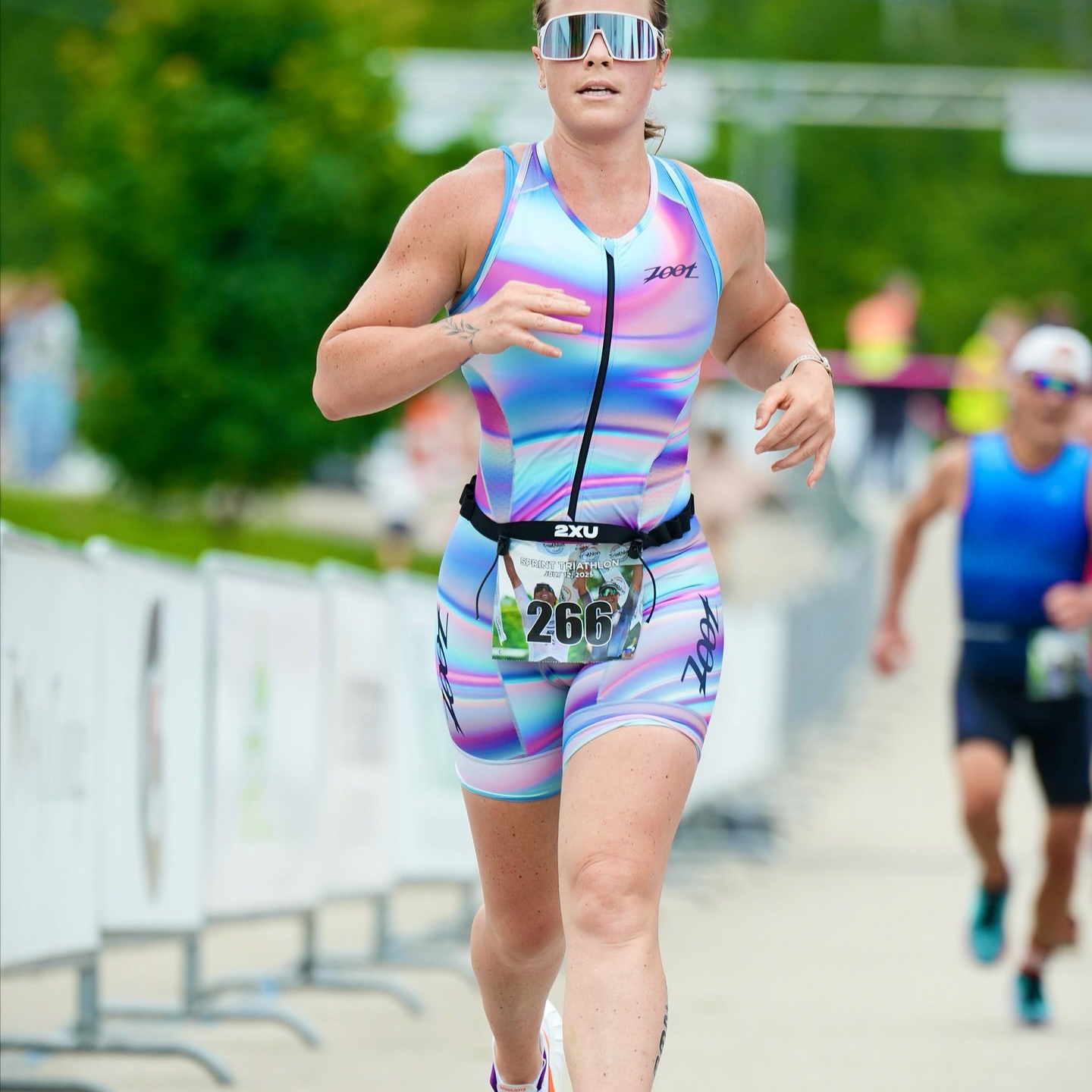
Gut training 101 for endurance athletes
Your gut is trainable. If your event relies on fueling, your ability to take in carbs while you're moving is a performance variable, every bit as real as your fitness, and just like the rest of your body, it adapts to training.
The athletes who fuel the best are usually the athletes who finish the strongest, and that doesn't start on race day. It starts weeks out, in training, on purpose.
The Voice in Your Head: Why Self-Talk Changes Outcomes
You hear your own voice more than anyone else's. Eventually it becomes the environment your brain lives in.
Amanda, Christin, and Jess Saxon get into how the story running in your head shapes your performance, your body image, your confidence, and your ability to build anything that lasts. They talk about why self-criticism gets mistaken for accountability, why the same event can produce two completely different conclusions depending on the narrator, and why the most elite athletes aren't relentlessly positive, they're just objective. They assess, adjust, and move on.
Plus the five-minute rule for processing a bad performance, why "fake it till you make it" is truer in performance than anywhere else, why food choices are data and not a character verdict, and how becoming a parent makes you hear your own inner voice completely differently.
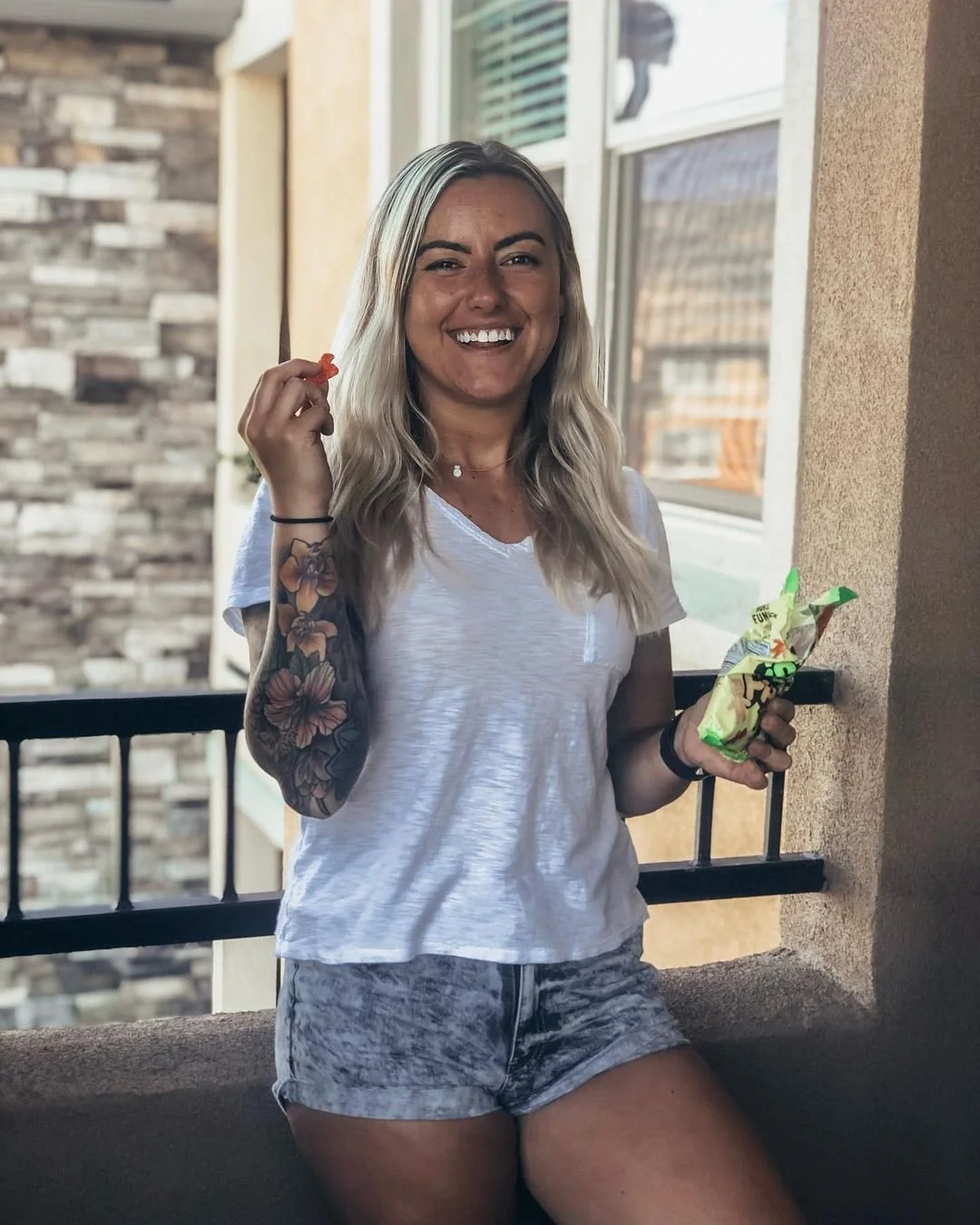
So You Want To Stop Chasing Perfect Nutrition
Perfectionism with nutrition is one of the fastest ways to make sure nothing sticks.
Ryann, Jess Gordon, and Joyce get into where the pressure to be perfect actually comes from, why restriction works about as well as holding a beach ball underwater, and what balanced nutrition looks like when you're a real person with birthday parties, vacations, and a life. They talk about the on track/off track language that signals a spiral is coming, why the story you tell yourself after the Oreo matters more than the Oreo, and how flexibility gets you to your goals faster than rigidity ever will.
Plus a conversation about the fear that being flexible means giving up on your goals, why "I'll do it for 30 days" is usually a red flag, and why you can have Lucky Charms every day and still be exactly on plan.
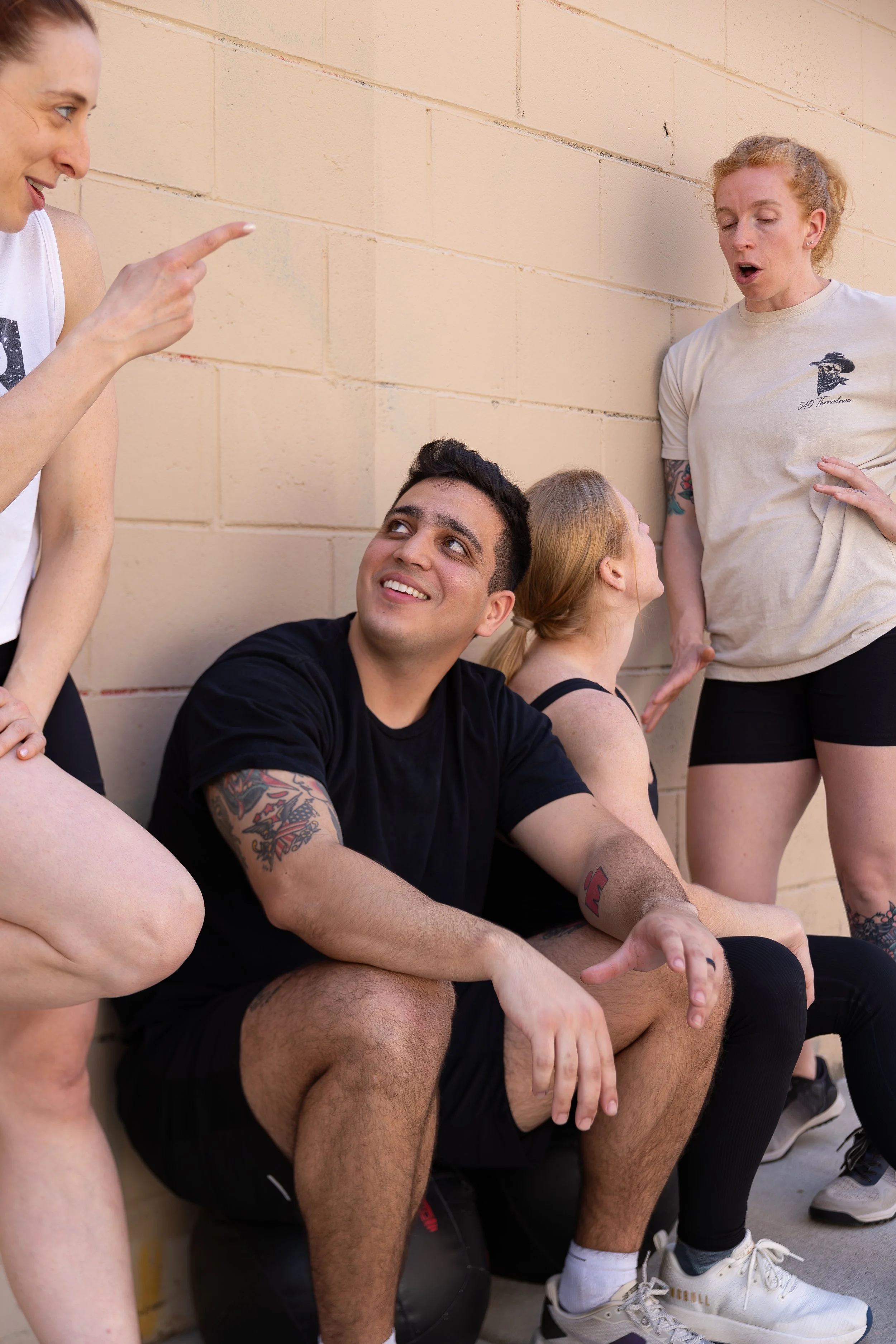
Experience vs. Education: What Makes a Great Coach?
Lots of great coaches have a formal education, lots do not. The point is that a degree isn't necessarily the thing that makes them so good.
Krissy, Dr. Chris, and Ryann come at this from completely different backgrounds. They get into what makes a great coach, why formal education is often overkill for most goals, when you genuinely do need someone with a specialized credential, and the red flags that should make you think twice when looking for a coach.
Plus a conversation about why communication is the entire job, why zero certifications after years in the industry is a warning sign, and why the coach who has lived your specific struggle is sometimes worth more than the one with the fanciest resume.

So You Want To Involve Your Kids in Health Habits
The goal isn't just to raise healthy kids, but to raise adults who can walk into a room full of food choices and trust themselves.
Morgan, Joyce, and Jess Saxon get into how the way you talk about food and movement in front of your kids shapes their relationship with both for the rest of their lives. They talk about the food rules they grew up with, why restriction almost always backfires, how to give kids buy-in instead of just telling them to eat their broccoli, and why working with your kid's temperament beats forcing them into a box.
Plus a real conversation about parent guilt, unlearning the stuff you thought was required, handling the unsolicited advice from grandparents and grocery store strangers, and why nobody knows your kid the way you do.
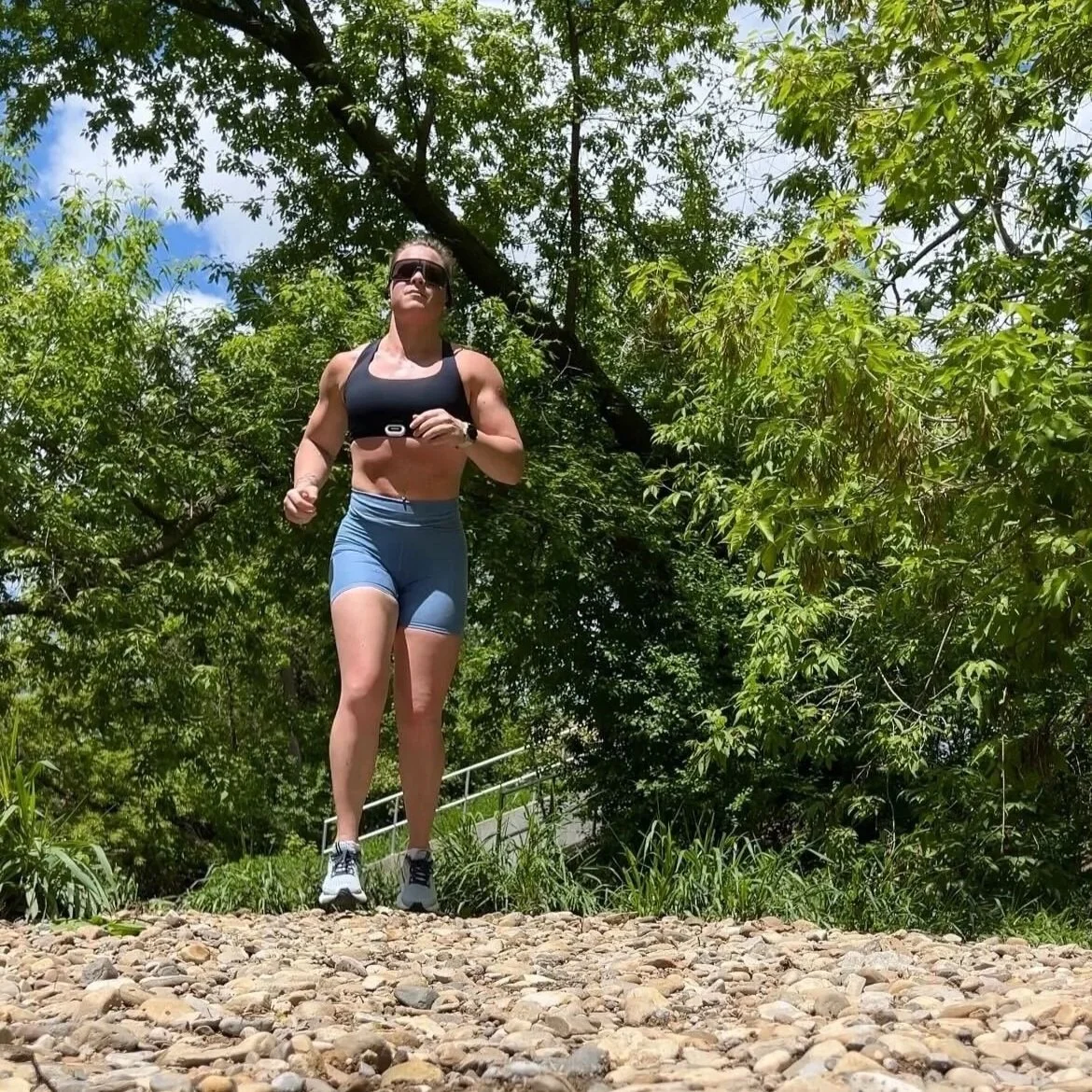
Embracing the Heat: How Summer Training Makes You Faster
If your pace fell off a cliff the second it got hot out, you're not losing fitness. You're adapting!
Amanda, Chelsea, and Dr. Chris break down the summer slowdown, the very real reason your easy runs suddenly feel brutal and your heart rate spikes for no obvious reason. They get into what is actually happening in your body when you train in the heat, why it is diverting resources just to keep you alive, and why pushing through it is one of the most effective things you can do for your fall race season. Plasma volume expansion, improved sweat response, glycogen sparing, and why heat training works a lot like showing up to a lighter planet after training on a heavier one.
Slower in the summer does not mean less fit. It means you are handling a whole extra set of challenges, and building something that pays off when the temperature drops.
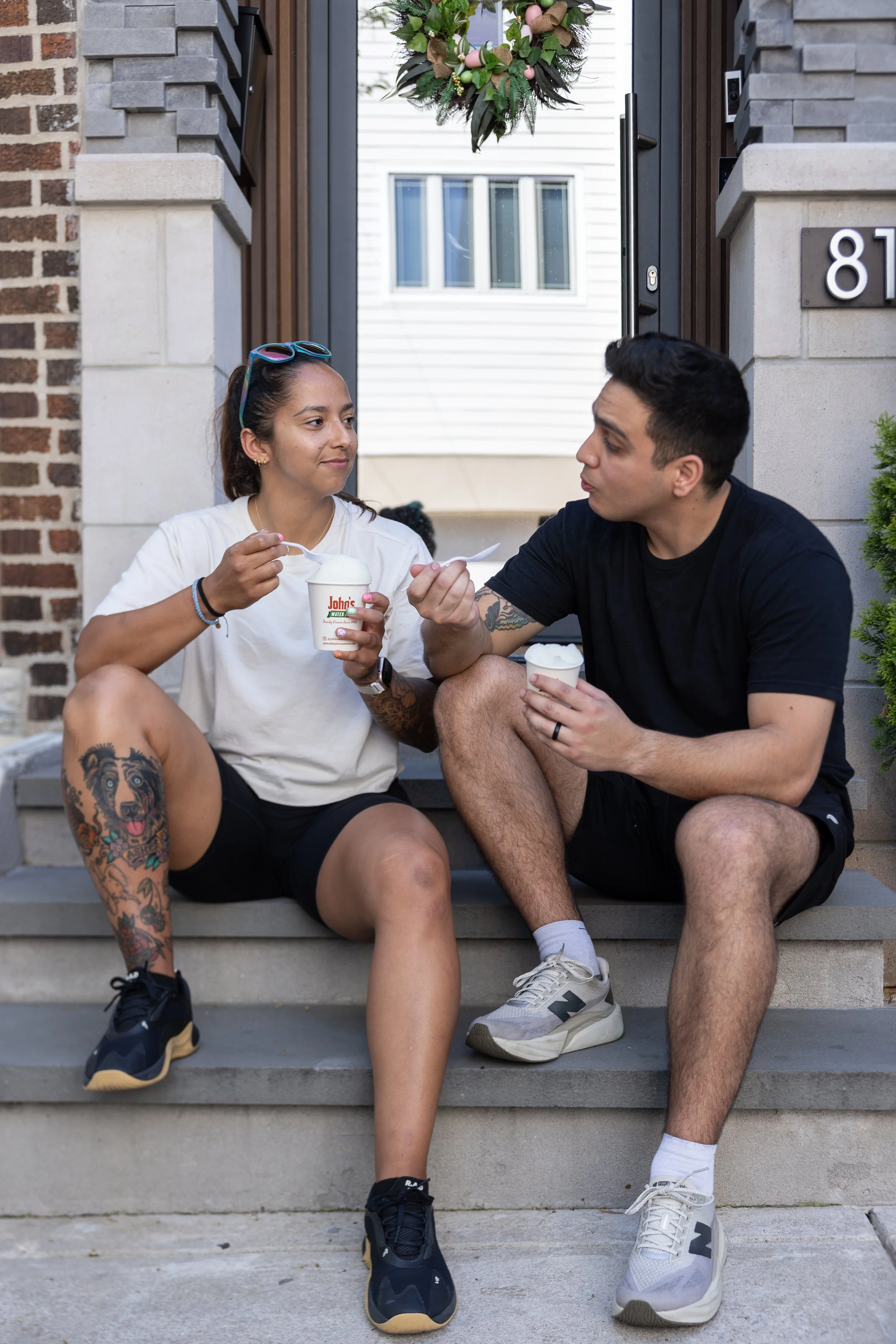
So You Want To Stop Falling for Nutrition and Fitness Misinformation
We have more health information available to us than ever before, and somehow people are more confused than they have ever been.
Amanda, Chris (PhD exercise science), and Jess Gordon get into why nutrition and fitness misinformation spreads so easily, what makes it so believable, and how to build a better filter without getting an advanced degree. They cover why "doing your own research" on PubMed can actually give you a false sense of confidence, why simplicity almost always beats truth online, how fear and urgency get used to sell you things, and the specific red flags that should turn your BS meter on. Blue check marks, letters behind a name, always and never statements, and the toxic ingredient headlines that make everyone clutch their pearls.
Nobody here is telling you to stop learning online. They are just handing you a sharper filter for what you find!