
Healthy Expectations: Aligning Your Goals with Your Effort and Reality
New Year energy is real, and gyms are packed with people ready to tackle their biggest ambitions. But there's often a massive gap between what people want and what they're actually willing and able to do. At Black Iron Nutrition, we're all about setting realistic goals that create sustainable progress, not setting yourself up for disappointment by February. In this post, we're breaking down how to align your expectations with your effort and reality so you can actually achieve those big, scary goals.
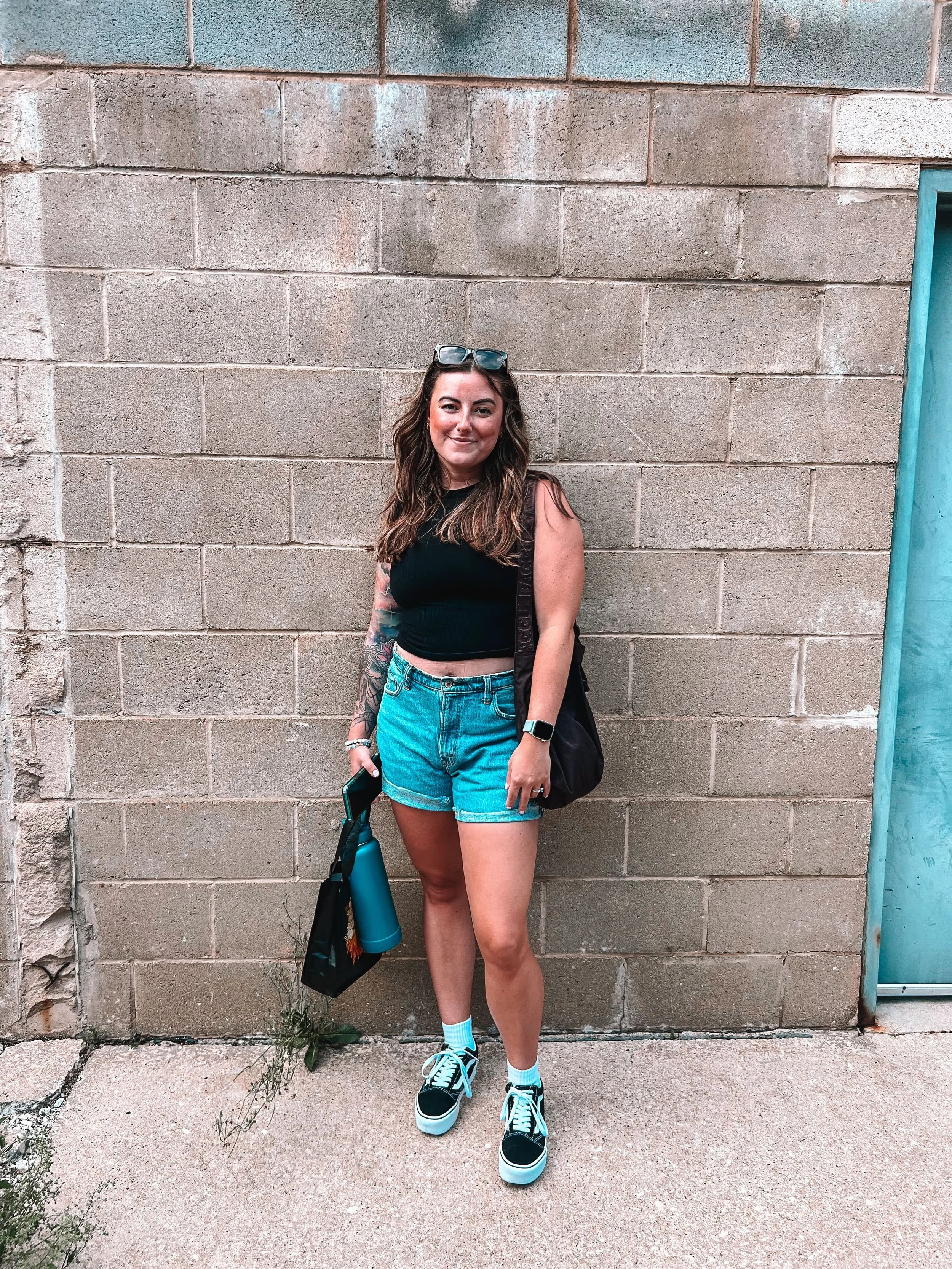
BLACK IRON RADIO EP. 317: Healthy Expectations: Aligning Your Goals with Your Effort and Reality
Setting goals is easy. Aligning those goals with your effort, capacity, and season can be tough.
Ryann, Kelly, and Christin unpack what healthy expectations actually look like in a world obsessed with fast results, challenges, and highlight-reel progress. They dig into why so many goals stall out, how social media distorts reality, and what sustainable progress truly requires.
The discussion covers working backward from big goals, choosing a primary focus instead of chasing everything at once, and recognizing when your current habits or lifestyle don't match what you're aiming for. There's a deep dive into seasons of life, why consistency with the basics beats novelty every time, and how non-scale progress often tells a more honest story than aesthetics alone.
They also explore the role of support systems, coaching, and community, and why meaningful progress is rarely a solo effort. If you've ever felt like you're "doing everything right" but not seeing results, or like your goals keep resetting every few months, this is a grounded reminder that progress is built through alignment, not intensity.
📲 Listen & Subscribe: Apple Podcasts | Spotify
New Year energy is real. The gyms are packed, goal boards are filling up, and everyone's ready to tackle their biggest ambitions. But here's the thing: there's often a massive gap between what people want and what they're actually willing and able to do. At Black Iron Nutrition, we're all about setting realistic goals that create sustainable progress, not setting yourself up for disappointment by February.
The Problem with Goal Setting (and How to Fix It)
Walk into any gym in January and you'll see the goal board covered in ambitious declarations. Someone who's never done CrossFit wants to make it to the Games this year. Another person wants to run their first marathon in three months despite never running a 5K. These goals aren't bad, they're just missing something crucial: a realistic plan to get there.
The people who've made it to the CrossFit Games? They're a different animal. They've put in years of consistent work, made countless sacrifices, and built their entire lifestyle around that goal. That doesn't mean you can't get there someday, but maybe not this year if you're just starting out.
Here's what we tell our clients: your goal should make you uncomfortable, but it should also be attainable. There's a sweet spot between "easy enough that I won't quit" and "challenging enough that I'll actually grow."
Why Social Media is Messing with Your Goals
Social media loves to show you the highlight reel. Eight week transformations. Before and after photos. Dramatic results that seem to happen overnight.
But here's what they're not showing you: Did it actually take them eight weeks, or is that just when they decided to post about it? Is the photo edited? Is that person now stuck in an endless cycle of crash diets just to maintain those results? And most importantly, is any of this sustainable or healthy?
Progress is so much slower than what we see online. Many people are jealous of what you have, but they're not jealous of what it took to get there. When you're setting goals, you need to recognize that what you have going on in your life may look completely different than someone else who's already reached those goals.
Think about it like this: if you tried to replicate an elite athlete's training schedule right now, could you actually do it? Your 24 hours might be filled with a full-time job, kids, aging parents, or multiple responsibilities that elite athlete doesn't have. And that's okay. Your goals can and should shift based on your current season of life.
How to Actually Set Goals That Work
When clients come to us with a goal, we start with some basic questions to figure out the baseline. Do you want to lose fat? Build muscle? Run your first race? Start doing CrossFit? Getting specific helps you tackle the goal head-on instead of spinning your wheels.
Here's our process:
Work backwards from your goal. If you're getting married in August and want to feel your best, we don't just say "great, let's start cutting calories today." We look at the calendar and map out realistic phases. Maybe we start a fat loss phase at a certain point, move into maintenance, then do one more focused phase before the wedding. This gives you multiple mini-goals along the way instead of one massive, overwhelming target.
Audit your actual day. We have clients write out everything they do in a 24-hour period. And no, we don't buy into the "everyone has the same 24 hours" nonsense. A single person working one job has a vastly different day than a parent juggling two jobs and taking care of elderly parents. Once you see what your day actually looks like, you can figure out what changes are realistic and what you need to let go of.
Start with the basics before you get fancy. If you're not already doing the basics, you shouldn't be jumping into something like 75 Hard. Sure, you can try it, but piling on nine different daily habits when you're not consistently doing even three is just setting yourself up to feel like a failure by week two.
Your goal right now might be as simple as 30 minutes of movement most days. That's not sexy, especially in January when everyone's posting about their intense challenges. But if you're not currently moving your body regularly, that's exactly where you need to start.
The "Good, Better, Best" Approach
All effort is good effort. The question is: depending on what your goal is, is that effort enough?
Think of it this way: you're always going to get better at doing what you're doing more of. If you're choosing between a three-day-a-week gym membership and a five-day one, we're going to ask what you're doing those other days. Because if you're picking three days at the gym and spending the other four completely sedentary on your couch, your body is going to get really good at resting. That's just how it works. This doesn't mean you need to be at the gym five days a week. It means on those non-gym days, are you going for walks? Playing with your kids? Doing yard work? Any kind of movement counts.
Start where you are. What are you doing well? How can we build on that to get better?
If your goal is to gain strength and you're currently going to the gym twice a week, can you commit to three times this month while following a progressive overload plan? Then maybe next month you go four times. You don't have to PR every time you walk into the gym or run 10 miles every time you lace up your shoes. You just have to make conscious choices that move you closer to your goal, even if it's just half a step at a time.
When Life Gets in the Way (Spoiler: It Always Does)
Here's the truth: behind every mountain is another mountain. There's never going to be a perfect time to start working toward your goals. After the holidays, after the birthday, after summer, after the vacation. It's always "after" something.
That said, there are definitely better times than others to take on certain goals. Starting an intense fat loss phase right before a once-in-a-lifetime vacation? Not impossible, but definitely not what we'd recommend. We want you to celebrate and enjoy those moments, not spend them stressed about tracking every bite.
Look at your calendar and be really honest with yourself. If someone told you that you could train for an Ironman right now, would you actually have the time to do it the way you'd want to? Or would you be constantly stressed, cutting corners, and resenting the process?
This doesn't mean you should be "realistic" in a way that keeps you playing small. We're not trying to kill your dreams here. But maybe right now isn't the time for the full Ironman. Maybe it's a half Ironman, or a half marathon, or another stepping stone goal that still challenges you without completely overwhelming your life.
Your season will shift. Whether you're taking care of kids, caring for aging parents, juggling school, or working multiple jobs, your capacity will change over time. The goal is to set something that won't feel like a failure when life inevitably throws you a curveball.
The Power of Your Support System
Going after a goal alone? Sure, you can do it. But it's a lot more enjoyable and honestly more achievable when you have people on your team.
This could be family, friends, a coach, or a training partner. When you're working toward something challenging, having people who see your progress, celebrate your wins, and support you through the hard times makes all the difference. As nutrition coaches, we get genuinely pumped when our clients show up week after week. We get emotional watching them achieve things they never thought possible. We're not just checking off boxes on a form; we're invested in your journey.
And here's something beautiful: if you're usually the person on the sidelines cheering everyone else on, when those roles finally reverse, the people you've supported are going to be even more excited for you than they were for themselves. That payoff, that connection, is incredibly fulfilling.
You don't need a huge support system. Even one or two people who truly have your back can be enough. But don't try to do it completely alone, especially for those big, scary goals.
What About Work and Other Life Stuff?
Sometimes your work schedule just isn't conducive to hitting a big goal. For example, if you're an accountant during tax season, you're probably not going to be focused on anything crazy. That's when we shift to maintenance phases and focus on simply taking care of yourself.
And you know what? That is a goal on its own. Just because you're not working toward a medal or seeing dramatic progress doesn't mean you're not making progress. Simply taking care of yourself, showing up consistently, and maintaining what you've built is something that should be celebrated.
Red Flags That Your Expectations Are Off
Here are some signs that your expectations might not be aligned with your actual effort or reality:
You feel like you're doing everything right but nothing is working. This is where having a coach really helps. Your check-ins are reflections of your week, and sometimes there are patterns you're not seeing. Maybe your weekends have an all-or-nothing attitude. Maybe you're not sleeping enough. Maybe you're comparing your week two to someone else's week 52.
You want to give up after just a couple weeks. Real progress takes time. If you're ready to throw in the towel because you haven't seen dramatic results in 14 days, your expectations need a serious reality check.
You're comparing your results to someone else's. Their body, their life, their starting point, and their circumstances are all different from yours. This comparison game will only make you miserable.
You have too many goals and no clear direction. If you want to lose fat AND build muscle AND run a marathon AND start a business all at the same time, you're going to spread yourself too thin and probably achieve none of them well.
When You Have Multiple Goals
Having multiple goals is great. We're never going to tell you not to dream big. But you need to choose one that's most important to you right now, especially when it comes to body composition goals.
Here's the reality: the only people who typically lose weight and gain muscle at the same time are overweight individuals who've never worked out before. For everyone else, you need to choose. Do you want to focus on fat loss first? Or muscle building? Or maybe just getting consistent with tracking before you worry about either?
It's also really helpful to use visualization practices. Imagine your perfect life five years from now. Every piece of it. Where are you living? Who are you with? What are you wearing? What are you doing each morning? If you can give us that three-minute vision with all the details, we can pull a goal out of it. Then we'll backwards design a plan to get you there.
Write down that vision. Every detail. When you get frazzled or lose direction (and you will, because we're all emotional humans), go back and reread it. Let it remind you why you started.
Don't Forget Non-Scale Victories
When you're hyper-focused on the big goal, it's easy to miss all the other progress you're making. Is your energy better? Are you sleeping more soundly? Do you have less stress around food? Can you play with your kids without getting winded? Do your clothes fit differently?
These non-scale victories matter just as much as the number on the scale or your race time or the weight on the bar. Sometimes they matter more, because they're the things that actually improve your quality of life day to day.
For the Person on the Sidelines
If you're someone who's always watching others accomplish cool things while you stay on the sidelines, listen up: you have this ability inside you too. Every single person who's done something impressive started from a place of not knowing if they could do it. They just committed and put one foot in front of the other.
You don't need to be special or different or more talented. You just need to start. Sign up for that 5K. Join that gym. Hire that coach. Walk through the door. The potential is already inside you, just waiting to be unlocked.
The Bottom Line
Your progress reflects your effort, habits, and current season of life. Be realistic with yourself and set yourself up for success, but also don't be afraid to shoot for the stars and go for something that genuinely scares you.
Not every season is meant to be a "crush big goals" season. Sometimes maintenance is the win. Sometimes just showing up consistently is the goal. And that's perfectly okay.
But if you do have a big goal in mind, here's our advice: choose something that challenges you without burning you out. Map out a realistic timeline. Build in smaller wins along the way. Find your people. And if your goal is purely aesthetic, try to add something else that's about what your body can do, not just how it looks.
Because at the end of the day, accomplishing something that once felt impossible will make you feel more alive than any number on a scale ever could.
🎙️ WANT MORE? SUBSCRIBE TO BLACK IRON RADIO!
If you enjoyed this conversation, check out more episodes of Black Iron Radio, where we cut through the noise and give you real, no-BS advice on feeling, performing, and looking your best. Each week we share practical nutrition, training, and wellness strategies and tips to help you succeed.
📲 Listen & Subscribe: Apple Podcasts | Spotify
