
Using GLP-1s? Nutrition Still Determines the Outcome
If you're taking or considering a GLP-1 medication like Ozempic, Wegovy, or Mounjaro for weight loss, working with a nutrition coach can be the difference between short-term results and long-term success. While these medications are powerful tools for appetite suppression and weight loss, they come with challenges—especially around under-eating, muscle loss, and building sustainable habits. We're breaking down why nutrition coaching is critical when using GLP-1s, how to avoid common pitfalls like rapid muscle loss and nutrient deficiencies, and what you need to know about maintaining your progress after you stop taking the medication. Whether you're already on a GLP-1 or just exploring your options, this guide will help you navigate your journey with expert support.
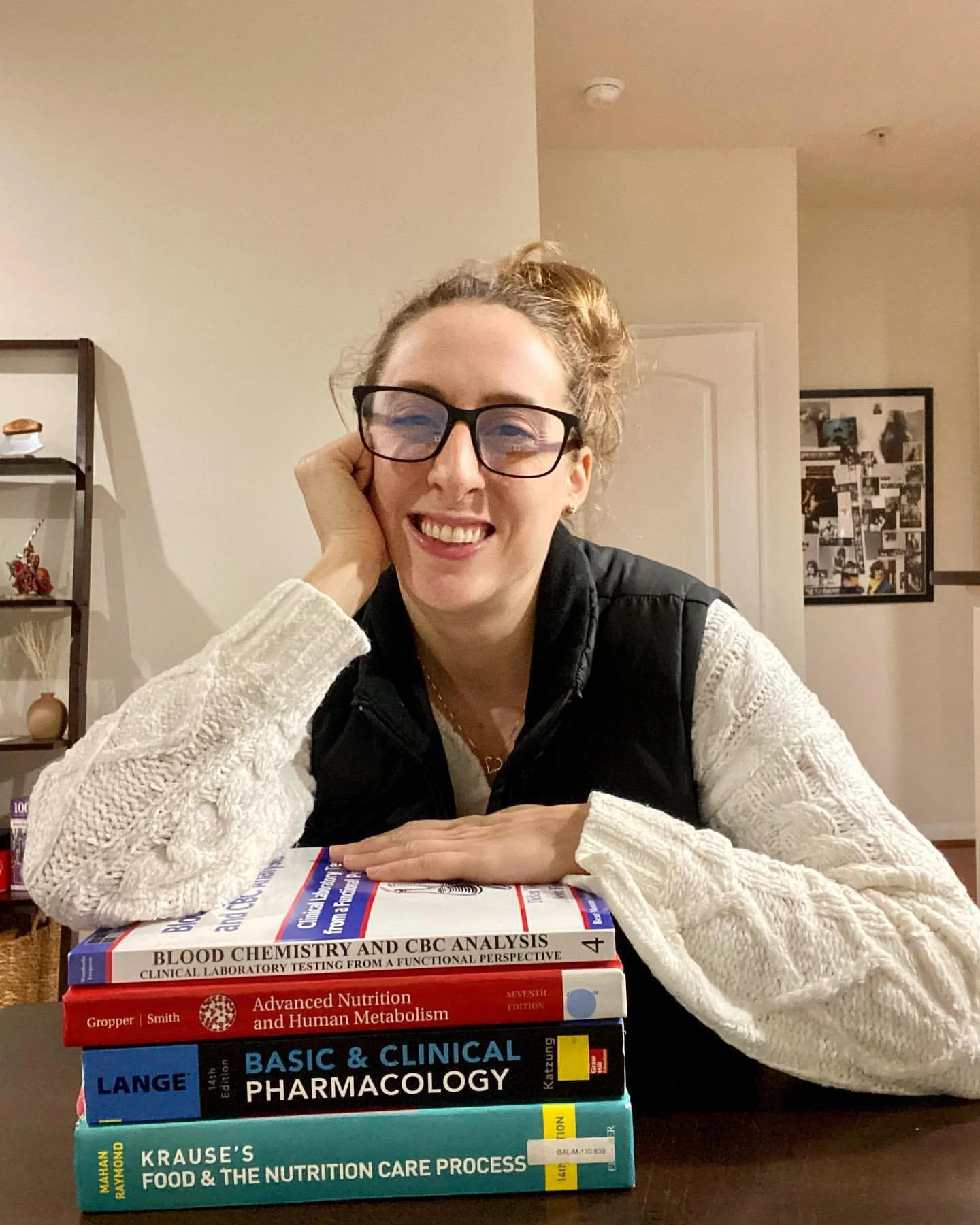
BLACK IRON RADIO EP. 309: Using GLP-1s? Nutrition Still Determines the Outcome
GLP-1 medications are everywhere, and so is misinformation. Lauren (CNS/LDN), Sam (RD), and Maggie unpack what matters most when using GLP-1s for weight loss. Appetite suppression changes nutrition needs, and under-eating is one of the most common risks seen in practice. Protein intake, resistance training, and adequate overall intake play a critical role in preserving muscle and supporting metabolic health.
The conversation addresses common questions around plateaus, side effects, body composition changes, and what truly influences weight regain after stopping medication. For anyone using a GLP-1 or considering one, the focus is on clarity, intention, and building outcomes that hold up long term.
GLP-1s can be a powerful tool. Nutrition strategy determines the outcome.
📲 Listen & Subscribe: Apple Podcasts | Spotify
If you're taking or considering a GLP-1 medication like Ozempic, Wegovy, or Mounjaro for weight loss, working with a nutrition coach can be the difference between short-term results and long-term, sustainable success. While these medications are powerful tools, they come with challenges that are much easier to navigate with expert support.
We've worked with many clients who are on GLP-1s, and we're here to partner with you—not judge you. Our goal is to help you understand your nutritional needs, avoid under-fueling, and make sure you're getting the most out of your journey. Let's dive into why nutrition coaching is so critical when using these medications.
What GLP-1s Actually Do
GLP-1 medications mimic the actions of glucagon-like peptide-1, something our bodies naturally produce. These medications work by suppressing gastric emptying (slowing digestion), controlling blood sugar, and significantly reducing appetite. Many people also experience reduced "food noise"—that constant thinking about food that can be exhausting.
For a deeper dive into what GLP-1s are and how they work, check out our previous blog post, Let's Talk GLP-1s, from March.
The Risks of Taking GLP-1s Without Coaching Support
While GLP-1s can be effective, they come with challenges—especially when navigating them alone. Here are the main concerns:
Under-Eating Due to Suppressed Appetite
This is perhaps the biggest challenge. The mechanism behind GLP-1 weight loss is that appetite becomes so reduced that people naturally eat much less, creating a significant calorie deficit. But here's the problem: when you're not hungry at all, it's incredibly easy to accidentally drop down to 500-800 calories a day.
Sure, the weight will fall off—but not the weight you want to lose. When we lose weight too rapidly, we lose significant muscle mass along with fat. And for most people, when they envision their goal weight, they're picturing themselves with strong, defined muscles—not just a smaller version of their current body composition.
Body composition plays a huge role not just in how we look, but in our overall health, strength, longevity, and satisfaction with our results.
The Protein and Fiber Struggle
Protein is already challenging for many people to eat enough of, and it becomes increasingly difficult when you have little to no appetite. But protein is absolutely critical for preserving lean muscle mass during weight loss.
The same goes for fiber—it's essential for digestive health, but it's also very filling, which makes it hard to get enough when you're already struggling to eat. Many GLP-1 users experience digestive side effects, and inadequate fiber intake only compounds these issues.
Rapid Weight Loss and Its Consequences
GLP-1s don't produce slow and steady weight loss—they often produce rapid results. While this might sound appealing, rapid weight loss can lead to:
Hair loss
Fatigue and poor recovery
Loss of menstrual cycle
Nutrient deficiencies
Significant muscle loss
This is why the medication alone shouldn't be your entire strategy. You need additional tools—like nutrition coaching—to ensure you're losing weight in a healthy, sustainable way.
Why Nutrition Coaching is Critical with GLP-1s
Accountability When Hunger Cues Are Unreliable
One of the most important things we provide is accountability around minimum intake, especially for protein and overall calories. When you're on a GLP-1 and have no appetite, it's so easy to think, "I'm just not hungry today, no biggie." But when that happens day after day, week after week, you end up in a dangerously low calorie range that compromises your health and body composition.
Having a coach to check in with weekly—whether through our Lite coaching (focused on macro tracking and accountability) or Regular coaching (with detailed food journaling and in-depth feedback)—ensures you're meeting minimum thresholds even when your appetite is MIA.
Eating for Health, Not Just Lack of Hunger
This is where the food journal conversations become invaluable. It's almost like the opposite of a typical cut where we're trying to maximize satiety. Instead, we're having conversations about:
How to get adequate fiber without being overly full
Low-volume, calorie-dense foods that won't make you feel sick
Strategic food swaps to get more nutrients in less volume
Using liquids like smoothies and shakes to pack in calories and nutrients more easily
Incorporating dried fruits and other concentrated foods when appropriate
We might suggest things like sipping on a protein shake throughout the day instead of trying to eat a full meal. The goal is getting the nutrients your body needs in a way that's actually manageable for you.
Focusing on Nutrient Quality
Some people think, "I'll just eat whatever sounds good and still lose weight." And yes, you might lose weight—but when labs come back, they're often deficient in key vitamins and minerals. Vitamin E, vitamin C, and other essential nutrients still matter, even if calories are low.
This is the "eating for health" piece. We need to prioritize nutrient-dense foods in a way that doesn't make you feel miserable. Quality matters for how your body feels, inflammation levels, and long-term health outcomes.
Building Sustainable Habits While the Medication Works
Here's the truth: if you don't change the behaviors that led to weight gain in the first place, you'll likely end up back where you started when you stop the medication. GLP-1s aren't a band-aid—they're a tool. But you need to use this time to build sustainable habits.
This is similar to gastric bypass surgery. If you don't fix the underlying relationship with food and build new patterns, the same issues will resurface. We want you to be successful long-term, not just while you're on the medication.
Understanding Plateaus on GLP-1s
Weight loss patterns on GLP-1s vary significantly from person to person. Some clients experience steady, gradual loss (anywhere from half a pound to two pounds per week). Others plateau after a period of loss, sometimes for a couple of weeks before weight starts dropping again—with no changes to dosage or intake.
Bodies are going to be bodies, and sometimes there's no clear explanation for what's happening. That's normal.
It's also important to remember that clinical studies show an average weight loss of 10-15% of body weight over a year with GLP-1s. If you weigh 200 pounds, that's 20-30 pounds total. Many people exceed this significantly, which is great—but if you hit a plateau after losing 60 pounds, you've already far exceeded expectations.
Having a coach helps put these plateaus in perspective and determine whether adjustments are needed or if you've simply reached the point where the medication has done its job.
The Role of Fitness with GLP-1s
We've heard from clients who think: "Because I'm eating so little, I shouldn't exercise much or I'll burn too many calories." Let's address this.
First, appropriate exercise depends on where your fitness level is currently. For some, that might mean walking. For others who were already active before starting the medication, it means continuing (or even increasing) resistance training.
Resistance training is non-negotiable.
Studies show that people who do resistance training while on GLP-1s retain significantly more lean muscle mass compared to those who don't train. We want you maintaining—and eventually building—muscle while losing fat.
The key is monitoring how you feel. If you're experiencing faintness, extreme fatigue, sleep disruption, or loss of your period (for those who menstruate), these are signs you're under-fueling relative to your activity level. That's when we need to adjust.
But don't avoid exercise out of fear. The vision most people have of their goal body includes muscle definition, not just being smaller. You can't achieve that without challenging your muscles through resistance training and eating enough protein to support them.
Common Questions About GLP-1s and Nutrition
"What should I eat when nothing sounds good?"
Start with what you have available. If you're at work and brought lunch, don't let "nothing sounds good" stop you from eating. Instead, commit to just taking 2-3 bites. That's it. You don't have to finish the meal.
Often, taking those first few bites triggers your hunger hormones and suddenly eating becomes more manageable. Even if you just eat 2-3 bites of a protein bar in the morning, that's better than skipping breakfast entirely.
Protein shakes and smoothies are also great options when solid food feels overwhelming. Liquids are easier to sip throughout the day.
"Do I need to track my food?"
Not necessarily, but it depends. If you're at risk of under-eating (which many GLP-1 users are), tracking provides the most concrete data for your coach to assess your intake.
However, if tracking would be harmful to your mental health or relationship with food, there are other options. Photo food journaling is something many of our coaches use successfully with clients. The most important thing is that we have some understanding of what you're eating—not just "a little bit of this and that."
The more information we have, the better we can help you.
"Will I gain all the weight back when I stop?"
This is the big question, and honestly, many people don't like the answer: yes, you will likely gain weight back after stopping GLP-1s. There's a wide variance in how much weight people regain—some gain it all back (and then some), while studies show others regaining between 15-50% of what was lost. Research suggests more than 80% of people regain some weight after stopping.
But here's the crucial part: Studies have observed significantly less regain in those who changed their lifestyle habits while on the medication.
When you stop the drug, what really impacts whether you maintain your progress is the lifestyle changes you made along the way. If you've made no lifestyle changes while taking the medication, your odds of regaining all that weight back are much higher.
We want to be clear: this doesn't mean taking the drug is pointless or a waste of time. There are real benefits to GLP-1s. But changing those lifestyle habits while you're on it is what makes the medication beneficial long-term. That's exactly why behavior change is so important and why we emphasize it throughout coaching. We want you set up for success on the other side of this medication.
"What happens when I want to stop taking the medication?"
This is where coaching becomes especially valuable. Transitioning off GLP-1s requires strategy. You'll likely benefit from a slow reverse diet, gradually increasing your intake while monitoring how your body responds.
If you've incorporated strength training and want to continue building muscle and improving body composition, the reverse diet approach is crucial. You'll also need to rebuild awareness of your natural hunger cues, which have been suppressed by the medication.
Your coach can guide you through this transition, helping you maintain the progress you've made while your body adjusts to functioning without the medication.
Core Nutrition Principles for GLP-1 Users
Whether you're working with us or navigating this on your own, here are the non-negotiables:
Protein: This is critical for preserving lean muscle mass. You need adequate protein to maintain the muscle you have and support any new muscle growth from resistance training. Yes, you're probably not eating enough.
Hydration: Water intake is essential, especially given the digestive side effects common with GLP-1s. Fiber and water work together to regulate digestion—without adequate water, even good fiber intake can lead to constipation.
Don't Skip Meals: Even if you're not hungry, try to eat something at regular intervals. Commit to just a few bites if that's all you can manage. Skipping meals entirely makes it even harder to meet your nutritional needs.
Food Quality Matters: Don't default to junk food just because it's the only thing that sounds good. While we understand that digestive issues can make certain foods more appealing (just like pregnancy cravings), focusing on nutrient-dense options as much as possible will make a huge difference in how you feel and in managing inflammation.
The Bottom Line
GLP-1 medications are tools—powerful ones—but they're not a complete strategy. At Black Iron, we're here to work with you and your doctor to ensure you're successful not just while taking the medication, but long after you stop.
Coaching provides the structure, accountability, and personalized guidance to help you:
Avoid dangerous under-eating
Preserve muscle mass
Build sustainable habits
Navigate side effects
Transition off the medication successfully
Maintain your progress long-term
We're not here to judge your choice to use GLP-1s. We're here to support you, educate you, and make sure you thrive—during and after your time on these medications.
If you're taking or considering GLP-1s and want support, we'd love to work with you. Book a free discovery call to discuss your goals and determine which coaching program is right for you.
Remember: You don't have to do this perfectly. You just have to commit to building better habits while the medication does its job.
🎙️ WANT MORE? SUBSCRIBE TO BLACK IRON RADIO!
If you enjoyed this conversation, check out more episodes of Black Iron Radio, where we cut through the noise and give you real, no-BS advice on feeling, performing, and looking your best. Each week we share practical nutrition, training, and wellness strategies and tips to help you succeed.
📲 Listen & Subscribe: Apple Podcasts | Spotify
