
So You Want To Ditch Diet Culture in 2026
Ready to ditch diet culture for good in 2026? Diet culture is more than just fad diets and calorie counting—it's a pervasive belief system rooted in racism, sexism, and control that convinces us our bodies are problems that need constant fixing. From the dark history of moralizing food (yes, the graham cracker guy has a wild backstory) to the modern marketing machine exploiting our insecurities on social media, we're breaking down where diet culture came from, how it shows up in your everyday life, and most importantly, how to break free from it. We'll cover the red flags to watch for (like moralizing food as "good" or "bad"), why shame never creates lasting change, and practical ways to pursue your goals—yes, even aesthetic ones—from a place of worthiness instead of punishment. Because ditching diet culture isn't giving up, it's choosing a life with more peace, energy, confidence, and actual health.
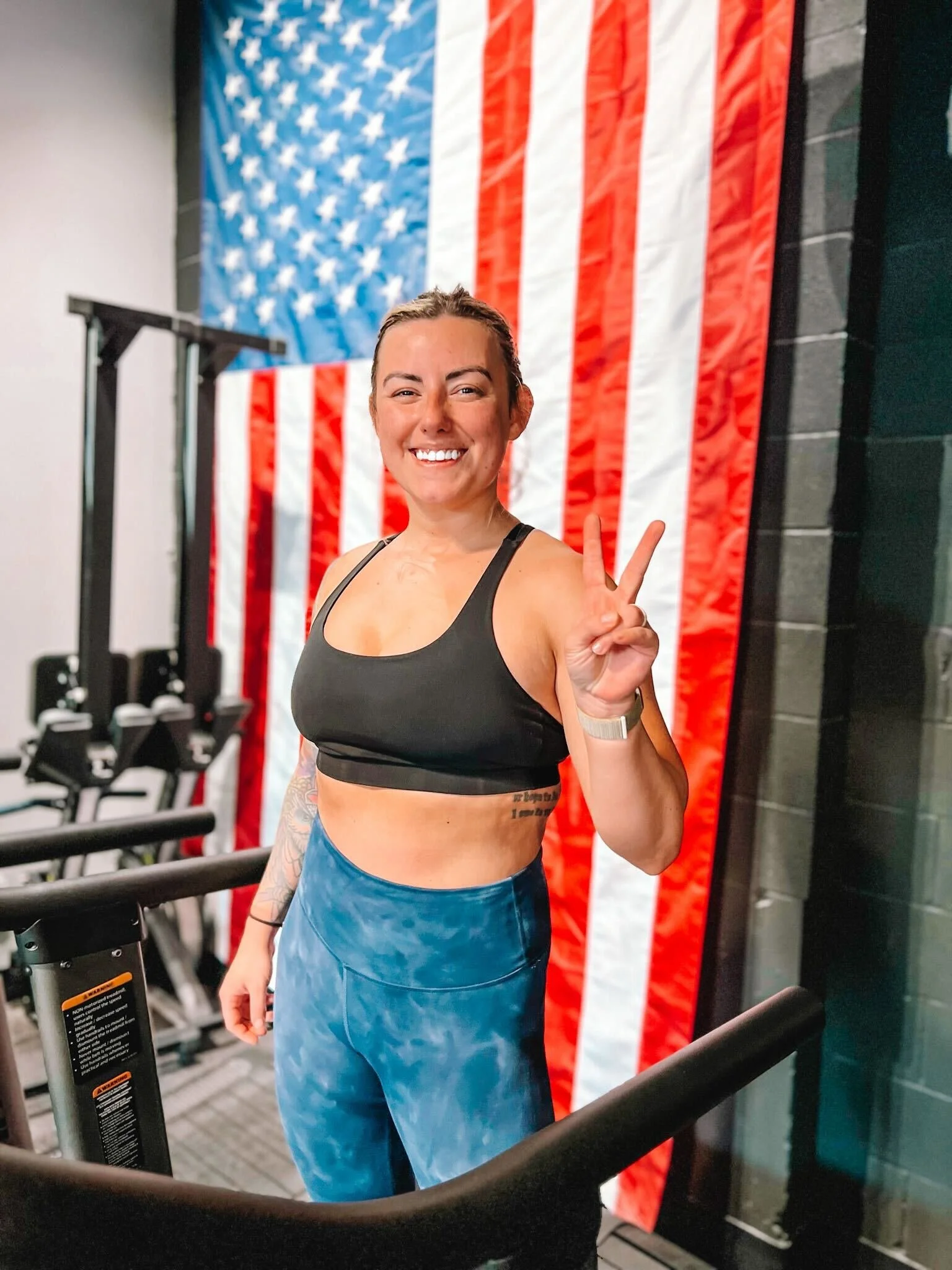
BLACK IRON RADIO EP. 310: So You Want To Ditch Diet Culture in 2026
Diet culture has never really been about health. Yet it's shaped how we think about food, bodies, and worth, often without our consent, and it keeps getting rebranded as something new. From calorie counting and purity culture to influencer wellness and weight-loss drugs, the message stays the same.
In this conversation, Ryann, Joyce, and Chloe break down where diet culture actually came from, how it shows up today, and why shame, restriction, and thinness have never been reliable markers of health. They talk about language, marketing, social media, postpartum vulnerability, and what it actually looks like to opt out without giving up on performance, aesthetics, or long-term health.
📲 Listen & Subscribe: Apple Podcasts | Spotify
Important note: We're not therapists, and if you're noticing any disordered eating habits, we strongly recommend reaching out to a therapist to work through this with you. This post is meant to help you understand diet culture and begin unlearning the negative thoughts and feelings you might have about your body, food, and exercise—but professional support is crucial for disordered eating patterns.
Ditching diet culture is one of the most important things you can do for your health, wellbeing, and relationship with food. But in order to ditch it, we need to understand where it stems from and have support from coaches, scientists, and researchers to unlearn all the harmful messaging we've absorbed over the years.
What Is Diet Culture?
Diet culture is a societal belief system that prioritizes thinness and appearance under the guise of health and wellbeing. It promotes practices such as calorie restriction, fad diets, and the labeling of foods as "good" or "bad," which often leads to negative self-talk and shame surrounding eating.
This culture is pervasive, fueled by media portrayals of unrealistic body standards and the aggressive marketing of diet products. Collectively, these messages contribute to low self-esteem and body dissatisfaction, particularly among women and teenagers. The impact can be severe—diet culture is directly linked to the development of eating disorders such as anorexia and bulimia, especially among young people.
The Dark History of Diet Culture
Diet culture can be traced back centuries, but in America, it spread quickly and became a tool to justify terrible things: anti-Blackness, patriarchy, and colonialism. Diet culture wasn't born from health concerns—it was born from racism, sexism, and control. It was used to elevate whiteness, wealth, and a very specific (and narrow) view of femininity.
The Graham Cracker Guy and Moralized Food
One fascinating (and disturbing) figure in diet culture history is Sylvester Graham—yes, the graham cracker is named after him. In the early 1800s, Graham linked specific foods to morality and health. As society shifted from viewing plumpness as a sign of wealth to idolizing thinness, Graham created the graham cracker intentionally bland and flavorless because he believed it would "calm down" people's innate desires and passions.
He literally attached morality to food. Sound familiar? Our modern wellness trends have deep roots in this kind of purity culture thinking. When someone insists that only eating chicken breast, sweet potato, and broccoli every day is the "right" way to eat, that's rooted in the same moralizing of food that Graham promoted nearly 200 years ago.
From World Wars to Weight Watchers
Calorie counting became popularized during World War I, and after World War II—when the nuclear family ideal (working dad, stay-at-home "hot" mom, kids) became the norm—diet pills and fad diets exploded in popularity.
Weight Watchers, created in 1963, was a more organized effort to approach restrictive eating and the pursuit of thinness. Society increasingly normalized diet culture, and major figures like Oprah (who has since apologized for her role) perpetuated restrictive and unsustainable diets on television throughout the '80s and '90s. In one infamous 1988 episode, she wheeled out a wagon filled with 67 pounds of fat after losing 67 pounds on a liquid diet—something we now know would be terribly unhealthy.
Oprah wasn't solely to blame, though. She was scrutinized for her own weight and body, shaped by the same diet culture she later helped spread. This is important to understand: diet culture shapes your beliefs without your consent. Unlearning it isn't intuitive—you need coaches, researchers, and science because the default in society is diet culture.
Every Decade Rebrands Diet Culture
Every decade simply repackages the same harmful message with different marketing:
Calorie counting (WWI era)
Weight Watchers (1960s)
Low-fat diets (1980s-90s)
Low-carb diets (2000s)
Detoxes and cleanses (2010s)
Misuse of GLP-1s like Ozempic (2020s)
Same message, different packaging.
Diet Culture in the Social Media Age
Social media arrived around 2005-2014 with MySpace and Tumblr, and platforms openly glorified thinness and restrictive eating with terms like "thinspo" and "pro-ana," normalizing disordered eating for young people.
During this era, tabloids were absolutely brutal toward women's bodies. America Ferrera was called the "fat friend" in Sisterhood of the Traveling Pants. Jessica Simpson was mocked for wearing high-rise pants postpartum. Nicole Richie was scrutinized constantly, while Kate Moss was praised for extreme thinness.
While tabloids have calmed down somewhat, diet culture is still at an all-time high. It's now more rooted in consumerism, mixed with fad diets, social shaming, and racist and fatphobic undertones. Everything we see is an ad—sprinkled into our shows, social media feeds, and every part of our daily lives. You can't go a day without seeing ads for weight loss supplements or hearing about the latest fad diet on podcasts.
We need to be thoughtful, skeptical consumers. This gets harder as media continues to grow and evolve.
How Diet Culture Shows Up in Everyday Life
Every client we work with at Black Iron has been a consumer of diet culture in some form. Here are the major red flags we see:
Moralizing Food
When we hear clients say things like "I was good today because I ate this" or "I was bad this weekend because I had that," it's a clear sign of diet culture. This language turns eating into a reflection of character or morality instead of what it actually is: nourishment and a life-enhancing activity.
Some people dismiss this as trivial—"it doesn't really matter if I use the term 'cheat day,' right?" But the reality is that our language shapes the narrative and the beliefs we hold about what we're doing and why. Reframing and using healthier terminology helps us maintain a healthier mindset, which then influences our choices and habits.
The Good Food vs. Bad Food Trap
It may seem silly to focus on words like "good" versus "bad" when describing food, but these two words carry enormous weight in how you view food. When you assign morality to food, it becomes much easier to fall into the binge-restrict cycle, which doesn't allow you to feel your best or promote healthy eating habits.
Food is neutral. Food doesn't have morality. We're the ones putting morality around it—and that mindset is incredibly harmful.
Thin Equals Healthy
This belief is particularly common among Gen X and Boomer generations, but it affects everyone: the assumption that thinness automatically equals health. This is simply not true.
One of our coaches, Ryann, experienced this firsthand. While struggling with autoimmune disorders, she was at her thinnest—and also at her least healthy. Her story illustrates what research confirms: body size does not equate to health. Yet this dangerous myth continues to get passed down through generations.
Here's what's strange: we easily accept that people are genetically predisposed to different body compositions and types. We understand that height, bone structure, and build vary widely. Yet somehow, we've collectively decided there's a specific look that equals "healthy," and we've drawn completely arbitrary lines around weight and size.
Society treats weight like there's a magic number where you suddenly cross from "healthy" to "unhealthy"—as if one pound makes all the difference. It's a construct of our own making, not based in actual health science.
The reality is that many beautiful, strong, fit, healthy women will never be a size zero or two—and forcing their bodies to get there would actually make them unhealthy. Strength, health, and even leanness look different on every body. There's no universal standard, and pretending there is causes real harm.
Using Shame as Motivation
We hear clients come in feeling ashamed of their choices, often assuming we're going to judge them (which we never do). Diet culture frequently uses shame as a motivator, but shame never creates sustainable behavior change. It might create temporary changes, but nothing lasting.
Some people have been on and off diets for so long that being off one makes them uncomfortable, like they're not working toward anything of value. This is another sign of how deeply diet culture has infiltrated our thinking—the belief that if you're not on a diet or losing weight, you're not making progress. There are so many other valuable things you could be working on for your health and wellbeing.
Outdated Markers Like BMI
BMI is still used in some medical settings, even though it was created for European white men and doesn't account for different races, body types, or genetic variations. Many people have been labeled "overweight" or "underweight" based on BMI when they were perfectly healthy. Others have been told their BMI is "normal" or "healthy" when they were actually struggling with serious health issues or disordered eating.
This outdated measurement has put unnecessary shame on countless people.
Celebrity Misuse of Weight Loss Drugs
We think GLP-1 medications like Ozempic are valuable tools when used properly and under medical supervision. However, we're seeing many celebrities misuse and abuse these medications. Sharon Osbourne has publicly stated that her use of GLP-1s has ruined her health—she's extremely thin now but definitely not healthy.
This misuse perpetuates the same old diet culture message: thin at any cost.
AI Fitness Influencers
A newer concern is the rise of AI-generated fitness influencers. These aren't real people—they're computer-generated images showing someone working out 3-5 times a day with an impossibly "jacked" body. People see these AI creations and think, "This is the ideal," without realizing they're literally not human.
This is why we need to be incredibly skeptical of what we consume on social media.
The Marketing Machine
Social media exists as a competition for your attention. Almost everyone is selling something, and they need to convince you that there's a problem that needs solving—often suggesting that your body or a specific body part is that problem.
Spoiler alert: many of these companies don't actually care about your health. They're more concerned with their bottom line and profits.
Because social media is so loud and the infinite scroll is relentless, people see countless fad diets and unhealthy methods for getting smaller. They try one, then another, often not sticking with anything long enough to see it through because the next day they see something else that someone else claims worked for them.
But here's the thing: that person doesn't know you. They don't know your struggles, genetics, body composition, day-to-day life, strengths, or pain points. This marketing model exploits your insecurity and profits off of you believing there's something wrong with you—while taking advice from people who don't even know you.
Vulnerable Populations Are Targeted
Postpartum mothers are an especially vulnerable population right now. If you scroll TikTok, you'll see countless ads for "postpartum glow-ups" and products promising rapid body changes. But postpartum bodies have been through incredible changes—hormones are shifting, sleep is often lacking, and you don't feel like yourself for a very long time.
It's incredibly easy to fall for these quick fixes. If it sounds too good to be true, it probably is. That supplement promising you'll lose 15 pounds in a month? You'd probably be miserable, constantly in the bathroom, irritable with your kids—and that's no way to live.
Healthy Alternatives to Diet Culture
So how do we actually break away from diet culture? We need healthy, sustainable alternatives that support our wellbeing physically, mentally, and emotionally.
Find Balanced Eating That Works for YOU
There's no one-size-fits-all approach to nutrition. What works for one person might not work for another. The goal is finding sustainable patterns that fuel you adequately and support your life.
Prioritize Stability and Sustainability Over Perfection
You don't need to be perfect. You need to be consistent in ways that feel sustainable for your actual life.
Set Goals That Have Nothing to Do With Weight
Focus on performance, longevity, and building confidence. How strong do you want to feel? What do you want your body to be capable of doing? These are far more empowering goals than a number on a scale.
It's Okay to Have Aesthetic Goals
Here's something important: it's okay to want to change your body while still ditching diet culture. You can have aesthetic goals and still love and respect your body every step of the way.
You can want body recomposition changes without hating your body. You can expect joy from your body—or at a minimum, remain neutral about it. The goal is to pursue growth and change from a place of worthiness and value, not from shame or punishment.
You deserve to honor your aesthetic goals. Those goals are worthy. But the mindset you enter into those pursuits with is what makes it either healthy or unhealthy.
Practical Mindset Shifts and Actionable Habits
Here are some concrete ways to start ditching diet culture:
The Add-On Method
Instead of constantly restricting and subtracting, focus on adding. This works in both directions:
If you tend to eat very "clean": Can you add something you genuinely enjoy, like a Reese's peanut butter cup with your snack, and really savor it without guilt? The goal is breaking down the rigid rules around what's "allowed."
If you feel like you "messed up" with fast food: What could you add to make it more balanced? Getting Chick-fil-A? Add a side salad to your meal. Want the fried chicken sandwich? Great—add a kale salad on the side so you're getting greens and nutrients alongside the food you're craving. Or swap for the grilled sandwich and enjoy your fries completely guilt-free.
The point isn't perfection—it's creating meals that feel neutral. You're not labeling everything as good or bad, you're just building more balanced plates in a way that feels sustainable.
Shift From "How Small Can I Get?" to "How Strong Can I Feel?"
Instead of focusing solely on the scale or measurements, build a list of non-scale victories (NSVs):
Waking up refreshed
Feeling energized after workouts instead of completely depleted
Enjoying meals with your family without food being the only thing on your mind
Feeling confident making balanced food choices
Trusting yourself around all foods
These victories build real confidence and demonstrate actual progress in your relationship with food and your body.
Bring Joy Back Into Movement
If you see exercise as punishment or a way to "earn" your food, it's time to reframe. Find ways to move that you actually enjoy. Movement should feel empowering, not punishing.
For kids, movement is play—and we can reclaim that feeling as adults too.
Use Body Affirmations
On bad body image days, affirmations can help you meet yourself where you're at. They remind you that your body is capable, strong, and worthy of respect regardless of how you feel about it in that moment.
Practice Skepticism With Social Media
Be wary of what you're consuming. If you find yourself scrolling social media all day, that's probably not great for your brain. Notice when you feel fuzzy after too much screen time—then go touch grass and remember what life should actually feel like.
Real-Life Wins From Ditching Diet Culture
Some of the most rewarding changes we see in clients include:
Enjoying holidays without guilt: Getting to celebrate with family and eat pie without feeling like you need to "work it off" or that you've ruined your progress.
Raising the next generation differently: Teaching kids that food makes them strong (like Spider-Man!) instead of labeling foods as good or bad. Showing them that movement is play, that bodies are meant to be strong and capable.
Finding empowerment in training: Shifting from seeing the gym as a place to burn calories and get small to viewing it as a space where you get strong, feel accomplished, and build the capacity to live your life fully—whether that's running after your toddler or simply feeling energized after a long day.
Experiencing more peace, energy, and confidence: When you ditch diet culture, you're not giving up—you're choosing a life with more of the good stuff that you and your body deserve.
The Bottom Line
You don't need a new or fancy supplement to change your life in 2026. You need habits that support your wellbeing physically, mentally, and emotionally.
Ditching diet culture isn't an overnight fix. There will be times when diet culture messaging pops up and you might feel susceptible to it. That's normal—this stuff is everywhere. But having support from a team behind you to help you recognize it and talk through it makes all the difference.
Remember: diet culture shapes your beliefs without your consent. Unlearning it takes time, intentionality, and often professional support. The work to reframe your thinking and use better language is slower than a quick-fix diet—but it's absolutely worth it. You'll look back in 1, 5, or 10 years and think, "Who was that person? I'm so glad I grew into this better understanding."
We've got you.
Looking for support in ditching diet culture and building a healthier relationship with food and your body? Check out our coaching services and resources at Black Iron Nutrition. We're here to help you pursue your goals from a place of worthiness, not shame.
🎙️ WANT MORE? SUBSCRIBE TO BLACK IRON RADIO!
If you enjoyed this conversation, check out more episodes of Black Iron Radio, where we cut through the noise and give you real, no-BS advice on feeling, performing, and looking your best. Each week we share practical nutrition, training, and wellness strategies and tips to help you succeed.
📲 Listen & Subscribe: Apple Podcasts | Spotify
