
WELCOME TO OUR BLOG
SEARCH FOR AN ARTICLE
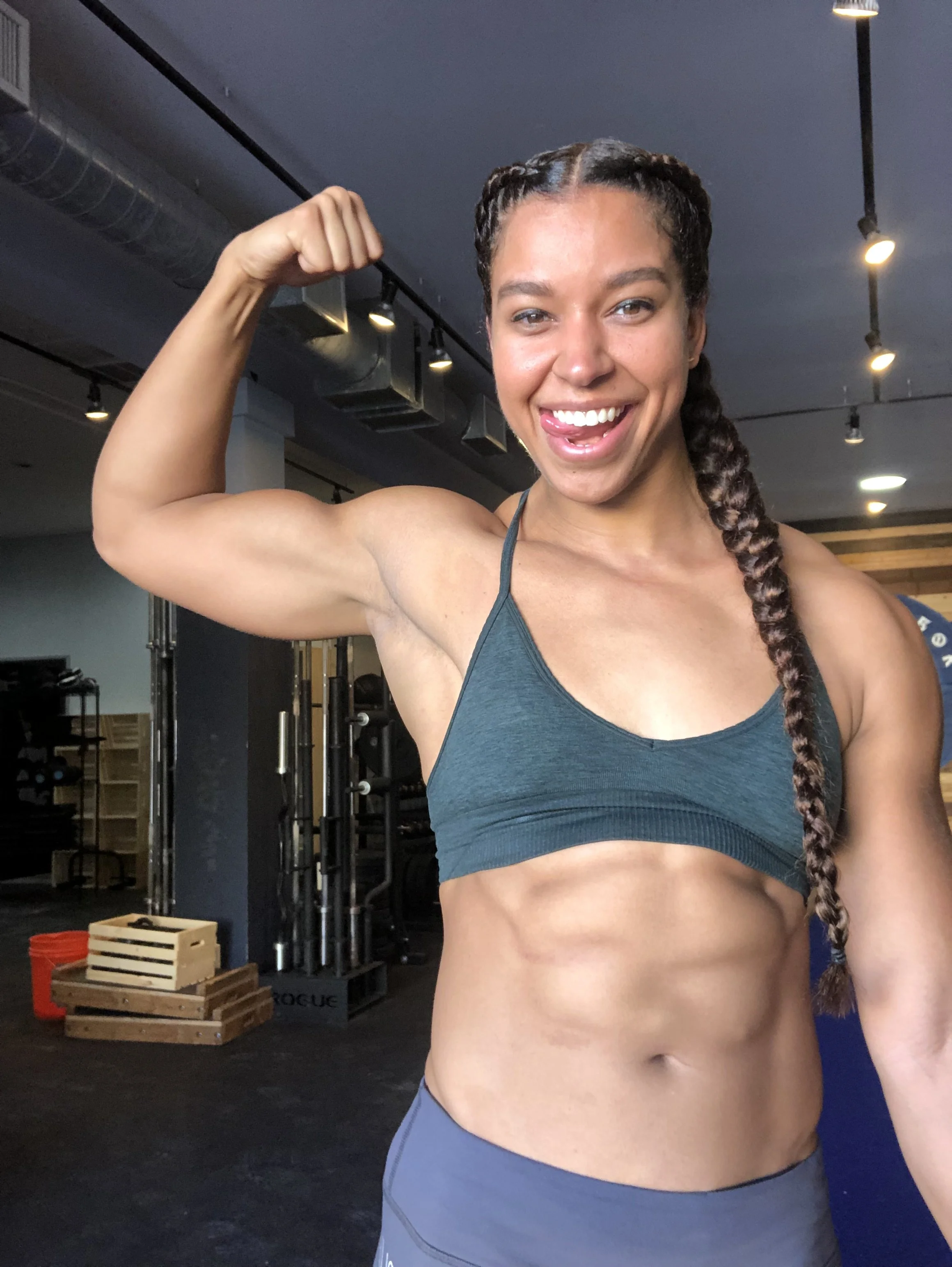
From Comparison to Confidence: Social Media & Body Image
Comparison itself isn't the problem. It's that you're comparing yourself to something fake and not even realizing it.
Ryann, Brooke, and Joyce get into how social media reshapes your body image, why the algorithm isn't showing you what you love but what you can't look away from, and how the whole machine is built to convince you something is wrong so there's always something to sell you. They get into everything that gets left out of the picture: the influencer on peptides selling you an eight-week plan, the spotless-house mom who has a nanny and a cleaner, the pro athlete whose full-time job is training six hours a day.
Plus why nobody normalizes the normal anymore, how curating your feed protects your peace, why even the people posting the content are performing a version of themselves, and a real reminder that your body has nothing to do with your worth.
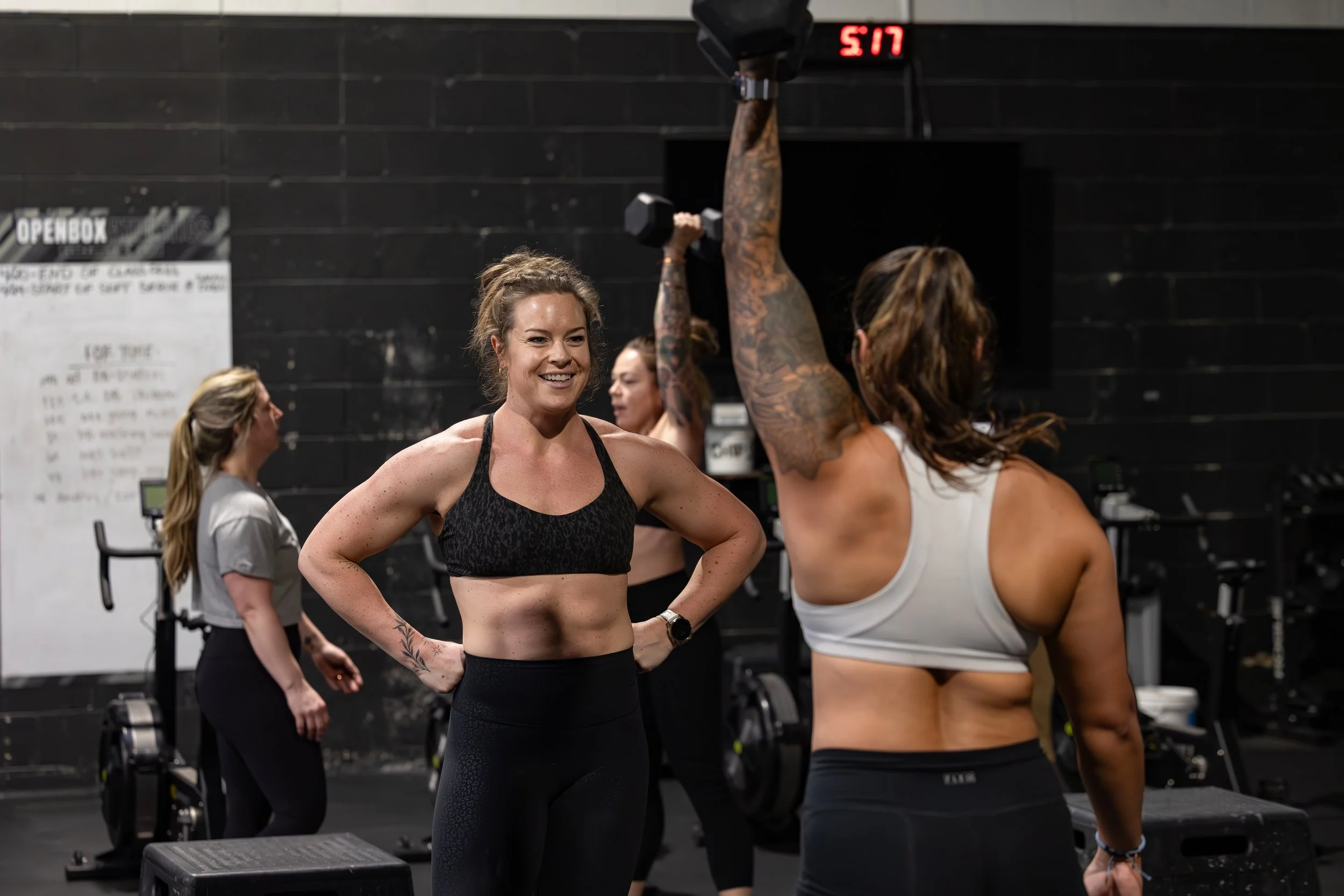
Rewriting the “Summer Body” Story
Every year around this time, without fail, the summer body messaging is in full-force. The "last chance to lose 10 pounds before beach season" ads, paired with the implication that you have to earn the right to be seen in a swimsuit. It is the same story in different packaging, and it has been going on since your grandmother was worried about her waist size.
Amanda, Kelsey, and Sabrina talk about where that messaging actually comes from, why it sticks, and why hitting the number you have been chasing is almost never the thing that makes you feel better. They get into the negative feedback loop, the self-talk red flags, anchoring bias, why nobody at the end of a vacation remembers what anyone looked like in a bikini, and why BIN stopped running summer challenges.
You are allowed to have goals. This episode is just about making sure the story driving those goals is actually yours.
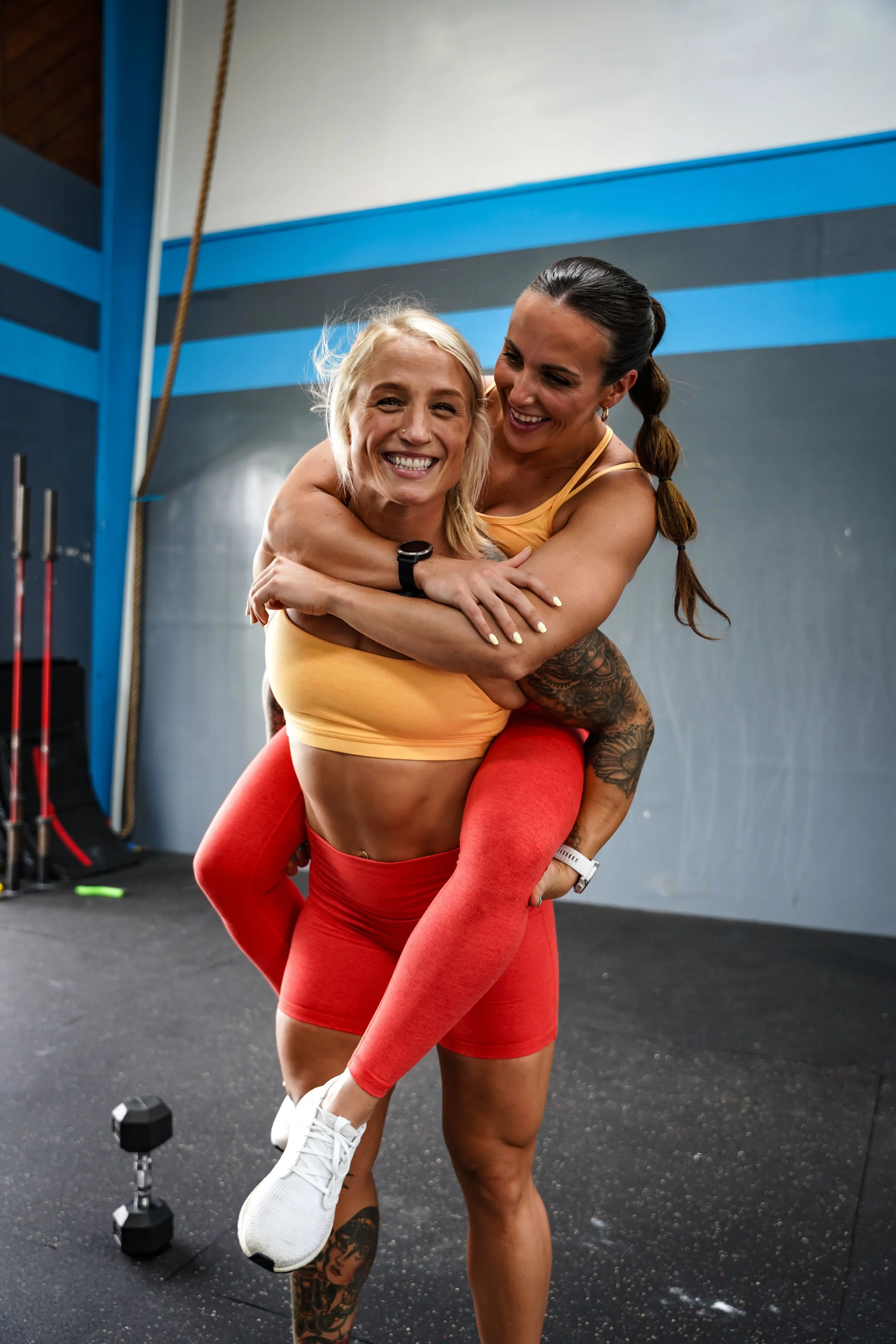
What Happens When Your Identity Gets Too Wrapped Up In Being Fit or Strong
Most people don't notice their identity has gotten too wrapped up in fitness until it is already somewhat of a problem.
Krissy, Kelsey, and Kelly get into the signs it's gone too far, what it costs you when it does, and how to loosen the grip without losing the thing you love. They talk about rest day guilt, injury ang againg grief, relationships that took a back seat, body dysmorphia, anchoring bias, and the question nobody really wants to sit with: if you could never train again, who would you be?
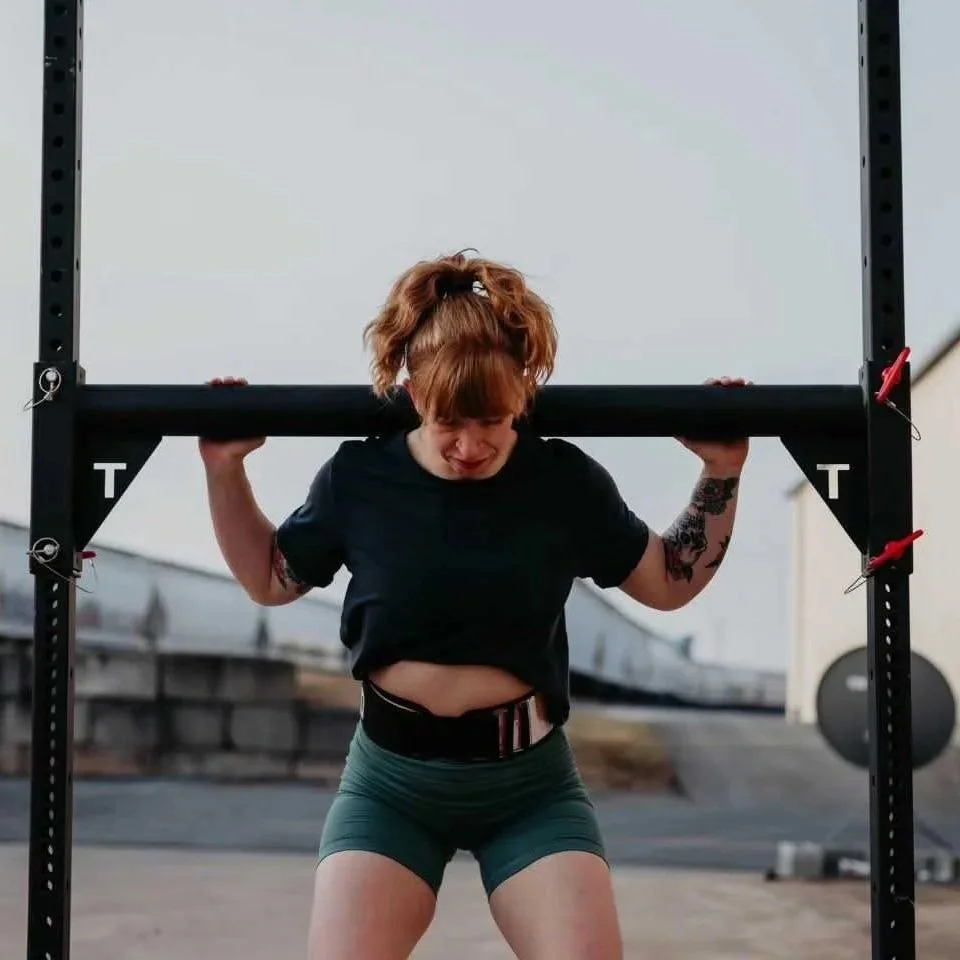
So You Want to Rebuild Your Confidence After Weight Gain
Weight gain is not a moral failure. But we live in a culture that treats it like one.
Ryann, Brooke, and Jess get into the identity shift that comes with a body that looks or feels different, why comparing yourself to a previous version of yourself is one of the least useful things you can do, and what it looks like to rebuild confidence when the scale is not moving in the direction diet culture tells you it should. They talk about goal pants, buying new clothes, and skinny culture trying to make it's comeback.
Plus a real conversation about postpartum, weight class sports, athletic performance, and why the most exciting thing about you has never been what you weigh.
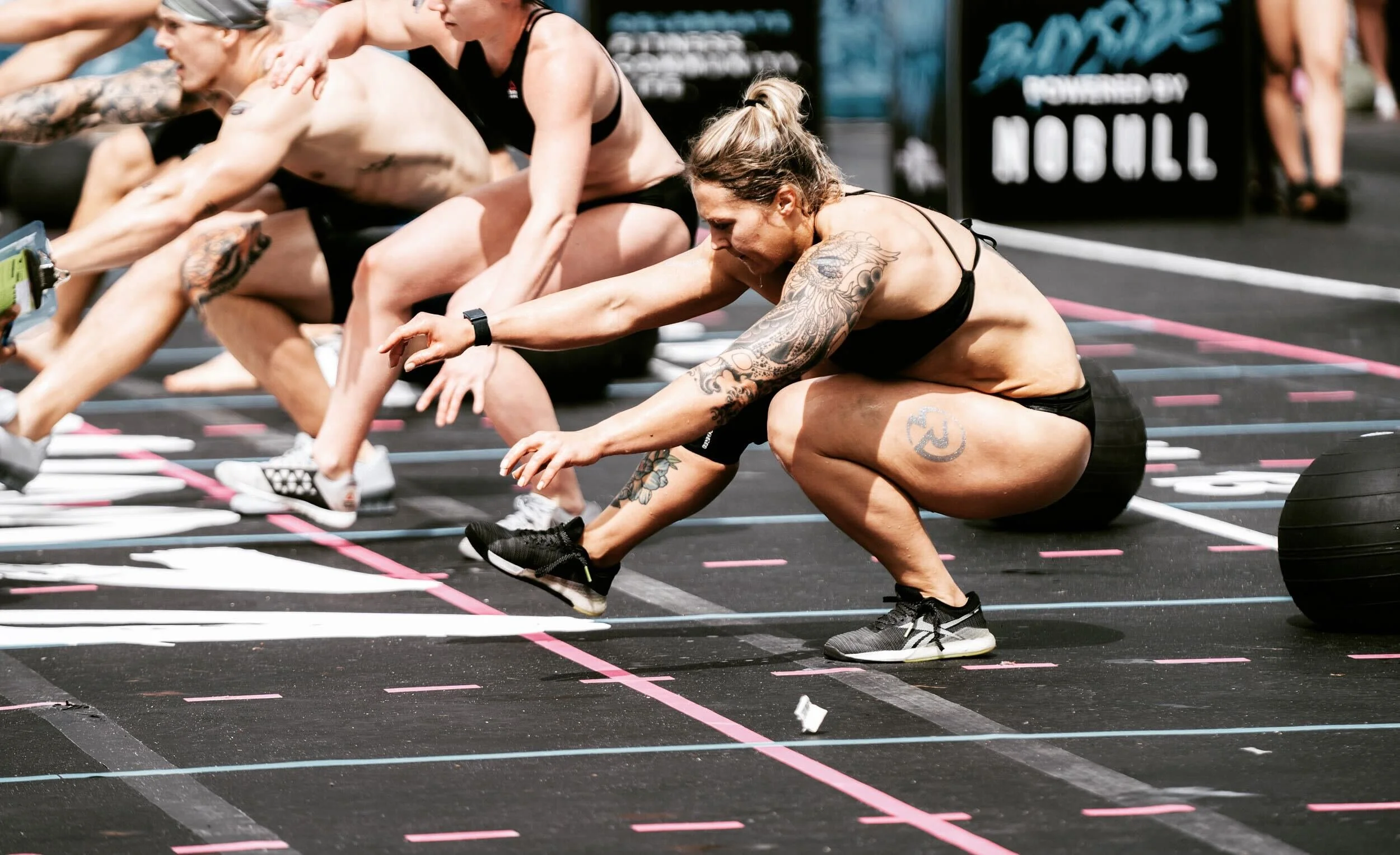
Identity Shift: Seeing Yourself as an Athlete at Any Size
Some people train hard, show up consistently, and do a whole lot of things athletes do… but still don't fully see themselves that way.
Brooke, Christin, and Kelly talk about what it truly means to be an athlete, why so many people think that identity belongs to a certain body type, and how chasing the "look" of an athlete can distract from the habits, mindset, and support that actually matter. They get into comparison, body image, performance, social media brain rot, and the difference between wanting to look the part versus actually living it.
This one is for anyone who has ever felt like they had to earn the title first.
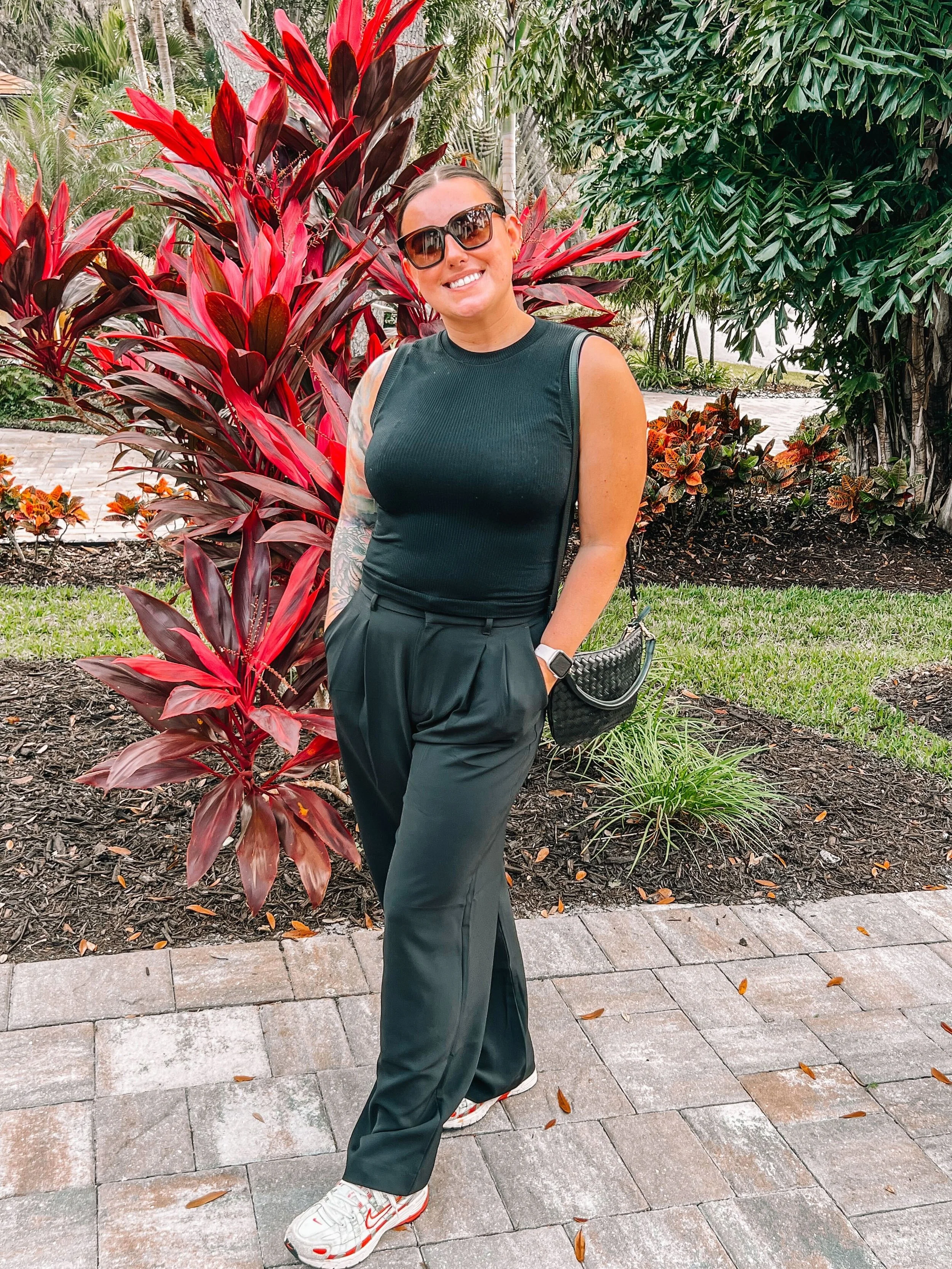
So You Want To Improve Your Body Image
You don't have to love your body every second of every day to have a healthy relationship with it. This post unpacks what body image actually is, why it can shift by the hour, and why forced positivity often makes things worse. We revisit the body positivity wave of 2020, make the case for body neutrality as a more sustainable place to land, and walk through the ways social media, diet culture, unsolicited comments, and comparison quietly keep negative body image cycles running. We also get into body checking, the "I'll be happy when..." trap, how stress, sleep, and hormones can magnify bad body image days, and why chasing an old version of yourself rarely delivers what you think it will. Bad body image days are rarely about your body in the first place.
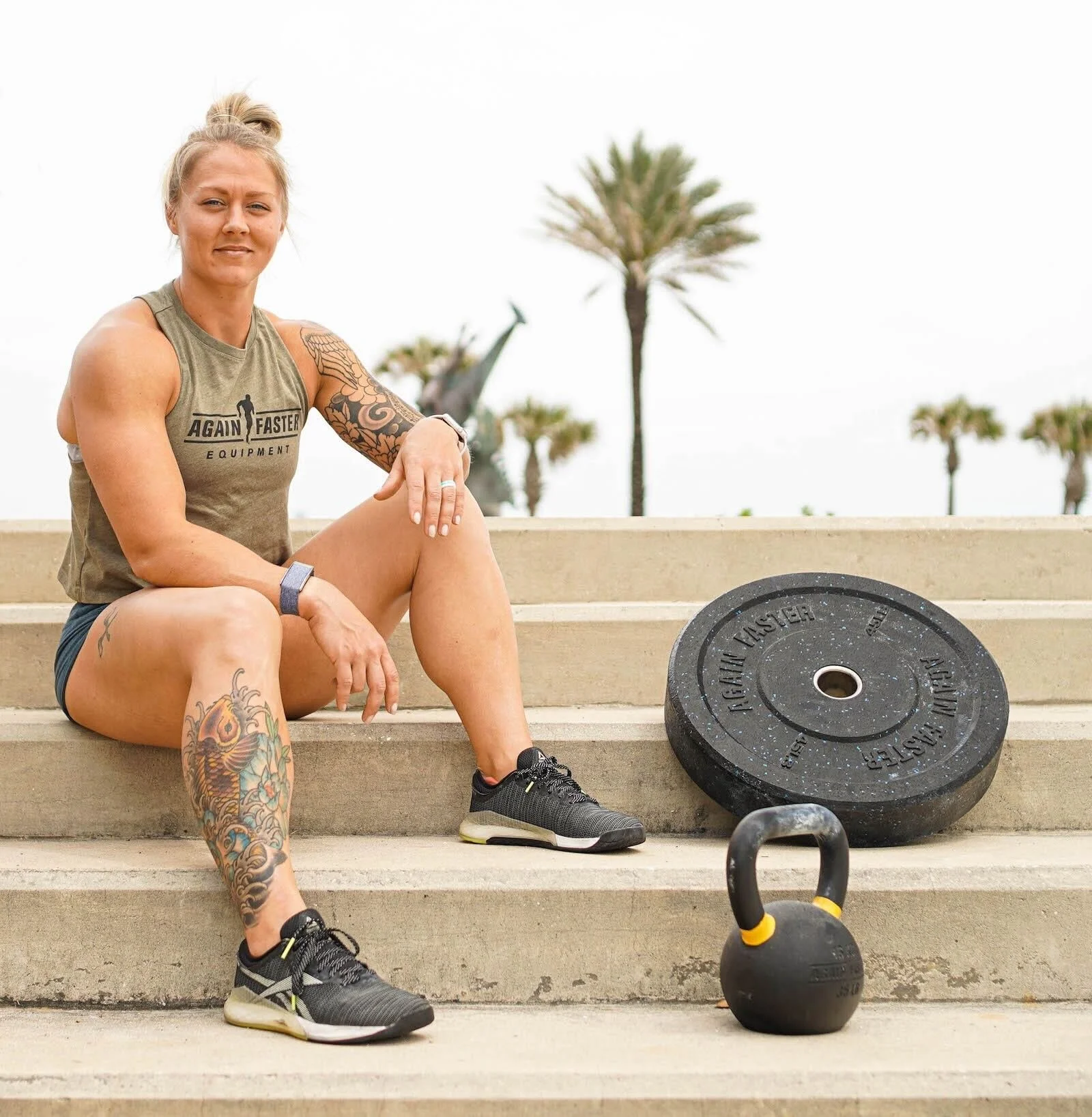
So You Want To Stop Comparing Yourself to Others
Comparison is everywhere, and it's one of the fastest ways to lose trust in yourself. We break down why comparison shows up so easily, how social media distorts expectations around training, nutrition, bodies, and progress, and why copying someone else's plan almost always backfires. They dig into how comparison leads to program hopping, inconsistency, burnout, and feeling like nothing you're doing is ever good enough. The focus shifts to what actually works: defining success on your own terms, choosing habits that fit your real life, and sticking with them long enough to build confidence, momentum, and results.
Beyond Aesthetics: Why Appearance Doesn't Reflect Health
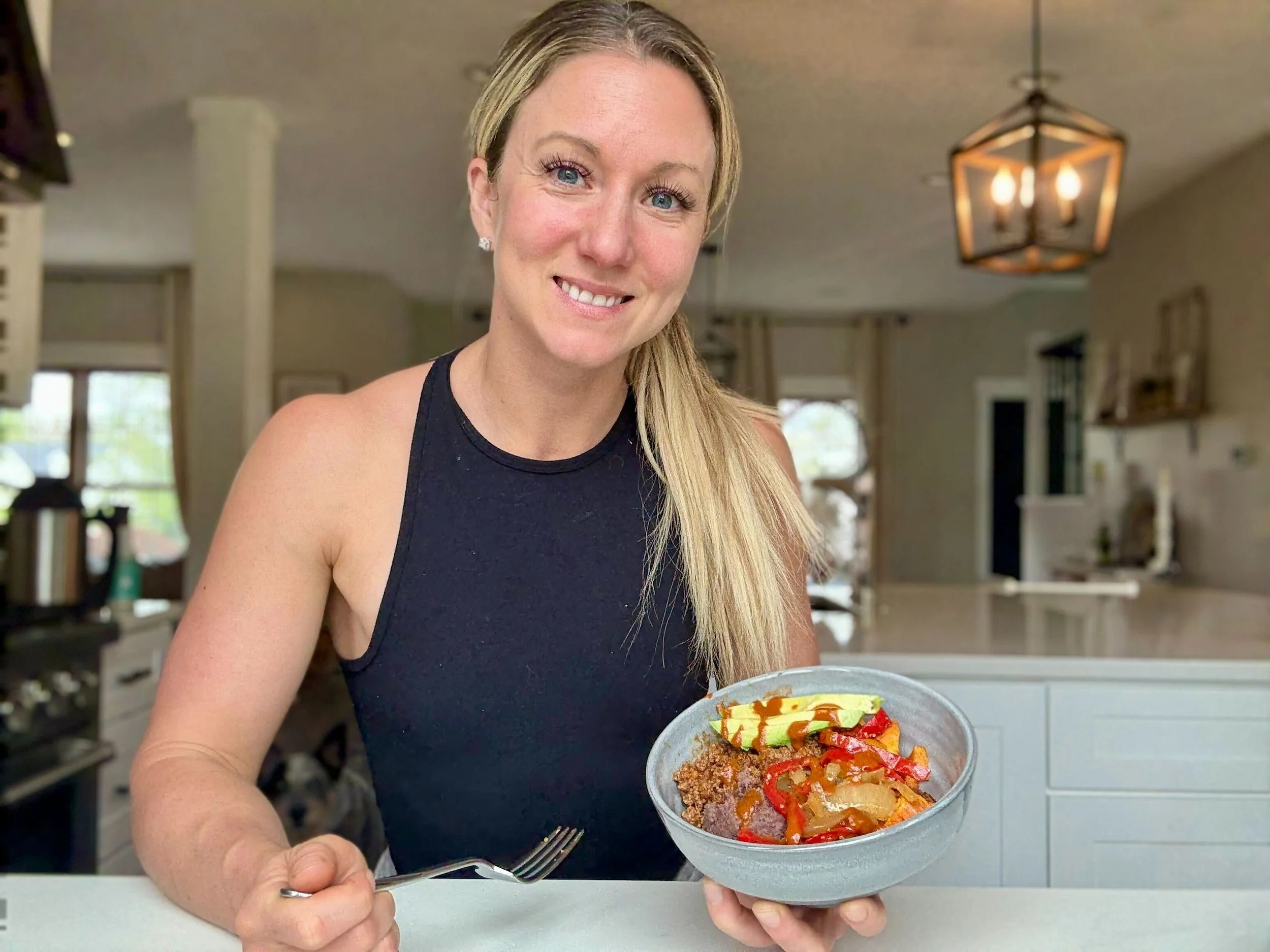
Society has conditioned us to judge health by appearance, our own and others', through media, fitness culture, and even our healthcare system. But looking "fit" doesn't mean you're healthy, and carrying more weight doesn't mean you're unhealthy. We're breaking down why appearance is a terrible health metric, introducing the health triangle (physical, mental/emotional, and social health), and explaining why body composition doesn't tell the whole story. From the social media trap and genetics reality to real stories of coaches who were at their leanest but least healthy, we're covering what actually matters for your wellbeing. Plus, we're giving you actionable steps to stop judging your health by the mirror and start measuring it by what truly counts: how you feel, how you function, and how you're nourishing all dimensions of your health, not just the visible ones.
So You Want To Ditch Diet Culture in 2026
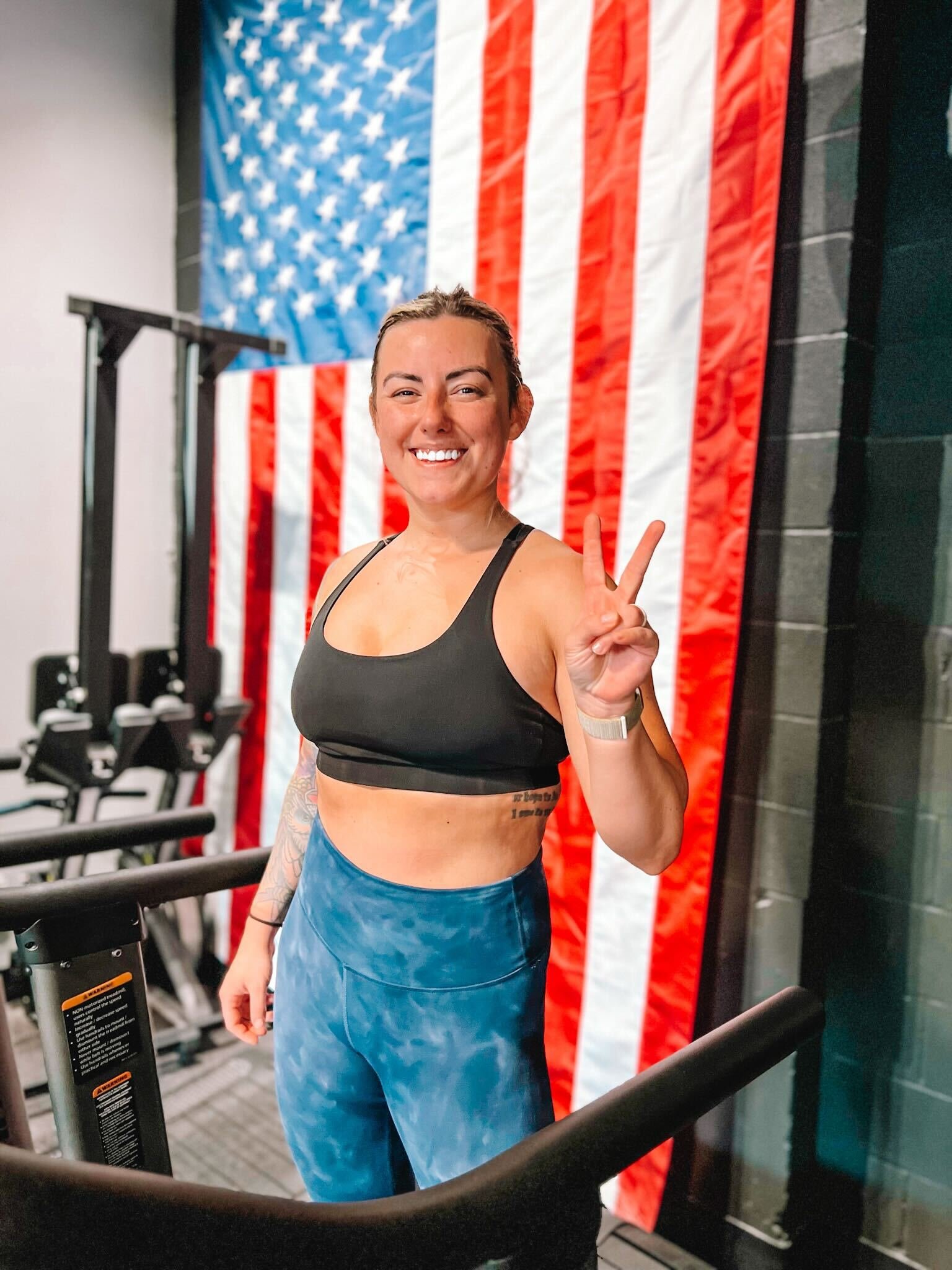
Ready to ditch diet culture for good in 2026? Diet culture is more than just fad diets and calorie counting—it's a pervasive belief system rooted in racism, sexism, and control that convinces us our bodies are problems that need constant fixing. From the dark history of moralizing food (yes, the graham cracker guy has a wild backstory) to the modern marketing machine exploiting our insecurities on social media, we're breaking down where diet culture came from, how it shows up in your everyday life, and most importantly, how to break free from it. We'll cover the red flags to watch for (like moralizing food as "good" or "bad"), why shame never creates lasting change, and practical ways to pursue your goals—yes, even aesthetic ones—from a place of worthiness instead of punishment. Because ditching diet culture isn't giving up, it's choosing a life with more peace, energy, confidence, and actual health.
What Coaching Real People Taught Me That My Degree in Nutrition Did Not
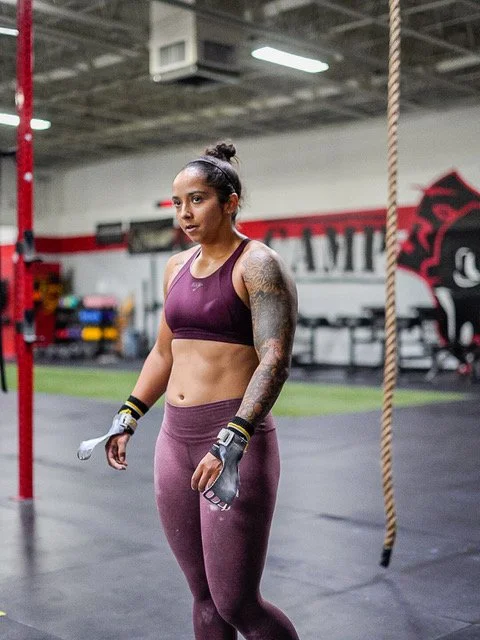
A nutrition degree gave me the science. Coaching real people taught me everything else. Here’s what I’ve learned from working with hundreds of clients—and why it’s changed how I coach forever.

Body Positivity vs. Body Neutrality
In this blog post, we’re breaking down key insights from our latest Black Iron Radio episode, where coaches Morgan, Joyce, and Acacia dive into the concepts of body positivity and body neutrality—what they mean, how they differ, and why each approach can serve a different purpose in someone’s body image journey. They explore everything from how these movements have evolved, to the pressures of toxic positivity, to finding peace with your body through neutrality. Whether you’re working through body image struggles yourself or supporting someone else, this conversation offers thoughtful perspectives and practical mindset shifts that can help create more freedom and flexibility around food, fitness, and self-image.

Why Fitness & Athleticism Aren't a "Look"
In this blog post, we’re breaking down the biggest takeaways from our latest Black Iron Radio episode on the myth of the “athletic look.” What does it really mean to look fit—or look like an athlete? If a specific image comes to mind, you’re not alone—but it’s time to challenge that narrative. Krissy, Kelsey, and Chelsea dive into where this idea came from, how media and the fitness industry have shaped it, and why true athleticism has nothing to do with aesthetics. Whether you lift, run, ski, or climb—if you do the thing, you are the thing. Keep reading for an honest conversation on identity, body image, and redefining what it means to be an athlete.

Body Image: How Social Media Affects Our Perception
Social media can be a double-edged sword—while it connects us, it also distorts our perception of body image. Discover how to navigate this digital landscape and protect your mental health by embracing a more positive relationship with your body.
![Abs[ence] of Self-Love](https://images.squarespace-cdn.com/content/v1/59e7d35ffe54ef21b75711c3/1536694407581-EBRNV1WU4S0J7UE5N606/IMG_3989.JPG)
Abs[ence] of Self-Love
From a young age, I always noticed that I had a "belly". So much so that I hated the word "belly" with a fiery passion. To this day, the word still makes me queasy. But I always felt like I was overweight in some regard simply because I had a "belly". What exacerbated the situation was that I chose to be competitive in swimming, where I would wear a simple Speedo brief. And I felt like I stood out (or rather stood "rounder") in the way I didn't want to: I was one of the "fat" ones in a sea of tall, skinny swimmers.