
So You Want To Improve Your Body Image
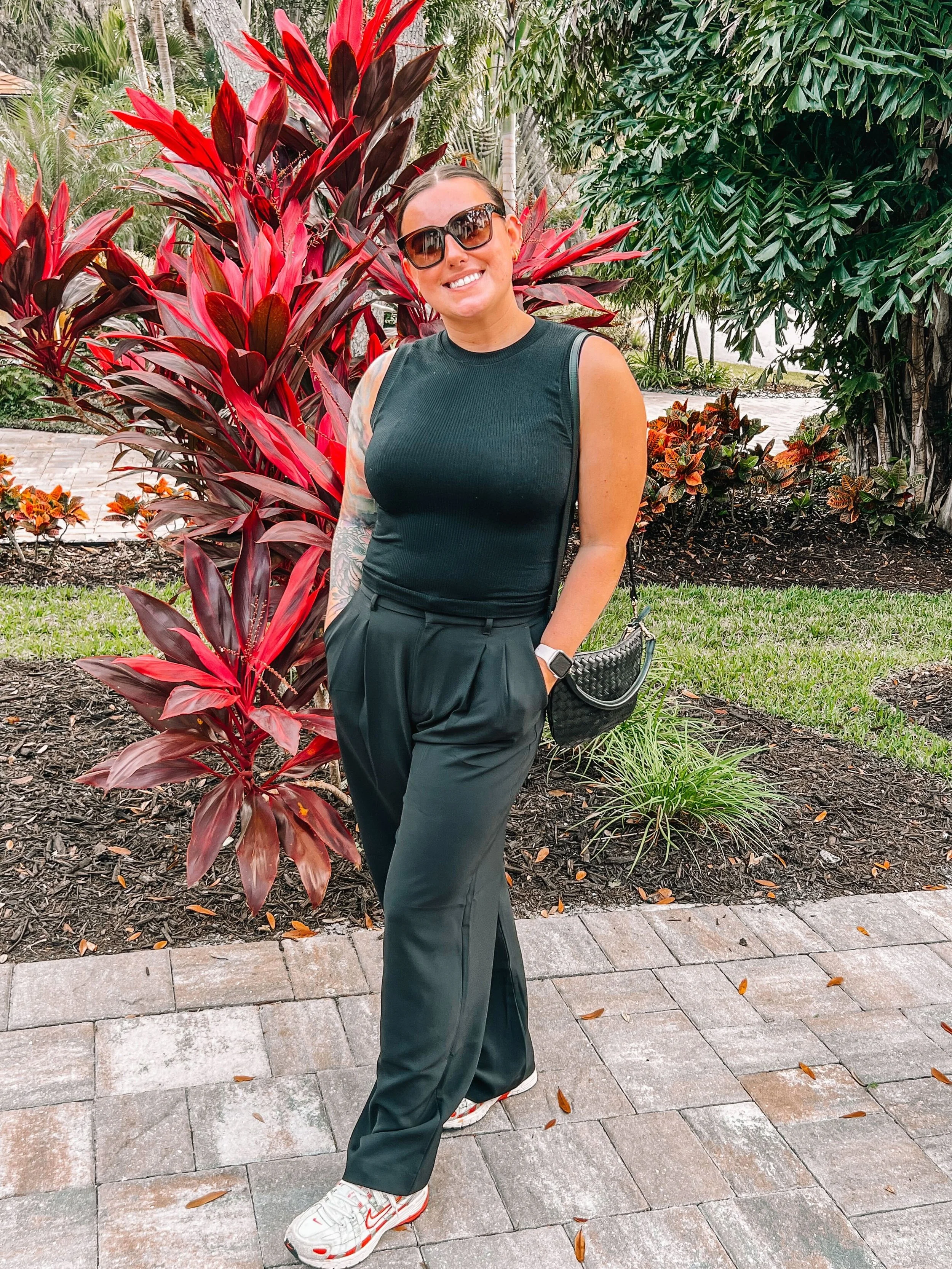
BLACK IRON RADIO EP. 328: So You Want To Improve Your Body Image
You don't have to love your body every second of every day to have a healthy relationship with it.
Ryann, Sabrina, and Jess unpack what body image and why it can shift by the hour. They revisit the body positivity wave of 2020, talk about why forced affirmations can feel hollow, and explore why body neutrality tends to be a more sustainable place to land. Instead of trying to convince yourself you love everything you see in the mirror, they make the case for acceptance first.
The conversation weaves through social media, diet culture, GLP-1s, unsolicited body comments, and the quiet ways comparison creeps back in. They dig into body checking, the "I'll be happy when…" trap, and why chasing an old version of yourself rarely delivers what you think it will. You'll also hear how stress, sleep, hormones, and under-eating can magnify negative body image days, and why going into a calorie deficit isn't always the solution your brain thinks it is.
Most importantly, they share practical ways to start shifting your internal dialogue. If you've ever tied your happiness to a number on the scale or pant size, this episode is a reminder that you can't hate yourself into lasting change. And that bad body image days are rarely about your body in the first place.
📲 Listen & Subscribe: Apple Podcasts | Spotify
Bad body image days are rarely actually about how you look. That's the throughline of this entire conversation, and it's worth sitting with for a second before we get into the rest.
Ryann, Sabrina, and Jess Gordon sat down to talk about body image: where it comes from, what keeps it stuck in a negative loop, and what you can actually do to start shifting it. This isn't a toxic positivity pep talk. It's a realistic, no-nonsense look at what improving your body image actually requires.
What Body Image Is (And Isn't)
Body image is simply your subjective perception of your own body. It can fluctuate day to day, even minute to minute, and that's completely normal. It's a feeling, not a fact.
Around 2020, the body positivity movement tried to fix this with a pretty blunt instrument: positive affirmations, "love yourself no matter what," and the expectation that you should wake up every day thrilled about your body. For a lot of people, that approach didn't land. Not because self-acceptance is a bad goal, but because jumping straight from "I don't like how I look" to "I love everything about myself" is a massive gap that doesn't just close overnight. For many people, it felt forced, insincere, and almost made things worse by putting even more attention on body image.
Then there's where we are now in 2026, with the "skinny talk" resurgence and a new wave of cultural pressure around body size. Which makes it pretty clear that the over-correction of 2020 didn't actually fix the deeper problem.
Why Body Neutrality Is a More Useful Goal
The concept our coaches keep coming back to is body neutrality: not trying to love your body every second, but finding a place of acceptance with it. The goal is to be positive at best, neutral at worst.
Neutral doesn't mean giving up on your goals. It means accepting where you are right now, in this exact moment, because you literally cannot change it in the next five minutes. What you can do is take steps today that move you in the direction you want to go. That foundation of acceptance is what makes sustainable change actually possible.
Sabrina put it this way: you can't hate yourself into loving yourself. If the motivation driving your behavior is rooted in feeling like you're not good enough, the goal posts never stop moving. Clients make progress, then find new things to pick apart, and the internal narrative stays just as negative as it was before. The outside changed; the inside didn't.
Where Body Image Comes From
A few things shape how we feel about our bodies, and most of them have nothing to do with how we actually look.
Social media is an obvious one. You're comparing your everyday mirror to someone else's most carefully curated, well-lit, possibly edited highlight reel. People post content from their peak moments. Some influencers stock up on content during a particular phase of their body and continue posting it indefinitely. You're not seeing the full picture, ever. The goal is to remember you're looking at someone else's best moments while judging yourself against your average day.
Diet culture did a lot of damage here too. The "ideal body" that so many people are chasing was largely an image created to make money off insecurity. When a client tells Sabrina they want to look the way they did at 17, the conversation quickly gets real: that body existed under completely different life circumstances. You are not supposed to look the same at 35 as you did as a teenager. Bodies grow and change. That's not failure.
Unsolicited comments from family, friends, or even gym staff can quietly do a lot of harm. Even well-meaning comments like "you look so skinny, did you lose weight?" aren't neutral. Jess is intentional about this as a gym owner: instead of commenting on how someone looks, she'll say things like "you looked really strong today" or "you had so much energy in that session." Because she doesn't actually know what's going on in that person's life, and commenting on their body could reinforce something that isn't actually going well.
Ryann and Jess both shared versions of the same story: they were at their smallest during some of the hardest periods of their lives. People were telling them they looked amazing. Neither of them was doing well. Smaller is not the same as healthier, and commenting on someone's body as though it is can cause real damage.
Habits That Make Body Image Worse
Most people know these habits aren't helping, but keep doing them anyway.
Body checking is one of the big ones: standing in front of the mirror lifting your shirt, checking yourself from every angle, sucking in, comparing. Doing it constantly keeps you hyperaware of your body in a way that almost always amplifies the negative. Sabrina's observation here is spot on: we aren't designed to see our own reflection 150 times a day. She tends to feel best about herself when she's looking in the mirror the least.
Deleting photos is another. Jess has a family member she has almost no photos of because that person deleted every picture taken of them for years. When you're gone, the people who love you will have nothing. The question worth asking: did you enjoy the moment? Were you present? Can you focus on that instead of what you looked like?
Tying happiness to a future body is one coaches see constantly. "I'll be happy when I fit into my old jeans again." But if the internal narrative is negative now, it's going to stay negative when you get there. You might feel a little burst of joy when those jeans zip. And then you'll find something else. The work has to happen on the inside.
Undereating can also trap people in a negative body image loop. If you're in a caloric deficit, you're also likely dealing with reduced cognitive function, more irritability, and a general tendency to skew negative. More bad body image days often follow. It's a cycle worth being aware of.
How to Actually Start Shifting It
None of these feel natural right away. That's normal. You're breaking a pattern that may have been running for decades.
Work toward neutral, not positive. You don't have to stand in the mirror and tell yourself you look incredible. Try: "I accept how I look today." That's it. It's not toxic positivity and it's not self-criticism. It's a starting point.
Journal about what your body does, not what it looks like. Can it shovel snow? Chase kids around? Did it carry a pregnancy? Does it show up to train every week? Write it out. Your body does a remarkable amount of work that has nothing to do with how it looks, and most people have never put that list on paper.
Catch the negative thoughts before they spiral. When you notice a harsh internal comment, ask yourself: would I say this to a friend? To a child? If the answer is no, you don't get to say it to yourself either. It takes practice, and it will feel weird for a while. That's okay.
Wear clothes that fit your body now. This one is underrated. Forcing yourself into jeans that don't fit and then feeling bad about the result isn't useful data, it's just unnecessary discomfort. Sabrina's take: get rid of the jeans that don't fit and get a pair that does. Buying a bigger size is not a failure. That number on the tag is essentially made up.
Log off. Doom scrolling through influencer content on a bad body image day is pouring gas on a fire. The comparison game is rigged, and the people you're comparing yourself to are often at their absolute peak for that content, not their daily reality. Get away from the screen and do something with your hands.
Realistic Expectations
Improving body image takes longer than most people want it to. That's not a flaw in you; it's just the reality of rewriting thought patterns that have been reinforced for years, often by an industry designed to keep you feeling bad so you'll buy things to feel better.
A few grounding reminders: no one is walking around knowing your weight but you. A goal weight doesn't change anything meaningful about your life. And if getting your "dream body" sounds like a nightmare in terms of what it would actually require, it's probably not your dream body.
Feelings are also fluid. You can wake up feeling great and go to bed feeling terrible about yourself, and neither version is the whole truth. Most of the time, the truth is somewhere in the middle, and whatever you're feeling on a given day is just that: a feeling. It'll pass.
When the bad body image days pile up, run through a quick inventory before assuming the mirror is the problem. Did you sleep? Where are you in your cycle? Are you under unusual stress? More often than not, the bad feeling has a source that has nothing to do with how you look, and your brain just grabbed onto something tangible to blame.
Bad body image days are rarely about how you look. Be a little kinder to yourself. Talk to yourself the way you'd talk to someone you love. And if the jeans don't fit, get new jeans.
🎙️ WANT MORE? SUBSCRIBE TO BLACK IRON RADIO!
If you enjoyed this conversation, check out more episodes of Black Iron Radio, where we cut through the noise and give you real, no-BS advice on feeling, performing, and looking your best. Each week we share practical nutrition, training, and wellness strategies and tips to help you succeed.
📲 Listen & Subscribe: Apple Podcasts | Spotify
