
WELCOME TO OUR BLOG
SEARCH FOR AN ARTICLE
Setting Goals for Longevity, Not Just Today
The habits you build for this year's goals are shaping what your body can do at 60, 70, and 80.
Ryann, Joyce, and Rachel get into how to set goals that hold up over decades, not just the next few months. They cover why muscle loss can start in your 30s, what menopause means for muscle and bone, why power matters for the things you'll want to keep doing, and how to build a strength routine you enjoy so you'll keep doing it long-term.
Plus mobility, sleep, stress, how social connection fits into longevity, and why keeping your six-month goal is fine as long as you build it with deep health in mind.
Optimization Culture: Why Aiming for Perfect Is Getting in the Way of Your Progress
We're living in a culture obsessed with optimization. The perfect diet, the ideal workout split, the most productive morning routine, the exact right supplement stack, tracking every metric a wearable can give you. The irony is that chasing optimal everything can make it harder to do the basic stuff that actually moves the needle.
Amanda and Brooke get into why your best plan isn't the one that's perfect on paper, it's the one you can repeat in your real life. They talk about the difference between optimal and good enough, why good enough is good enough for most people, the tiers of what actually matters versus what to worry about later, and why the search for the perfect routine is often just procrastination in disguise. Brooke lays out the questions to run anything through before you add it to your plate, and Amanda makes the case for "bore-maxxing"... doing the boring basics on repeat instead of collecting hacks.
Because if your "optimized" life leaves you anxious, exhausted, and scared that you're doing it all wrong, it's not actually optimized!
Kathy's Story: 400 Pounds to a Decade of Showing Up
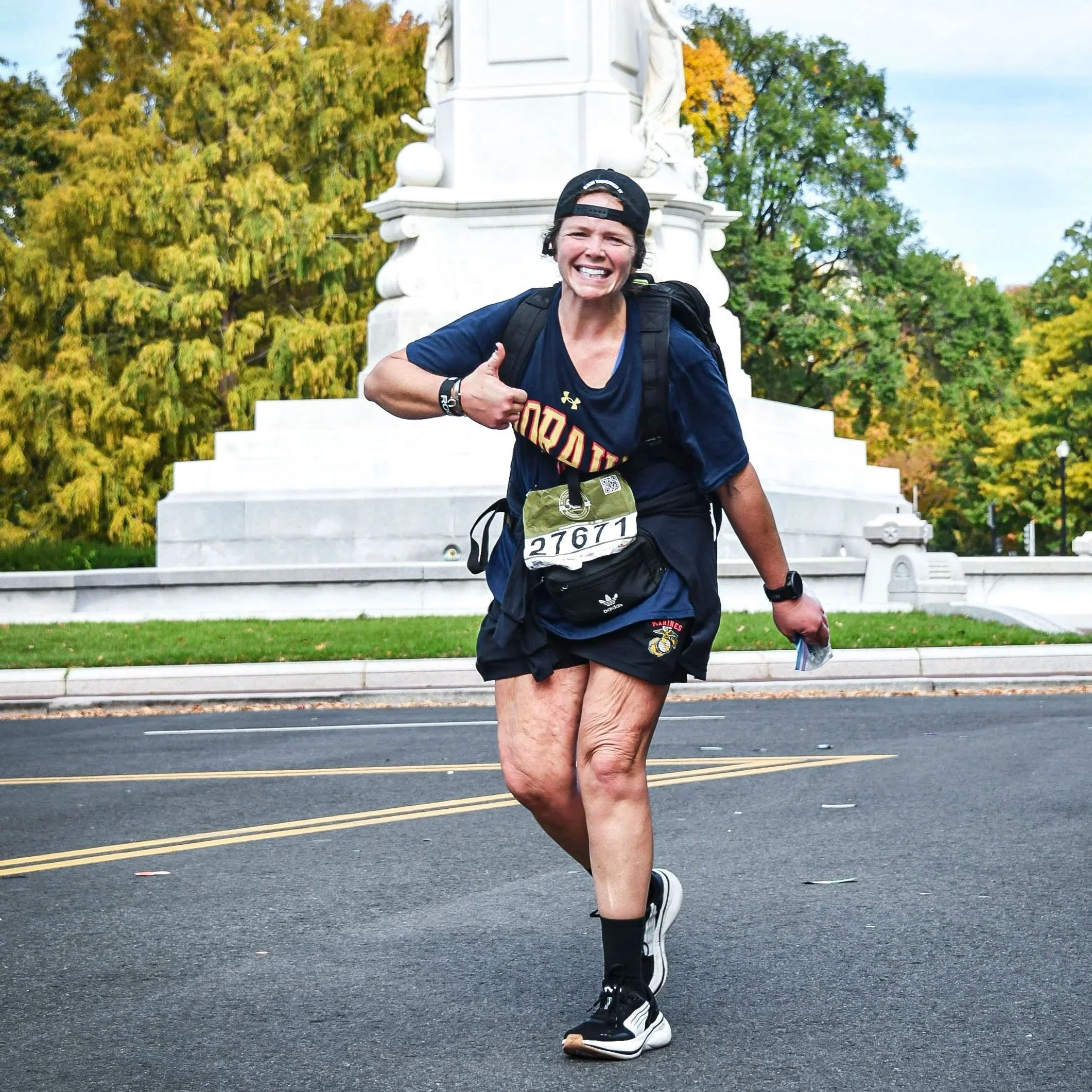
Kathy was close to 400 pounds at 19, but her weight is genuinely the least interesting thing about her, and that's kind of the whole point of this episode.
Morgan and Brooke sit down with Kathy Novak, Brooke's client of many years and a friend for over a decade. Kathy was close to 400 pounds at 19, and what started as a weight loss journey turned into something bigger: years of setbacks, injuries, plateaus, and slow stretches, and a body she learned to value for what it could do instead of how it looked. She gets into the early rush of watching the scale drop, the long stretches where the number stopped mattering, and the line she keeps coming back to through all of it: thankful for the opportunity to keep showing up.
This isn't really a weight loss story. It's a story about what keeps you going once the novelty wears off and life gets in the way.
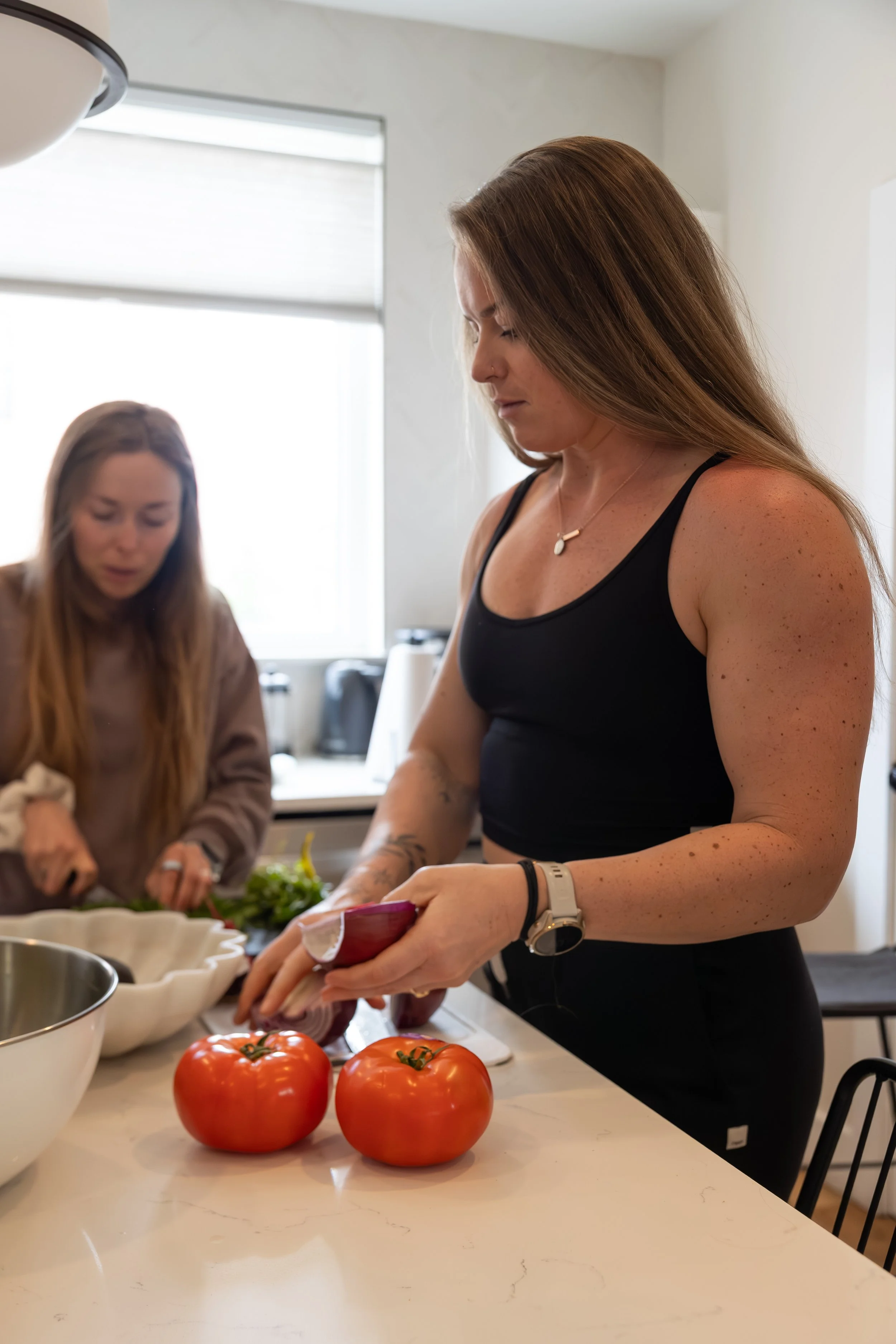
Supporting Health Goals That Aren’t Yours
Watching someone you love struggle with a habit that's hurting them is genuinely hard. The instinct is to fix it, but that's almost never what helps.
Amanda, Joyce, and Jess Gordon get into the psychology of supporting someone else's health goals, especially when that person isn't ready yet. They talk about why "have you heard the good word about protein" tends to backfire, why the people closest to you hear your concern as "I want you to be different," and the difference between someone who's asked for help and someone you're trying to change before they're ready.
Plus why information is almost never the missing piece, why people don't drop a habit until they're getting nothing out of it anymore, the stages of change worth understanding, and the one question to ask yourself before you say anything: am truly I helping them, or just trying to relieve my own discomfort?
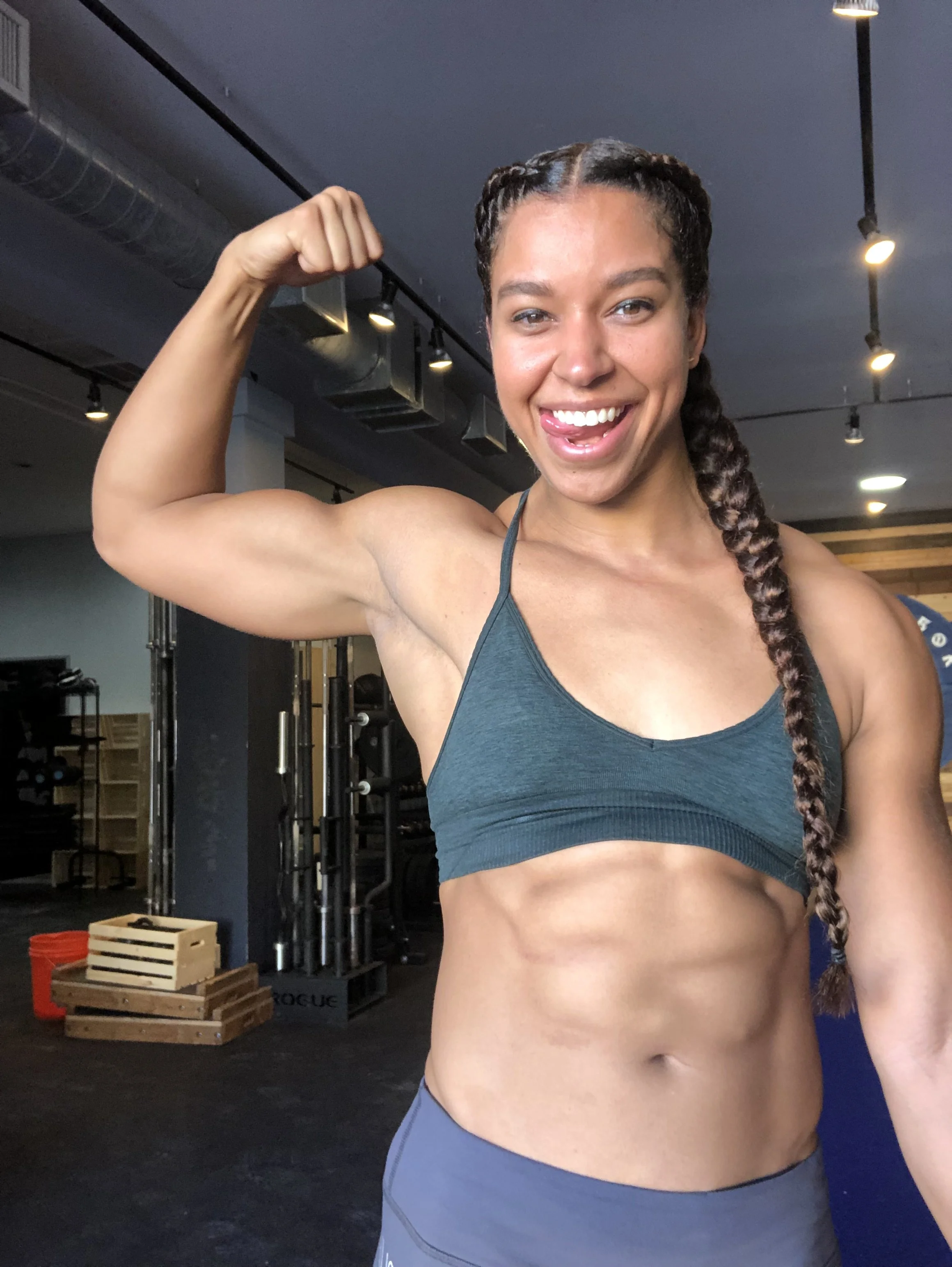
From Comparison to Confidence: Social Media & Body Image
Comparison itself isn't the problem. It's that you're comparing yourself to something fake and not even realizing it.
Ryann, Brooke, and Joyce get into how social media reshapes your body image, why the algorithm isn't showing you what you love but what you can't look away from, and how the whole machine is built to convince you something is wrong so there's always something to sell you. They get into everything that gets left out of the picture: the influencer on peptides selling you an eight-week plan, the spotless-house mom who has a nanny and a cleaner, the pro athlete whose full-time job is training six hours a day.
Plus why nobody normalizes the normal anymore, how curating your feed protects your peace, why even the people posting the content are performing a version of themselves, and a real reminder that your body has nothing to do with your worth.

Raising Kids Without Food Guilt
You can care about your own nutrition and still raise a kid with a healthy relationship to food. The two aren't in conflict. The language you use is what makes the difference.
Amanda, Christin, and Kelly come at this from three stages of parenthood: hoping to start a family, brand new mom, and mom of a two who now copy everything she does. They talk about how to pursue your own nutrition and performance goals in front of your kids without passing down the food guilt so many of us grew up with. How you talk about what you're doing, not the fact that you're doing it, is what your kids actually absorb.
Plus why kids aren't born with food guilt, why you don't have to hide your habits, how to catch a good habit quietly turning into a restrictive one, and why the energy you bring to food matters as much as the words.
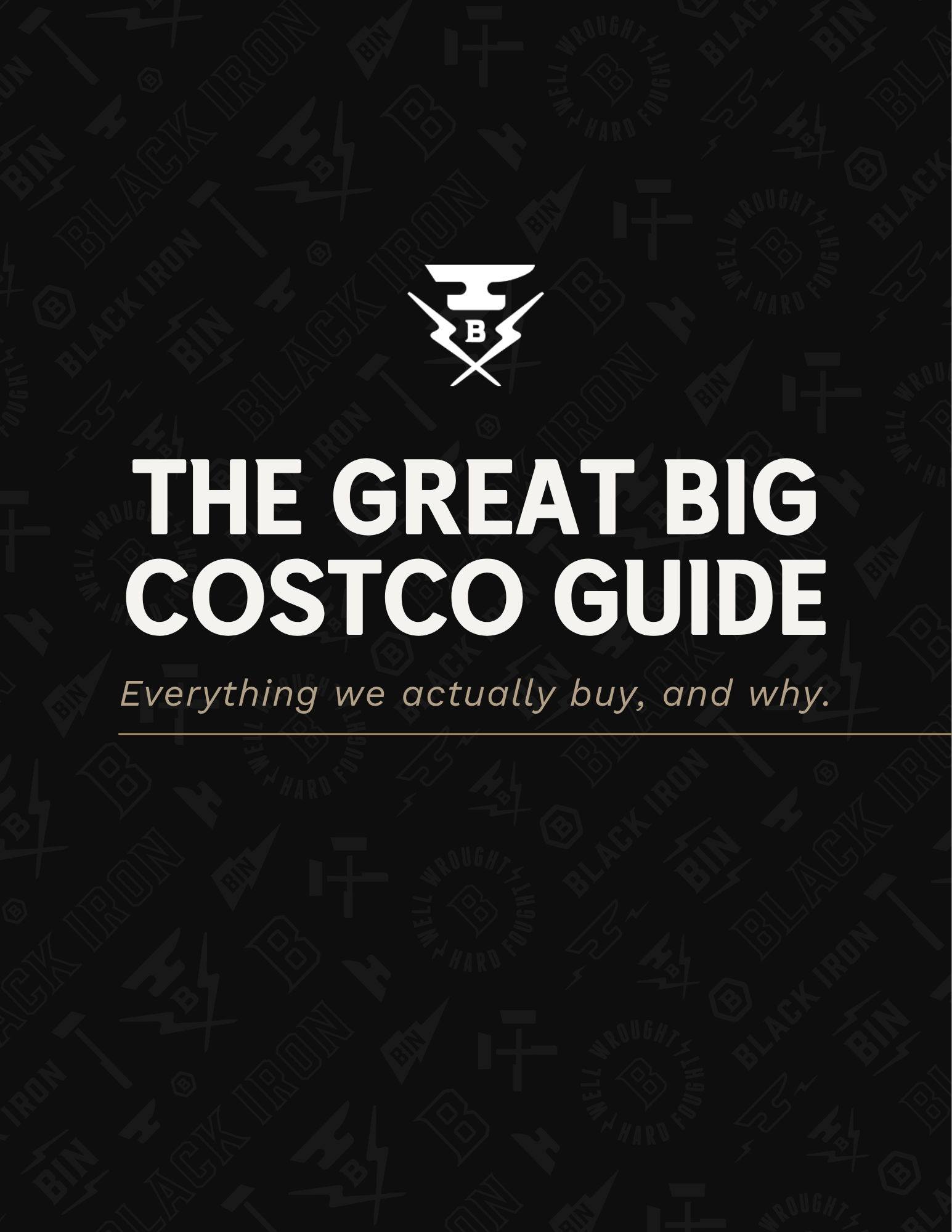
The Great Big Costco Guide
Costco can save your week or leave you with a freezer that won't shut, there's rarely an in-between. On this episode of Black Iron Radio, Krissy, Ryann, Joyce, and Chelsea break down how they actually shop the warehouse: the proteins, carbs, and fats that end up in their carts every time, the stuff that seems like a deal but goes bad before you finish it, and how they keep it all organized once they get home.
They get into shopping for one versus feeding a family of five, the app trick that builds your shopping list for you, why you shouldn't go in hungry, and the bulk buys that aren't worth it.
Grab the 6-page guide that goes with it, broken down by protein, produce, carbs, fats, and pantry staples like sauces, seasonings, and drinks, so you don't have to take notes.
The Voice in Your Head: Why Self-Talk Changes Outcomes
You hear your own voice more than anyone else's. Eventually it becomes the environment your brain lives in.
Amanda, Christin, and Jess Saxon get into how the story running in your head shapes your performance, your body image, your confidence, and your ability to build anything that lasts. They talk about why self-criticism gets mistaken for accountability, why the same event can produce two completely different conclusions depending on the narrator, and why the most elite athletes aren't relentlessly positive, they're just objective. They assess, adjust, and move on.
Plus the five-minute rule for processing a bad performance, why "fake it till you make it" is truer in performance than anywhere else, why food choices are data and not a character verdict, and how becoming a parent makes you hear your own inner voice completely differently.
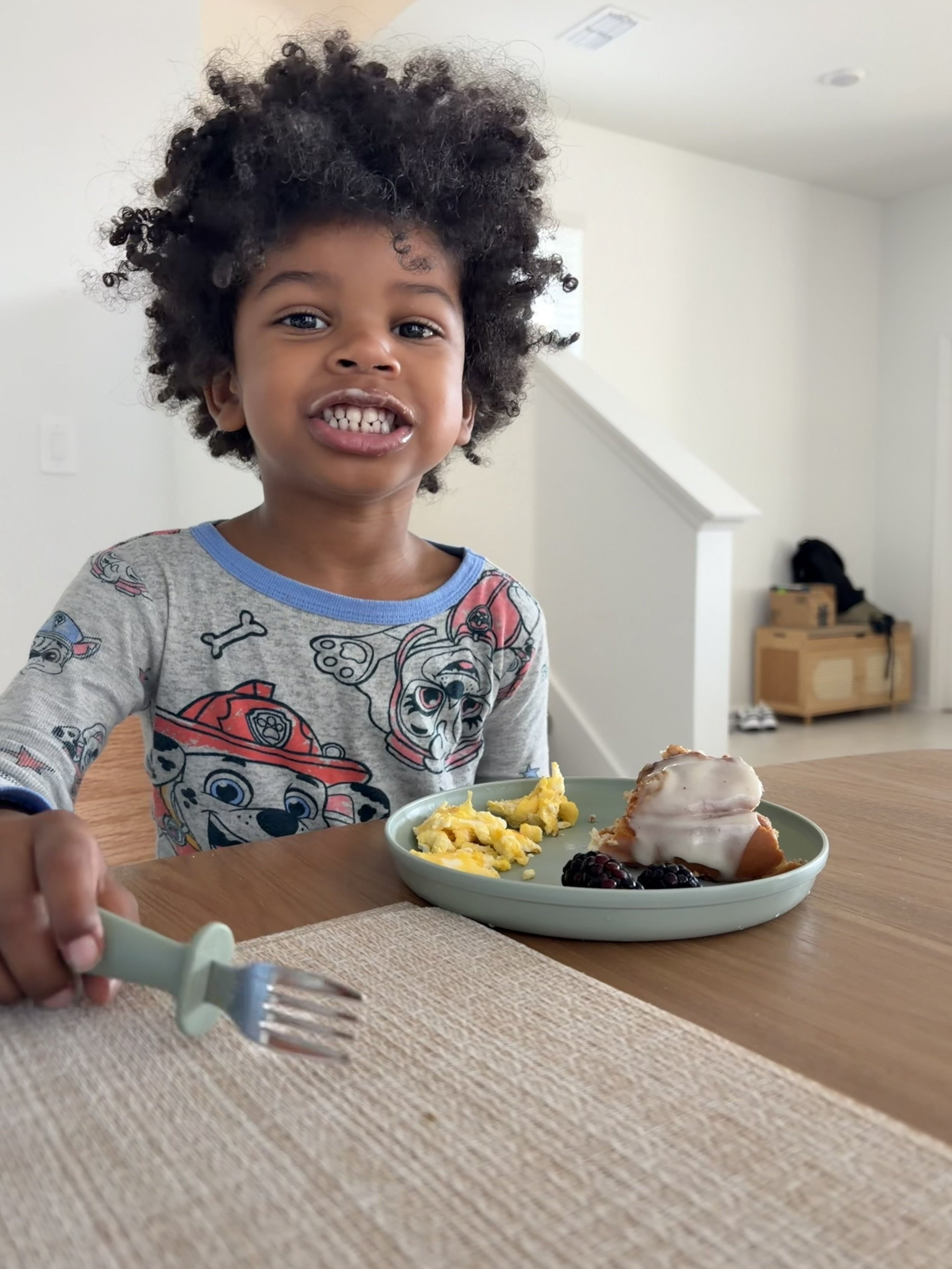
So You Want To Involve Your Kids in Health Habits
The goal isn't just to raise healthy kids, but to raise adults who can walk into a room full of food choices and trust themselves.
Morgan, Joyce, and Jess Saxon get into how the way you talk about food and movement in front of your kids shapes their relationship with both for the rest of their lives. They talk about the food rules they grew up with, why restriction almost always backfires, how to give kids buy-in instead of just telling them to eat their broccoli, and why working with your kid's temperament beats forcing them into a box.
Plus a real conversation about parent guilt, unlearning the stuff you thought was required, handling the unsolicited advice from grandparents and grocery store strangers, and why nobody knows your kid the way you do.
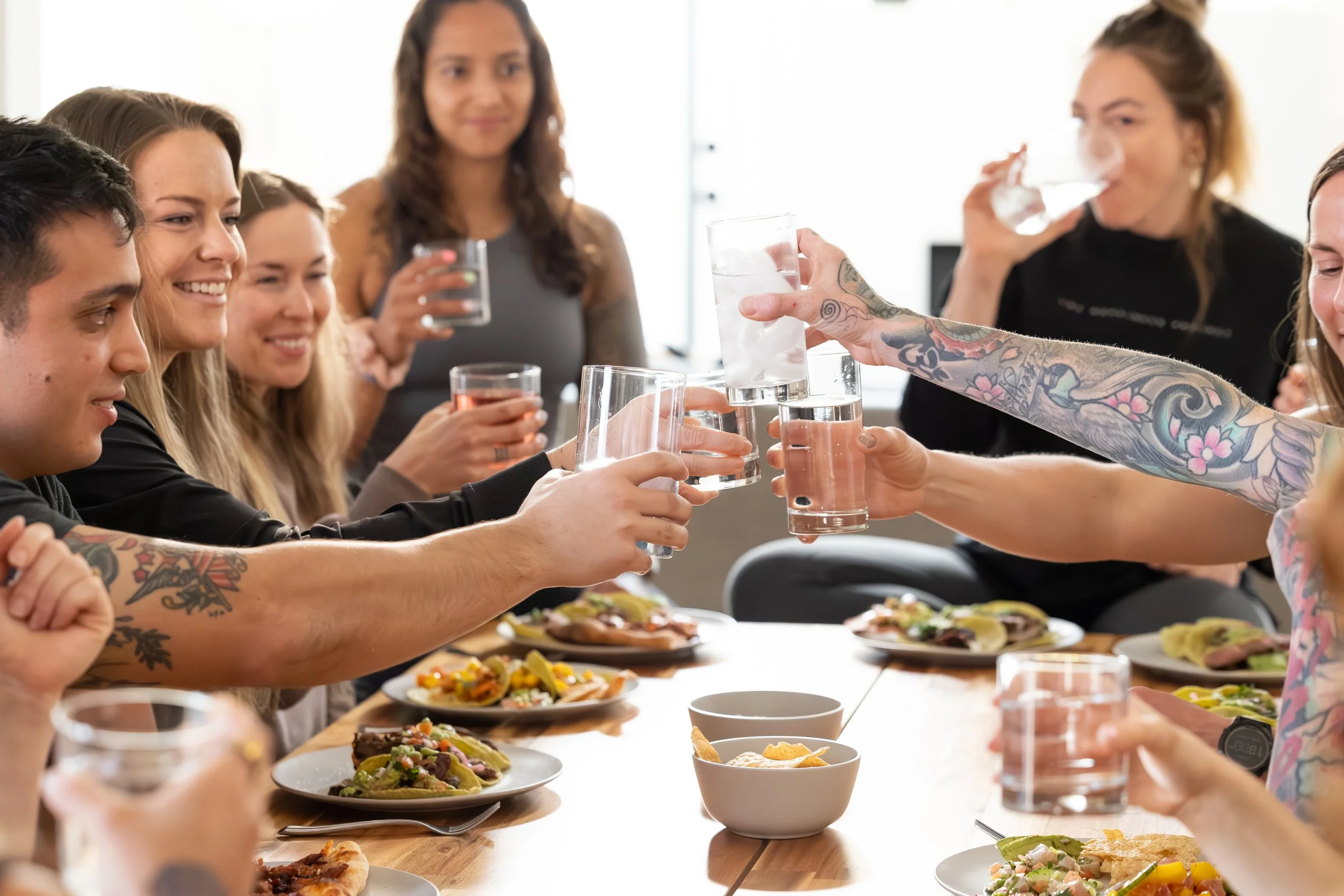
Cutting Back on Alcohol: What to Know and What to Try
Alcohol consumption in the US just hit its lowest point in nearly 90 years, and the conversation around drinking has gotten a lot more nuanced.
Ryann, Sabrina, and Nic get into why people are drinking less, what is actually driving the change, and what the growing market of alcohol alternatives looks like for people who still want something in their hand at a social event. They cover the real impacts of alcohol on sleep, recovery, performance, and mental health, how to think about it if you have a complicated family history with it, and why there is a meaningful difference between not drinking and demonizing people who do.
Plus a breakdown of the actual alternatives, which ones are worth trying, which ones are mostly marketing, and how to figure out what actually fits your lifestyle.
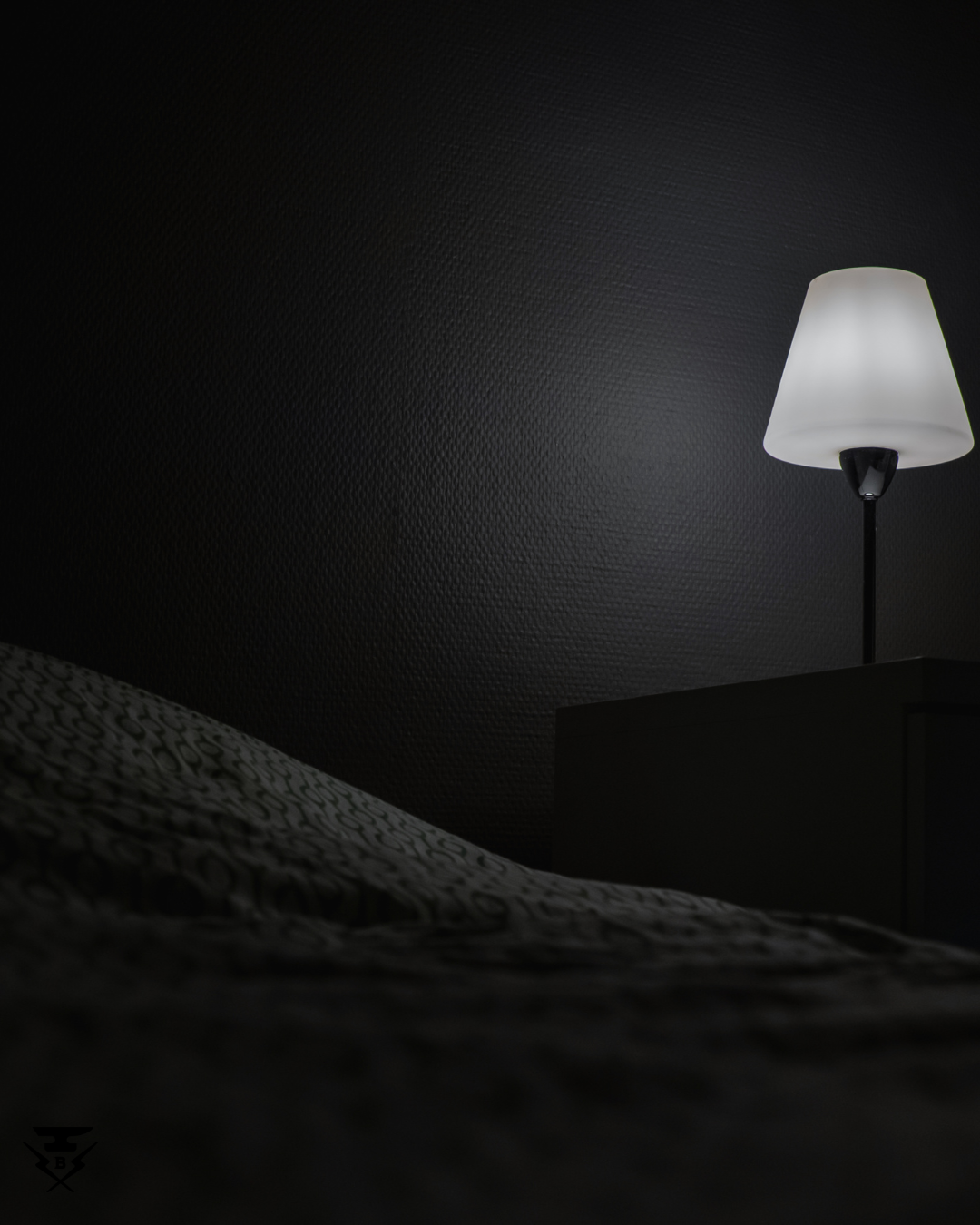
Deep Dive on Sleep Hygiene: Past Tips & New Hacks
You already know you should be sleeping more. This episode is about actually making it happen.
Morgan, Ryann, and Nic get into both the fundamentals you need to have in place and the newer research most people have not heard yet. They cover why poor sleep does more damage to your nutrition progress than a bad diet day, what your circadian rhythm actually is and why wrecking it on weekends is basically giving yourself jet lag on purpose, and the surprising research on hot showers before bed. Plus mouth taping, temperature regulation, why the little standby light on your TV might be ruining your sleep, and what social jet lag is doing to your body even when you think you are catching up on rest.
This one is dense with good science, and still very funny.
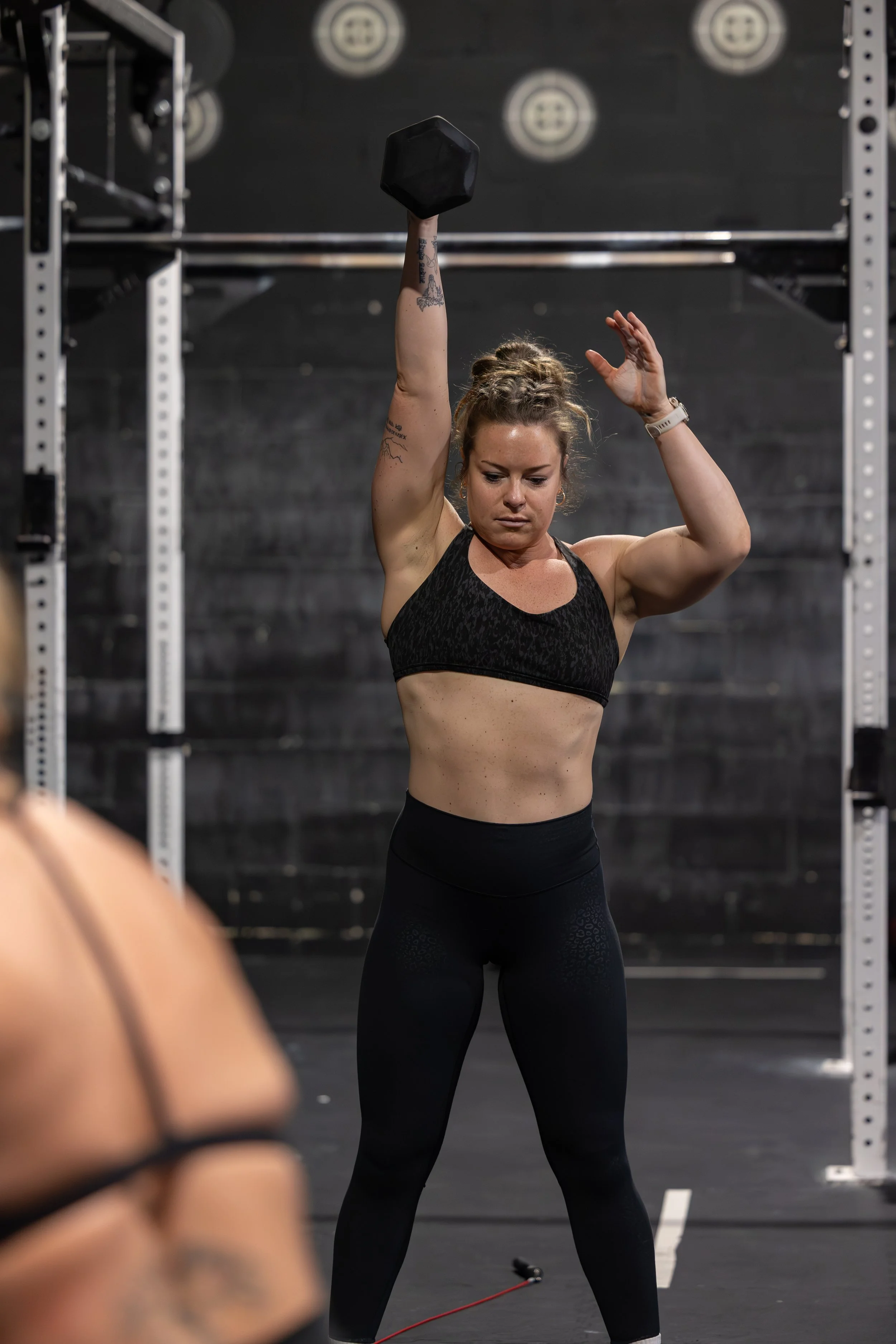
So You Want To Get Comfortable Being Uncomfortable
Feeling uncomfortable when you try to change something is not a sign you are doing it wrong. It is a sign your brain is working exactly as designed.
Amanda, Brooke, and Kelly get into the biology and psychology behind why behavior change is so hard, why your brain is literally wired to talk you out of new habits, and why friction is not the same thing as failure. They cover productive discomfort versus the kind of discomfort that is actually a red flag, why people quit new things too soon, the difference between a fixed mindset and a growth one, and how to build the kind of resilience that actually makes habits stick.
This is not an episode about pushing through pain. It is an episode about understanding why this feels hard and building something that can handle it anyway.
Celebrating Non-Scale Wins
The scale is capable of doing exactly one thing well: telling you your relationship to gravity. It cannot tell you how much muscle you have gained, how much fat you have lost, how your sleep has improved, or why you finally stopped stress eating at 10pm. And yet most people use it as the only measure of whether any of this is working.
Ryann, Christin, and Joyce talk about what progress looks like when you stop letting the scale be the only thing that counts. They get into the non-scale wins that show up in clients who are doing everything right, why the goal weight you have in your head is probably more arbitrary than you realize, why a bigger body is not a less healthy body, and how shifting your focus to habits and deep health is what actually makes any of this sustainable long term.
Rewriting the “Summer Body” Story
Every year around this time, without fail, the summer body messaging is in full-force. The "last chance to lose 10 pounds before beach season" ads, paired with the implication that you have to earn the right to be seen in a swimsuit. It is the same story in different packaging, and it has been going on since your grandmother was worried about her waist size.
Amanda, Kelsey, and Sabrina talk about where that messaging actually comes from, why it sticks, and why hitting the number you have been chasing is almost never the thing that makes you feel better. They get into the negative feedback loop, the self-talk red flags, anchoring bias, why nobody at the end of a vacation remembers what anyone looked like in a bikini, and why BIN stopped running summer challenges.
You are allowed to have goals. This episode is just about making sure the story driving those goals is actually yours.
Why Quick Fixes Fail: The Psychology of Dieting
If you've ever wondered why you can be a disciplined, structured person in most other areas of your life and still feel completely out of control around food the second you try to lose weight, this episode is going to explain a lot.
Amanda, Christin, and Joyce get into the psychology of dieting and what is actually happening in your brain during a calorie deficit. They cover the key hormones driving hunger, cravings, and motivation, why the longer and harder you diet the worse it tends to get, and why the cycle of starting over keeps reinforcing itself. They also get into the Minnesota Starvation Experiment and why its findings are more relevant to modern diet culture than most people realize.
This is not an episode about willpower. It is an episode about biology, and why understanding it changes everything about how you approach fat loss.
So You Want To Learn More About Back Health
Back pain has a way of making you terrified of the exact movements that would actually fix it. And at some point, a lot of people develop a complicated relationship with their back because of this.
Morgan sits down with Whitney, doctor of physical therapy, and Jess G. to talk about why back pain is so pervasive, what is actually causing it in most cases, and why avoiding the movements you are scared of is often making things worse. They get into the nervous system's role in pain perception, what the green light yellow light red light system looks like in practice, when to actually be alarmed versus when discomfort is just part of getting stronger, and what to do when a provider tells you to never do something again.
Plus a breakdown of bulging discs, how to build a strong low back, exercises to do after six hours at a computer, and why the way you talk about your body matters more than you think.
This one is dense, and it is worth every minute.
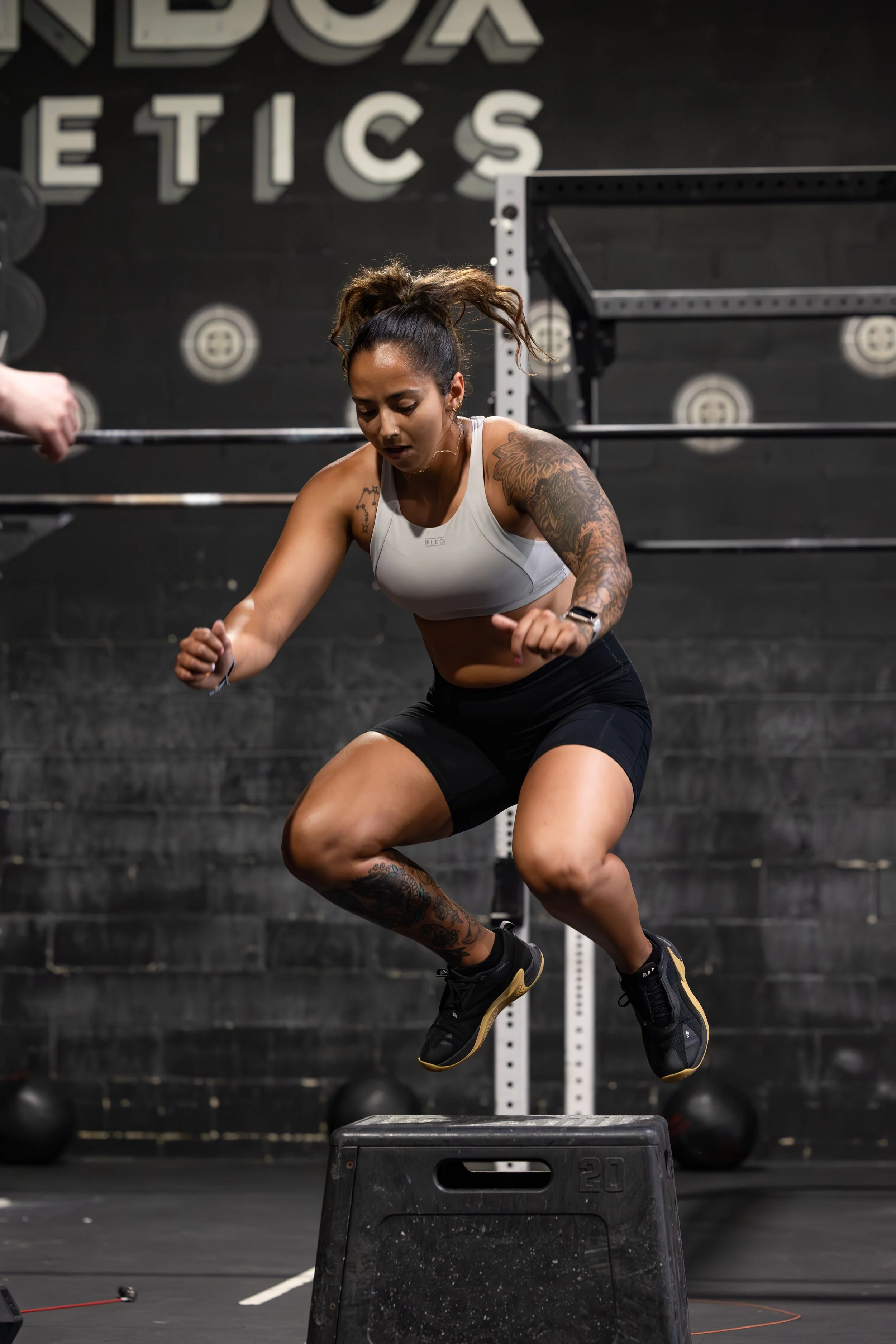
Stress Eating vs. Stress Movement: Rewiring Your Stress Response
Stress eating isn't a discipline thing. It is your nervous system looking for the fastest route to relief, and food is really good at providing that, at least temporarily.
Ryann, Sabrina, and Chloe get into why we reach for food when we are stressed, what is happening in the body when we do, and how to start building a pause between the trigger and the pantry. They talk about stress movement as an alternative and why that can become its own slippery slope if you are not careful. Plus the basics that nobody wants to hear because they are not sexy: eating enough, sleeping enough, drinking enough water, and doing small things every day that actually fill your cup.
No big overhauls, just a more honest conversation about what is actually going on and what actually helps.
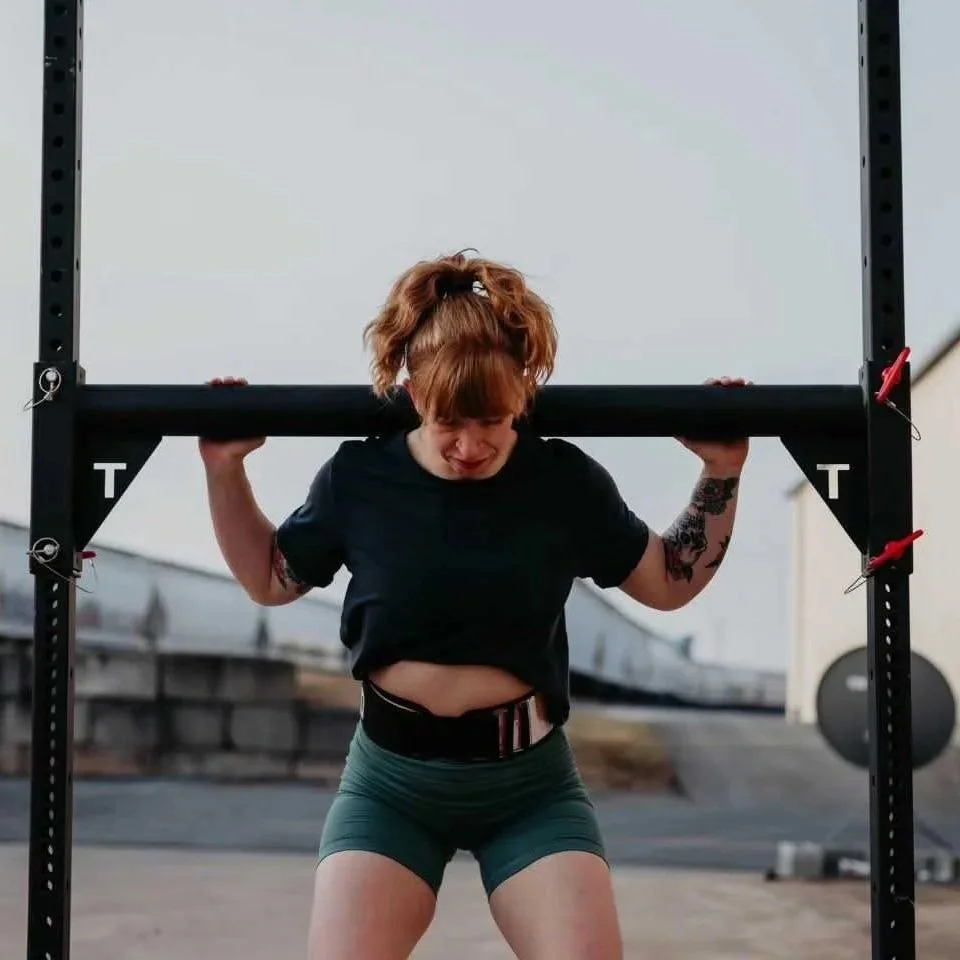
So You Want to Rebuild Your Confidence After Weight Gain
Weight gain is not a moral failure. But we live in a culture that treats it like one.
Ryann, Brooke, and Jess get into the identity shift that comes with a body that looks or feels different, why comparing yourself to a previous version of yourself is one of the least useful things you can do, and what it looks like to rebuild confidence when the scale is not moving in the direction diet culture tells you it should. They talk about goal pants, buying new clothes, and skinny culture trying to make it's comeback.
Plus a real conversation about postpartum, weight class sports, athletic performance, and why the most exciting thing about you has never been what you weigh.
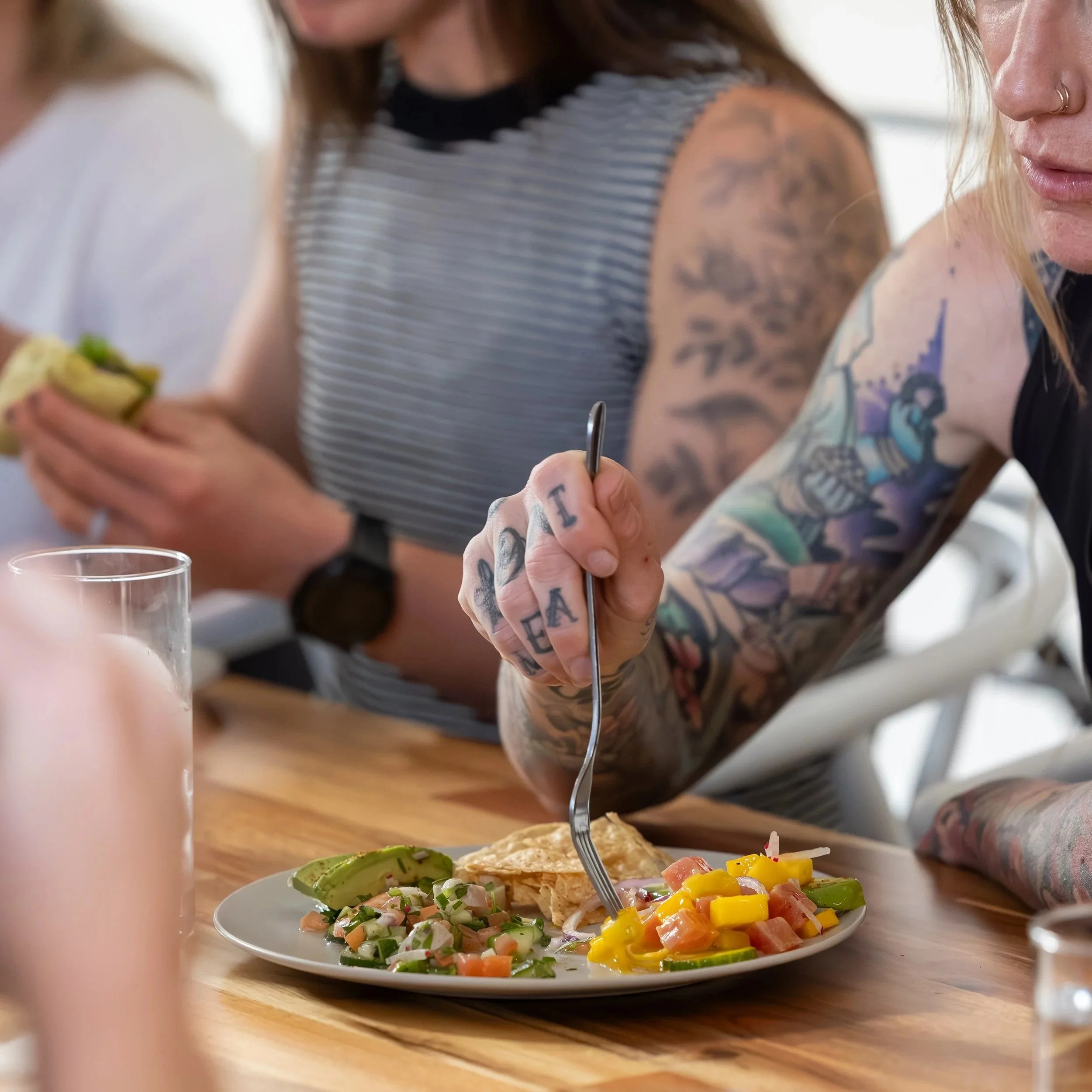
So You Want to Stop Starting Over Every Week, Month, or Year
Starting over is exhausting, and at some point, it starts feeling like nothing works.
Krissy, Sabrina, and Kelsey break it down in three parts: why you keep ending up back at square one, why that cycle is doing more damage than you realize, and how to knock it off. They get into all or nothing thinking, the f*ck-its, motivation that fades the second life gets busy, and why every time you break a promise to yourself it gets a little harder to trust that you will follow through next time.
Real talk from three coaches who have all lived this themselves and now spend their days helping clients get out of it.
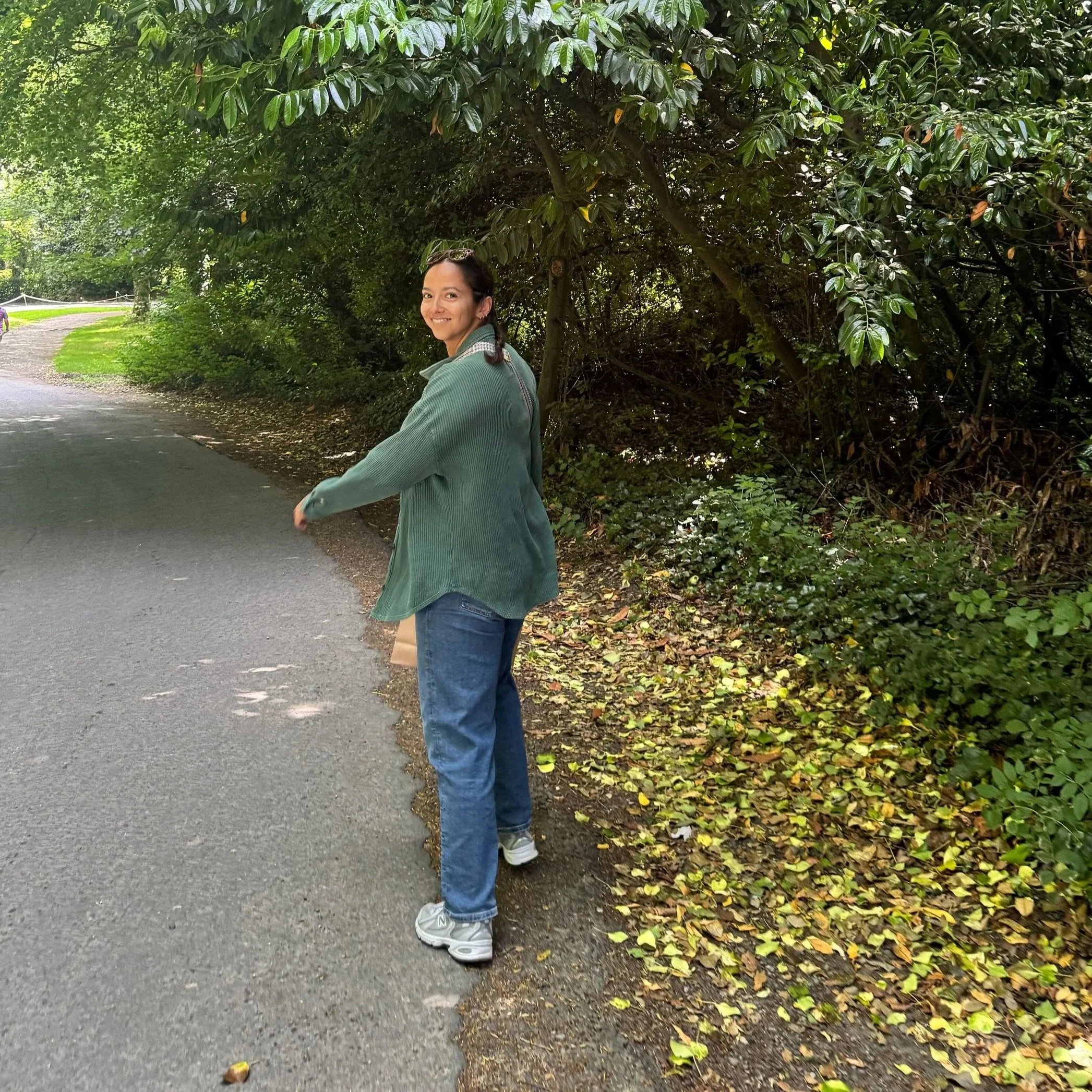
So You Want To Get More Steps in Your Workday
Getting more steps in during your workday sounds easy in theory. In real life, not so much. Not when you work at a desk, your brain is cooked, your schedule is crazy, and going for a little walk somehow starts to feel like a whole thing.
Krissy, Sabrina, and Chloe talk about why walking is still one of the most underrated tools for health, recovery, blood sugar, mood, and overall sanity. They break down where "10k a Day" came from, why more is not always better, and how to build a more realistic step goal without making your life revolve around your watch.
They also get into exercise snacks, walking breaks, walking pads, workday routines, and simple ways to move more even when you're busy, sedentary, or just deeply committed to your excuses. Equal parts helpful and unhinged, this one is basically a pep talk for anyone who knows they'd feel better with more movement but needs a more realistic way to make it happen.