
So You Want To Get More Steps in Your Workday
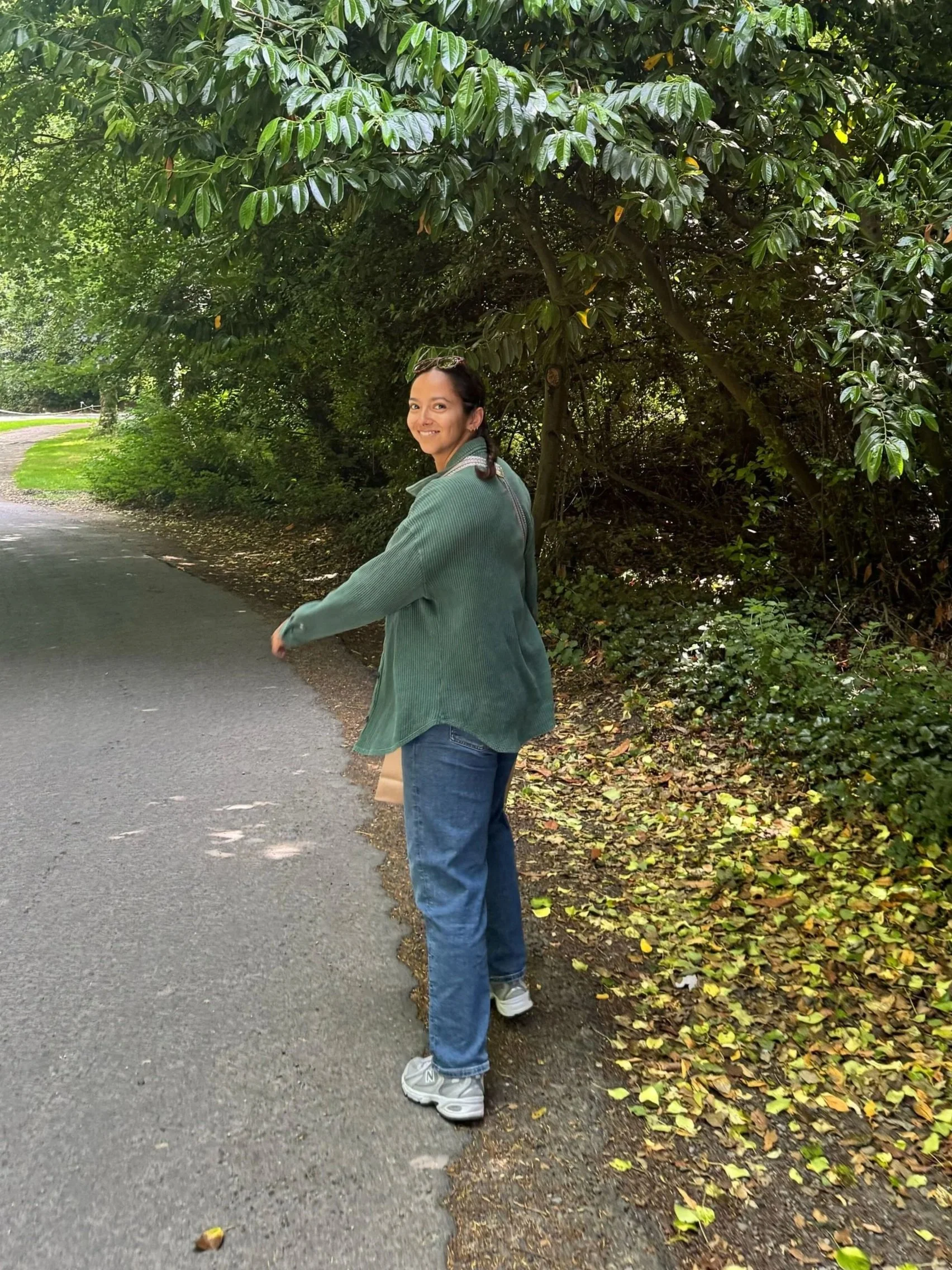
BLACK IRON RADIO EP. 338: So You Want To Get More Steps in Your Workday
Getting more steps in during your workday sounds easy in theory. In real life, not so much. Not when you work at a desk, your brain is cooked, your schedule is crazy, and going for a little walk somehow starts to feel like a whole thing.
Krissy, Sabrina, and Chloe talk about why walking is still one of the most underrated tools for health, recovery, blood sugar, mood, and overall sanity. They break down where "10k a Day" came from, why more is not always better, and how to build a more realistic step goal without making your life revolve around your watch.
They also get into exercise snacks, walking breaks, walking pads, workday routines, and simple ways to move more even when you're busy, sedentary, or just deeply committed to your excuses. Equal parts helpful and unhinged, this one is basically a pep talk for anyone who knows they'd feel better with more movement but needs a more realistic way to make it happen.
Also: a few hot takes on weather, cities, and trash TV, because obviously.
📲 Listen & Subscribe: Apple Podcasts | Spotify
If you work from home or have a desk job, you already know the drill. You sit down to start your day, look up, and somehow six hours have passed. Your back hurts, your hips are tight, and your step count is embarrassingly low. Even if you hit the gym every morning, spending the rest of the day completely sedentary can undermine more than you might think.
Krissy, Sabrina, and Chloe sat down to talk through why walking matters so much, where that 10,000 steps number actually came from, and how to realistically add more movement into a busy workday without losing your mind trying.
Why We Keep Talking About Walking
Walking is one of those habits that sounds almost too simple to matter, which is probably why so many people dismiss it. But the benefits are real and wide-ranging, and they go well beyond burning extra calories.
On the mental health side, walking consistently improves mood, reduces anxiety, and is one of the first habits worth building when stress starts creeping up. Getting outside, specifically, adds another layer. Even on a cloudy day, fresh air and a change of scenery can reset your brain in a way that staring at a screen for another hour simply cannot.
From a metabolic standpoint, a short walk after meals, even just 10 to 15 minutes, improves insulin sensitivity and helps regulate blood sugar. It's one of the simplest post-meal habits you can build, and the research behind it is solid.
Walking is also one of the best recovery tools you have access to. If you crushed a hard workout yesterday and can barely move, lying on the couch all day is probably the worst thing you can do. Getting out for a 20-minute walk helps circulate blood and lymph fluid, which reduces inflammation and speeds up recovery. Motion is lotion, as Chloe put it.
One underrated bonus: walking is a surprisingly good anchor habit. Getting outside in the morning, for instance, exposes you to natural light, which supports your circadian rhythm and can help regulate appetite throughout the day. And if your schedule is chaotic, a 10-minute walk gives you at least one small win to build momentum from.
The 10,000 Steps Myth
Here's something worth knowing: the 10K steps target was not born from research. It originated as a marketing campaign tied to the 1964 Tokyo Olympics. The Japanese character for 10,000 resembles a person walking, and someone ran with it. The number stuck, but it was never based on science.
More recent research suggests that 7,000 to 8,000 steps a day is a solid target for most people, and even that is not a hard rule. It depends on your baseline, your lifestyle, and what you're actually trying to accomplish. What the research does consistently show is that you do not need to hit 10,000 steps to get meaningful benefits from walking more.
The bigger issue is that "more is better" thinking tends to backfire. Sabrina experienced this firsthand when she participated in a 20,000 steps per day challenge while also training four to five hours a day. The result was mentally and physically unsustainable, and she eventually burned out. More steps is not always a win, especially if the goal is unrealistic for your actual life.
How to Actually Build Up Your Steps
The same approach we use with nutrition applies here: small, consistent increases over time beat dramatic leaps that fall apart in a week.
If you are currently averaging around 3,000 steps a day, the next goal is 4,000 to 5,000, not 10,000. Once you can hit that lower number consistently, then you bump it up. You keep building until you find the number that fits your life and that you can maintain without it becoming a source of stress.
As a reference point, a 10-minute walk at a normal pace yields roughly 1,000 to 1,200 steps. That means adding one 10-minute walk to your day gets you meaningfully closer to your goal without requiring a major time commitment.
It is also worth remembering that weekly averages matter more than any single day. If you get 14,000 steps on Saturday because you spent the day outside, that balances out a slow Wednesday. We're not looking for perfection every single day. We're looking at the overall pattern across the week.
One more note on the physical side: going from very little walking to a lot of walking too quickly can actually cause injury. Tendon and joint issues are a real risk when you ramp up too fast. Gradual increases protect you from that.
Practical Ways to Get More Steps During a Workday
Getting more steps in when you have a full schedule is less about finding one big block of time and more about stacking small opportunities throughout the day.
Take your calls on the move. Any call that does not require you to be on your computer is an opportunity to walk. Pace around your house, do laps around your backyard, or head outside if you can. You will barely notice the time passing, and you will hang up with extra steps already in the bank.
Try exercise snacks. A five-minute walk every hour adds up fast. One of Sabrina's clients made it a habit to do a lap around her office building every hour during the workday. By the end of the day, those short walks had added up to meaningful movement without ever requiring her to block off a chunk of time.
Pair walking with something you enjoy. If you have a podcast you're into or a friend you have been meaning to catch up with, tie it to a walk. Save certain content for walking only if you need extra motivation. The time goes faster when you are entertained, and it starts to feel less like exercise and more like something you look forward to.
Use a walking pad strategically. Walking pads are not for everyone, but they can be genuinely useful in certain situations, especially when weather makes going outside miserable. The key is using it as a tool, not a replacement for getting outside entirely. Watching TV, taking phone calls, or just breaking up a long stretch of sitting are all solid uses.
Add buffer walks to workouts you are already doing. If you go to a gym, arrive five minutes early and walk before you get started, then tack on another five minutes at the end as a cooldown. You are already there. Might as well use it.
Make it social. If you have been meaning to meet a friend and you are both strapped for time, suggest walking somewhere together instead of sitting. An hour of conversation goes by fast when you're moving, and you will finish feeling better than you would have sitting in a coffee shop.
Tracking Your Steps Without Overthinking It
You do not need a fancy device to get started. Your smartphone tracks steps as long as it is on your person, and even doing that for a few days gives you a useful baseline.
That said, a wearable can make it easier to stay aware without having to think about it too much. Watches, fitness trackers, and rings all work. The best one is the one you will actually wear consistently.
One thing worth noting: if you use a walking pad or push a stroller regularly, your wrist-based step count may be lower than your actual movement, since your arm is not swinging freely. Wearing a tracker on your ankle or experimenting with different placement can help.
The Bottom Line
Walking is not glamorous, and it is not going to get the attention that a new lifting program or a 10K training plan gets. But it is one of the most sustainable, low-barrier habits you can build, and the evidence backing it up is strong.
Start by knowing your baseline. Then pick one small addition: a 10-minute walk after lunch, laps around the house during your next phone call, a quick loop around the block before you sit back down at your desk. Build from there, and only increase once the current goal feels consistent and manageable.
Simple habits done regularly beat ambitious habits done occasionally every single time.
🎙️ WANT MORE? SUBSCRIBE TO BLACK IRON RADIO!
If you enjoyed this conversation, check out more episodes of Black Iron Radio, where we cut through the noise and give you real, no-BS advice on feeling, performing, and looking your best. Each week we share practical nutrition, training, and wellness strategies and tips to help you succeed.
📲 Listen & Subscribe: Apple Podcasts | Spotify
