
All About Creatine: Benefits Beyond Strength
Creatine is often dismissed as a “gym bro” supplement, but it’s one of the safest, cheapest, and most effective tools for improving performance, recovery, and brain health—no matter your sport or age. The Black Iron team breaks down the myths, the science, and the real-world benefits behind creatine supplementation.
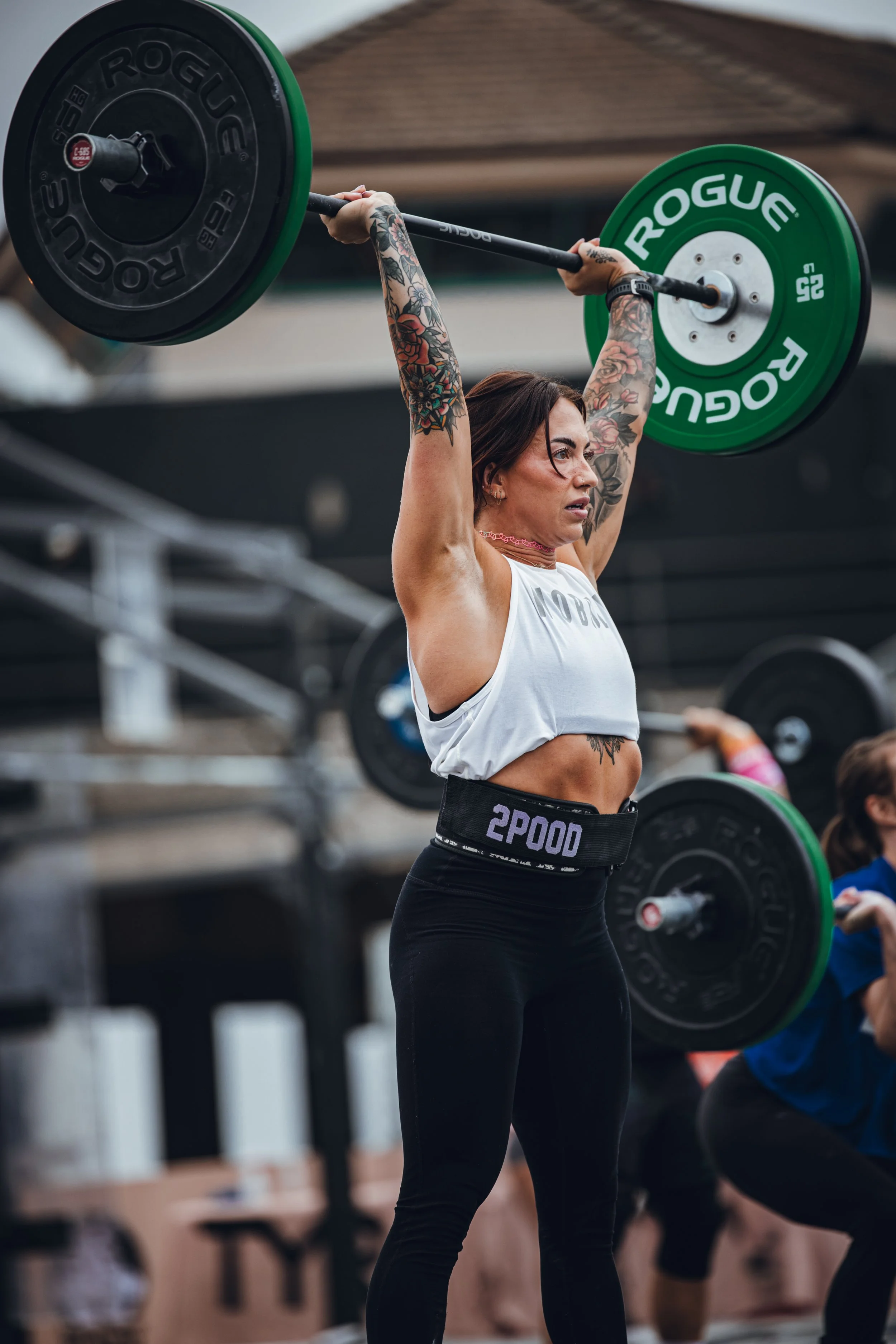
BLACK IRON RADIO EP. 291: All About Creatine: Benefits Beyond Strength
Manders, Sabrina, and Amanda unpack one of the most studied (and misunderstood) supplements in the fitness world. Creatine is often dismissed as a “gym bro” supplement, but it’s one of the safest, cheapest, and most effective tools for improving performance, recovery, and brain health—no matter your sport or age.
📲 Listen & Subscribe: Apple Podcasts | Spotify
Creatine might just be the most misunderstood supplement out there. For years, it’s been pigeonholed as something only powerlifters or bodybuilders take, but research continues to prove it’s useful for just about everyone—from marathoners and mountaineers to menopausal women and sleep-deprived parents.
What Creatine Actually Is
Creatine is a naturally occurring compound made from the amino acids arginine, glycine, and methionine. Your body produces it in the liver, kidneys, and pancreas, and it’s stored primarily in skeletal muscle as phosphocreatine. Think of it as quick-access fuel for high-intensity efforts—your body’s “go juice” for sprints, lifts, and any short, powerful movement.
Supplementing with creatine increases the amount of stored phosphocreatine, which helps your body regenerate ATP—the molecule your muscles use for energy—so you can train harder, longer, and recover faster.
Energy Systems 101
Amanda broke down how creatine fits into your body’s three main energy systems:
ATP-PC (Phosphagen) System: Powers short bursts of max effort (0–15 seconds). This is where creatine does its magic.
Anaerobic Glycolytic System: Covers moderate-intensity efforts (20 seconds–2 minutes).
Aerobic System: Kicks in for longer, lower-intensity efforts like running or cycling.
By keeping the phosphagen system firing longer, creatine delays fatigue and boosts training volume and power output.
Myths, Busted
Myth #1: “Creatine is a steroid.”
Nope. It’s a compound your body already makes and uses. Supplementing just tops off your tank.
Myth #2: “It’ll wreck your kidneys.”
Also no. Elevated creatinine on bloodwork doesn’t mean kidney damage—it’s simply a byproduct of creatine metabolism. In healthy individuals, studies show no harm to kidney function.
Myth #3: “It makes you bloated.”
That “bloat” you might feel at first? It’s just water being pulled into your muscle cells (not under your skin). That’s where you want it—it means your muscles are hydrated and ready to perform.
The Right Type and How to Take It
Skip the flashy blends and stick with creatine monohydrate. It’s the most researched, most effective, and most bioavailable form—period. Other types are mostly marketing fluff.
Dose: 3–5 grams daily.
Timing: Anytime works, but taking it with food may help with absorption.
Loading: Not necessary. You’ll reach saturation within 3–4 weeks at regular doses.
If you get mild GI discomfort, split your dose in half or mix it into meals. Just avoid dumping it in your morning coffee—high caffeine intake can slightly interfere with creatine uptake.
Who Benefits Most
Everyone, but especially:
Vegans and vegetarians, since they don’t get dietary creatine from animal sources.
Endurance athletes, who can see faster recovery and reduced inflammation post-training.
Older adults, for bone, brain, and muscle health.
Anyone under chronic stress, since creatine supports cognitive function and sleep quality.
Beyond the Barbell: Brain and Mood Benefits
Creatine isn’t just about power output—it’s about power upstairs too. Emerging research shows it may improve memory, cognitive function, and mood, particularly in people dealing with sleep deprivation, high stress, or depression. It’s even being studied for potential benefits in neurodegenerative diseases and post-menopausal bone health.
The Bottom Line
Creatine is:
✅ Safe
✅ Affordable
✅ Well-researched
✅ Beneficial for nearly everyone
Stick with creatine monohydrate, take 3–5 grams daily, and give it a few weeks to work its quiet magic. It’s not about chasing a quick fix—it’s about fueling your body (and brain) to perform at its best.
🎙️ WANT MORE? SUBSCRIBE TO BLACK IRON RADIO!
If you enjoyed this conversation, check out more episodes of Black Iron Radio, where we cut through the noise and give you real, no-BS advice on feeling, performing, and looking your best. Each week we share practical nutrition, training, and wellness strategies and tips to help you succeed.
📲 Listen & Subscribe: Apple Podcasts | Spotify
