
WELCOME TO OUR BLOG
SEARCH FOR AN ARTICLE
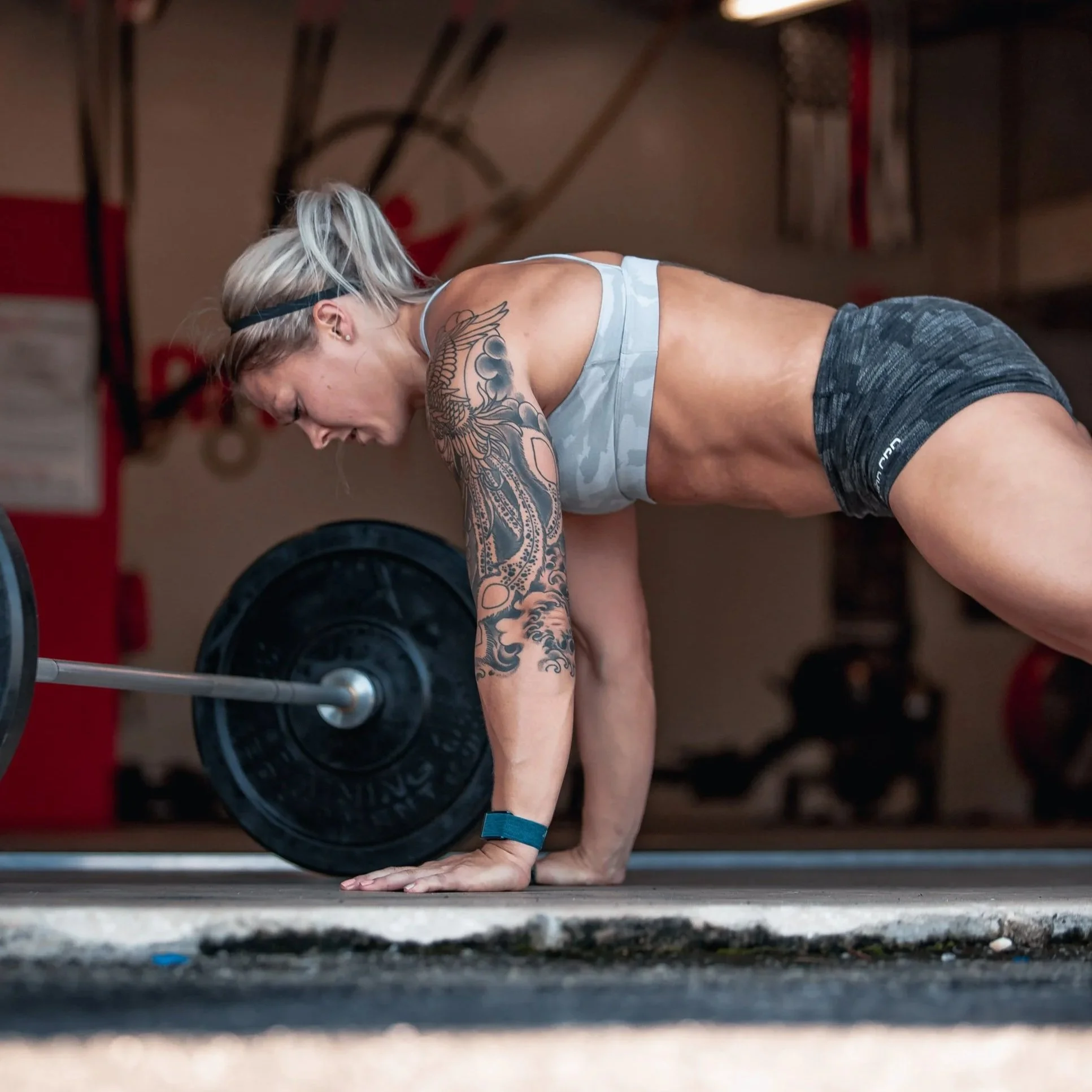
So You Want To work on skills You Suck At
There's a certain grace we give kids while they're learning that we completely stop giving ourselves as adults.
Morgan, Brooke, and Jess Gordon get into why being bad at something is worth leaning into, not avoiding. As adults we tend to stay parked in the areas where we're already competent, so choosing to be a beginner at something you might fail at over and over is its own kind of brave. They talk about the ego hit of sucking at something in a season of life where you feel like you shouldn't be a beginner at anything, why "I suck at this" is usually just "I haven't learned this yet," and the programming side of actually getting better instead of spinning your wheels.
Plus why you never know how many hours went into the thing that looks effortless on someone else, how to talk to yourself when you're failing a skill on repeat, and the difference between the people who fail with grace and the people who quit.
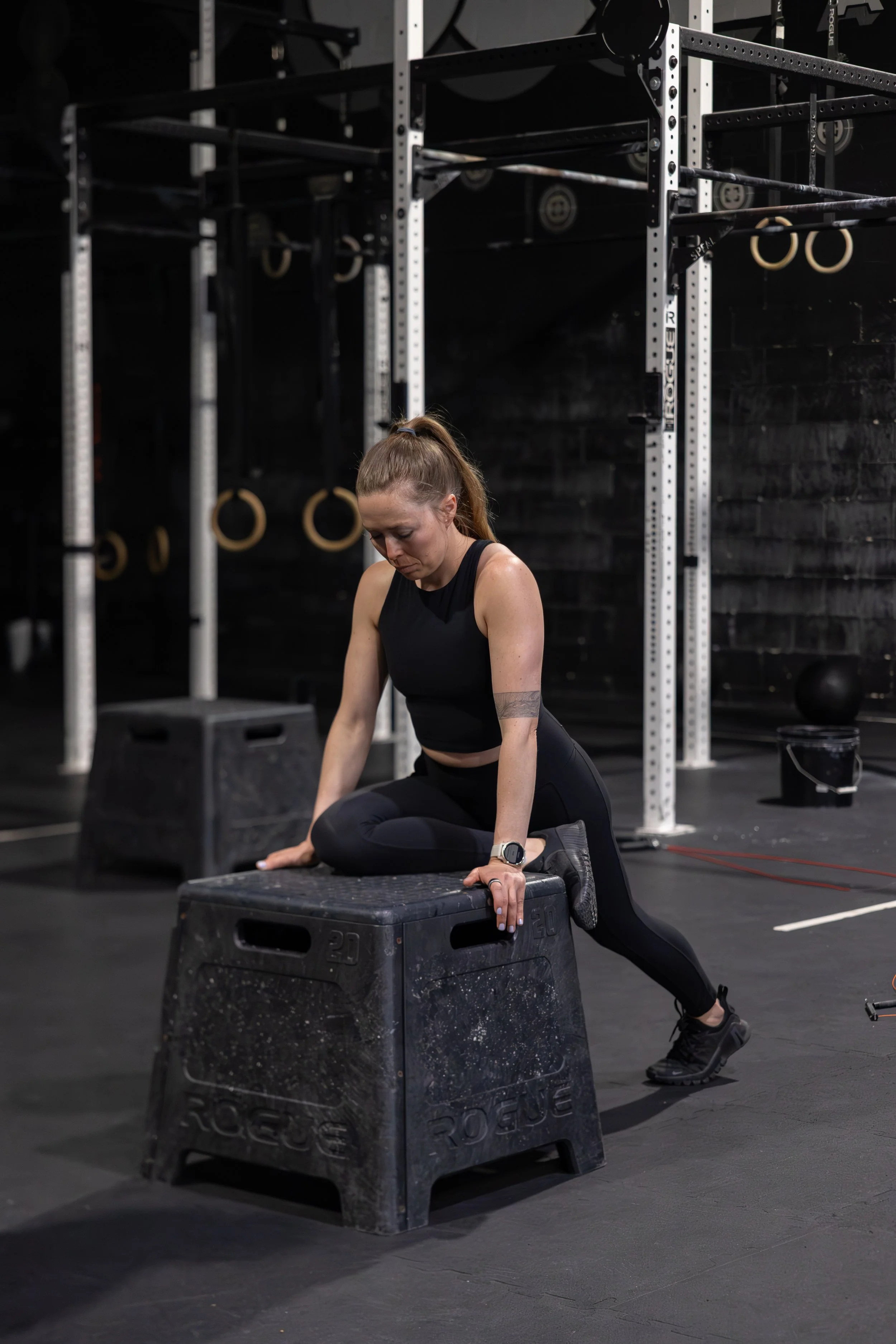
So You Want To Bounce Back After Injury
The athletes who come back strongest are not the ones who heal the fastest. They're the ones who respect the biology and rebuild with patience.
Amanda, Jess Saxon, and Whitney (DPT) get into why you genuinely cannot cheat code an injury. They break down the phases of tissue healing and why different tissues heal on wildly different timelines, why "when can I train again" is the wrong question, and why so many people re-injure themselves the second they start feeling better. They cover the shift from RICE to PEACE and LOVE, why medical clearance is not the same as being ready, and why the way you talk about your injury actually changes how your brain perceives it.
Plus why you can PR without getting any stronger, how to keep your identity intact while you heal, and why the comeback was never about proving how tough you are.

How to Truly Listen to Your Body (Recovery Edition)
Most athletes do not have a recovery problem, they have a listening problem...
Morgan, Amanda, and Brooke get into how to listen to what your body is telling you without needing a Garmin, Oura, or WHOOP to tell you first. They break down the difference between productive discomfort and pain that is a genuine red flag, why the "more is better" culture teaches athletes to override the exact signals they should be paying attention to, and why not finishing your programming is usually not a discipline issue.
Plus the difference between fatigue, overreaching, and injury, why you should stop expecting to feel good all the time, and what actually happens when you keep ignoring the signals.
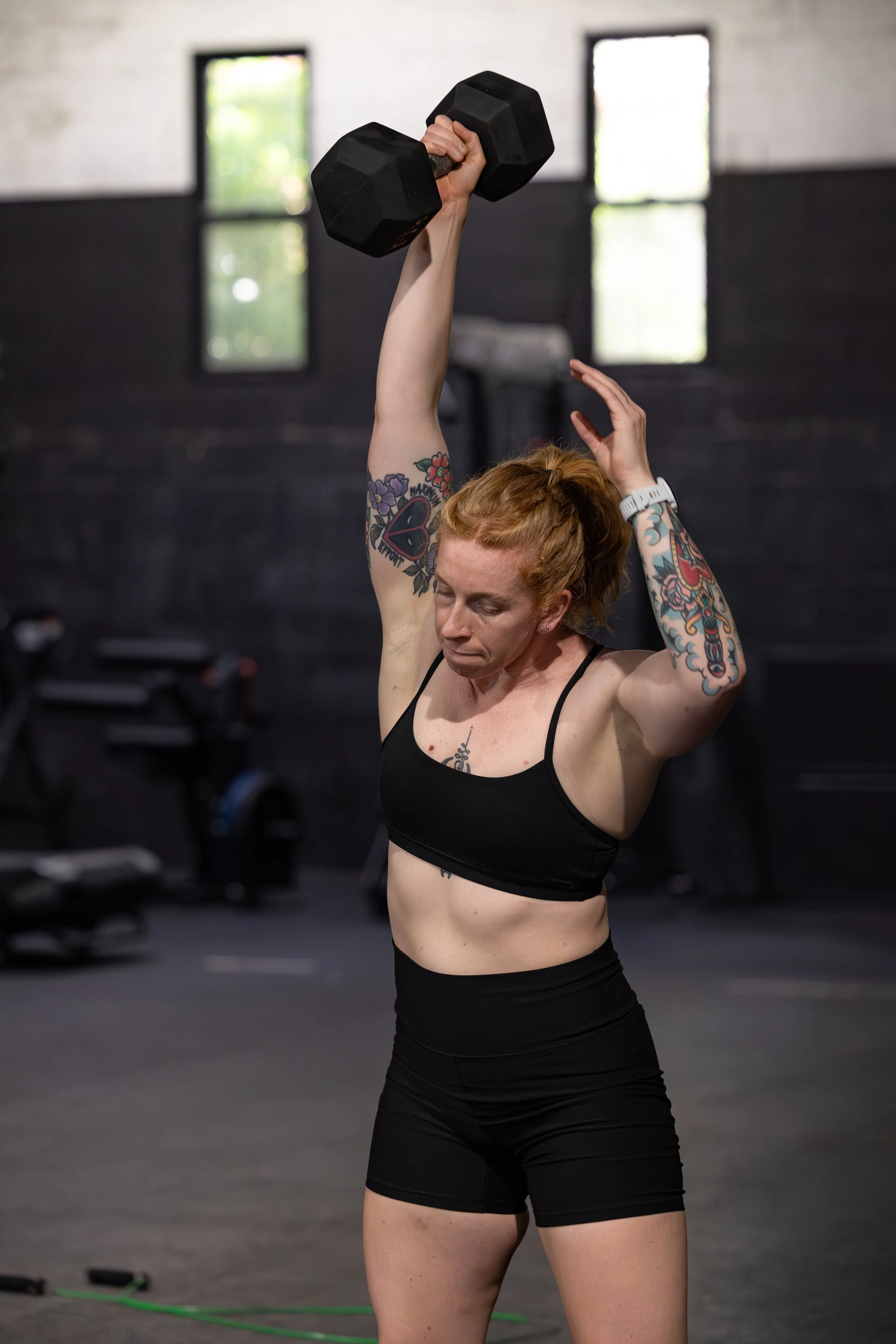
Strength vs. Endurance as We Age: Your Athletic Prime Might Last Longer Than You Think
Everyone talks about your athletic prime like it is a cliff you fall off at 30. It is not.
Amanda, Nic, and Jess Gordon get into how different athletic qualities age at completely different rates, why sprint and power sports peak young while endurance keeps rewarding you into your 40s and 50s, and why women often hold onto endurance performance exceptionally well. They break down when people actually peak across strength, power, and endurance, why so much of the early decline people blame on age is really about lifestyle and training habits, and why the ultra distance podium is basically the wild west of what is possible later in life.
If you have ever been told to just wait until you are 30, or 40, or 50, this one is going to age well.
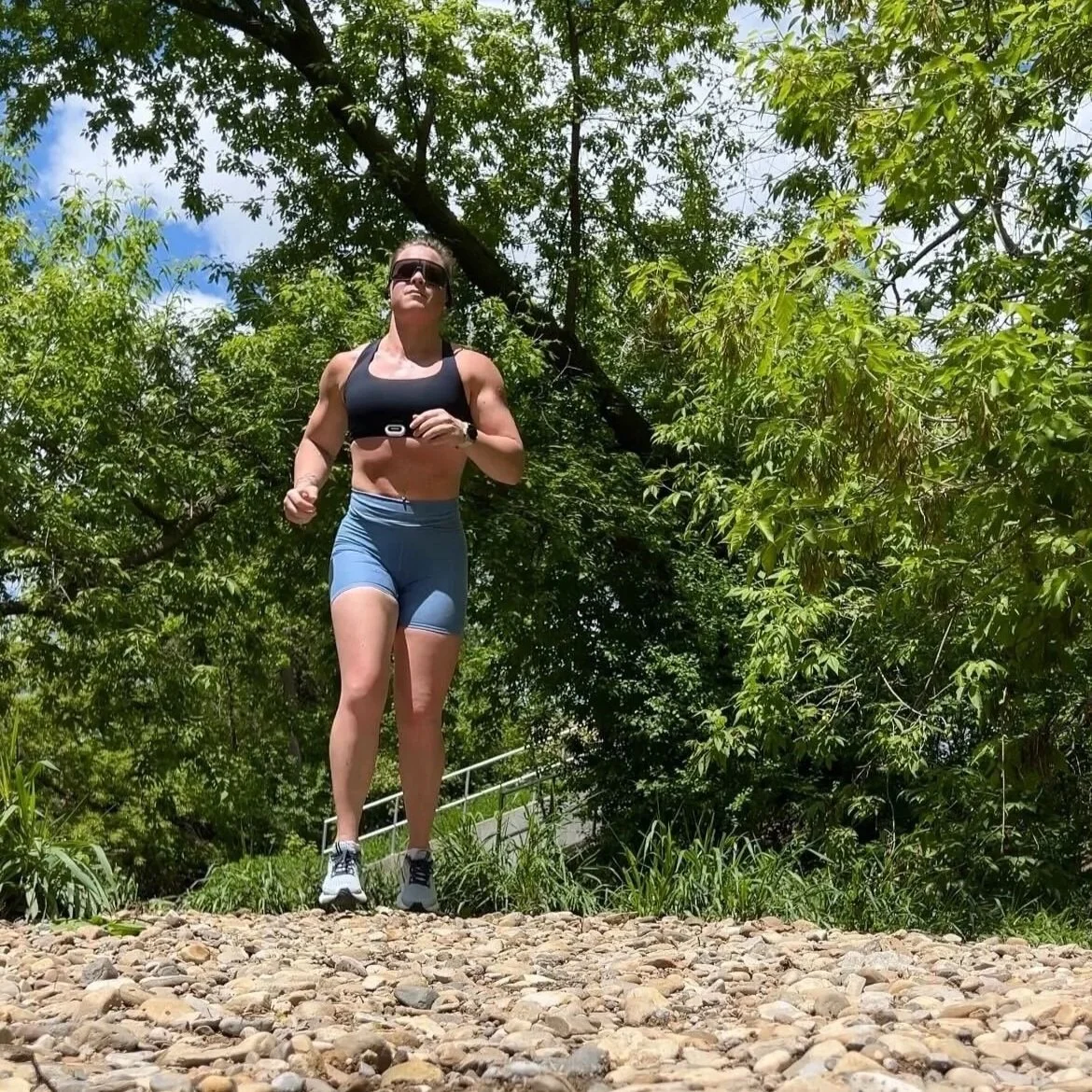
Embracing the Heat: How Summer Training Makes You Faster
If your pace fell off a cliff the second it got hot out, you're not losing fitness. You're adapting!
Amanda, Chelsea, and Dr. Chris break down the summer slowdown, the very real reason your easy runs suddenly feel brutal and your heart rate spikes for no obvious reason. They get into what is actually happening in your body when you train in the heat, why it is diverting resources just to keep you alive, and why pushing through it is one of the most effective things you can do for your fall race season. Plasma volume expansion, improved sweat response, glycogen sparing, and why heat training works a lot like showing up to a lighter planet after training on a heavier one.
Slower in the summer does not mean less fit. It means you are handling a whole extra set of challenges, and building something that pays off when the temperature drops.
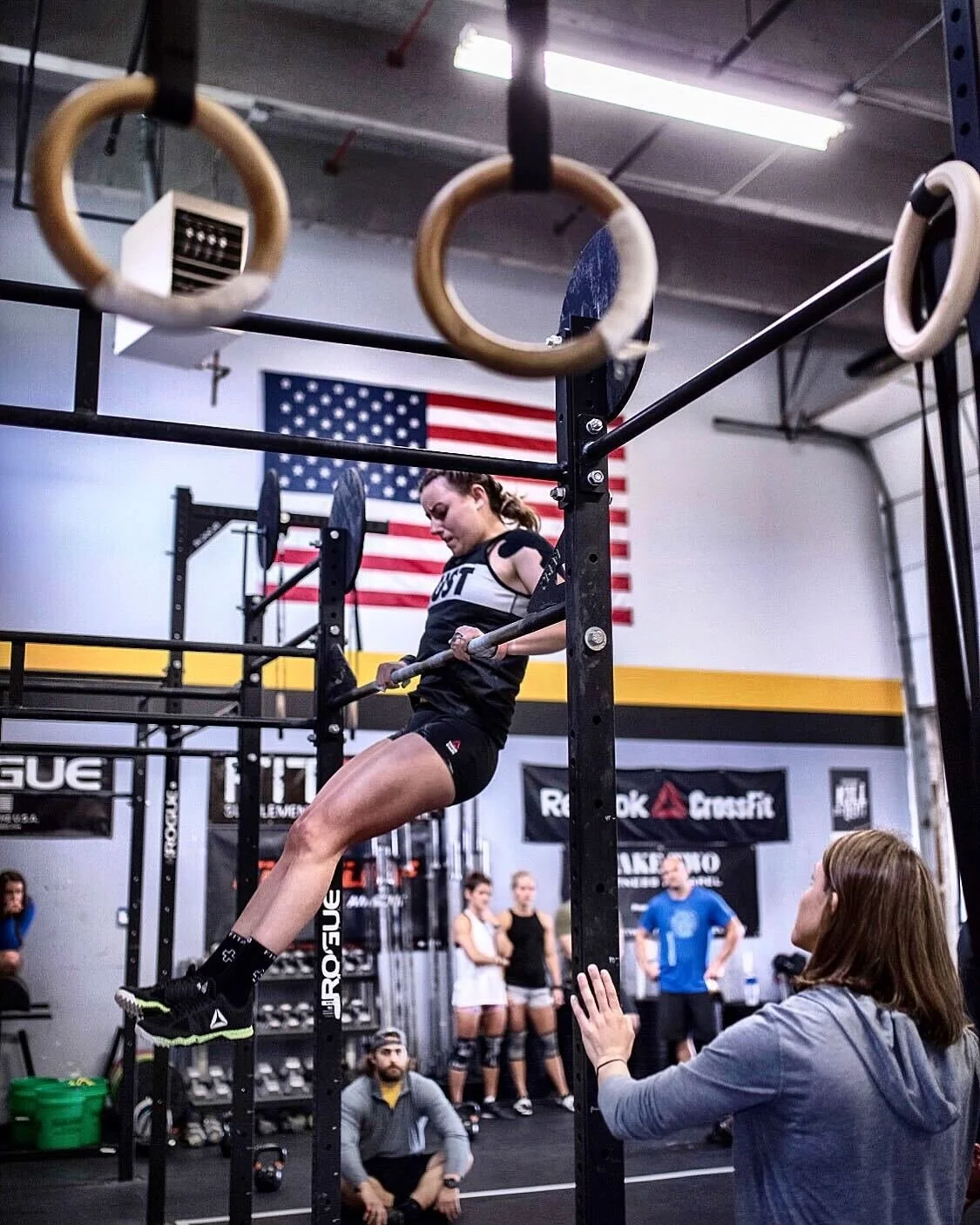
So You Want To Crush Your First Competition
Signing up is the easy part. Showing up prepared is a different story.
Ryann, Christin, and Jess G. break down everything they wish someone had told them before their first atheltic competition. How to pick the right competition, meet, or race for where you actually are right now, how to build your prep without wrecking yourself in the process, what to do with the spiral that hits the week before, and why you absolutely should not eat something new on competition morning.
They also get into nutrition and carb loading, sleep banking, the power of visualization, what to do when you are getting no-repped and have no idea why, and how to actually let yourself enjoy it when it is over.
You are more ready than you think. Now go sign up for and do the thing.
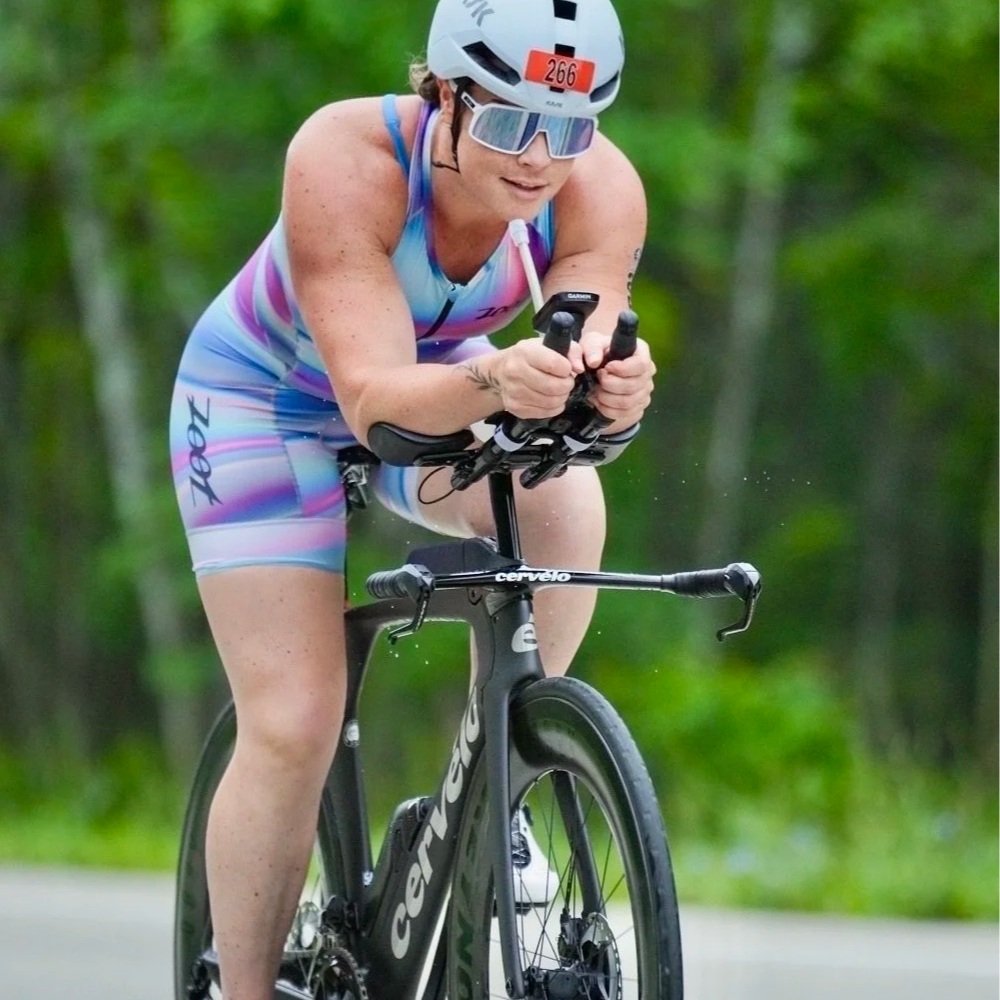
So You Want to Train for Your First Triathlon
For anyone triathlon-curious but convinced it's too complicated, too expensive, or only for people with fancy bikes and a suspicious amount of free time… this one's for you.
Amanda, Nic, and Morgan to talk through what it actually looks like to train for your first triathlon, especially if you're starting with a sprint or Olympic distance. They get into what makes triathlon feel intimidating, why shorter races are usually the smartest entry point, what kind of fitness you actually need to get started, and how little gear you truly need to toe the line. They also talk through common beginner mistakes, the reality of training for three sports without turning your whole life upside down, and why the swim deserves respect even if the rest feels approachable.
It's a practical, low-BS conversation for anyone who wants to try something new without getting swallowed whole by the chaos, cost, and culty corners of endurance sports.
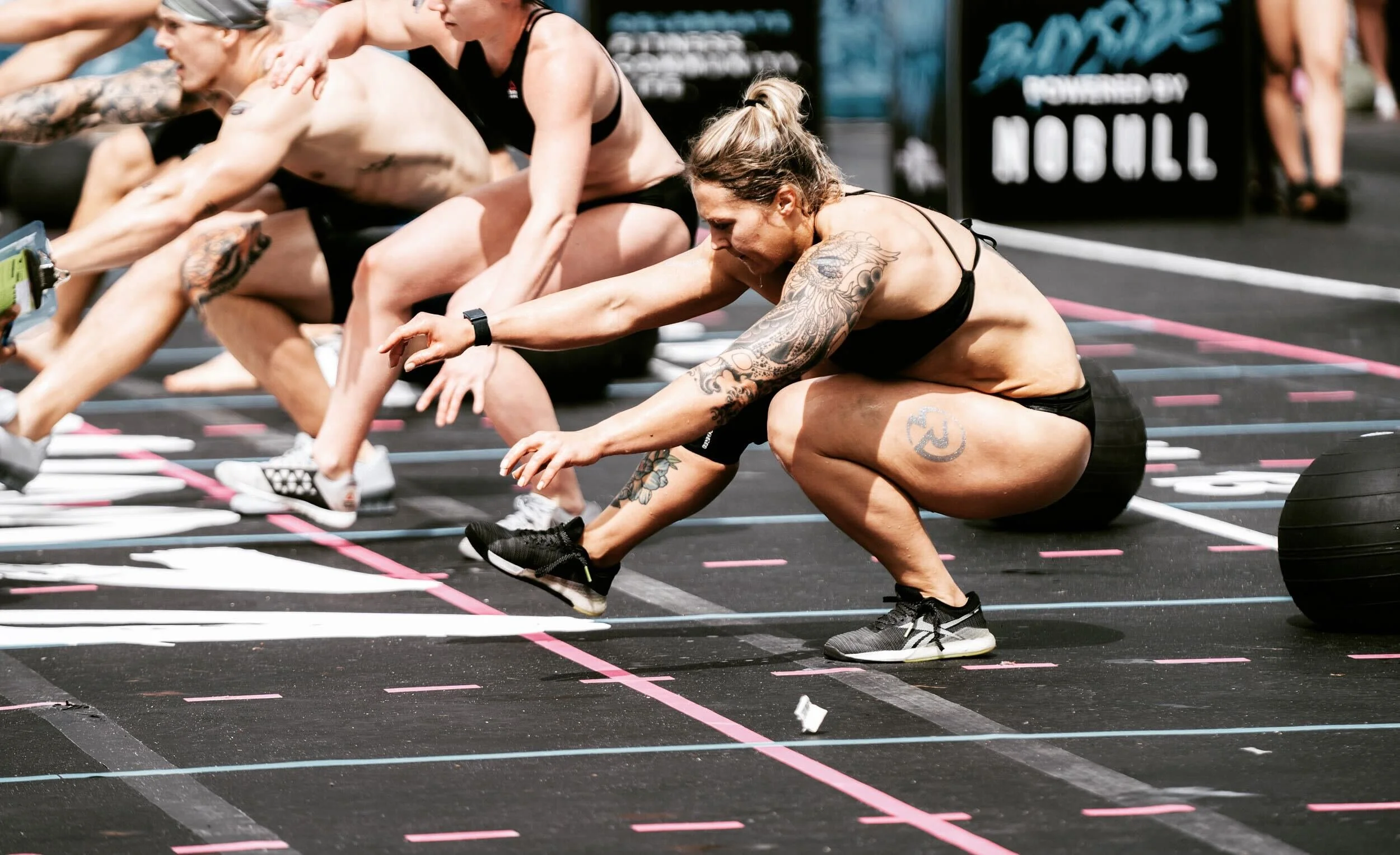
Identity Shift: Seeing Yourself as an Athlete at Any Size
Some people train hard, show up consistently, and do a whole lot of things athletes do… but still don't fully see themselves that way.
Brooke, Christin, and Kelly talk about what it truly means to be an athlete, why so many people think that identity belongs to a certain body type, and how chasing the "look" of an athlete can distract from the habits, mindset, and support that actually matter. They get into comparison, body image, performance, social media brain rot, and the difference between wanting to look the part versus actually living it.
This one is for anyone who has ever felt like they had to earn the title first.

26.3 CrossFit Open Nutrition Strategy
Nutrition can make or break your 26.3 performance. We're breaking down exactly what to eat based on when you're hitting the workout, plus tips from Coach Kelly on mindset, strategy, and why sleep matters more than you think.
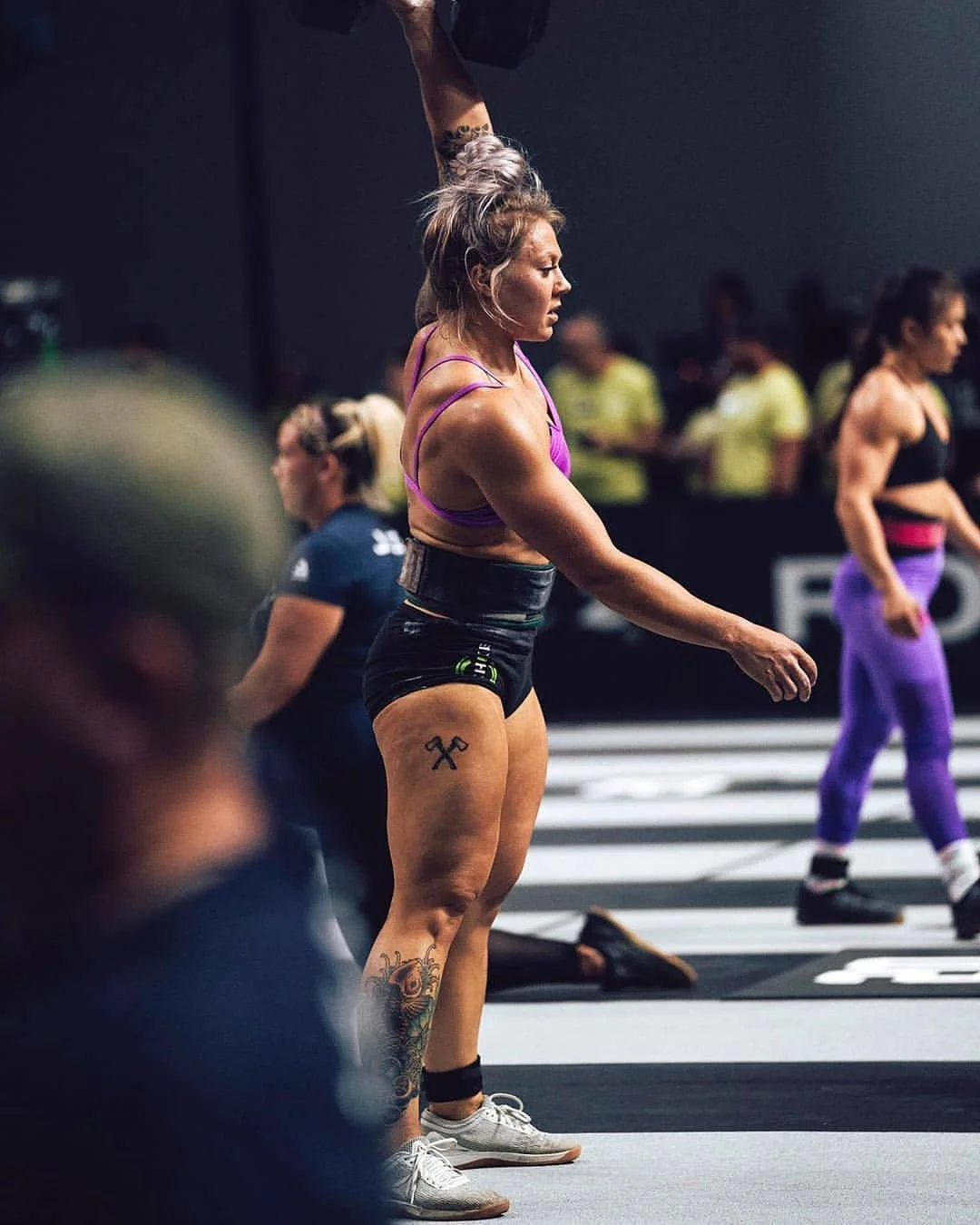
26.2 CrossFit Open Nutrition Strategy
The Open is here, and fueling strategy can make or break your performance. This guide breaks down exactly how to eat for 26.2 based on your projected finish time, when you're training, and whether you're scaling or going for the full workout. From pre-workout carb timing to post-workout recovery meals, the Black Iron Performance Team covers what you need to know to show up prepared and perform your best.

Relative Energy Deficiency in Sport (RED-S)
Relative Energy Deficiency in Sport (RED-S) is what happens when an athlete's energy intake doesn't match the demands of their training and life. It's not just about missing periods or being "too lean." Chronic low energy availability can suppress hormones, reduce bone mineral density, alter thyroid function, impair recovery, and decrease performance. What was once labeled the Female Athlete Triad was expanded in 2014 to reflect what research made clear: this affects all genders and multiple physiological systems.
In this post we unpack how RED-S develops over time, why it's easy to normalize in competitive environments, and the patterns coaches and athletes should be paying attention to. They discuss weight-class and aesthetic sports, repeated fat loss phases, carbohydrate availability, stress load, and how to align nutrition with training cycles without compromising long-term health. If you care about performance that lasts, this conversation is foundational.
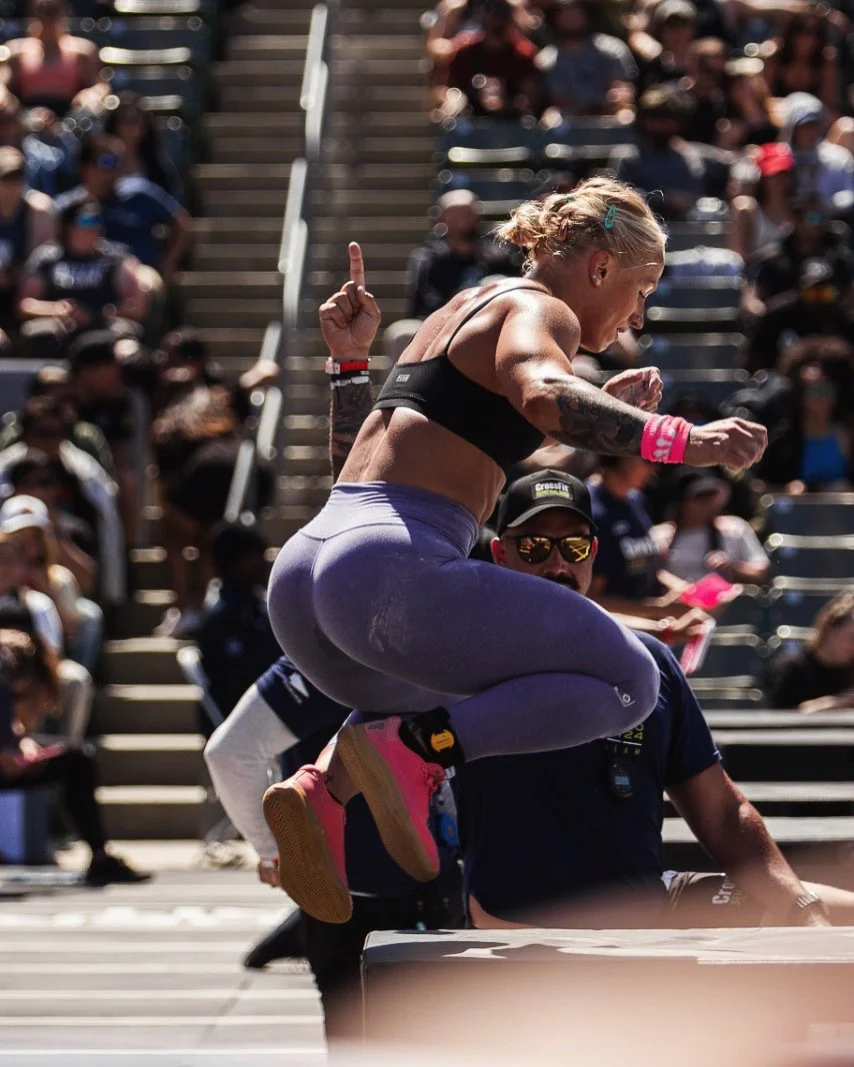
26.1 CrossFit Open Nutrition Strategy
It’s Open season!! The most WONDERFUL time of the year. Three weeks. Three workouts. No idea what’s coming! Isn’t that so fun?
That unpredictability is part of the fun, but it’s also where people start overthinking their nutrition. Let’s not do that this year! We are here to help!

So You Want To Understand Your Wearable Data
Wearable data is everywhere, but what do those numbers actually mean? This post breaks down heart rate variability, sleep metrics, and recovery scores: what they're measuring (and what they're not), why trends matter more than single-day numbers, and how lifestyle factors like stress, sleep, and alcohol can shift your data. Learn how to use wearable data to train smarter and recover better without letting it run your life or create more anxiety than insight.
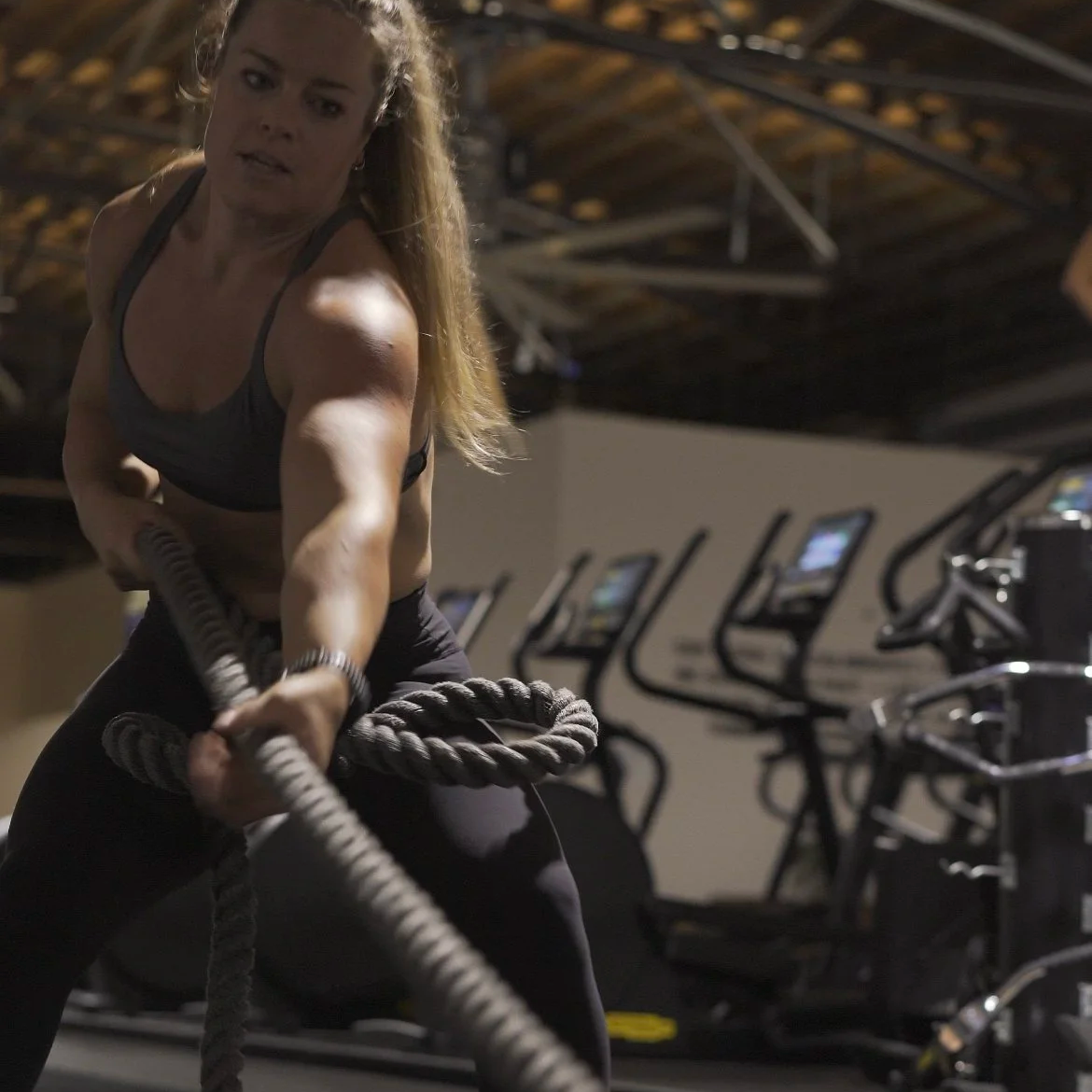
So You Want to Try Competitive Fitness: CrossFit & HYROX
Thinking about competing in Hyrox or CrossFit for the first time? Both sports have become increasingly popular because you don't need to be elite to compete, and the communities are incredibly welcoming. We're breaking down the key differences between these sports, the mindset shifts you need when going from working out to training to compete, and the most common first-timer mistake. We're also covering nutrition strategy, including how fueling differs between the two sports, why your best competition physique is the one you perform best in, and the importance of practicing game day nutrition. The goal of your first competition is simple: learn, finish proud, and walk away feeling more confident than when you started.
So You Want To Know More About Fasting
Is intermittent fasting a metabolic loophole? A biohack that tricks your body into burning fat faster? Spoiler: no. Fasting isn't magic, and it doesn't change the basic rules of fat loss. But that doesn't mean it's useless. We're breaking down what fasting actually does in your body, why people think it works, when it might be helpful, and when it's likely to backfire. Plus, we'll tell you exactly who should avoid fasting altogether (hint: if you're training for performance, this probably isn't for you).
What Active Recovery Days Should Actually Look Like
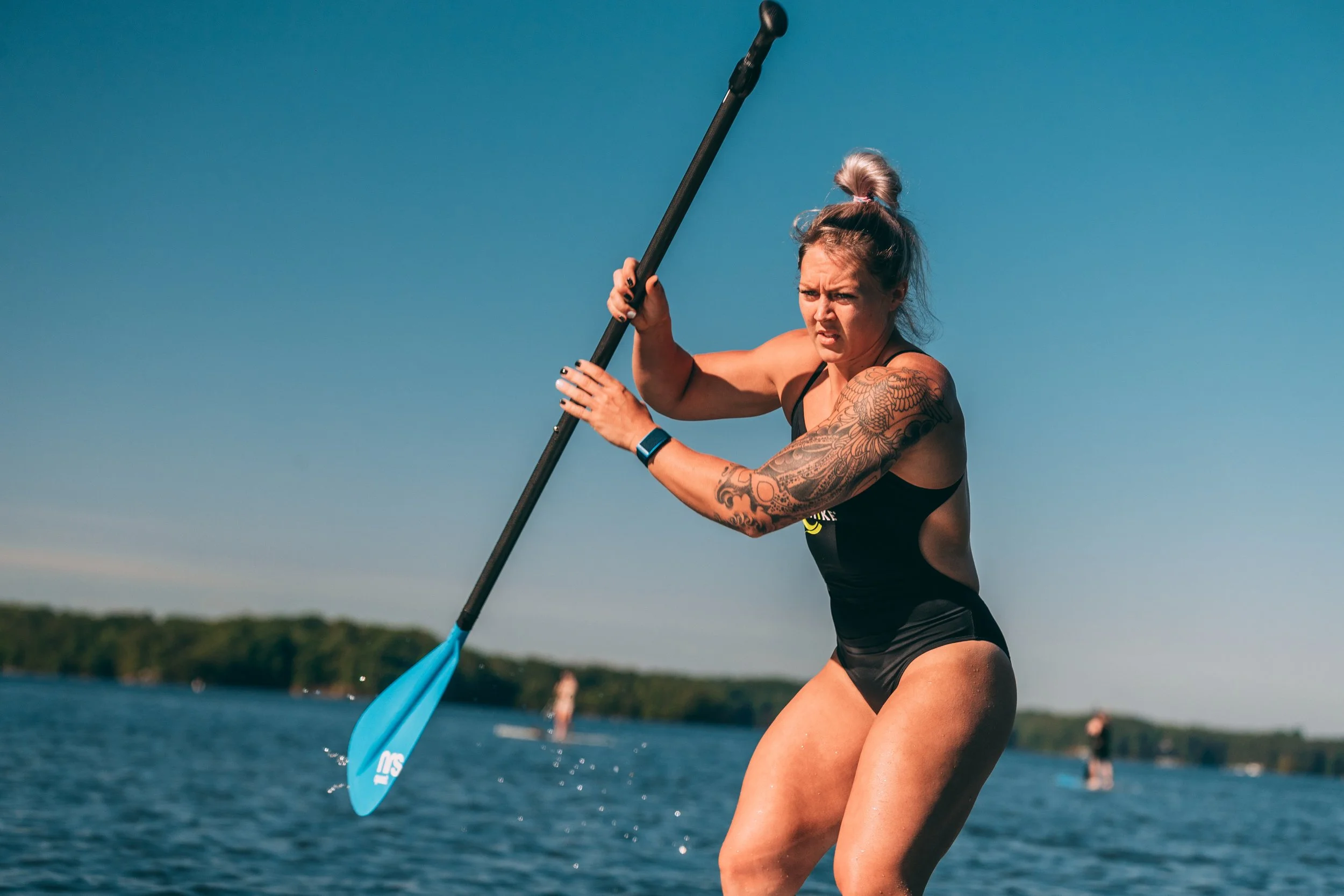
Active recovery is wildly misunderstood. Most people either skip it entirely or accidentally turn it into another training day, thinking a "chill" 11-mile run counts as recovery. We're breaking down what active recovery actually means, why it's critical even for everyday gym-goers, and the biggest mistakes people make (like undereating on recovery days or joining group fitness classes when you should be resting). From understanding what low intensity actually feels like to recognizing when life stress means you need to back off training, we're covering how to structure recovery that supports your progress. Because your body doesn't get stronger during training, it happens during recovery. If you're always tired, sore, and burnt out, proper active recovery might be the missing piece.
So You Want To Train For Something During The Holidays
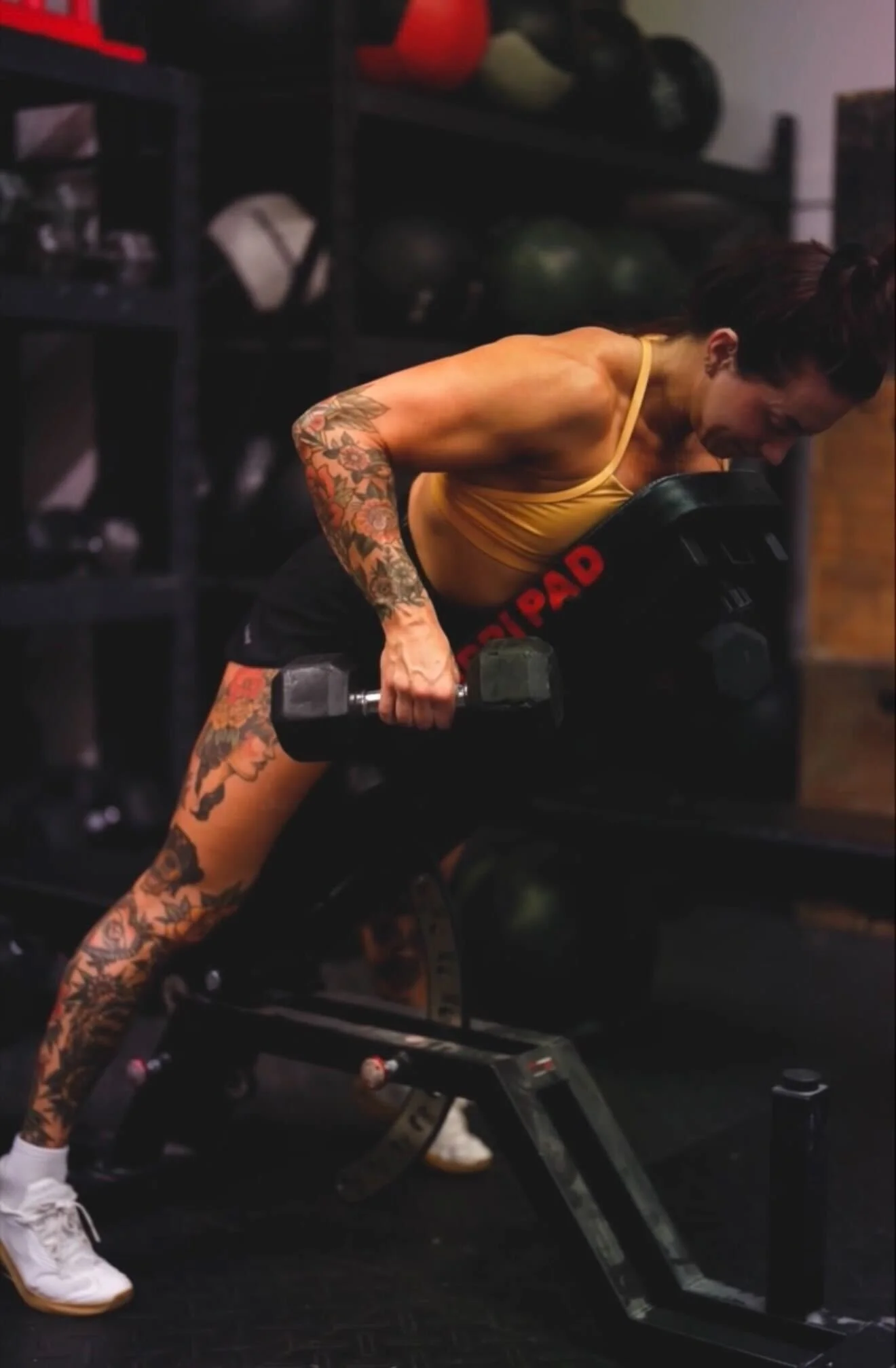
Training through the holidays doesn’t have to be chaos or a calorie burn-fest. In this post, we talk about staying consistent when travel, family, and festivities try to derail you. Learn how to plan ahead, flex your routine, and hold boundaries without being that person at dinner. Because December doesn’t have to be a detour from your goals—it can be a test of adaptability.
Behind on Hydration? Here’s Why It Matters
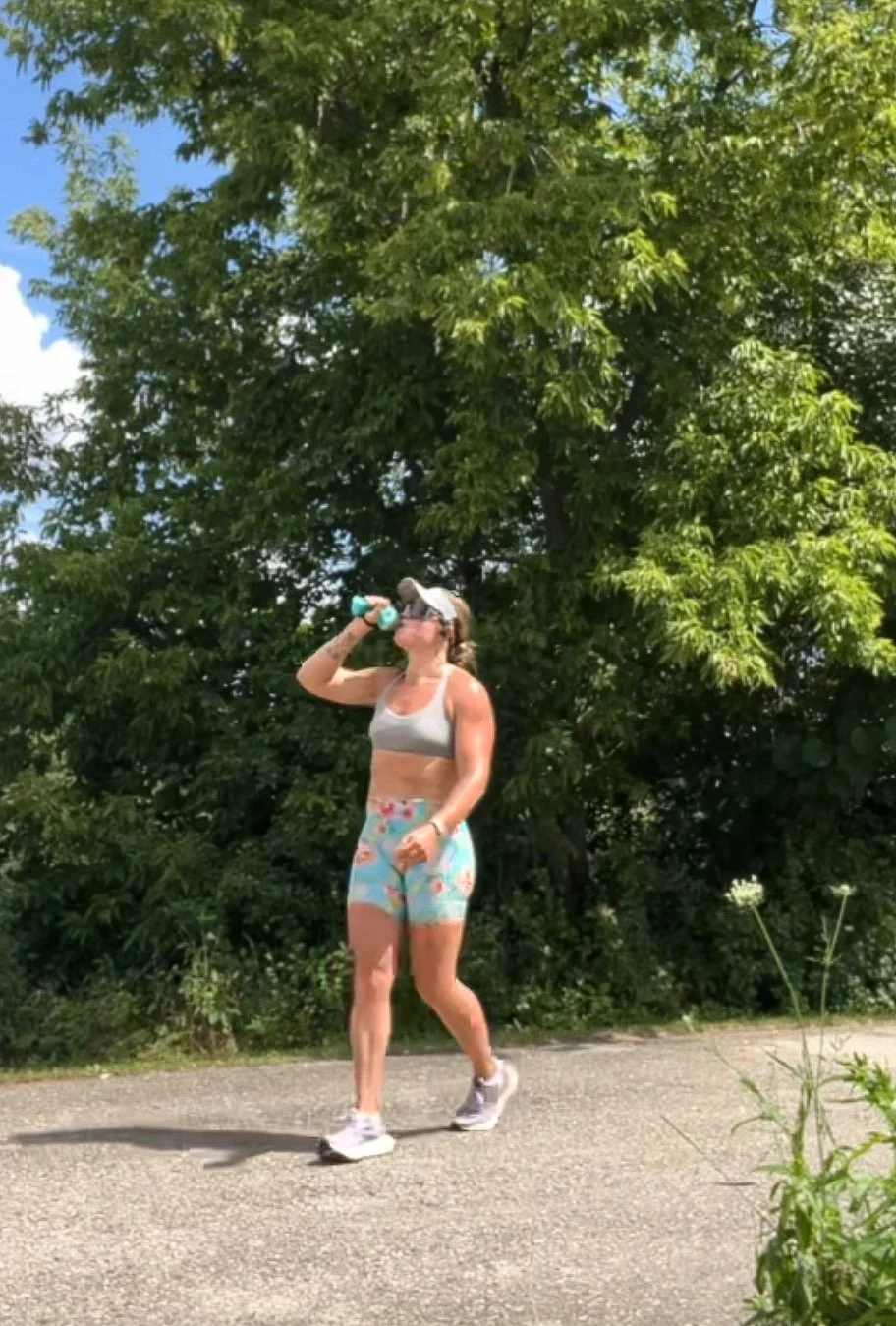
Hydration is more than “just drink more water.” In this post we break down how fluid balance impacts digestion, energy, performance, recovery, and even mood. Learn the real science behind electrolytes, why dehydration often disguises itself as hunger or fatigue, and practical ways to make hydration a habit without obsessing over supplements.
So You Want To Compete Without Attaching Your Worth to the Result
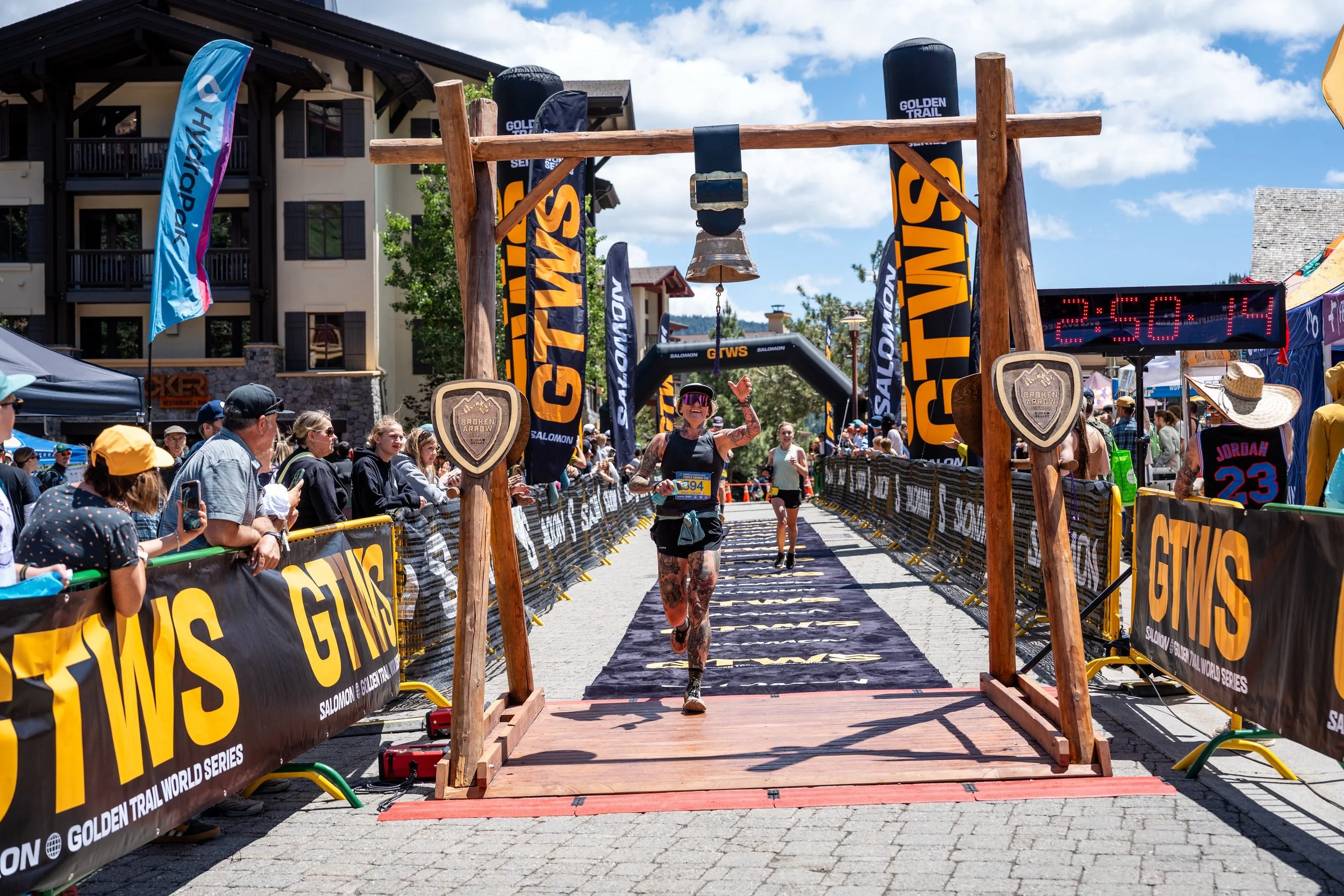
Why tying your self-worth to race results is a fast track to burnout. We break down healthy vs. unhealthy athlete identity, how to stop spiraling after bad performances, and why sport should add to your life—not take it over.

So You Want To Nail Your Competition Day Nutrition
In this blog post, we’re breaking down the latest episode of Black Iron Radio, where Krissy, Amanda, and Ryann dive into the strategy behind event day nutrition as a follow up on last week’s fueling around training episode. If you’ve ever wondered what to eat before and during a big race, event, meet, or objective, this episode covers it all. We’ve taken the key points from the conversation and turned them into a clear, practical guide to help you fuel smarter to compete harder and stronger.