
So You Want to Train for Your First Triathlon
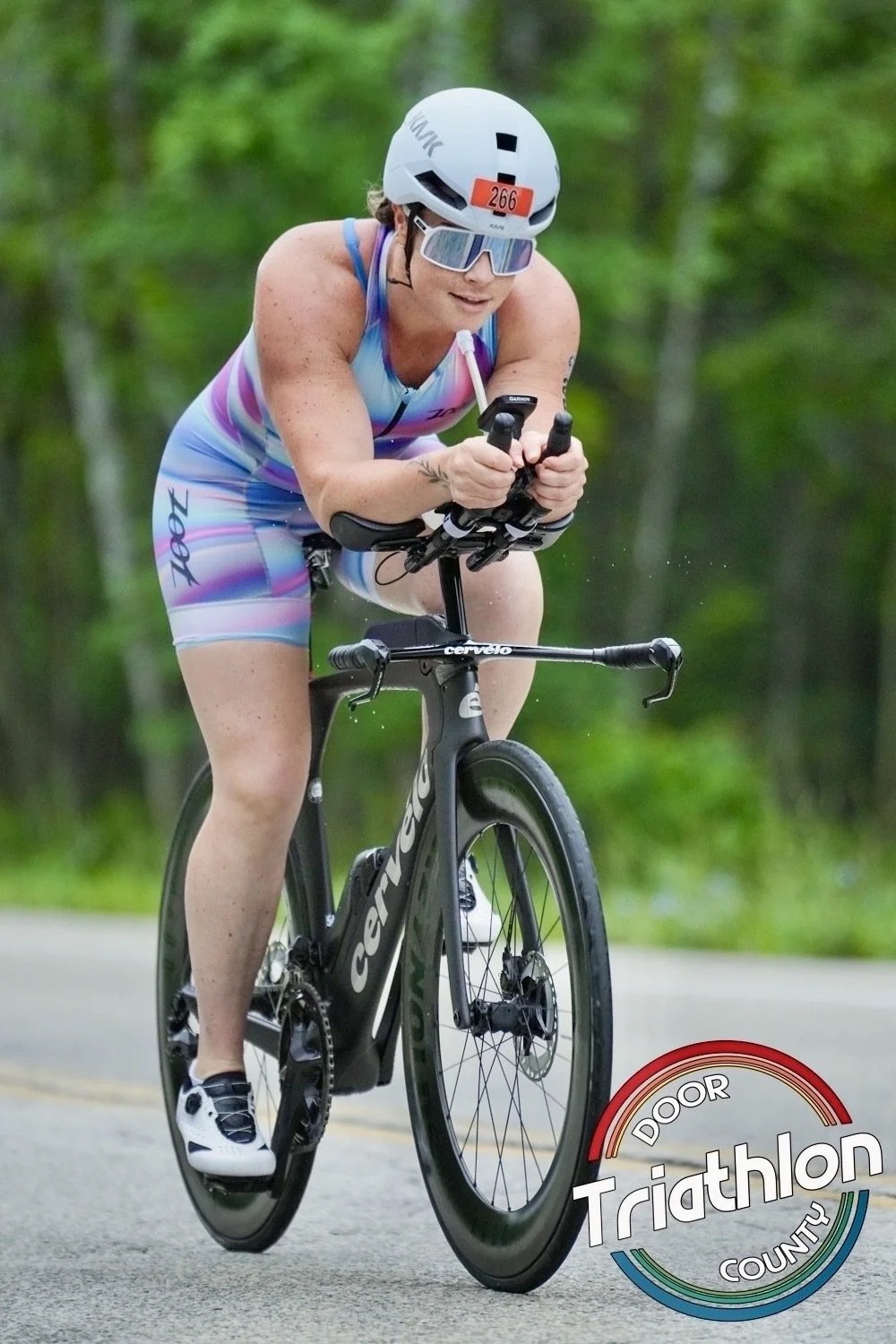
BLACK IRON RADIO EP. 342: So You Want To Train for Your First Triathlon
For anyone triathlon-curious but convinced it's too complicated, too expensive, or only for people with fancy bikes and a suspicious amount of free time… this one's for you.
Amanda, Nic, and Morgan talk through what it actually looks like to train for your first triathlon, especially if you're starting with a sprint or Olympic distance. They get into what makes triathlon feel intimidating, why shorter races are usually the smartest entry point, what kind of fitness you actually need to get started, and how little gear you truly need to toe the line. They also talk through common beginner mistakes, the reality of training for three sports without turning your whole life upside down, and why the swim deserves respect even if the rest feels approachable.
It's a practical, low-BS conversation for anyone who wants to try something new without getting swallowed whole by the chaos, cost, and culty corners of endurance sports.
Triathlon has a reputation for being an extreme sport. You picture elite athletes in $30,000 bikes and aerodynamic suits swimming through open ocean, grinding out 100-mile bike rides, then running a marathon like it's nothing. And if that's your only reference point, it's pretty easy to talk yourself out of ever trying one.
But here's the thing: that version of triathlon is not what most people are signing up for. Amanda, Morgan, and Nic, a coaching intern and multi-distance triathlete who has been a Black Iron client since 2019, sat down to break down everything you actually need to know to get started. Their take? Short course triathlons, specifically the sprint and Olympic distances, are some of the most accessible endurance events out there. And there's a good chance you're already more prepared than you think.
What Short Course Actually Looks Like
Before anything else, it helps to know what you're actually signing up for.
A sprint triathlon is the shortest standard distance, though there's some variability depending on the course. Generally, you're looking at a swim of roughly 400 to 750 meters, a bike leg of around 12 to 15 miles, and a 5K run to finish. Most people complete a sprint in an hour to an hour and a half. For context, that puts it in a similar time domain as a HYROX event.
The Olympic distance is what you'd see at the actual Olympics and is a step up from there: a 1500-meter swim, a 40-kilometer bike (just under 25 miles), and a 10K run. Finish times for most people fall somewhere in the two-and-a-half to three-hour range.
Both of these are considered "short course," and they are a very different animal from the 70.3 and full Ironman distances. If you've already done one of those and are looking for guidance on longer distances, there's a previous Black Iron Radio episode specifically for you.
Why Start Short
The most common question people have when they first get interested in triathlon is whether to go big right away. And honestly, there's a case to be made for starting with something that lets you figure out what you're doing before you commit to a six-plus hour day.
Training for a sprint or Olympic is a much lower time commitment than training for a 70.3 or full Ironman. You can realistically fit it around a full-time job. Recovery between sessions is more manageable. And the gear requirements, which we'll get to in a minute, are a lot less demanding.
There's also something to be said for doing your first race on a forgiving course. Triathlon involves a lot of moving parts, and there will almost certainly be something that doesn't go as planned on race day. It's a lot easier to troubleshoot in real time when the race is 90 minutes, not eight hours.
As Amanda put it: it's way better to have a bad day on a sprint than a bad day on a full Ironman.
What You Actually Need to Be Able to Do
Here's where a lot of people are surprised. The baseline requirements for a sprint triathlon are lower than most assume.
The swim is the most important thing to take seriously from a safety standpoint. Before race day, you want to be able to swim continuously for five to ten minutes without stopping. That's not about being fast. It's about being comfortable and in control in the water, especially in an open water setting with other athletes around you.
For the bike leg, if you can ride for 30 to 45 minutes, you're at a good starting point. And if you can run or run-walk for 20 minutes, you're in decent shape for a sprint finish.
If you have a background in CrossFit or HYROX, the fitness transfer is probably greater than you'd expect. Those sports involve a lot of transitions between modalities, moving from one thing to the next without a full recovery, and that's exactly what triathlon asks of you. The main adaptation is just getting used to the specific sequence and how your body responds to each transition.
How to Pick Your Race
A few things worth thinking through when you're choosing your first event:
Start local. The logistics of traveling with a bike are genuinely complicated, and they add a layer of stress you don't need for your first race. A local event means you can drive there, skip the bike transport headache, and focus on the actual racing.
Look for beginner-friendly races. Ironman-branded events get a lot of marketing attention, but they're not the only option. A quick search for "sprint triathlon near me" will surface plenty of smaller, less chaotic events that tend to be a better fit for first-timers.
Think about the water. If open ocean swimming sounds like a lot, look for a race with a lake or river swim. If you're in the middle of the country, that'll probably be easy to find. If you're on the coast, it's worth paying attention to.
Consider the time of year and what's going on in your life. Training through summer and racing in the fall is a pretty common approach for endurance events. And as with any goal, it helps to look honestly at your schedule and make sure you're not signing up for something right when life is at maximum capacity.
Training for a Sprint or Olympic
Here's some good news: you do not need to build your entire life around triathlon training to get ready for a short course race. Especially at the sprint distance.
For most people, four to five training days a week is a realistic structure. Total training time might range from five hours on the lighter end to eight or ten hours for someone targeting a faster Olympic finish. You can generally layer endurance training on top of existing strength training without needing to choose between them, as long as you're eating and recovering well.
Each discipline probably needs two sessions a week as a baseline. The swim deserves early attention for safety reasons above all else, and the focus should be technique over speed. The goal is to get through it feeling controlled, not gassed, because you still have the bike and run ahead of you. That said, the bike is often where new triathletes have the most room for performance improvement. Most people can run adequately and have at least some swimming background, but consistent time on the bike tends to pay off more than almost anything else in training.
Brick workouts, sessions where you practice two disciplines back to back (usually bike into run), are a staple of triathlon training. They help your body get used to the sensation of transitioning from one effort to another. That feeling of getting off the bike and having your legs feel completely wrong for the first few minutes of the run is something you want to experience in training before race day. That said, bricks are taxing, especially when you're new to them. You don't need to do them every week for a sprint, and a few well-timed sessions are enough to get the feel for it.
Strength training still has a place in a triathlon prep block, but the focus shifts a bit. The priority becomes injury prevention, muscular endurance, and building the resilience to handle the training load, rather than pushing for max strength numbers.
Nutrition Basics for Race Day
The good news about short course racing is that the nutritional stakes are lower than at longer distances. A sprint is short enough that gut issues from fueling are less likely to derail your day. That said, there are a few things worth getting right.
The general principle is the same as for any other sport: eat before training sessions if you're going longer than 45 to 60 minutes, practice your race-day fueling strategy during training so there's nothing new on race day, and pay attention to hydration throughout the prep block.
Hydration is something that catches a lot of first-time triathletes off guard. The swim keeps you cool and you don't feel yourself sweating. The bike generates wind that dries your sweat quickly. It's easy to underestimate how much you're losing until you're deep into the run. Pay attention to signs of sodium loss, especially on the bike, and practice taking in fluids on the course before race day.
For a sprint distance, the minimum you want to nail down is a solid pre-race meal and a clear plan for any carbs or electrolytes you'll take in on the bike. For Olympic distance, you'll want to be more deliberate about fueling by the hour and possibly consider a carbohydrate loading strategy in the days before.
The Gear You Actually Need
This might be the most liberating section of this whole post.
For the swim: a swimsuit (or a tri suit, more on that in a second) and goggles. That's it.
For the bike: any safe bike, a helmet (this is required and you can be disqualified without one), and something to carry a water bottle. People have done sprints on single-speed cruisers. Someone showed up to one of Nic's races in board shorts and dusted him in the swim. The gear matters less than the fitness.
For the run: running shoes. Sunglasses if the weather calls for it. A hat if it's hot.
A tri suit is a single garment you can wear through all three legs of the race, which simplifies transitions. A first tri suit from Amazon runs around $25 and does the job fine. Bike shorts are a worthwhile investment if you're logging real time in the saddle.
A wetsuit is not always required, and many sprint and Olympic races take place when the water is warm enough that you won't need one. If the race is in cold water, check the rules and know that you can often rent wetsuits from a local tri shop or borrow from someone in a tri club.
Beyond that, there's a whole world of gear upgrades available: aerodynamic wheels, cycling computers, GPS watches, indoor trainers. None of it is necessary for your first race. The biggest performance gain for most beginners is simply training more, not spending more.
Common Mistakes to Skip
A few things that tend to trip people up:
Starting training too aggressively. Jumping from nothing to a heavy training load is a fast track to burnout or injury. Let the early weeks feel almost too easy.
Comparing your training to what you see online. The athletes posting six-hour Tuesday rides are often professional or semi-professional and training is their actual job. Most of us are recreational athletes fitting training into a real life.
Underestimating the swim. DNFs in triathlon happen most often at the swim. It's a safety issue for you and for the athletes around you. Take the time to build real comfort in the water before race day.
Waiting until race day to test your fueling. Nothing new on race day is a classic endurance sports principle for a reason. Whatever nutrition strategy you're planning to use, practice it in training.
The Bottom Line
Short course triathlons are one of the most accessible endurance events out there. You do not need elite gear, elite fitness, or a background in all three sports. You need a reasonable baseline in each discipline, a solid game plan, and the willingness to show up and figure it out.
Pick a race. Make a plan. Give yourself enough time to train with some consistency. And go into it with the goal of finishing and actually enjoying the experience. Everything else can come later.
🎙️ WANT MORE? SUBSCRIBE TO BLACK IRON RADIO!
If you enjoyed this conversation, check out more episodes of Black Iron Radio, where we cut through the noise and give you real, no-BS advice on feeling, performing, and looking your best. Each week we share practical nutrition, training, and wellness strategies and tips to help you succeed.
📲 Listen & Subscribe: Apple Podcasts | Spotify
