
Identity Shift: Seeing Yourself as an Athlete at Any Size
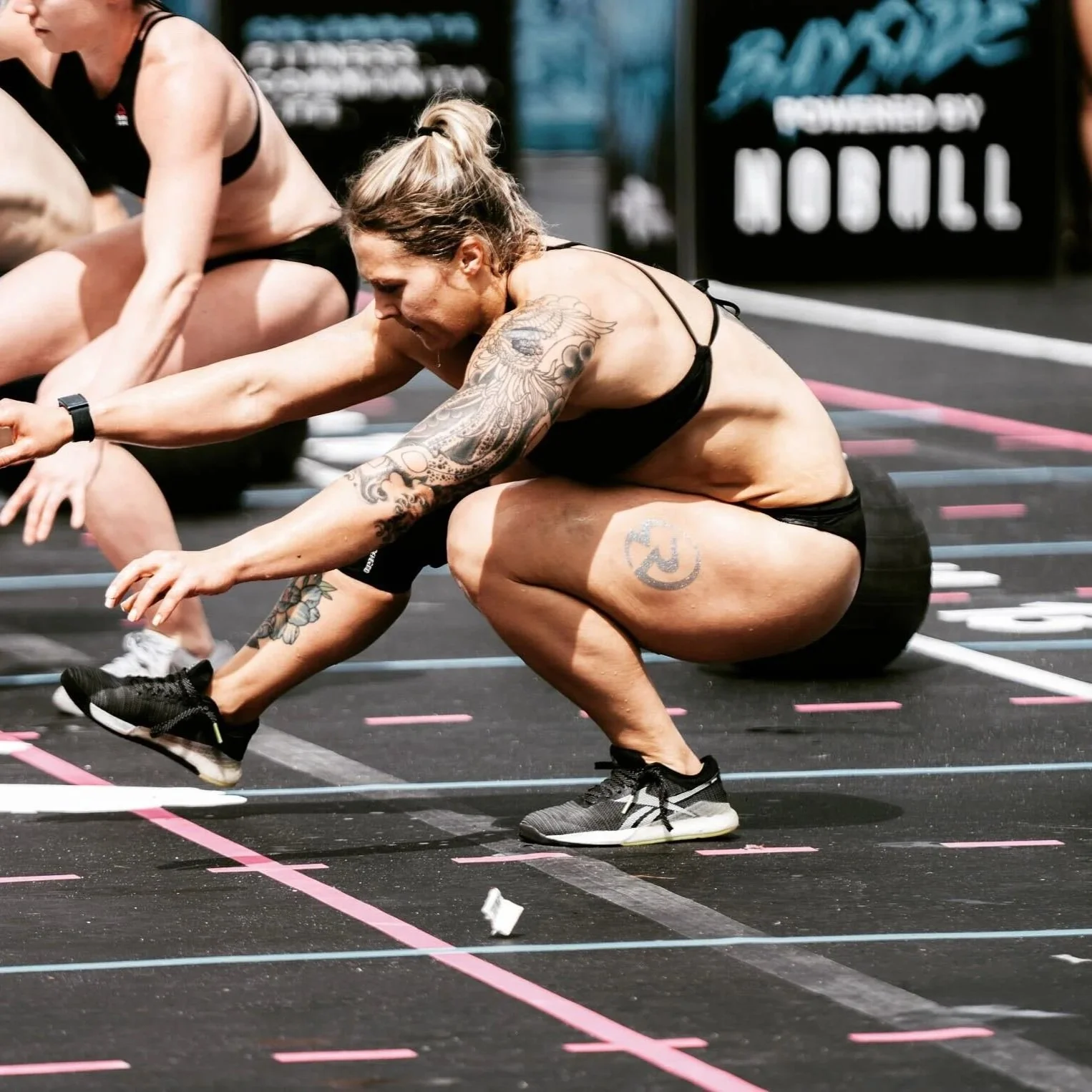
BLACK IRON RADIO EP. 341: Identity Shift: Seeing Yourself as an Athlete at Any Size
Some people train hard, show up consistently, and do a whole lot of things athletes do… but still don't fully see themselves that way.
Brooke, Christin, and Kelly talk about what it truly means to be an athlete, why so many people think that identity belongs to a certain body type, and how chasing the "look" of an athlete can distract from the habits, mindset, and support that actually matter. They get into comparison, body image, performance, social media brain rot, and the difference between wanting to look the part versus actually living it.
This one is for anyone who has ever felt like they had to earn the title first.
📲 Listen & Subscribe: Apple Podcasts | Spotify
You're putting in the work. You're showing up to train, you're trying to dial in your nutrition, you're doing the things. But when someone calls you an athlete, something in you resists it. You think: I don't look like one. I'm not competing. I haven't earned that label yet.
That gap, between what you're doing and how you see yourself, matters more than most people realize. Brooke, Christin, and Kelly sat down to dig into what it actually means to have an athlete identity, why so many people feel like they have to earn it, and how shifting the way you see yourself can change everything about how you train, eat, and show up.
What an Athlete Actually Is
When most people hear the word "athlete," they picture someone specific: the CrossFit Games competitor, the Olympic sprinter, the college soccer player. Lean, competitive, purpose-built. And if you don't look or train like that, the word doesn't feel like it applies to you.
But that picture is doing a lot of people a disservice.
An athlete is someone who has a goal, a passion, and a purpose behind their training. It's someone who consistently works to improve their performance in whatever their craft is, in whatever phase of life they're in. And that craft doesn't have to be a sport. It can be training to play with your grandkids, training to have a strong pregnancy, training to move without pain, or training to just feel good in your body for as long as possible.
As one of the coaches put it during this conversation: athlete isn't a body type. It's an identity rooted in how you show up.
That reframe is worth sitting with. Because if an athlete is defined by how they show up rather than what they look like, a lot more people qualify than they think.
The Comparison Problem
So why does this belief that you have to earn the title feel so persistent? A big part of it is what we've had ingrained in us our entire lives. We see who gets the medals, who gets the sponsorships, who ends up on social media with hundreds of thousands of followers, and we unconsciously define that as what "real" athletes look like.
The gym culture element is real and worth naming too. The body types that show up most visibly in a gym can be genuinely intimidating. If you don't look like the people you see there, it can be easy to feel like you don't belong, even if you're outworking half the room. That feeling is common, and it has nothing to do with whether you actually are an athlete.
The Scale, the Mirror, and the Data
One of the more powerful parts of this conversation was an honest discussion about weight and what it actually tells you.
Kelly shared that she spent years lying about how much she weighed because she was ashamed of the number, even as a competitive athlete. It wasn't until she got into a space where weight was treated as data rather than judgment that the number started to feel neutral. At her competitive peak, she weighed around 155 pounds. When nursing her daughter under a lot of stress and sleep deprivation, she dropped to 140. At 155 she was stronger, recovering better, and felt the most capable and confident she ever had in her training.
That's a common story for athletes of all levels. The number on the scale is often the opposite of what people expect. More muscle means more weight. More food to support training means more fuel, and sometimes more body weight, even as you're getting fitter and stronger.
This is why "I want to lose weight to be an athlete" is often the wrong starting point. Sometimes the path to feeling and performing more athletically actually requires gaining weight, eating more, and letting go of a number you've been attached to for years.
Act Like an Athlete First
Here's the piece that tends to unlock everything else: you don't become an athlete after you change your body. You become an athlete the moment you start showing up with intention.
This isn't just a mindset cliché. It has a practical application. When clients come to us saying "I train like an athlete but I don't look like one," a big piece of the puzzle is usually that they're not eating like one either. They're training hard and then under-fueling because they don't feel like they've "earned" those calories, or because eating more doesn't fit with the image of what they think they should look like right now.
But your body doesn't care about that story. It just cares about whether it has the fuel to recover, build, and adapt. When you start eating to support your training rather than eating to shrink yourself, things tend to start clicking into place in a way that pure restriction never delivers.
The same goes for sleep, stress management, sun, and mental health. These aren't bonuses for when you've already achieved the body you want. They're part of the athlete lifestyle that produces results in the first place.
Language Is Everything
The way you talk about yourself and your training matters more than most people give it credit for.
If you walk into every workout saying "I suck at this" or "I hate this movement," you're not just venting. You're reinforcing a belief about yourself that becomes harder to shake over time. Kelly talked about how reframing language around a movement she struggled with, ring muscle ups, changed not just her mindset but her actual performance. When she stopped saying she sucked at them and started saying this is going to make me better at them, something shifted.
The same applies to how you talk about your body. "I'll be an athlete when I lose the ten pounds" puts your identity on hold. "I am an athlete because..." and then finding the evidence to back it up, even imperfectly, is what actually moves the needle.
Pay attention to what you're saying to yourself, and what you're saying around other people, especially kids. The language we use around bodies and effort and belonging either opens doors or closes them.
Who You Surround Yourself With
Christin made a point worth holding onto: when you're already down on yourself, you need people in your corner who will call you out of it. Not someone who will just agree with you, but someone who will be upfront and honest and say hey, stop saying that about yourself, you're a badass, let's go.
That might be a coach, a training partner, or just the people in your gym. But finding that group matters. If the people around you are consistently building you up and pushing you forward, that changes everything.
Start Here
You don't need to wait until you look a certain way to claim the identity of an athlete. You need to start acting like one and let the identity catch up to the action.
That means sleeping enough. Eating enough. Training with purpose. Managing stress. Building a support system that reflects your goals back at you. Letting go of the comparison game, or at least getting better at questioning it when it shows up.
And when the voice in the back of your head says you haven't earned it yet, find the data that proves it wrong. The reps, the habits, the consistency, the times you showed up when you didn't feel like it. That's the athlete. It's already you.
🎙️ WANT MORE? SUBSCRIBE TO BLACK IRON RADIO!
If you enjoyed this conversation, check out more episodes of Black Iron Radio, where we cut through the noise and give you real, no-BS advice on feeling, performing, and looking your best. Each week we share practical nutrition, training, and wellness strategies and tips to help you succeed.
📲 Listen & Subscribe: Apple Podcasts | Spotify
