
Embracing the Heat: How Summer Training Makes You Faster
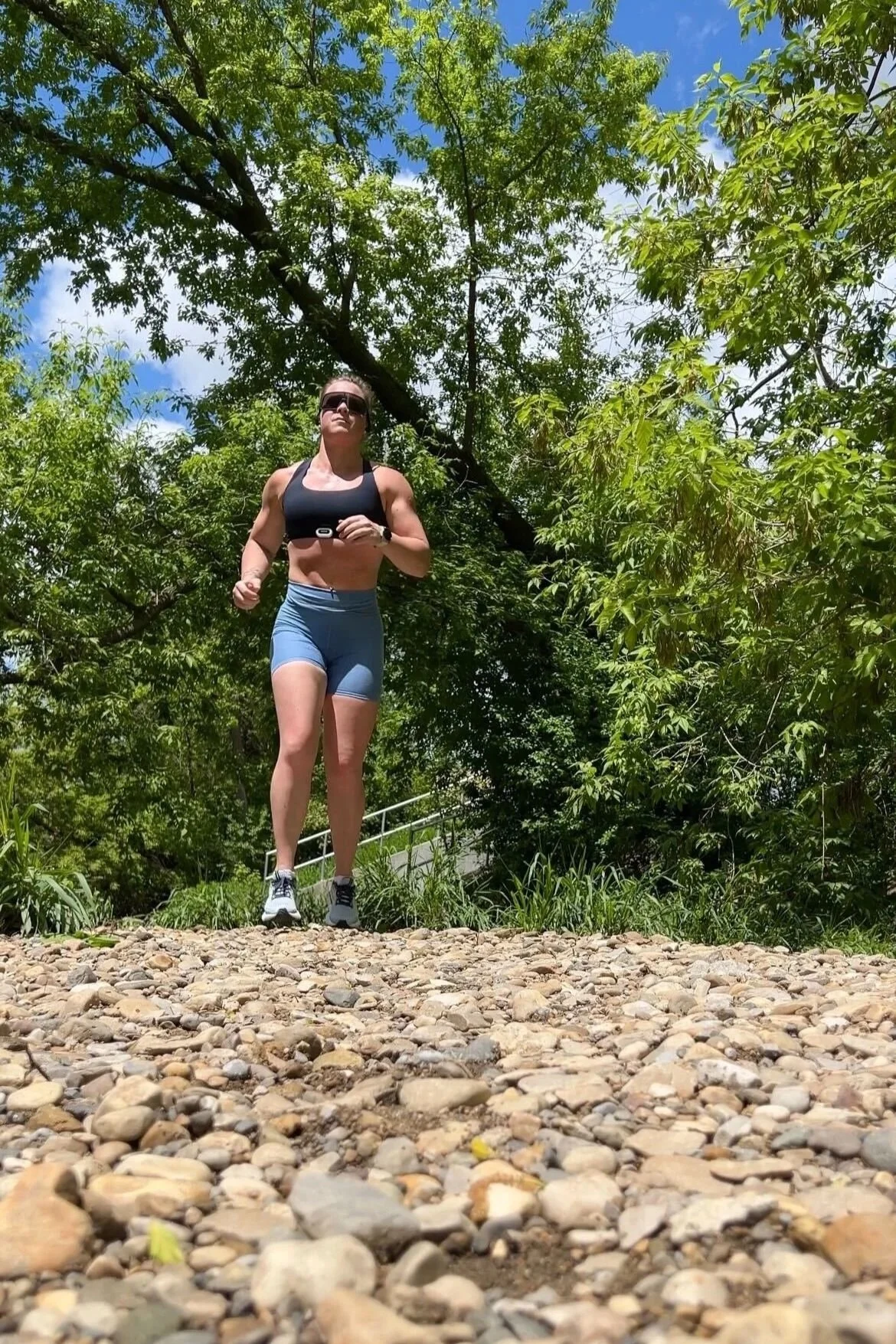
BLACK IRON RADIO EP. 365: Embracing the Heat: How Summer Training Makes You Faster
If your pace fell off a cliff the second it got hot out, you're not losing fitness. You're adapting!
Amanda, Chelsea, and Dr. Chris break down the summer slowdown, the very real reason your easy runs suddenly feel brutal and your heart rate spikes for no obvious reason. They get into what is actually happening in your body when you train in the heat, why it is diverting resources just to keep you alive, and why pushing through it is one of the most effective things you can do for your fall race season. Plasma volume expansion, improved sweat response, glycogen sparing, and why heat training works a lot like showing up to a lighter planet after training on a heavier one.
Slower in the summer does not mean less fit. It means you are handling a whole extra set of challenges, and building something that pays off when the temperature drops.
If you have ever stepped outside for a run in July and wondered why your easy pace suddenly feels like a sprint, you are not alone, and you are definitely not losing fitness. Amanda, Chelsea, and Dr. Chris sat down to talk through what they call the summer slowdown: why it happens, why it is actually setting you up for a great fall season, and how to get through it without losing your mind or your motivation.
What Is the Summer Slowdown
The summer slowdown shows up most in endurance athletes, especially runners, triathletes, and cyclists. As temperatures climb, you will notice slower paces at the same effort level you were hitting in the winter or shoulder seasons. Your heart rate runs higher during easy efforts, workouts feel harder than they should, and recovery gets tougher. You might finish a run and instead of tackling your to do list, you end up parked on the couch wondering what happened.
There is a real physiological reason for all of this, and it comes down stroke volume, which is the amount of blood your heart pumps out with each beat. Your body is working to divert resources to both cooling itself down and fueling the muscles you are actively using, and it prioritizes survival over performance every time. Blood that would normally go toward delivering oxygen and fuel to your muscles gets redirected toward your skin instead, to help dissipate heat. With less blood returning to fill the heart between beats, less gets pumped out per beat, and that drop is the stroke volume problem. Your heart compensates by beating faster to keep total blood flow steady, which is why your heart rate faster climbs at the same effort once it gets hot.
Dehydration makes this same problem worse. When you sweat, you lose fluid from your blood plasma, so your blood volume drops and what is left becomes thicker, more like syrup than water. That thicker, lower volume blood means even less returns to the heart per beat, dragging stroke volume down further and pushing your heart rate up even more.
On top of all that, your brain is working against you, in a protective way. If you are generating heat faster than your body can get rid of it, your brain will make the effort feel much harder so you back off, even if you technically have plenty of energy left in the tank. This is a separate system from the stroke volume issue, it is your brain regulating effort to keep your core temperature safe, but it stacks on top of everything else going on.
The bottom line: being slower in the heat does not mean you are less fit. Your body is simply managing a completely different set of challenges than it does the rest of the year.
Why Heat Training Actually Makes You Faster
Here is the good news. Unlike altitude acclimatization, which can take weeks or months, heat adaptation happens fast, usually within 10 to 14 days of consistent exposure. And the changes your body makes are genuinely valuable for performance.
A few key things happen as you adapt:
Plasma volume expansion. Your blood volume can increase by 5 to 10 percent, which improves oxygen delivery and lowers your heart rate at any given effort.
Improved thermoregulation. You will start sweating earlier and more efficiently, which helps keep your core temperature lower during exercise.
Better fuel use. Lower core and muscle temperatures reduce stress induced glycolysis, which spares glycogen, improves fat oxidation, and improves lactate clearance, all of which delay fatigue.
The payoff comes once temperatures drop in the fall. Many of these adaptations, including expanded plasma volume and more efficient sweating, stick around for several weeks even after the heat stress is gone. That means all the resources your body used to spend keeping you cool can now go straight toward performance instead.
Should You Just Train Indoors All Summer
Once the heat sets in, a lot of athletes wonder if they can just skip it altogether and do all their training in an air conditioned gym or on an indoor trainer. It's a fair question, nobody enjoys sweating through a hard session in July. But the answer is no, not if you want the adaptation benefits, since heat exposure is what actually drives the change. Skip the heat and you skip the adaptation.
That said, indoor training still earns a real spot in your summer plan. It comes with real upside: it builds the adaptations above, and it prepares you mentally and physically for race day conditions, especially if you know you will be racing somewhere warm. But it also comes with real costs, including higher fatigue, more difficulty hitting precise paces, and increased hydration and fueling demands.
Indoor, climate controlled training shines when precision matters. If you have a key tempo or interval workout, doing it somewhere cool can help you hit your paces or power targets and get more out of the session with less overall stress.
For most people, a hybrid approach works best. Save your easy efforts and long runs for outside, since that is where you get the biggest adaptation payoff. Keep your key speed or threshold workouts indoors, or shift the timing of your outdoor sessions to cooler parts of the day. Just try not to stack too many indoor days in a row.
The Mental Side of Heat Training
Training in the heat is not just a physical challenge, it is a mental one too. Your brain is sending you constant discomfort signals, telling you to slow down or stop, and you are also getting a lot less reward. Slower splits and a harder feeling workout can chip away at your confidence, and it is easy to spiral into thinking you are losing fitness when really you are just dealing with the heat.
The fix is simple, even if it does not feel easy: throw your pace expectations out the window. Your body does not actually care about pace, it responds to the stimulus, meaning time spent in a given heart rate zone and the general metabolic stress of the session. Trying to hit paces based on cooler weather performances is a setup for frustration. Instead, try hiding the pace field on your watch, or just track the run on your phone instead so you are not tempted to check it. Ask yourself if you got the stimulus you needed, not whether you hit a specific number.
Are You Overdoing It
Heat adds a whole separate layer of stress on top of your normal training load, and it is entirely possible to overdo it, especially if you are training at high volumes without much rest. Watch for these signs of under recovery:
Resting heart rate that keeps drifting upward over weeks or months
Workouts that keep getting worse instead of feeling more manageable over time
Poor sleep quality or trouble falling asleep
Chronic dehydration, including consistently dark urine
Loss of motivation to train
If you are noticing these, it is not a sign you need to push harder, it is a sign your body needs more recovery to match the added stress of the heat.
How to Avoid Overdoing it
A few practical strategies can help you get the adaptation benefits without digging yourself into a hole:
Plan two to four heat exposure days a week rather than training in the heat every single day
Move your key workouts indoors or to cooler hours, and save outdoor sessions for easy efforts
Be extra honest about what easy actually feels like when it is hot, since your normal easy pace may not apply
Prioritize hydration, electrolytes, sleep, and total calorie intake, especially if your appetite tends to drop in the heat
Consider spacing out your hardest efforts more than you would in cooler months, since each one is a bigger stressor in the heat
Practical Tips for Training in the Heat
Adjust your expectations. This one is non negotiable. Slower paces and a higher heart rate at the same effort are simply part of the deal. Try to go by feel rather than obsessing over your zones or splits, since your zones are not fixed and your watch cannot tell you if an effort truly feels easy.
Get hydration right. Make sure you start sessions well hydrated. Weighing yourself before and after workouts can help you understand your fluid loss, and a sweat test can tell you how much sodium you are losing so you know if you need extra. During the summer, you may need to start carrying water on shorter runs than you would in the winter, sometimes as short as 45 minutes.
Use cooling strategies. Ice in your water bottle, a cold towel or ice bandana around your neck, staying in the shade, and getting into air conditioning before and after your session can all help. Light colored, loose, moisture wicking clothing helps too, and a wet cotton shirt can actually help you stay cooler for longer if you have access to water along your route.
Be strategic with timing. Early mornings and late evenings are ideal, and dew point and humidity often matter more than the actual temperature reading. If a long run is pushing your core temperature too high, consider splitting it into two shorter sessions, and give yourself more days between hard efforts than you normally would.
Dial in your fueling. You will likely need more carbohydrate in the heat, since your glycogen demand goes up even as your body also gets better at using fat for fuel. GI distress risk increases too, since blood gets pulled toward cooling and away from digestion. If something that worked in the winter feels off in the summer, try smaller, more frequent doses of simpler carbs rather than a few big hits.
Know when to call it. Dizziness, chills, goosebumps, vomiting, or a sudden stop in sweating are all signs to end a session early. Cutting a workout short is a much smaller setback than dealing with heat exhaustion or heat stroke, and backing off when your body tells you to is smart training, not weakness.
The Takeaway
The summer slowdown is normal, expected, and honestly unavoidable if you are training through the heat. It is not a sign that you are losing fitness, it is a sign that your body is doing exactly what it should to keep you safe while building adaptations that will pay off big time once the temperatures drop in the fall.
Give yourself two to three weeks to move through that initial adaptation window. Lower your pace expectations, track your effort instead of your splits, and remember that the goal right now is not to win your summer workouts. It is to show up consistently, protect your recovery, and set yourself up to feel strong when fall racing season arrives.
🎙️ WANT MORE? SUBSCRIBE TO BLACK IRON RADIO!
If you enjoyed this conversation, check out more episodes of Black Iron Radio, where we cut through the noise and give you real, no-BS advice on feeling, performing, and looking your best. Each week we share practical nutrition, training, and wellness strategies and tips to help you succeed.
