
So You Want To Feel Strong for the Next Decade
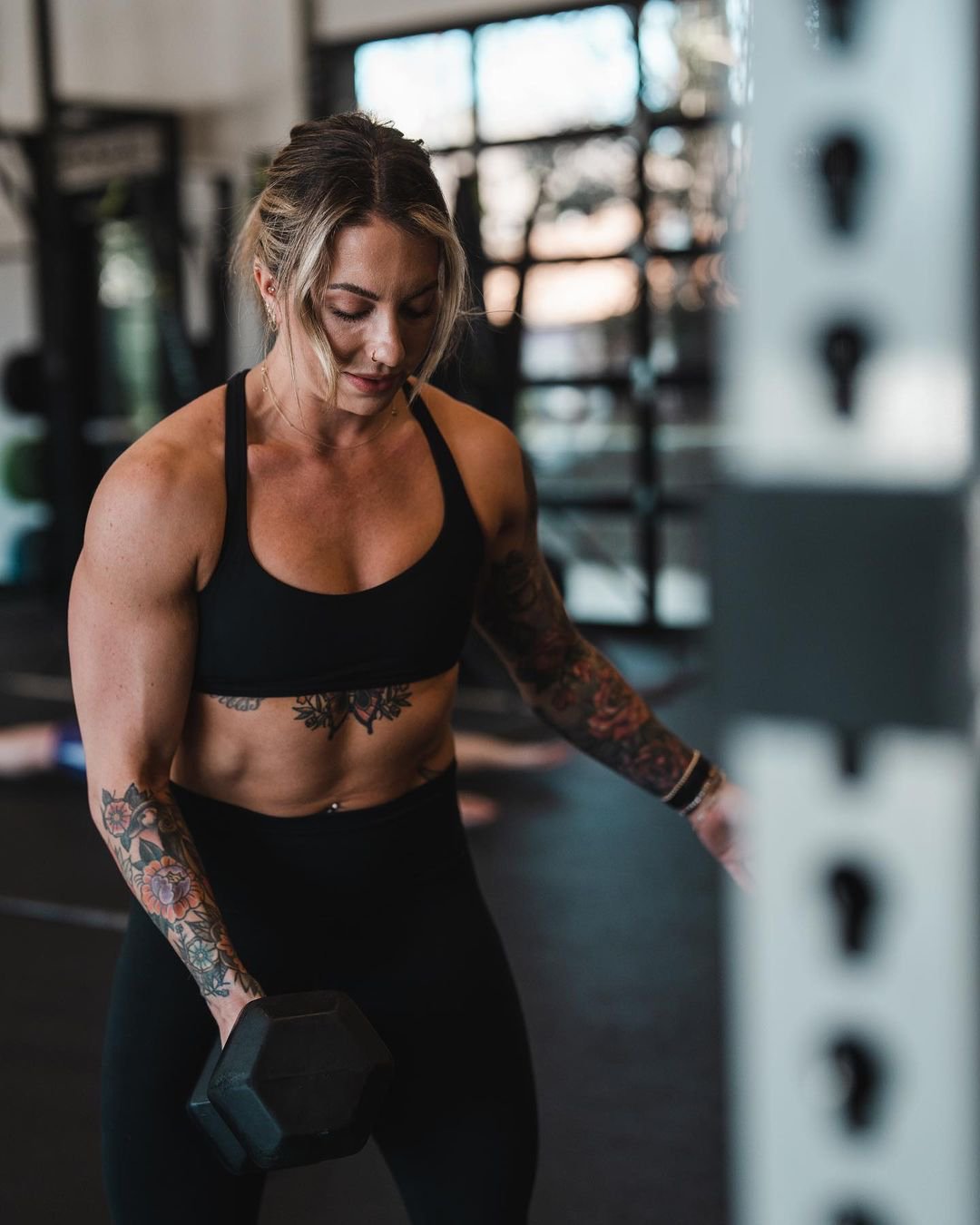
BLACK IRON RADIO EP. 340: So You Want To Feel Strong for the Next Decade
Feeling strong for the next decade means training like your future body matters too.
Manders, Jess Gordon, and Kelsey talk about what it actually means to build strength that lasts. Not just hitting PRs, chasing aesthetics, or throwing yourself at whatever trend looks intense enough, but training in a way that helps your body stay capable, resilient, and strong through different seasons of life.
They get into the stuff that actually supports longevity: movement quality, mobility, stability, recovery, sleep, eating enough, and building muscle in a way that serves you long term. They also talk about how your definition of strong can shift over time, whether that's because of age, pregnancy, changing goals, or just realizing that constantly running yourself into the ground is not the flex the fitness industry has made it out to be.
This one is a good reminder that strength is not just about what your body can do today. It's also about how well it keeps showing up for you years from now.
📲 Listen & Subscribe: Apple Podcasts | Spotify
Here is something worth sitting with: the goal was never just to be strong right now. The goal is to still be strong ten, twenty, thirty years from now.
That sounds obvious, but the way most people actually train does not reflect it. They chase the next program, grind through nagging injuries, skip warmups, and run their recovery into the ground. Then they wonder why they keep ending up back at square one.
Mander sat down with Kelsey and Jess to talk about what it actually means to train for longevity, and why the answer is probably not what you have been told.
Redefining What Strong Looks Like
When most people think about being strong, they think about numbers. How much can you lift? What is your PR? But those metrics only tell part of the story, and not the part that matters most over the long haul.
A more useful question is: how long can your body hold up? That means joints that feel good, energy that supports your training, the ability to recover without feeling destroyed, and staying out of the injury cycle that takes so many people out of the game.
Kelsey made this shift firsthand during her pregnancy. Even stepping back from the intensity she had trained at as a competitive CrossFit athlete, the goal of feeling strong and empowered still held. It just looked different. Listening to her body, dedicating serious time to pelvic floor work, slowing down. Jess sees the same thing play out at her gym, where her mom trains alongside competitive athletes. At 60, the goal is independence, being able to chase grandkids around, carry both car seats at the same time. That is strength. It just does not show up on a barbell.
Movement Quality Over Loading Weight
As we age, and honestly at any age, how you move matters more than how much you lift. Chasing a PR on a day your lower back is already talking to you is not training smart. It is just ignoring information your body is giving you.
A few things that pay off long term for almost everyone:
Single leg work and stability training. These tend to get skipped in favor of the "bigger" lifts, but they build the kind of balanced strength that keeps you moving well.
Full range of motion. A muscle trained through its full range is a stronger, more resilient muscle. Partial reps might let you move more weight, but they are a trade-off you will eventually feel.
Intentional warmups. Not flopping around doing a couple random stretches before you touch a barbell. If you have an upper body push day, you should be mobilizing your shoulders. The warmup is part of the workout.
Kelsey put it well: what used to feel like a warmup has become almost a workout in itself. That is not weakness. That is wisdom.
The Minimum Effective Dose
There is a real temptation in group fitness especially to do everything. Every piece, every accessory, every conditioning add-on. Jess sees this constantly at her CrossFit gym, and she is not immune to it herself.
But training smarter means asking a different question: what is the minimum effective dose for me today? Not because you are trying to do less than everyone else, but because doing more than you actually need right now does not make you fitter. It just slows down your recovery.
The goal is to still be doing this years from now. That requires protecting your ability to keep showing up.
Sleep and Recovery Are Not Optional
Muscle is built during recovery, not during the workout. That sounds like a cliché, but it has real implications for how you structure your training week.
Kelsey calls herself a sleep snob and is not sorry about it. For her, it has been a non-negotiable, whether she was training for competition or not. And the signs of under-recovery are worth knowing: constantly plateauing, persistent soreness, low energy, irritability. A lot of people hit these walls and think they need a better program or that they need to work harder. Almost always, the answer is the opposite. They need more rest.
The pattern is consistent across athletes at every level: most injuries do not happen when you are fresh. They happen when you are already running on empty and your body is compensating in ways it was not designed to.
Fueling for the Long Game
This is a nutrition company, so yes, we are going there.
One of the most counterproductive things we see is people living in a chronic caloric deficit while simultaneously trying to build a body that performs well long term. You cannot do both indefinitely. The body is not built for it.
Building muscle takes years, not months. For a lot of people, especially those who feel like they just need to lose a few pounds, the actual answer is to build more muscle first and let body composition shift from there. That process requires eating enough. It requires enough protein. It requires not going into every workout underfueled.
The whole thing, the training, the eating, the recovery, has to be something you can actually sustain. If you are dreading your program and miserable in your eating, you will not do it for a decade. And a decade is how long this takes.
Pain Versus Discomfort
One skill worth developing is learning to tell the difference between muscle soreness and something that actually needs attention. It is harder than it sounds, especially if you are newer to training.
As a general rule: if something is consistently bothering you across different workout types, across different days, regardless of what you are training, it needs to get looked at. That is not a sign to push through. That is a sign to get a coach or PT involved before a minor thing becomes a major one.
The Long Game
There is no shortcut here. Mander has been training for twelve years and only recently feels like she has a bicep to show for it. That is not a failure story. That is just how long this actually takes, and what makes starting early worth it.
The question to ask yourself is not whether what you are doing is working right now. The question is whether you can keep doing it for years. If the answer is no, then something needs to change, because the whole point of training for longevity is that it keeps going.
Lift some weights. Eat enough. Sleep. Do it again next year.
🎙️ WANT MORE? SUBSCRIBE TO BLACK IRON RADIO!
If you enjoyed this conversation, check out more episodes of Black Iron Radio, where we cut through the noise and give you real, no-BS advice on feeling, performing, and looking your best. Each week we share practical nutrition, training, and wellness strategies and tips to help you succeed.
📲 Listen & Subscribe: Apple Podcasts | Spotify
