

WELCOME TO OUR BLOG
SEARCH FOR AN ARTICLE
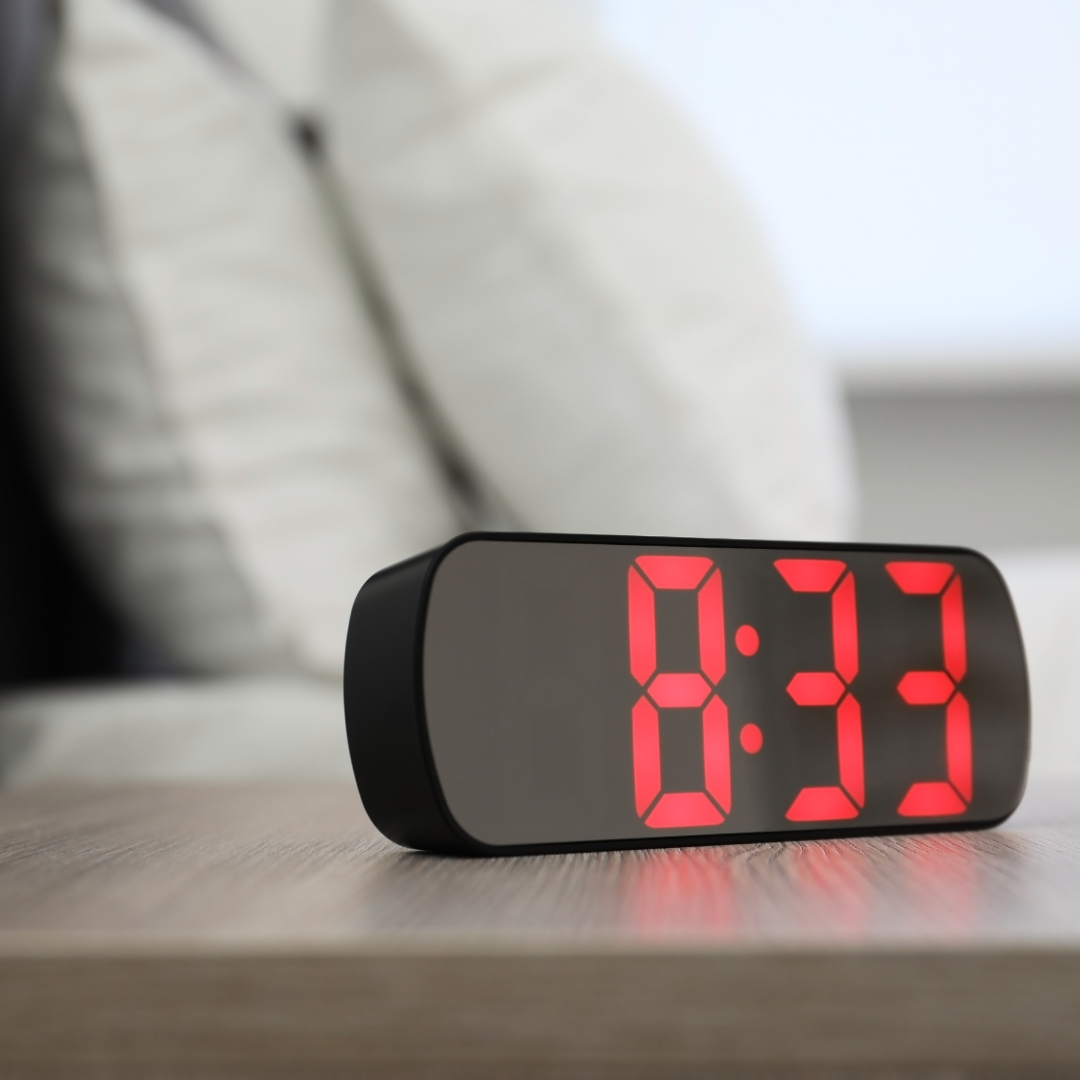
Getting 7-9 Hours a Night is the Guideline, But Not Everyone's Reality
For some people, six hours of sleep is a huge win despite the 7-9 hour guideline. In this post we dig into why sleep duration guidelines exist, what chronic low sleep is linked to (from mood and performance to long-term cognitive health), and why "I've always slept bad" isn't the same as "this isn't affecting me." Then we get practical: how to work with six hours instead of obsessing over eight, why quality often matters more than quantity, and how nutrition, training, and stress quietly impact sleep. We also cover when it's time to go beyond habit tweaks and involve a sleep study or medical support. No shame, no sleep virtue signaling. Just a nuanced conversation about protecting your health when perfect sleep isn't on the table.

Sleep Deprivation and It's Impact on Body Composition
When most of us look to change our lifestyle to lose weight we often turn towards a healthy diet and exercise. Up at 4 am for our first workout, lots of fruits and veggies, and maybe an evening weightlifting session. By the end of the week we are exhausted, hungry, and wishing for an extra hour of sleep. Is it worth it to press the snooze button and get that extra hour of sleep? Will that really help you reach your goals? You better believe it….

Deep Sleep: Why It Matters
Deep sleep is a period of sleep when your brain waves are at their lowest frequency. This is when it is hardest to wake you up. Usually, people get spurts of it within the first couple of hours of the night. Some with genetic mutations are able to get more deep sleep, but studies are showing that around 20% of deep sleep for adults is optimal. This equates to around 1.5 hours a night or more. You can track deep sleep through tracking devices such as an Oura ring, Fitbit, Whoop, and other brands. You may be able to tell if you’re not getting enough deep sleep if you’re waking up a lot early on in the night, not feeling rested in the mornings, even with 8+ hours of consistent sleep every night.