
WELCOME TO OUR BLOG
SEARCH FOR AN ARTICLE
So You Want to Stop Procrastinating Your Workouts
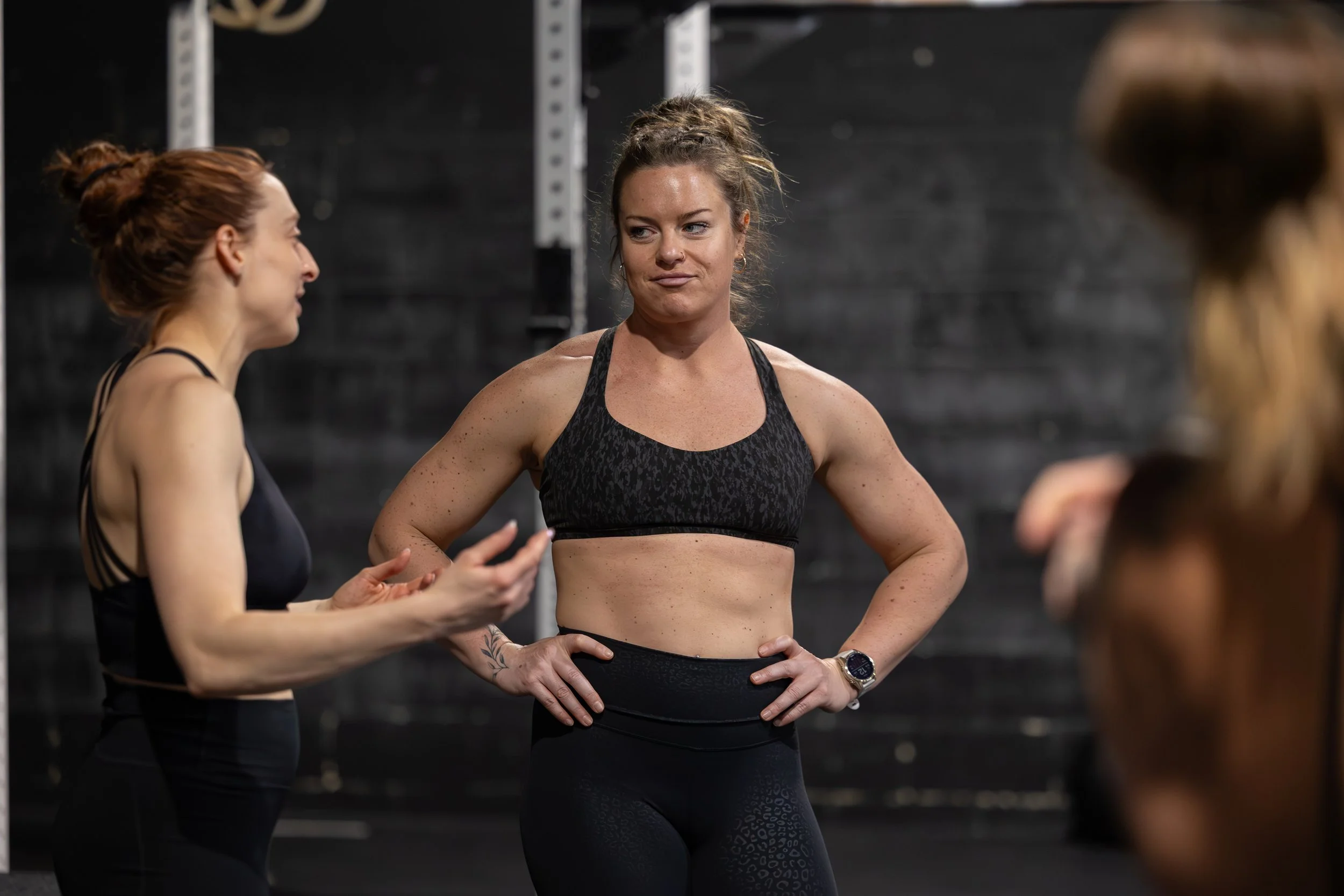
Wanting to be fit and talking yourself out of a workout can very easily coexist since the hardest part of a workout is usually the part where you decide to do it.
Amanda and Christin get into why procrastinating a workout is almost never a discipline issues. It's usually a friction, expectations, or decision-making issue. They talk about why the couch always wins in the moment, why "if I can't do the whole session I might as well skip it" keeps you stuck, and why the goal isn't to make yourself want to work out. It's to stop making the workout depend on wanting to.
Plus how to stop renegotiating a decision you already made, why "I'll work out sometime Tuesday" is a setup, and how becoming the kind of person who trains beats waiting to feel motivated.
Trusting Your Taper: Why Feeling Worse Means You're Getting Better
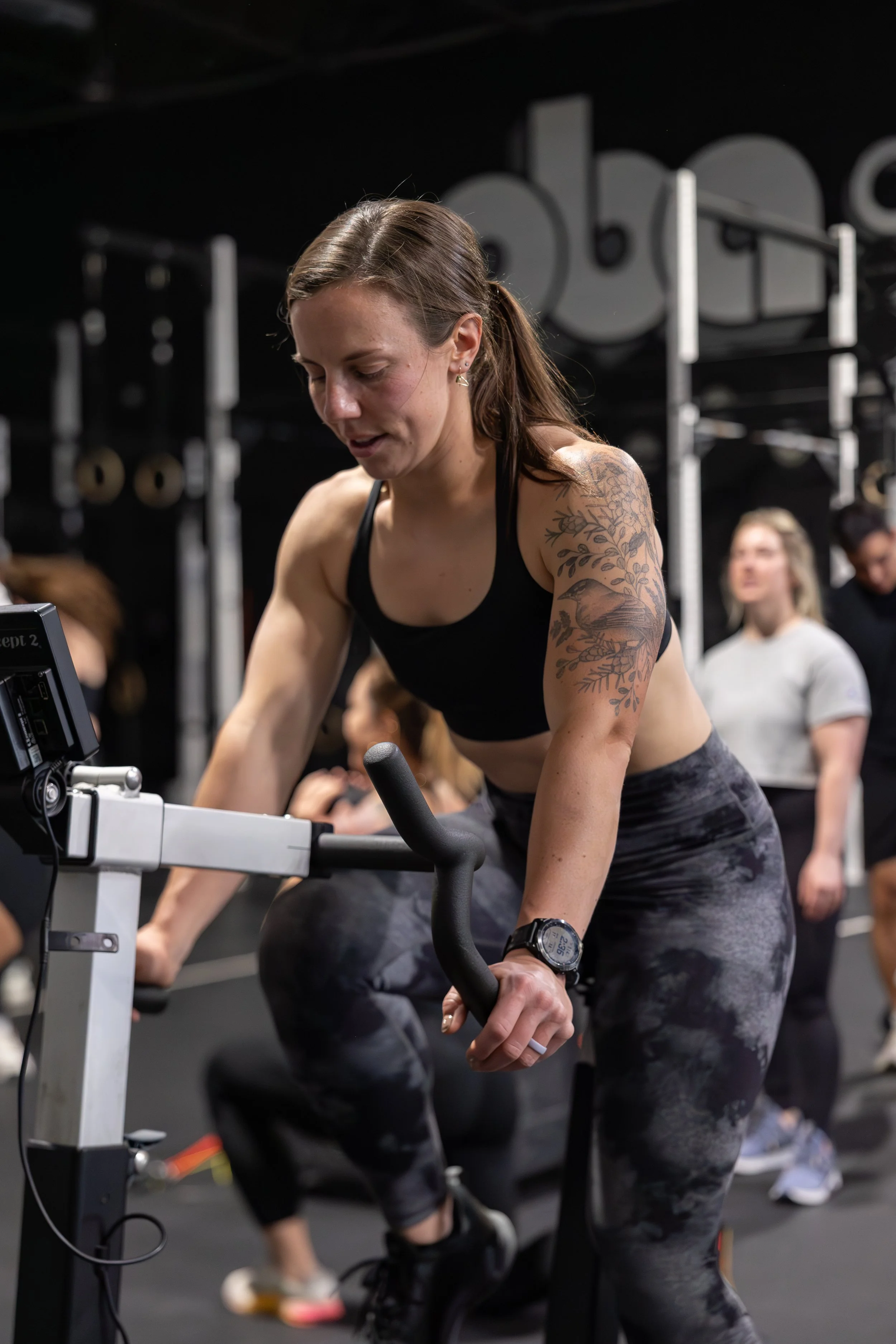
You spent months believing more work equals better performance. Then someone tells you to train less right before the biggest day of your season. Your brain hates it. Your body needs it.
Amanda, Dr. Chris, and Chelsea get into why the taper is the most misunderstood part of a training block. The fitness is already built. The taper just clears out the fatigue that's been hiding it. They break down what a taper actually looks like for strength versus endurance, why your legs feel like garbage right when they're supposed to feel great, and why the panic workout you want to add is the exact thing that can sabotage months of work.
Plus what's really happening physiologically during a taper, why the research on it is shockingly thin for how universal it is, the taper tantrum nobody warns you about, and why feeling worse is often a sign it's working.
Training During Your Cycle: What The Research Says Now
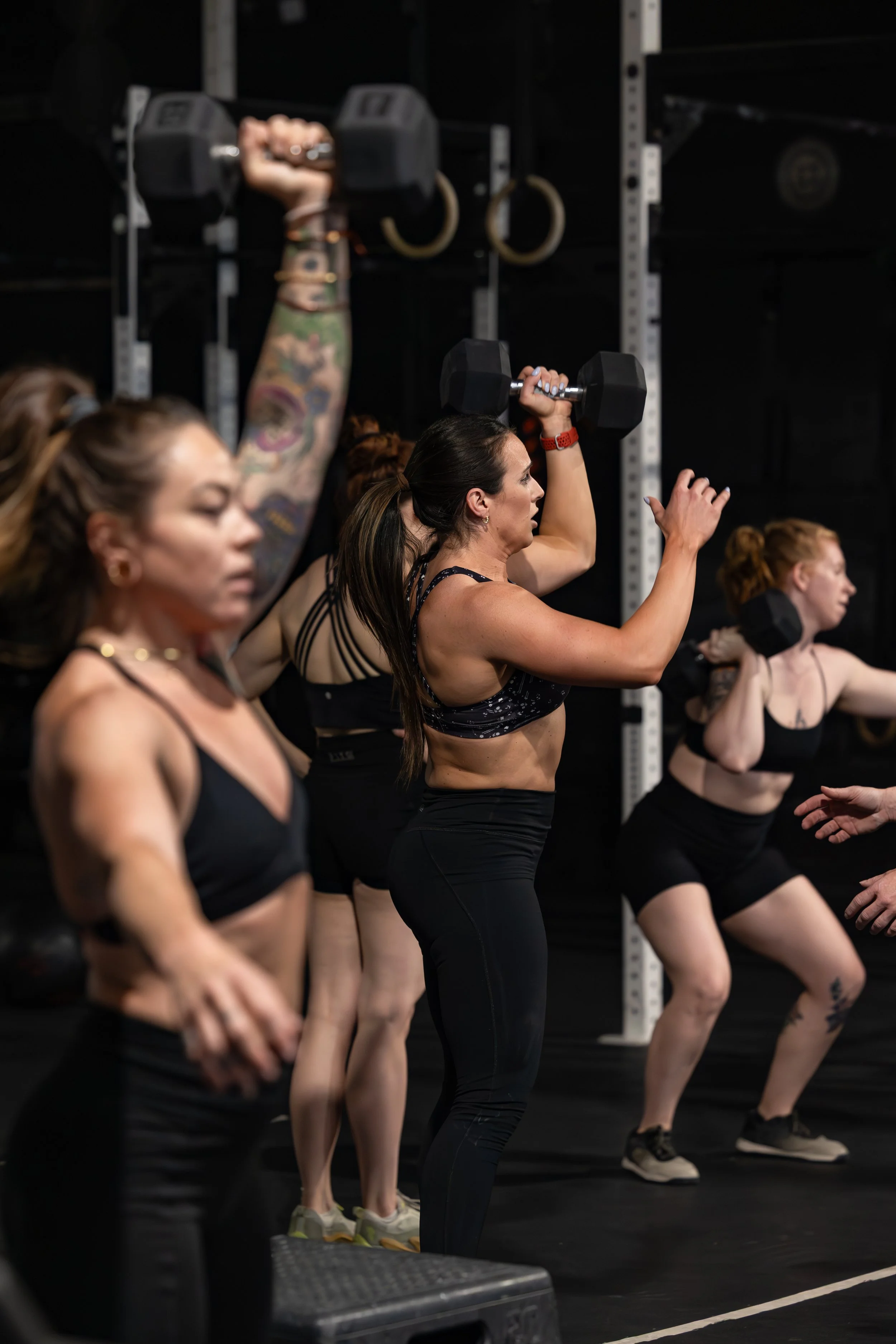
Cycle syncing is all over your feed right now, wrapped in a lot of intensity and a little bit of fear-mongering. So we looked at what the research actually says.
Morgan and Jess Gordon get into the difference between the real, legitimate hormonal changes that happen across your cycle and the internet's version, which somehow always ends with women being too delicate to train hard and needing a sound bath during their luteal phase. They break down the actual phases, why "train on day 14" assumes a textbook cycle that most people don't have, and why the research on performance across your cycle is nowhere near as conclusive as a 30-second reel makes it sound.
Plus why birth control changes the whole conversation, how much your period actually affects your performance output (spoiler: less than the internet claims), and why the story you tell yourself about how you're "supposed" to feel can become a self-fulfilling prophecy.
Exercise Snacks: The Big Impact of Small Bursts
Exercise doesn't have to mean a 60-minute workout, a perfect program, or an all-or-nothing mindset. Exercise snacks are small bouts of movement sprinkled throughout your day, and emerging research shows they can improve glucose control, cardiovascular fitness, and overall metabolic health, even when total time is low. You'll find real-life examples of how to stack movement into busy schedules, from desk jobs to parenting to travel days, plus why frequency often matters more than duration when it comes to baseline health. We also unpack the psychological upside: better focus, steadier energy, reduced cognitive fatigue, and a lower barrier to getting started. If you've been waiting for the "perfect" time to commit to a program, this is your reminder that movement doesn't have to be complicated to be effective. Fitness can fit into your life, not compete with it.

So You Want To Understand Your Wearable Data
Wearable data is everywhere, but what do those numbers actually mean? This post breaks down heart rate variability, sleep metrics, and recovery scores: what they're measuring (and what they're not), why trends matter more than single-day numbers, and how lifestyle factors like stress, sleep, and alcohol can shift your data. Learn how to use wearable data to train smarter and recover better without letting it run your life or create more anxiety than insight.
So You Want To Focus on Performance Instead of Fat Loss in 2026
If you’re tired of chasing smaller and still not feeling better, stronger, or more confident, shifting to performance might be the thing that finally moves the needle. When you stop underfueling, start training with purpose, and let your goals be about what your body can do instead of what it should look like, everything changes — energy, progress, consistency, even your mindset. Here’s why 2026 might be the year you stop shrinking yourself and start building something.
So You Want To Train For Something During The Holidays
Training through the holidays doesn’t have to be chaos or a calorie burn-fest. In this post, we talk about staying consistent when travel, family, and festivities try to derail you. Learn how to plan ahead, flex your routine, and hold boundaries without being that person at dinner. Because December doesn’t have to be a detour from your goals—it can be a test of adaptability.
Behind on Hydration? Here’s Why It Matters
Hydration is more than “just drink more water.” In this post we break down how fluid balance impacts digestion, energy, performance, recovery, and even mood. Learn the real science behind electrolytes, why dehydration often disguises itself as hunger or fatigue, and practical ways to make hydration a habit without obsessing over supplements.
So You Want To Compete Without Attaching Your Worth to the Result
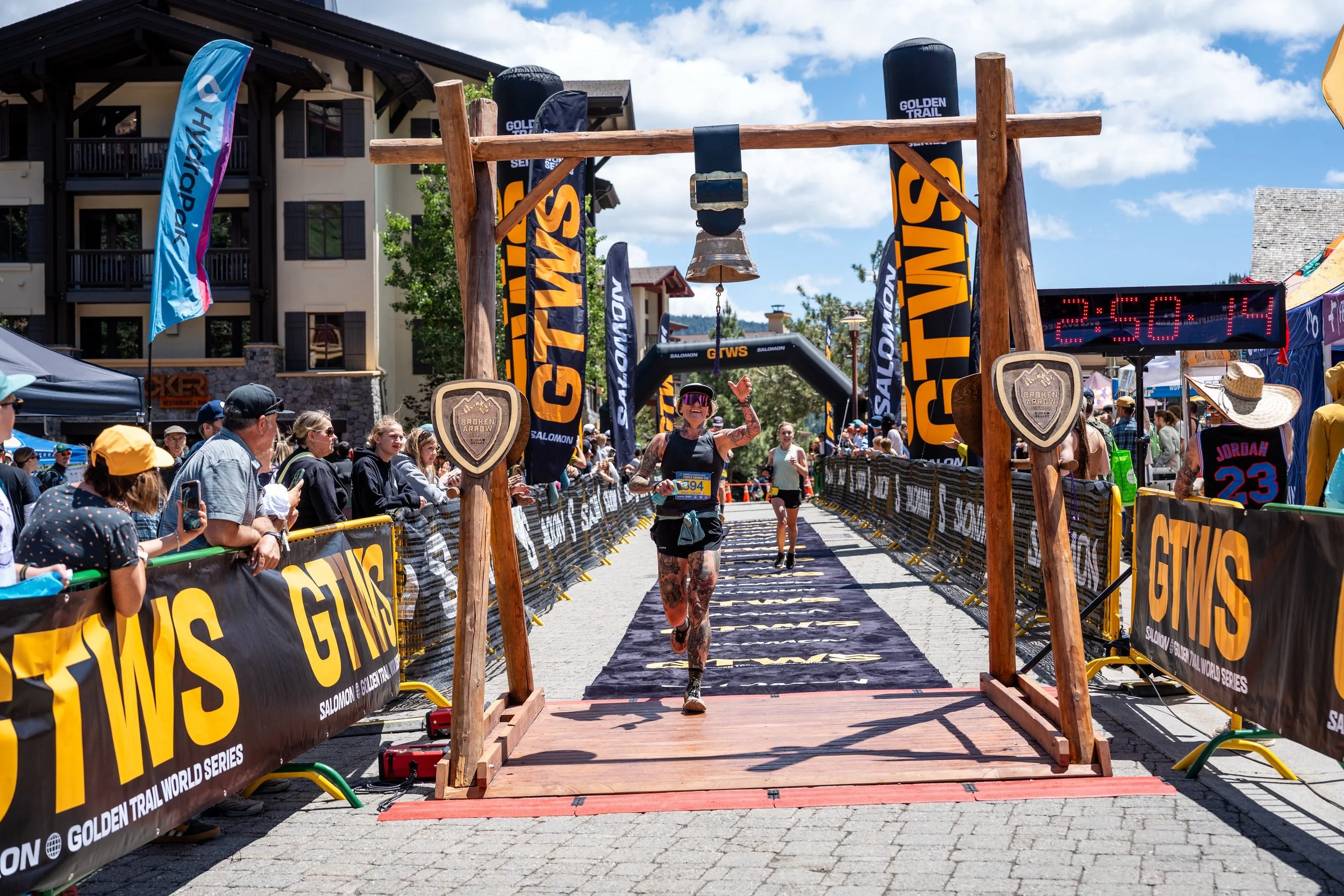
Why tying your self-worth to race results is a fast track to burnout. We break down healthy vs. unhealthy athlete identity, how to stop spiraling after bad performances, and why sport should add to your life—not take it over.

So You Want More Energy for Life, Work, and Training
Low energy doesn’t just hit your workouts — it drags down your workdays, mood, and life outside the gym. Learn the real reasons you’re feeling drained and the nutrition and lifestyle fixes that actually work, from eating enough (and early) to identifying your personal energy leaks
The Black Iron Run + Lift Program
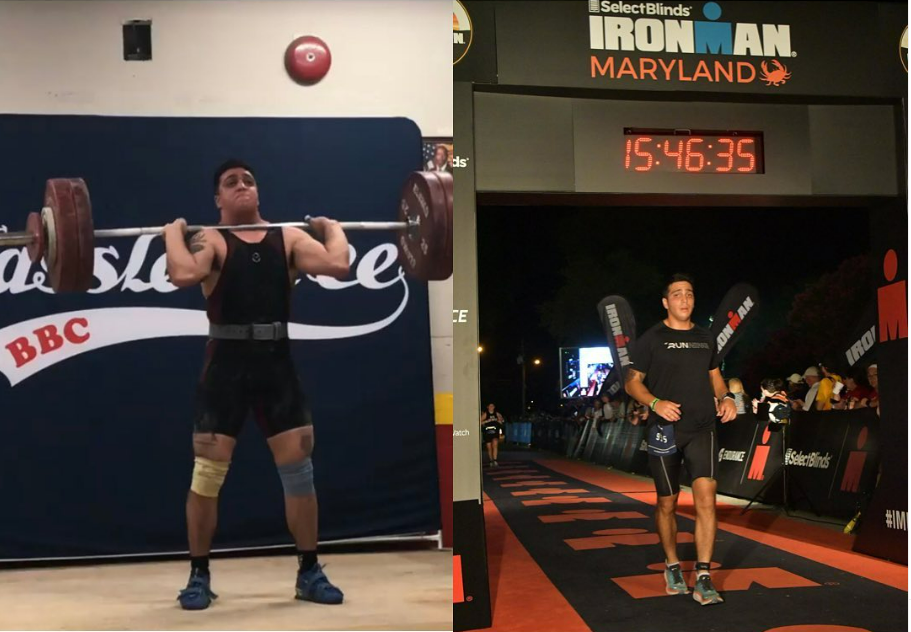
If you’re a lifter, you’ve no doubt heard that cardio kills your gains. If you’re a runner, you’re probably familiar with the argument that lifting makes you bulky and slow. So, what’s the deal there?
Running and lifting are indeed two separate disciplines with their own unique set of adaptations and training requirements, which has caused many to be worried about something called the “interference effect”.

Fueling Strategies for Ultramarathons: Pre-Race, During, and Post-Race Nutrition
Chelsea delve’s into the essential aspects of fueling for ultramarathons, what to consume in the days leading up to the race, during the event itself, and post-race recovery. She also includes examples from her prep for the Mogollon Monster 100 and lessons learned from what went wrong during the race.

How long does it take to lose your gains?
Taking time off from your regular workout routine for any reason can be a challenge, and it's common to worry about losing the progress you've made in your fitness journey. Whether you're recovering from an injury, dealing with a personal issue that leaves you with less time and energy, or facing any other circumstance that makes it difficult to maintain your regular workout schedule, it's normal to be worried about months or even years of training going down the drain. But how long does it take to really for deconditioning to really set in?
7 tips for training in the heat
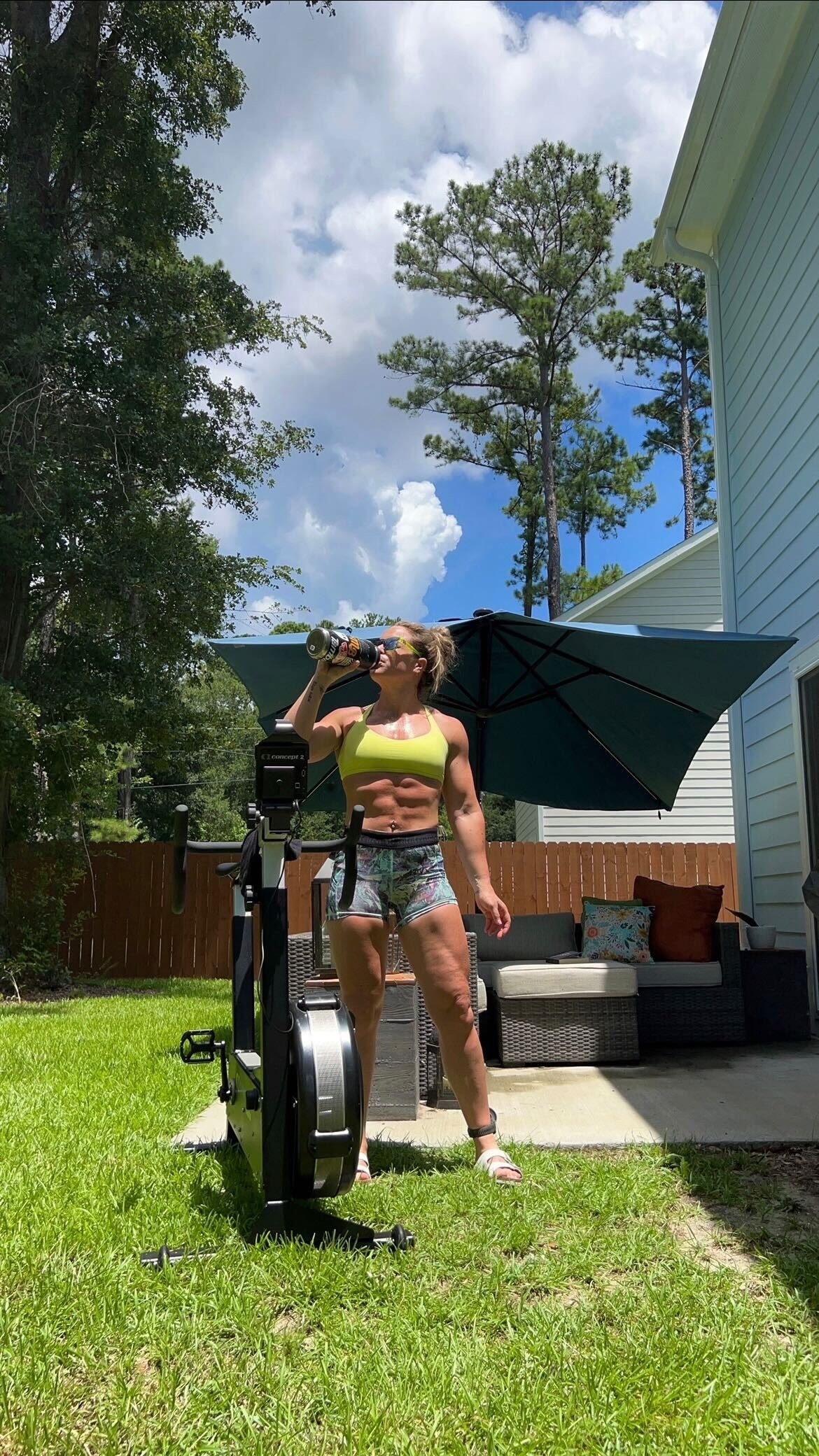
Training in the heat can be challenging, especially if you aren’t used to it. When Black Iron Nutrition coach Amanda May moved south she realized pretty quickly that she was going to need a game plan for managing the heat; from hydration to meal timing, training volume to straight up managing her performance expectations. Similar to acclimatizing for high elevation, our bodies need to do the same thing for heat.

4 Things Essential for Recovery
People want to glamorize recovery with fancy tools like the recovery boots and massage guns but what really matters?
Really, there are four important parts of recovery. If these points are not a priority, those fancy recovery tools aren’t going to do much!

Sleep Deprivation and It's Impact on Body Composition
When most of us look to change our lifestyle to lose weight we often turn towards a healthy diet and exercise. Up at 4 am for our first workout, lots of fruits and veggies, and maybe an evening weightlifting session. By the end of the week we are exhausted, hungry, and wishing for an extra hour of sleep. Is it worth it to press the snooze button and get that extra hour of sleep? Will that really help you reach your goals? You better believe it….

Rest and Recovery Days
A lot of folks think that they need to do MORE MORE MORE to lose weight, gain muscle, or achieve performance/athletic goals, and yes, we DO want to exercise, but people forget that exercise is also a stressor on the body.