Exploring Climate-Friendly Eating
Climate-friendly eating doesn’t have to mean swearing off steak forever or spending a fortune on “green” labels. We dig into the science behind food’s environmental impact, the myths around organic and local, and the small shifts that actually add up.
BLACK IRON RADIO EP. 273: Exploring Climate-Friendly Eating
Krissy, Whitney, and Acacia break down the science of climate-friendly eating without the guilt trip. From cutting back on beef and food waste to understanding what organic and regenerative farming really mean, they share practical ways to align your eating habits with your values—no perfection required.
When most people hear “climate-friendly eating,” they brace for a guilt trip about going vegan, never touching dairy again, and living off lentils. That’s not what this is. Food is deeply personal, and no one is handing out moral scorecards at the dinner table. What we are doing is breaking down the science of how our food choices impact the planet—and where small shifts can actually move the needle.
Because let’s be real: climate change is not a problem individuals can “solve” with reusable straws and oat milk. It’s a systemic issue that requires governments and corporations to regulate emissions, invest in better farming practices, and make sustainable food accessible. But while we wait for policy to catch up, individual choices still matter—especially when they add up collectively.
The Science, Without the Spin
The global food system drives roughly 26–34% of greenhouse gas emissions. Beef, lamb, and dairy are the heavy hitters thanks to methane, land use, and water demands. Agriculture is also responsible for about 90% of deforestation worldwide, which means when forests get cleared for farming, not only do we lose those ecosystems, but the carbon stored in the trees and soil is released right back into the atmosphere.
And while “eating local” sounds like the obvious green move, transport is only 6–11% of food’s total emissions. A steak from the farm down the road still has a far higher footprint than a bag of beans shipped overseas. In other words: it’s not always about food miles—it’s about food type.
Organic, Regenerative, and Reality
The terms “organic” and “regenerative” get tossed around a lot, usually with more marketing than clarity. Certified organic farming avoids synthetic pesticides and fertilizers, but yields are often lower, which can increase pressure for more land use. It’s not automatically climate-friendly, though improvements in regulation are pushing things in the right direction.
Regenerative farming takes it further—minimal tilling, crop rotation, composting, and managed grazing—all geared toward restoring soil health and storing more carbon in the ground. It’s not a magic bullet, but it’s a promising approach.
And then there’s deforestation in the Amazon, largely driven by beef production. Supporting companies tied to that cycle just fuels the problem. Voting with your dollar—whether that means cutting back on beef, sourcing meat differently, or simply being more aware—matters here.
What You Can Actually Do
This isn’t about perfection. It’s about making swaps and shifts where you can without wrecking your budget or adding unnecessary stress. Some of the biggest ways to reduce your impact:
Eat fewer mammal products. Not “go vegan,” just cut back. Even swapping one or two meals a week away from beef or dairy makes a measurable difference.
Waste less food. Up to 40% of food in the U.S. is wasted. If food waste were a country, it would be the third-largest emitter after the U.S. and China. Store your produce better, buy what you’ll actually eat, and get creative with leftovers.
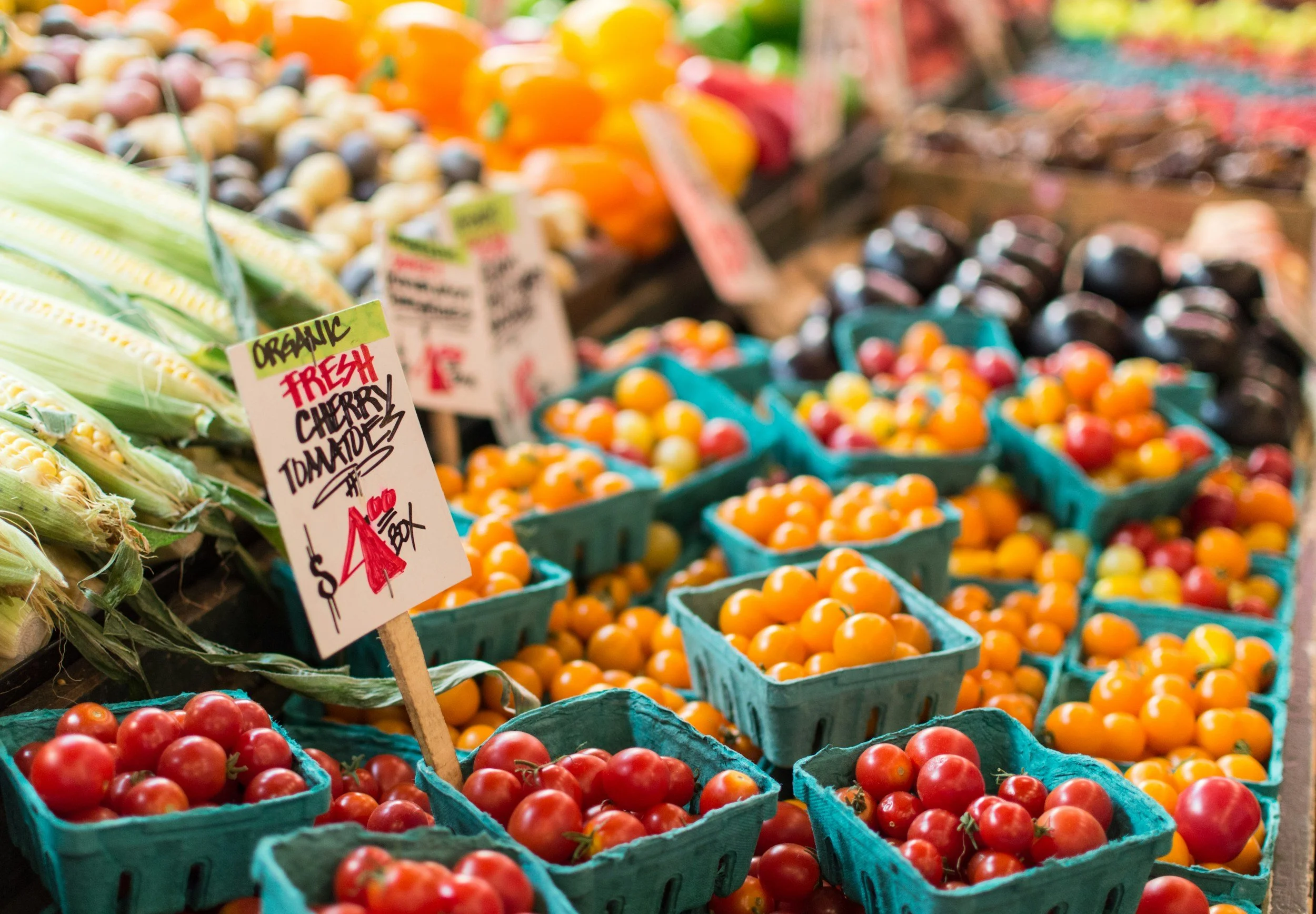
Use your resources wisely. Backyard gardens, chickens, fishing, and even a tomato plant on the patio can cut out industrial food systems. Farmers’ markets and CSA boxes also help you source seasonal, local food with less packaging and waste.
Be smart with storage. Learn which foods shouldn’t sit together (bananas, onions, and leafy greens don’t play nice), keep dairy and eggs in the body of the fridge—not the door—and stop washing berries until right before you eat them. These little tweaks go a long way toward cutting spoilage.
Don’t stress perfection. If buying prepackaged snacks makes your life easier, keep them. Maybe your climate-friendly move is eating less red meat instead. Pick one or two habits that fit your lifestyle and roll with them.
The Takeaway
None of us are zero-waste homesteaders with endless land, time, and money. And we don’t need to be. Climate-friendly eating isn’t about being perfect; it’s about doing better when and where you can. A few small changes multiplied across millions of people matter more than one person trying to do everything flawlessly.
At the end of the day, the planet will recover with or without us—it’s our species and future generations that are on the line. So if you want your habits to align with your values, start with what feels sustainable for you. That’s how change sticks.

🎙️ WANT MORE? SUBSCRIBE TO BLACK IRON RADIO!
If you enjoyed this conversation, check out more episodes of Black Iron Radio, where we cut through the noise and give you real, no-BS advice on feeling, performing, and looking your best. Each week we share practical nutrition, training, and wellness strategies and tips to help you succeed.
📲 Listen & Subscribe: Apple Podcasts | Spotify