
Sleep & Gains: How Rest Shapes Your Results
Sleep isn’t just rest—it’s the foundation of recovery, hormones, and performance. Morgan, Ryann, and Brooke dive deep into how sleep affects muscle growth, fat loss, cravings, and mood. They share coaching strategies to improve sleep hygiene, balance real-life tradeoffs, and create routines that actually work. Learn why better sleep might be the missing piece in your results.
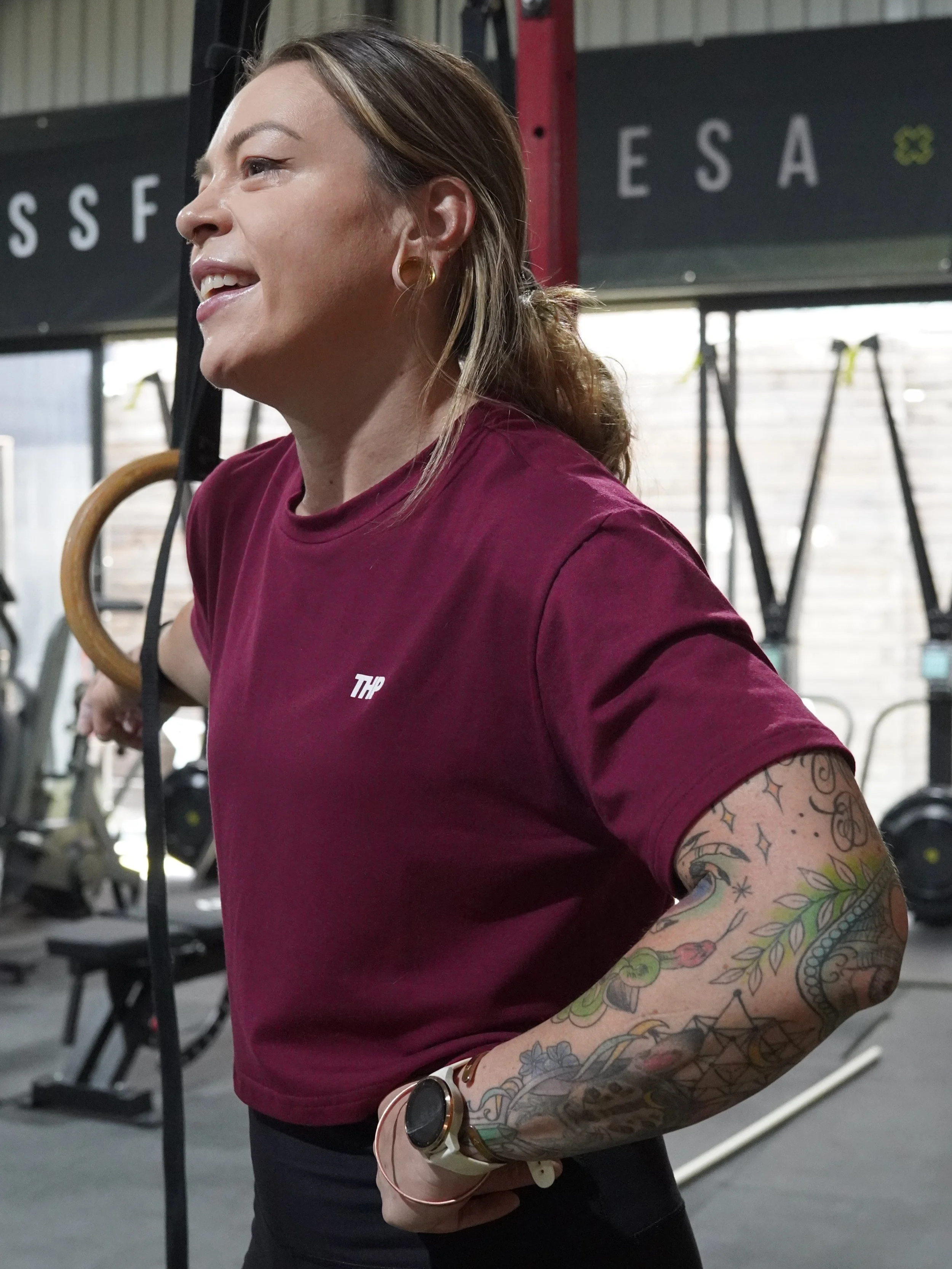
BLACK IRON RADIO EP. 287: Sleep & Gains: How Rest Shapes Your Results
Morgan, Ryann, and Brooke break down how sleep impacts fat loss, hormone balance, cravings, recovery, and performance. They cover the science of sleep deprivation, why it sabotages your results, and what small, realistic changes can make a big difference. Less hustle, more rest. Because your next PR starts with a good night’s sleep!!
📲 Listen & Subscribe: Apple Podcasts | Spotify
We all know sleep matters—but most of us still treat it like an optional accessory to training and nutrition. You wouldn’t skip protein or strength work and expect results, so why are you skipping sleep?
In this episode, Morgan sits down with Ryann and Brooke to talk about one of the most underrated pillars of performance: sleep. From body composition to stress management to recovery, the quality (and quantity) of your sleep determines how well your body adapts to the work you put in.
Why Sleep Is the Ultimate Performance Supplement
Two out of three Americans know sleep impacts effectiveness, yet less than 10% actually prioritize it. The consequences of that neglect? Immediate.
After a single night of five hours of sleep, your brain’s reward center lights up at the sight of sugary and high-fat foods. Sleep-deprived brains literally crave energy in the form of sugar—and that’s before we even talk about the 40% drop in learning ability that comes from missing one night of sleep. Whether you’re chasing your first ring muscle-up or trying to hold better running form, sleep is where your body cements those skills.
And if your goal is muscle growth, this one stings: your largest pulse of growth hormone happens during your first deep sleep cycle. Cut your sleep short, and you cut into your recovery, muscle repair, and strength gains.
Muscle, Hormones, and Fat Loss—While You Sleep
As Brooke explains, sleep isn’t just downtime—it’s anabolic time. During deep sleep, your body releases growth hormone that drives tissue repair and recovery. Even one night of missed sleep can lower muscle protein synthesis by 18%, spike cortisol by 20%, and reduce testosterone by 25%. That’s a full-on hormonal storm working against every goal you have in the gym.
Ryann adds that sleep directly impacts hunger hormones too. Poor sleep increases ghrelin (the “I’m starving” hormone) and decreases leptin (the “I’m full” signal), which is why a bad night often turns into an overeating day. Sleep less, crave more.
It’s not about willpower—it’s biology. Go to bed earlier, and your nutrition decisions get easier.
Real Talk About Tradeoffs
What if your only “me time” is watching TV at midnight after the kids are asleep? Ryann and Brooke agree—it’s all about compromise. Maybe it’s not realistic to get an extra hour of sleep every night, but small, consistent improvements matter. Try pulling your bedtime back by 10–15 minutes every few days. Over time, those micro-adjustments add up.
Brooke recommends creating a short, consistent wind-down routine—something that signals your body it’s time to relax. It doesn’t have to be elaborate. Dim the lights, stretch, breathe, or read a few pages. The goal is to tell your brain: we’re done for the day.
Fat Loss: Sleep’s Hidden Advantage
A South Carolina sleep study found that two groups on identical calorie restrictions had drastically different results based solely on sleep. Those sleeping around six hours per night lost more lean mass, while those getting 7.5 hours preserved more muscle and burned significantly more fat. In short: if you’re dieting but not sleeping, you’re losing the wrong kind of weight.
Building Sleep Hygiene That Sticks
Consistency is key. Your body’s melatonin production relies on rhythm—same bedtime, same wake time. If your schedule swings wildly, your hormones can’t keep up.
Brooke emphasizes temperature as another major player. Cooler environments (60–67°F) help trigger deep sleep. She drops her thermostat to 67 every night, and the difference is night and day. Meanwhile, Ryann swears by white noise to drown out city sounds—proof that your environment matters as much as your bedtime.
And then there’s the doom scroll. Blue light keeps your brain alert, and the content we consume at night—news, drama, endless comparison—feeds anxiety. “Eyes tired and brain tired are two different things,” as Brooke puts it. The phone might make your eyelids heavy, but it doesn’t help your brain unwind.
Sleep Looks Different in Every Season
Bedtime routines evolve. Ryann’s current ritual is simple—wash her face, play spa music, read a book. When she was training for marathons, it looked different. Brooke admits she neglected sleep during her Games career, and it cost her—injuries, burnout, and mental fatigue. Now, her focus is on managing stress throughout the day so that her mind is calm by night.
Sleep isn’t a luxury—it’s where the gains are made. You can nail your macros and crush your workouts, but if you’re not resting, you’re leaving progress on the table.
🎙️ WANT MORE? SUBSCRIBE TO BLACK IRON RADIO!
If you enjoyed this conversation, check out more episodes of Black Iron Radio, where we cut through the noise and give you real, no-BS advice on feeling, performing, and looking your best. Each week we share practical nutrition, training, and wellness strategies and tips to help you succeed.
📲 Listen & Subscribe: Apple Podcasts | Spotify
