Perimenopause, Menopause, & Muscle: Why Lifting Is Your Best Friend
Navigating perimenopause or menopause? This blog breaks down the science of muscle loss and estrogen decline—and why lifting heavy (not just power-walking and praying) is your best defense. Learn why it’s never too late to start strength training, how to fight through gym intimidation, and what to prioritize for long-term health, energy, and independence.
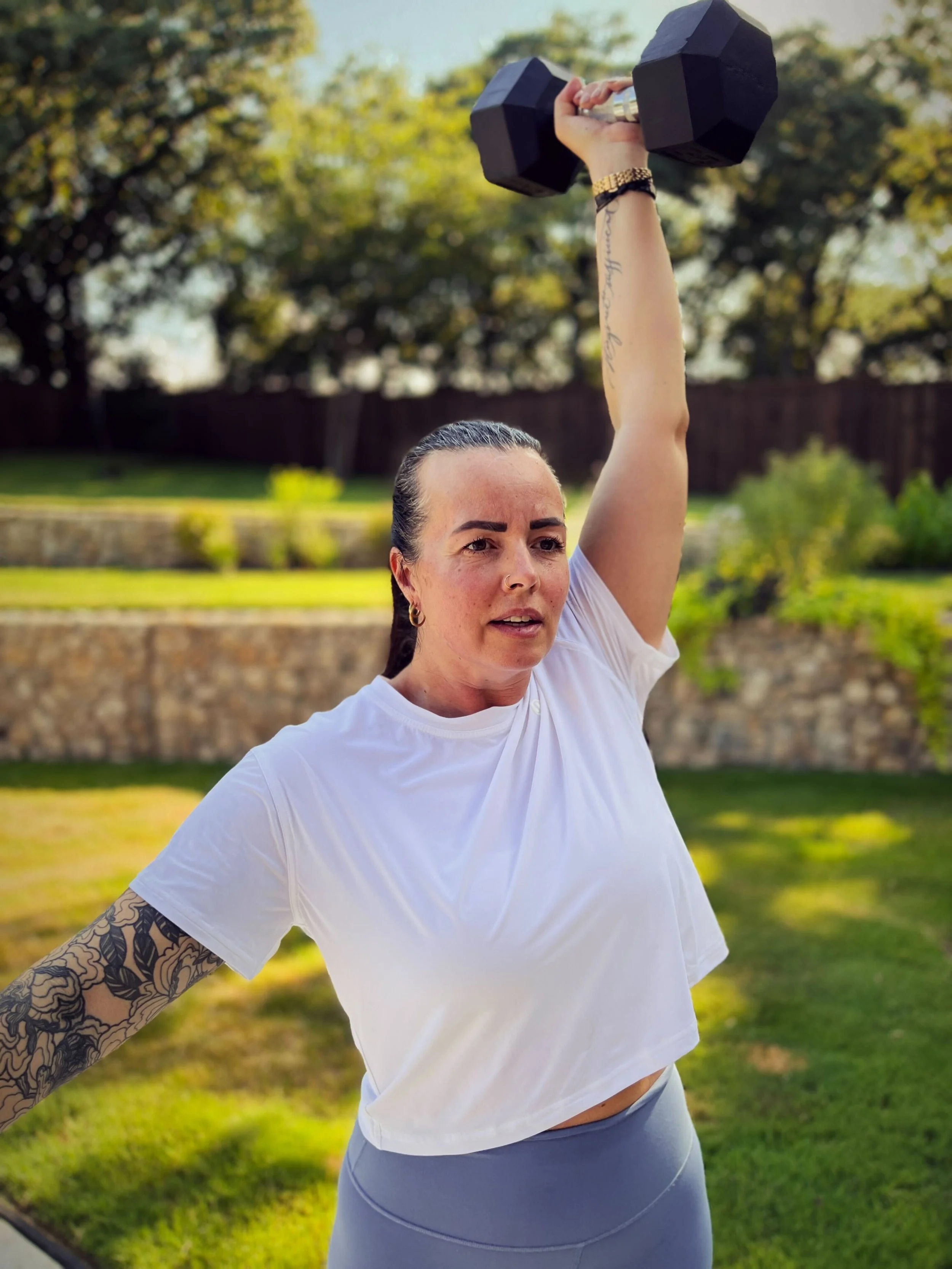
BLACK IRON RADIO EP. 269:
Perimenopause, Menopause, & Muscle: Why Lifting Is Your Best Friend
In this episode of Black Iron Radio, Maggie, Morgan, and Acacia cut through the confusion surrounding perimenopause, menopause, and muscle loss—and why strength training is your new non-negotiable. From hormone rollercoasters and HRT journeys to gym intimidation and the myth of “bulky,” the team shares their personal experiences and coaching insights to help you build strength, protect your bones, and feel like a badass—at any age. If you're in the hormone tornado or love someone who is, this one’s a must-listen.
📲 Listen & Subscribe: Apple Podcasts | Spotify
Let’s just rip the Band-Aid off: menopause isn’t just about hot flashes and skipped periods. It’s about muscle loss, bone density, recovery struggles, and the very real feeling that your body isn’t playing by the rules anymore. But here’s the good news: strength training is your secret weapon.
Maggie, Morgan, and Acacia dive deep in this episode of Black Iron Radio, sharing real-life experiences, a little hormone science, and a lot of practical advice on how to navigate this phase without throwing in the towel—or your dumbbells.
Estrogen Takes a Hike—Now What?
During perimenopause and menopause, your estrogen levels dip and spike like a stock market crash on espresso. And when estrogen drops, so does your ability to build and maintain muscle. That means your workouts hit different, recovery takes longer, and muscle preservation becomes priority number one.
Estrogen is anabolic (read: muscle supportive), so when it fades, your muscle-building efficiency tanks. The solution? Lift weights. Heavy ones. Often. And no, hormone replacement therapy (HRT) doesn’t make you magically strong. It helps manage symptoms, but it doesn’t reverse muscle loss without consistent strength work.
Muscle > Cardio (Especially Now)
Yes, cardio is great for your heart, lungs, and mental health—but it’s not what keeps you from breaking a hip at 80. Lifting heavy builds resilience. Muscle mass protects your bones, supports your metabolism, and helps you bounce back from injury. Plus, strength training pays dividends long after the workout ends.
If you’re someone who runs for stress relief, don’t stop. Just know that running six days a week for hours on end might be wrecking your stress tolerance and compounding fatigue during menopause. Swap a couple cardio days for strength sessions. Your body (and your joints) will thank you.
“But Won’t I Get Bulky?”
Let’s just kill this myth with a barbell. Getting “bulky” takes years of intentional programming, heavy lifting, calorie surplus, and likely some PED assistance. It’s not going to happen by accident—especially when you’re fighting an uphill hormonal battle. Acacia, who’s on testosterone replacement therapy, isn’t suddenly hulking out. And most of us have been trying to get jacked for years with modest success.
Not All Workouts Are Created Equal
Strength training means moving heavy weight with intent—not flailing around in Orangetheory with 20-pound dumbbells and calling it “lifting.” Sorry, not sorry. While bootcamps and HIIT classes are great for community and fun, they often lack the progressive overload and time-under-tension needed to drive real muscle growth—especially in peri/post-menopausal bodies.
Look for programming that prioritizes compound lifts (think squats, presses, pulls) and uses progressive overload, not just sweaty chaos. And no, you don’t have to deadlift 300 pounds. But your workouts should challenge you at a 7–8/10 effort level.
Gymtimidation is Real, But You’re Stronger Than That
Whether you’re 35 or 65, walking into a weight room for the first time can be intimidating. We’ve all been there—even us. But the truth is, nobody in the gym is judging you (and if they are, they’re losers). You belong in that space. And if a trainer or gym staff member ever tells you that you need to lose weight before entering the weight room? Walk out. Loudly.
Strength is for everyone, and you’re never too old, too “unfit,” or too late to start.
Final Word
Estrogen decline makes muscle loss inevitable—but not irreversible.
Lifting is essential during perimenopause, menopause, and beyond.
Cardio is fine, but it won’t build the muscle you’re losing.
You will not get bulky by accident. Promise.
You are not too old, too late, or too “out of shape” to start.
Your gym should be a safe, inclusive place—and if it’s not, find a new one.
You need protein. More than you think. More than the RDA.
Feeling intimidated is normal, but it shouldn’t stop you from showing up.
So start today. Lift heavy. Fuel well. And stop letting outdated advice keep you small. This stage of life isn’t the end of your strength—it’s just a new phase of it. And you deserve to feel strong every step of the way.
🎙️ WANT MORE? SUBSCRIBE TO BLACK IRON RADIO!
If you enjoyed this conversation, check out more episodes of Black Iron Radio, where we cut through the noise and give you real, no-BS advice on feeling, performing, and looking your best. Each week we share practical nutrition, training, and wellness strategies and tips to help you succeed.
📲 Listen & Subscribe: Apple Podcasts | Spotify