

WELCOME TO OUR BLOG
SEARCH FOR AN ARTICLE

Relative Energy Deficiency in Sport (RED-S)
Relative Energy Deficiency in Sport (RED-S) is what happens when an athlete's energy intake doesn't match the demands of their training and life. It's not just about missing periods or being "too lean." Chronic low energy availability can suppress hormones, reduce bone mineral density, alter thyroid function, impair recovery, and decrease performance. What was once labeled the Female Athlete Triad was expanded in 2014 to reflect what research made clear: this affects all genders and multiple physiological systems.
In this post we unpack how RED-S develops over time, why it's easy to normalize in competitive environments, and the patterns coaches and athletes should be paying attention to. They discuss weight-class and aesthetic sports, repeated fat loss phases, carbohydrate availability, stress load, and how to align nutrition with training cycles without compromising long-term health. If you care about performance that lasts, this conversation is foundational.
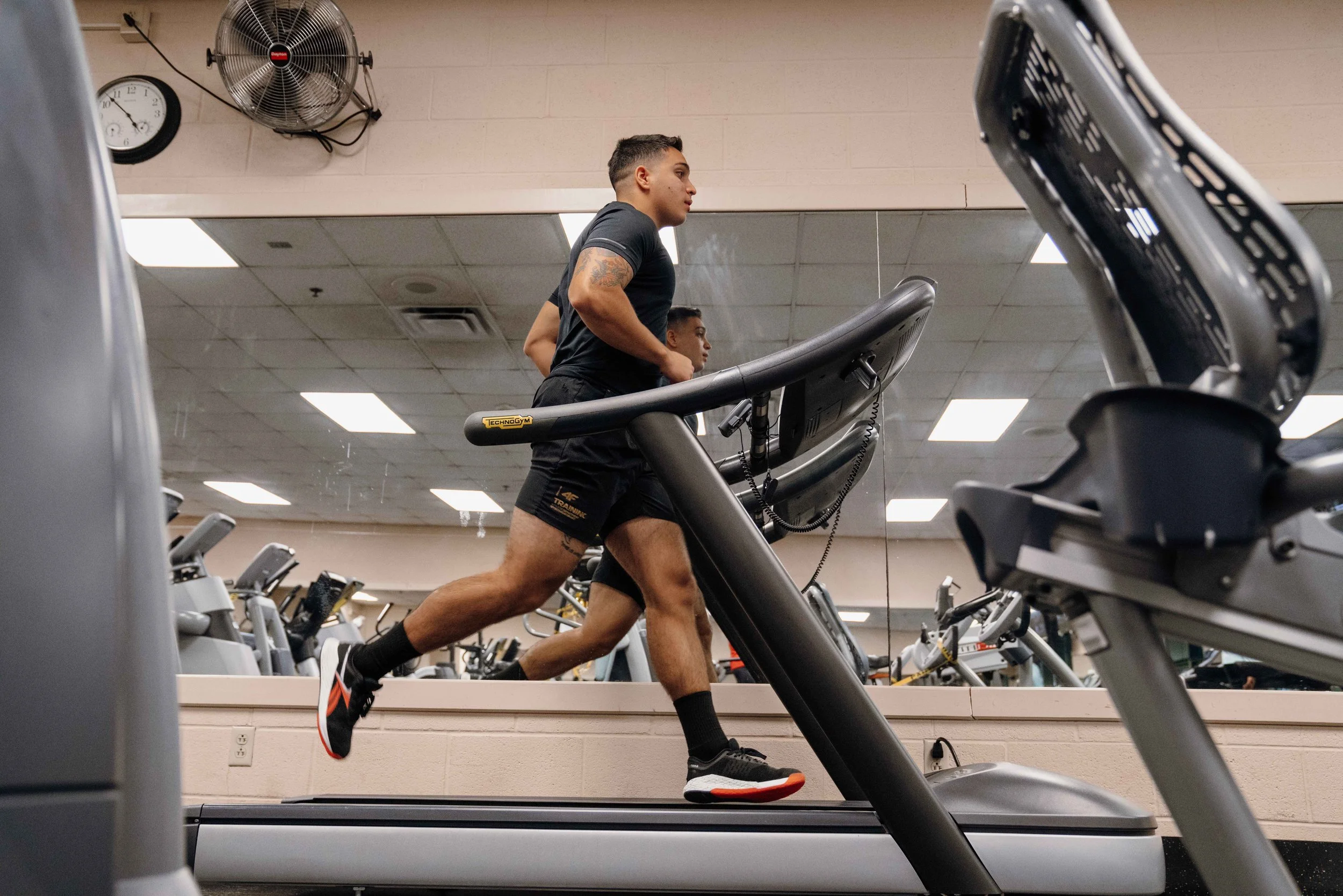
Calories In vs Calories Out: What is More Important for Preventing Weight Gain?
The phrase “calories in vs. calories out” gets thrown around a lot in conversations about weight gain, but which side of the equation matters more? This post explores what the latest research really says about diet, activity, and their roles in long-term weight management.