
So You Want To Try Winter Sports to Fight SAD
Seasonal Affective Disorder is real, and winter can hit hard — but there are ways to support your mood that go beyond light boxes and supplements. In this post, we dig into how trying a winter sport (even as a total beginner) can give you structure, sunlight, movement, and a sense of play when you need it most. We break down the actual barriers — cost, gear, confidence, cold — and share practical ways to get started without feeling overwhelmed or out of place.
If you’ve ever wondered whether skiing, snowboarding, or simply getting outside could help you feel more grounded this season, this post is your guide.
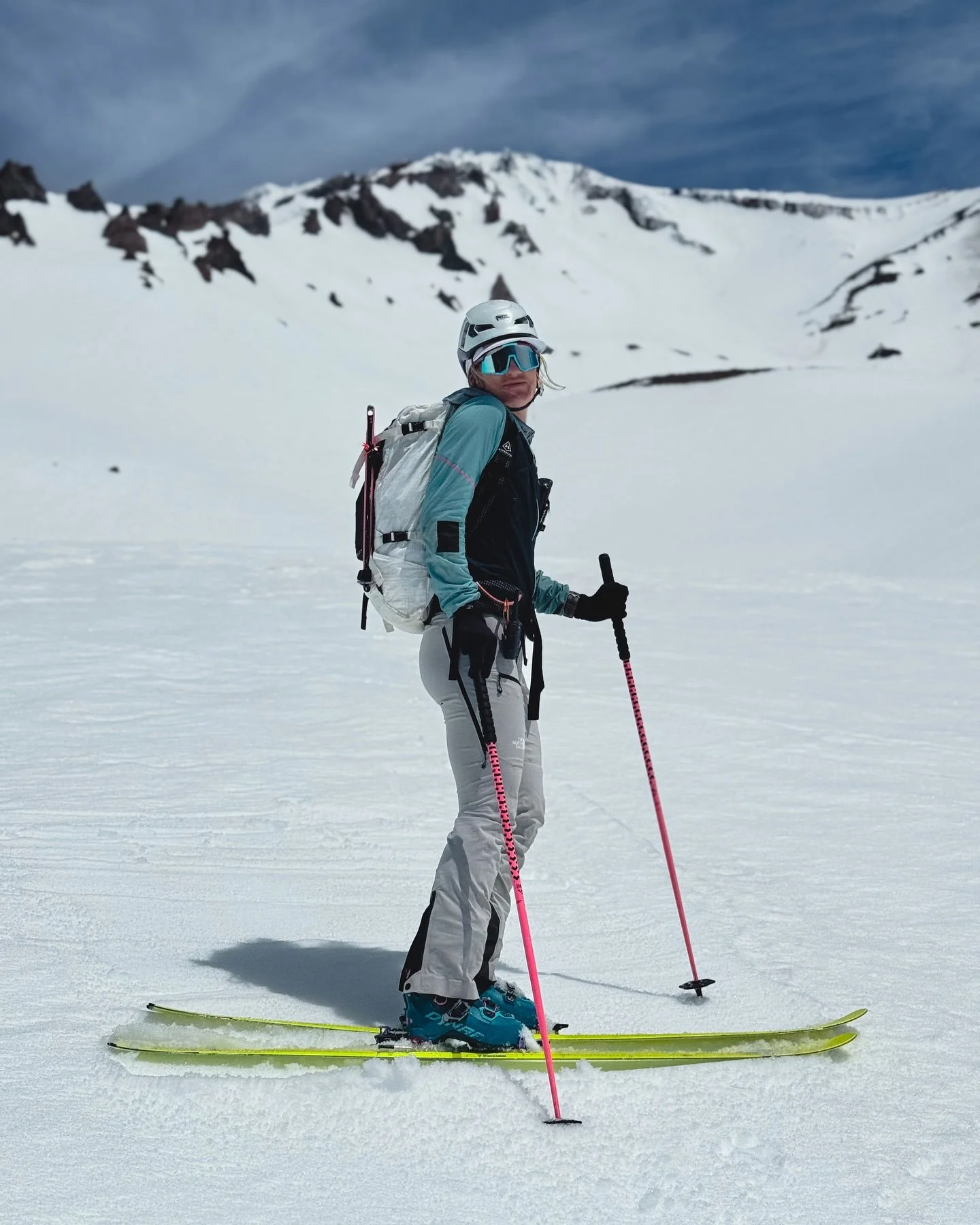
BLACK IRON RADIO EP. 302: So You Want To Try Winter Sports to Fight SAD
Krissy, Whitney, and Acacia break down how winter sports can help you cope with Seasonal Affective Disorder (SAD). They share their personal histories with skiing/snowboarding (and even ice hockey), explain what SAD is, outline the real barriers to winter sports (like cost and cold), and offer tips for getting started without breaking the bank.
If you've ever wondered whether picking up a winter sport could help you feel better during the dark months, this episode is for you.
📲 Listen & Subscribe: Apple Podcasts | Spotify
Winter Used to Suck for Us Too — Here’s What Changed
If you're someone who dreads winter, you're in good company. Krissy spent 32 years hating the season — until she discovered skiing in 2020. Whitney grew up in Boston’s “Ice Coast” winters and battled depression as a kid until skiing with a community changed everything. Acacia grew up skiing in Tahoe, switched to snowboarding as a kid, and has relied on mountain time ever since to keep her mental health grounded.
The three of us share one thing: winter sports didn’t just give us something fun to do — they genuinely changed how winter felt.
What Seasonal Affective Disorder Actually Is
SAD isn’t “winter blues.”
It’s a clinically recognized form of depression tied to seasonal changes — usually winter.
You might be dealing with SAD if, for days or weeks at a time, you notice:
Low mood that doesn’t lift
No energy
Withdrawing from people
Feeling unmotivated to do things you normally enjoy
Sleeping more
Struggling to get outside or get moving
Family history of depression and living far from the equator can increase the risk. Daylight savings time often makes symptoms noticeably worse.
Why Being Outside in Winter Helps
Even if you’re not ready to ski or snowboard, simply getting outside can make a huge difference.
1. Vitamin D
Most Americans are deficient — yes, even people who live in sunny states.
Around 30 minutes of direct sunlight can help, but remember: shade, windows, hats, gators, sunscreen, and full winter gear block a lot of it.
2. Serotonin Boost
Nature + movement = more serotonin.
Snowfall, quiet forests, sparkling ice crystals… these sensory experiences genuinely calm the nervous system.
3. Circadian Rhythm Support
Getting morning sunlight (outside, not through a window) helps regulate sleep and energy.
4. Movement That Feels Like Play
Any activity that gets you outdoors — walking, snowshoeing, cross‑country, hockey — counts. New skills wake your brain up out of that hibernation-mode funk.
Let’s Talk Barriers — And How to Work Around Them
Winter sports are expensive, period. Lift tickets, gas, gear, layers… it adds up. So here’s how to minimize those costs without compromising safety.
Buy Used — Smartly
Some things can be bought used (skis, snowboards, outerwear).
Some things should never be (helmets).
Look for deals via:
Gear swaps
Local consignment shops (like Reno Gear Hut, Tahoe Dave’s, Gear Exchange in Bishop)
REI garage sale
Poshmark, eBay, SidelineSwap
Demo sales at the end of the season
Last‑season or “cosmetic defect” items
Renting Is Underrated
Renting from a ski shop (not the mountain) is often way cheaper.
Season-long rentals can be dirt cheap and perfect for beginners.
If You Splurge on One Thing…
Helmet (new, MIPS, no exceptions)
Boots (properly fitted; they will make or break your day)
Borrow When You Can
Communities love helping newcomers — and many people have extra gear collecting dust.
The Mindset That Makes Winter Sports Click
Winter sports are humbling.
You will fall. A lot. All of us did.
But that’s the beauty:
You get to be a beginner at something again.
You get to laugh at yourself.
You get to feel proud when you make progress.
You get to break out of winter monotony.
New skills light up your brain and boost confidence in ways other types of exercise don’t.
But What If You Just… Hate the Cold?
Totally valid.
Here’s what helps:
Build cozy rituals around the activity: hot drinks, fires, warm meals, hot springs.
Use rechargeable hand warmers, heated socks, or even a heated core wrap.
Eat enough calories (you burn more in the cold).
Invest in layers over time — modern gear is incredibly warm.
Cold is a sensation, not a threat. The right setup makes it surprisingly manageable.
Final Thoughts
You don’t need to ski Aspen, Tahoe, Mammoth, or Chamonix to get the mental health benefits.
You don’t need perfect gear.
You don’t need to be good.
You just need to get outside, move your body, and let yourself play.
If skiing or snowboarding isn’t accessible to you, snowshoeing or simply walking with microspikes counts. Bring a mug of hot tea. Watch the sunrise or sunset hit the snow. Let it be simple and beautiful.
And if you want accountability? Grab a buddy who also feels a little “meh.” Odds are, they need the sunlight as much as you.
🎙️ WANT MORE? SUBSCRIBE TO BLACK IRON RADIO!
If you enjoyed this conversation, check out more episodes of Black Iron Radio, where we cut through the noise and give you real, no-BS advice on feeling, performing, and looking your best. Each week we share practical nutrition, training, and wellness strategies and tips to help you succeed.
📲 Listen & Subscribe: Apple Podcasts | Spotify
