
So You Want to Get Pregnant
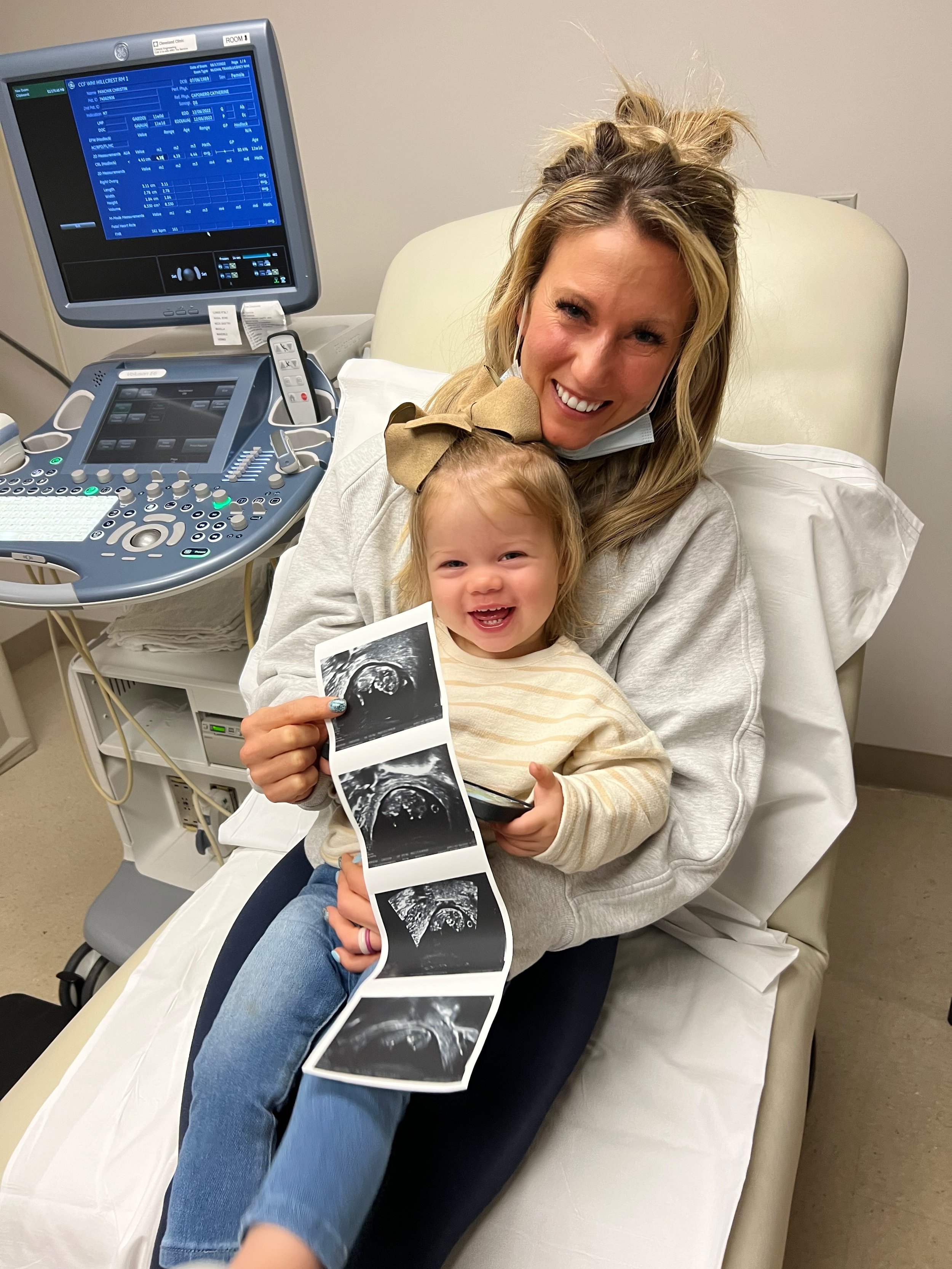
BLACK IRON RADIO EP. 334: So You Want to Get Pregnant
Trying to conceive can bring hope, pressure, grief, excitement, and about a million questions.
Christin, Kelly, and Chloe unpack what fertility actually reflects in the body and where nutrition, recovery, training, stress, and lifestyle habits can play a meaningful supporting role.
They talk about why eating enough matters, how underfueling and chronic stress can affect cycles and hormone health, the role of carbs, fats, protein, and key micronutrients, and why this season often calls for a major mindset shift away from physique goals and toward overall health. The conversation also touches on sleep, coming off birth control, lab work, and the reality that no two fertility journeys look the same.
This one is both practical and compassionate. A reminder that support matters, your body is not broken, and even when the path is complicated, there are still ways to care for yourself well along the way.
📲 Listen & Subscribe: Apple Podcasts | Spotify
If you're thinking about starting a family, you've probably already noticed how much noise is out there. From supplements promising miracles to one-size-fits-all advice, the fertility conversation can feel overwhelming, especially when you're already in a vulnerable place.
We want to cut through that noise. In this post, we're sharing what we actually look at when a client comes to us with pregnancy as their goal, and what you can do right now to support your body through this season, regardless of what your journey ends up looking like.
Before we go any further, a quick note: everything here is educational, not medical advice. Fertility is complex and deeply individual. Our goal is to talk about how food and lifestyle choices can help your body feel nourished, regulated, and supported when pregnancy is something you're working toward.
What Fertility Actually Means
At a basic level, fertility is your body's ability to conceive and support a pregnancy. But it's much broader than just "getting pregnant." It reflects how well multiple systems in your body are communicating and working together: ovulating regularly, hormones signaling properly, your body having enough energy and nutrients, your nervous system feeling safe enough to support reproduction, and your uterus being able to implant and sustain a pregnancy.
Here's something important to hold onto: you could feel like you're doing all of these things, checking every box, and still face challenges conceiving. That does not mean your body is broken. It does not mean you've failed. Some fertility challenges simply aren't nutritional or lifestyle issues. Conditions like endometriosis, PCOS, tubal factors, or male factor infertility are real, and they require medical support that goes beyond what food and sleep can fix.
Every journey looks different. That's the most important thing we can say at the start of this conversation.
The Mindset Shift That Has to Come First
When clients come to us ready to start trying to conceive, one of the first things we address isn't food at all. It's perspective.
If you've spent the last several months, or years, focused on fat loss, body composition, or looking a certain way, that mindset needs to shift before anything else. We are not going to be in a fat loss phase right now. That's not the goal. The goal is to bring a life into this world, and your body needs to feel safe, nourished, and stable to do that.
We see this come up a lot with clients who are coming out of wedding prep, postpartum weight loss goals, or long stretches of dieting. They're ready to start trying, and we have to gently pump the brakes and say: let's get you back to maintenance first.
That shift can feel uncomfortable, especially if you've been an athlete or if your relationship with food and your body has been closely tied to appearance. Having a coach in your corner to remind you of what you're actually working toward in this season can make a real difference.
Eating Enough Is Non-Negotiable
Our body is built to keep us alive above all else. Reproduction is, from a biological standpoint, a secondary function. If your body doesn't feel like it's in a state of thriving, it is not going to prioritize getting pregnant.
Calories aren't just energy. They're information. They tell your brain whether it's safe to invest in things like ovulation, hormone production, and a viable pregnancy. When we're under-fueling, even unintentionally, we can disrupt our cycles, suppress hormone production, and push our body into a stress state that works against conception.
The majority of clients we see are undereating when they first come to us, and it's not because they aren't trying to be healthy. It's because we've been conditioned, as women, to eat less. To take up less space. Carbs tend to be the first thing to go, followed by protein and fat, and those are exactly the macronutrients your body needs most right now.
At minimum, we want to make sure you're eating at maintenance calories, meaning you're not in a deficit. From there, we look at the quality and variety of what you're eating.
What Your Macros Are Actually Doing
Each macronutrient plays a specific role when it comes to fertility:
Protein provides the building blocks for hormones and egg development. Consistently spreading it throughout the day supports protein synthesis, which matters for everyone, but especially when you're preparing your body for pregnancy.
Carbohydrates get a bad reputation, but they're essential for thyroid function, lowering cortisol when it's elevated, supporting ovulation signaling, and keeping your energy stable. If you're highly active and under-eating carbs, your body is under more stress than you might realize. Cutting carbs too aggressively can actually work against the hormonal environment you're trying to create.
Fats are foundational for hormone production. Your hormones are made from cholesterol, so a chronically low-fat diet will disrupt your cycles and suppress production. Fat also supports the health of your cell membranes, and your eggs are cells. They need that fat to function well.
We also encourage clients to take advantage of seasonal fruits and vegetables to diversify their micronutrient intake without making food feel complicated. Eating the same things every day makes it harder to get a wide range of nutrients. Variety is your friend here.
Micronutrients Worth Paying Attention To
Iron and folate often fly under the radar, but they're two of the most important micronutrients for anyone trying to conceive. Leafy greens are a great source of both. If you want to go a step further, liver is incredibly nutrient-dense and worth considering, even if it's not your favorite food on its own. Adding a small amount to a chili or ground meat dish is an easy way to incorporate it without making it a whole thing.
As for prenatal vitamins: yes, take one. You can start before you're actually pregnant. But the framing matters. Think of your prenatal as the thing that fills in the gaps in your diet, not as the foundation of your nutrition. Food first, prenatal as support.
No supplement is going to offset a diet that isn't working. Eating well and taking a prenatal? That's a strong combination. Relying on a prenatal while ignoring the rest? That's not the approach.
Sleep, Stress, and Training
Your circadian rhythm has a direct connection to your reproductive system. Your eggs have roughly ten times the mitochondria of any other cell in your body, and adequate sleep is essential for supporting that mitochondrial function. Aim for seven to nine hours, and if you can go to bed and wake up at a consistent time each night and morning, that consistency alone can make a meaningful difference.
We know that's not always realistic, especially for anyone already parenting. But if you do have some control over your sleep environment and routine, prioritize it. Even a simple, consistent wind-down routine, doing the same two or three things before bed each night, can help your brain and body prepare for rest.
On training: you don't have to stop moving. But if you're training hard, your maintenance calories need to reflect that. Under-eating relative to your training level is one of the most common ways we see women inadvertently working against their fertility goals. High training load plus low calorie intake is a stressor, and your body will respond to it the same way it responds to any other stress: by deprioritizing reproduction.
If you notice missing or irregular cycles, declining performance, or feeling emotionally depleted, those are signals worth paying attention to. Your body may be telling you it needs more support.
Coming Off Birth Control
This is something we get a lot of questions about, and honestly, there's no single answer. Some people's cycles return right away after stopping birth control. Some take several months. Some people get pregnant the following month. Others struggle.
If you've been off birth control and your cycle hasn't returned within three to six months, it's worth checking in with your OB. If you're under 35 and have been actively trying to conceive for a year without success, that's also a good time to seek further evaluation. Over 35, the guidance shifts to six months.
If your cycle does return but it's painful, unpredictable, or irregular, that's worth bringing up too. And if you have a history of chronic under-eating or high-volume training, particularly endurance training, it's worth being upfront with your provider about that history, as it can affect how quickly and fully your cycle normalizes.
One More Thing
No matter what you do nutritionally or lifestyle-wise, there will be someone in your life who seems to do everything "wrong" and conceives easily. That's real, and it can be genuinely frustrating, especially when you're doing all the things.
What we'd offer in those moments is this: there is no downside to nourishing your body well. Adding more protein, more colorful vegetables, more sleep, and more balance to your plate isn't going to hurt you if it doesn't result in pregnancy right away. It's building a foundation. It's creating a healthier body that will carry a pregnancy better, recover postpartum more easily, and model a healthy relationship with food for your future family.
You are not broken. You don't have to do this alone. And whatever your journey ends up looking like, there are people in your corner.
If you're looking for support around your nutrition and lifestyle as you prepare for pregnancy, we'd love to connect. You can book a free discovery call with one of our Pregnancy + Postpartum coaches to discuss your goals and make sure we’re a good fit before getting started.
🎙️ WANT MORE? SUBSCRIBE TO BLACK IRON RADIO!
If you enjoyed this conversation, check out more episodes of Black Iron Radio, where we cut through the noise and give you real, no-BS advice on feeling, performing, and looking your best. Each week we share practical nutrition, training, and wellness strategies and tips to help you succeed.
📲 Listen & Subscribe: Apple Podcasts | Spotify
