
Experience vs. Education: What Makes a Great Coach?
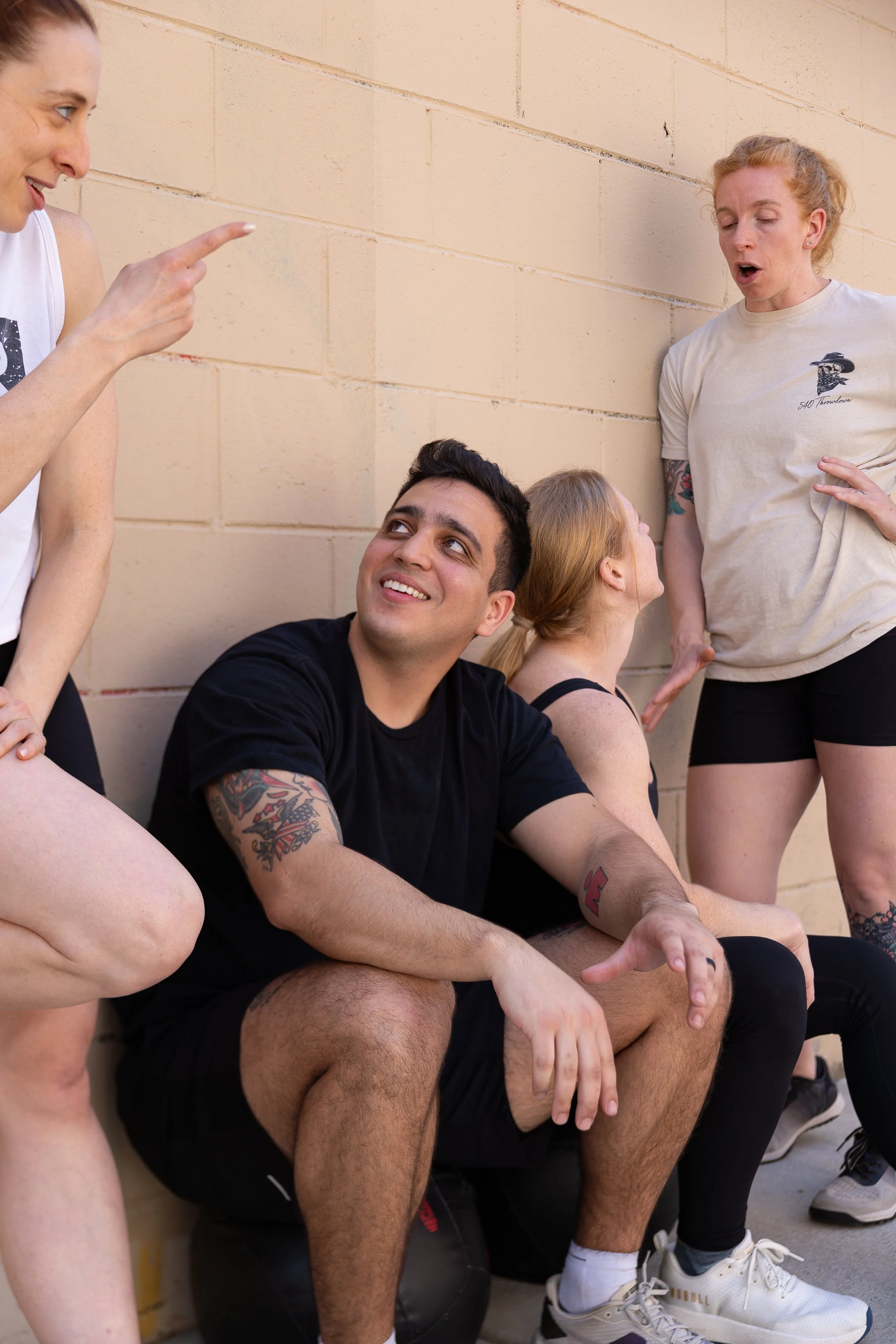
BLACK IRON RADIO EP. 369: Experience vs. Education: What Makes a Great Coach?
Lots of great coaches have a formal education, lots do not. The point is that a degree isn't necessarily the thing that makes them so good.
Krissy, Dr. Chris, and Ryann come at this from completely different backgrounds. They get into what makes a great coach, why formal education is often overkill for most goals, when you genuinely do need someone with a specialized credential, and the red flags that should make you think twice when looking for a coach.
Plus a conversation about why communication is the entire job, why zero certifications after years in the industry is a warning sign, and why the coach who has lived your specific struggle is sometimes worth more than the one with the fanciest resume.
Picture two resumes on your desk. One coach has a PhD in exercise science. The other has a high school diploma, ten years behind a hair styling chair, and a stack of certifications she paid for out of pocket. Which one do you hire?
At Black Iron, the honest answer is both, and neither, depending on what you're actually looking for. Our team includes coaches with degrees in nutrition, biology, functional medicine, and human nutrition, sitting right alongside coaches with degrees in business, marketing, criminal justice, and education, and a few with no degree at all. Krissy, Ryann, and Dr. Chris got on the podcast to hash out where experience ends and education begins, and which one actually makes someone good at this job.
Meet the Panel
Krissy has a degree in criminal justice and psychology, nothing related to nutrition or coaching. Her education has come almost entirely from experience and a new certification every couple of years.
Ryann is a high school graduate who spent ten years as a hairstylist before switching careers. She built her coaching foundation on internships and certifications, and she'll tell you flat out that talking to people, relating to people, and helping clients open up and be vulnerable are skills she carried straight over from doing hair.
Dr. Chris sits on the opposite end of the spectrum. English literature bachelor's, master's in exercise science, PhD in exercise science, most recently finished. But even he says his formal education is overkill for most coaching situations. Most clients with general health goals just need someone to help them do the things they already know they should be doing: eat vegetables, drink water, eat an appropriate number of calories. In those situations, a coach who understands your actual barriers, like being a new parent with zero spare time, beats a PhD who's never lived it. As Chris put it, his PhD is more a symptom of the kind of person and coach he is than the actual reason he's good at the job.
What Actually Makes a Good Coach
Krissy has hired and managed coaches at Black Iron for over a decade, which means she's seen plenty of good coaching and her fair share of bad coaching. Here's where the two split.
Attention to detail is non negotiable. The best coaches take detailed notes during weekly check-ins and remember the small things clients mention. It's a tiny thing that tells a client they're being seen as a person, not one more line item in a client roster.
Communication might be the single most important skill on this list, full stop. Coaching is communication and problem-solving. That communication needs to be open, honest, clear, constructive, and timely. A huge chunk of the coaching complaints you'll find on Reddit boil down to a coach going dark for three or four days after a client sends their check-in. At Black Iron, coaching runs through video, voice, and written check-ins, so coaches need to be strong communicators in more than one format, not just the one they're comfortable with.
Problem-solving is the actual job description. Coaching means helping people figure out what works for them through trial and error, not handing over a script and hoping it sticks.
Empathy and emotional intelligence aren't optional. You have to genuinely care that clients are human beings who are going to struggle, and understand that "just try harder" isn't real advice, it's a cop out.
Commitment to growth matters just as much. A coach with fifteen years of experience who's never earned a single certification is a red flag. Someone coaching for five to ten years with only one certification hasn't shown real commitment to the craft. Most careers expect people to keep investing in courses and workshops to stay sharp. Coaching should be no different.
Leading by example counts too, within reason. Nobody's perfect all the time, life happens, but modeling the habits you're teaching your clients matters whenever you're able to pull it off.
And a bonus one: experience working with any kind of clientele in person, even outside of nutrition or training, builds communication and interpersonal skills that translate directly into coaching.
As Krissy puts it, what makes a good coach isn't a college degree or twenty years of experience. There are coaches on the Black Iron team who've been at this for less time than she has who are better coaches than she is. It comes down to skills you can only really build by working with people.
Dr. Chris added a filter here worth stealing, one he credits to Max Aita: a good coach should check off two out of three boxes, formal education, having done the thing themselves, or having helped a lot of other people do that thing. Hit two out of three and you're probably in good shape. Hit all three and you're the exception, not the rule.
Unpacking Education
Formal education isn't accessible to everyone. It's expensive, and for a lot of people the return doesn't justify the cost. Chris will say himself that getting his PhD wasn't a good financial decision, he just wanted to do it. But education without the other pillars, communication, problem-solving, the ability to explain something simply, doesn't add up to much on its own. If you can't explain something to someone who doesn't share your background, you probably don't fully understand it yourself.
What education does offer is a stamp of approval. A degree or certification tells you a person met some baseline standard set by an institution, and it gives you something concrete to verify. You can look into how rigorous the program actually was. Is it a weekend certification, or something closer to a graduate level curriculum? Some certifications, like the CSCS, require a college degree just to sit for the exam. Others, like the Institute of Performance Nutrition's advanced diploma, are recognized as equivalent to a master's degree in the UK.
You don't need another full degree to keep growing, either. Plenty of respected certifications only require a bachelor's degree, in any field, to qualify. And getting a new certification every couple of years does more than pad a resume. It shows clients you take the job seriously, and it keeps coaching interesting when you've been at it a while and start to feel like you're running the same playbook on repeat.
Ryann's point here is worth sitting with: the science underlying nutrition and fitness changes constantly, so even coaches with formal degrees need continuing education to stay current. Nobody wants to be the coach confidently repeating information that stopped being true years ago.
Unpacking Experience
Certifications matter on the experience side too. Ryann holds USCA, NASM, and multiple Precision Nutrition certifications. But she points to something less obvious as the real turning point: when she started coaching, she didn't own a computer and hadn't typed since high school. She opened a credit card at Best Buy to buy a laptop and took a writing course to make sure she came across as professional in her check-ins. She still hears from aspiring coaches through social media who don't know how to type a proper email or communicate professionally, and that's a real barrier in a job that is, at its core, a professional one.
Learning from other coaches is a built-in advantage of working on a team. Nearly every coach at Black Iron works with a coach inside the company, which means everyone stays regularly exposed to a different coaching style. Ryann checks in weekly with a coach who works very differently than she does, and she pulls ideas from those check-ins straight into her own client work. Krissy has done the same. Getting better at Loom videos was one thing she picked up while being coached by Morgan, and now she’s learning new things working with Amanda. A coach who's never worked with a coach themselves, ever, is worth questioning. It suggests they might not be as open to learning from others as they'd need clients to believe.
Life experience counts as its own category. Chris made the point that living through different phases of life, not just different sports or athletic pursuits, gives a coach more to draw on when a client is troubleshooting a real problem. A coach juggling a demanding job, a family, and competing priorities is often better equipped to relate to a client's actual life than someone with unlimited free time and zero real responsibilities.
Relatability matters for specific goals too. Ryann can coach someone training for the CrossFit Games, but she'll point them toward a coach who's actually done it, because that lived experience is part of what makes the coaching land. Same logic applies to something like ultra distance running. It's not about lacking knowledge, it's about whether a client wants a coach who knows what mile 58 feels like.
There's a flip side to this too, one Chris likes to explain with an analogy to oncology: an oncologist doesn't need to have had cancer to treat cancer patients well, but having had cancer doesn't automatically qualify someone to treat other cancer patients either. Lived experience helps a coach relate, but it isn't a substitute for real expertise, and expertise alone doesn't replace lived understanding. Both carry weight, and neither one on its own gets the job done.
One caution here: just because someone's done something once doesn't mean they're equipped to coach others through it. This shows up constantly on social media, where someone finishes a single half Ironman and starts selling a program to get other people through their first half or full Ironman.
You Can't Always Verify a Claim
Anyone can say almost anything online. Between AI tools and outright fabrication, fake testimonials and fake progress photos are easier to produce than ever, which means claims about experience deserve some skepticism. Someone could technically claim five years of experience while having coached only fifteen total clients, if one of them stuck around for two or three years before the rest came on. Meanwhile, a coach working full time with a heavy caseload has coached a genuinely large number of people. Experience is a claim, not a credential, and it's worth asking questions before taking it at face value.
That goes for clients too. Asking your coach questions is not a sign of distrust, it's part of good communication. A coach who gets defensive or shuts down questions is a red flag, plain and simple. Questions are also an opportunity, they let a coach explain their thinking and go deeper with a client instead of just being taken at their word.
One of the most common complaints about coaches, whether in running, lifting, or nutrition, is that the client felt like they weren't learning anything. Good coaching is supposed to teach clients enough that they don't need a coach forever, unless they're a competitive athlete who benefits from long term support. If a client wants to keep working with a coach indefinitely, great, but that shouldn't be the only version of success available. Some well known names in this industry have built entire businesses around intentionally underexplaining things to keep clients dependent and paying for years. If someone's charging a thousand dollars a month for combined training and nutrition coaching, they should be explaining plenty.
The Bottom Line
You don't need a degree to be a great coach, but you should hold at least one accredited certification and keep it active. Precision Nutrition makes this easy, since certifying in a new PN course automatically recertifies the ones you've already completed. USCA offers a free recertification option too: skip the fee and submit a short essay, around 500 words, on a topic you're passionate about.
At the same time, you don't need every certification that exists. Certification companies are businesses, and their goal is to sell certifications. When a company lets you buy one new cert and automatically renew all your old ones, it's tempting to keep buying, but it's not necessary. You don't need a new certification every single year unless you genuinely want one and can afford it.
Someone with five to ten years of real coaching experience is almost always going to be a better coach than someone with an advanced degree who's never coached another human being. This is one of the rare places where experience clearly outweighs education.
Most bad coaching comes from overconfidence, not a lack of knowledge. Staying current on the science matters because confidently repeating outdated information is worse than admitting you're not sure. A big social media following, slick graphics, and good marketing don't automatically mean someone knows what they're talking about, especially if they're selling an expensive program.
Not every certification is created equal, either. A quick search for "nutrition certification" turns up plenty of options, but a lot of them come from companies built mainly to collect fees rather than provide real education. Stick to accredited, recognized programs. And be skeptical of any company that wants you to pay them to intern or 'mentor' with them. You should not pay a company thousands of dollars for a six week program to teach you how to coach. Put that money toward an accredited certification instead, something that actually means something on a resume.
Great coaching isn't one thing. It's communication, problem-solving, empathy, a genuine commitment to staying current, and enough real world experience to understand what your clients are actually going through. Education and experience both build that. Neither one replaces the other.
🎙️ WANT MORE? SUBSCRIBE TO BLACK IRON RADIO!
If you enjoyed this conversation, check out more episodes of Black Iron Radio, where we cut through the noise and give you real, no-BS advice on feeling, performing, and looking your best. Each week we share practical nutrition, training, and wellness strategies and tips to help you succeed.
