
So You Want To Stop Chasing Perfect Nutrition
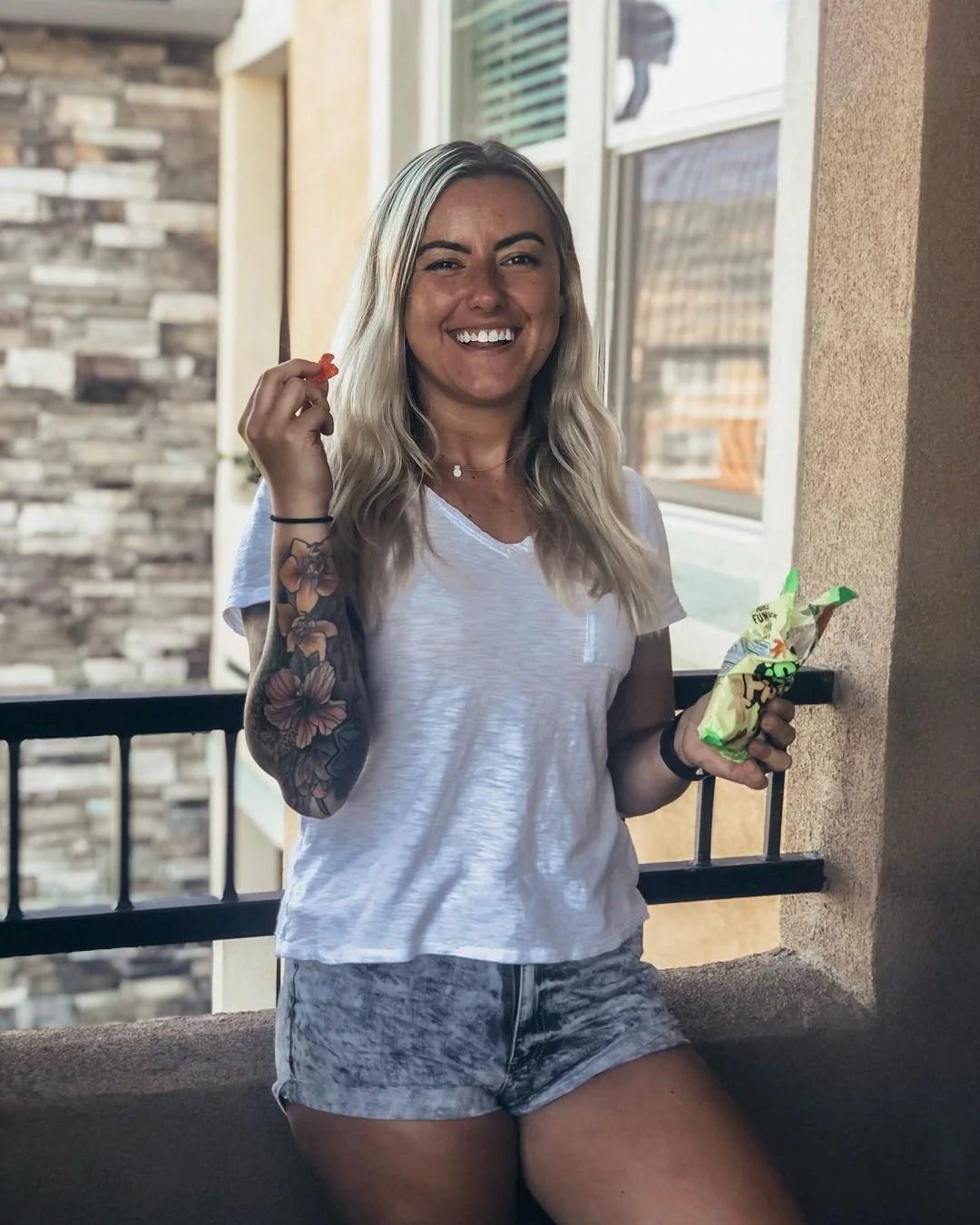
BLACK IRON RADIO EP. 370: So You Want To Stop Chasing Perfect Nutrition
Perfectionism with nutrition is one of the fastest ways to make sure nothing sticks.
Ryann, Jess Gordon, and Joyce get into where the pressure to be perfect actually comes from, why restriction works about as well as holding a beach ball underwater, and what balanced nutrition looks like when you're a real person with birthday parties, vacations, and a life. They talk about the on track/off track language that signals a spiral is coming, why the story you tell yourself after the Oreo matters more than the Oreo, and how flexibility gets you to your goals faster than rigidity ever will.
Plus a conversation about the fear that being flexible means giving up on your goals, why "I'll do it for 30 days" is usually a red flag, and why you can have Lucky Charms every day and still be exactly on plan.
You swear off sugar on Monday. By Wednesday you've eaten an entire sleeve of Oreos standing at the kitchen counter, and some part of your brain has already decided the week is a write off. That's not a willpower problem. That's a perfectionism problem, and it's one that diet culture built for you on purpose.
On this episode of Black Iron Radio, host Ryann sat down with coaches Jess Gordon and Joyce to talk about why so many of us chase perfect nutrition, why the chase backfires almost every time, and what it actually takes to build a relationship with food that survives longer than 30 days.
Where the Perfectionist Mindset Actually Comes From
Diet culture runs on numbers: macros hit to the gram, calories counted, "clean" days documented for an audience. Jess doesn't think most of this comes from a bad place. It comes from a system that quietly implies if you don't hit the number, you did something wrong.
Social media makes it worse. Nobody posts the night they ate a sleeve of Oreos on the couch. They post the day they hit every macro perfectly, and that highlight reel becomes the standard everyone else measures themselves against, even though it was never the whole story.
Joyce adds another layer: a lot of this perfectionism is inherited. It might sound like a parent's voice, an old coach, a pattern carried over from sports or work or somewhere else entirely. And often the actual goal isn't health. It's dodging the guilt and shame that shows up the moment something doesn't go perfectly.
Restriction Behaves Like a Beach Ball Underwater
Joyce's analogy is the one to remember here: restriction is like holding a beach ball underwater. Push it down long enough and it doesn't sink quietly. It explodes back up. Tell yourself you're never having sugar again, and sugar becomes the only thing your brain can think about.
Language matters too. On track, off track, on the wagon, off the wagon, locked in. All of it frames one food choice as something powerful enough to wreck an entire effort. It isn't, unless you hand it that power yourself.
What actually moves the needle is the pattern over time, not any single decision. Joyce puts it plainly: consistency is just the math of your average choices, so no single meal carries the weight we give it. But there's a second piece she thinks matters just as much: the story you tell yourself after you eat something. Telling yourself "I'm never eating sugar again" is what sets up the next time you polish off the whole sleeve of Oreos. Telling yourself that meal was a life-enhancing moment, that your body's going to use it as fuel, and that next time you'll choose something more aligned is what actually keeps you moving forward instead of spiraling.
Coaching Flexibility Instead of Restriction
Jess sees the same pattern constantly. A client says they're "locked in" and about to cut something out entirely. Instead of arguing, she validates the instinct first: yes, eating rice, chicken, and broccoli every meal would probably get results. But would you actually want to live that way? Would you be happy?
If the honest answer is "I could only do this for 30 days," that's the tell it isn't sustainable. A coach's job isn't handing out rigid rules. It's finding the version of eating well a person can actually keep doing, one that includes the Oreo and doesn't demand a shame spiral afterward.
Joyce says this is exactly where coaching earns its keep. Most people are convinced flexibility will slow their results down. But these coaches have watched client after client stay consistent, stay flexible, and still wake up one morning realizing their body changed, their energy improved, and their relationship with food shifted, all without the heavy restriction they assumed was required.
What Balance Actually Looks Like on a Plate
Jess is transparent about her own food, on social media and with clients, because she refuses to be a hypocrite about it. Ask what she eats and you'll hear about what she calls potato slop (ugly, effective) and Lucky Charms, which she eats in moderation every single day instead of saving as a reward she has to earn.
Her point: tell yourself you can't have something until you hit a certain body weight, and you've just built the exact conditions for going overboard. Better to build the food into your normal pattern from day one and skip the countdown entirely.
Joyce, a mother of three who spends her summers at what feels like a nonstop rotation of birthday parties, describes balance as the whole pattern, not any single day. Some days are sliced pizza and cupcakes at a party. The question isn't how to avoid that. It's how to support your goals around it, maybe protein before you leave the house, maybe baby carrots when you get home. She likes asking clients what "consistently okay" looks like for protein or fiber during a busy season, instead of demanding a perfect number every single day.
Ryann brings up the 80/20 rule: 80 percent of your food supports your goals with nutrient density, 20 percent is just there because it's delicious. Joyce actually did the math on that once. Twenty percent works out to about four or five meals a week, which is a lot more room than most people assume when they hear the number.
Going out to eat isn't a threat to progress either. Cooking every single meal yourself is a fast track to burnout, and eventually you get sick of your own food. A few meals out each week is just part of a normal, sustainable life.
Food Freedom Is Mostly a Self-Control Story
Jess tells a story that sums up the whole trap: a client had obsessed over one specific ice cream sundae for months. Jess finally told her to just go get it, that it was her homework for the week. She did, and came back saying she didn't even really like it that much. She just liked the idea of not being allowed to have it.
Tell yourself you can't have something, and it becomes the only thing you want, whether you actually want it or not.
Joyce brings up research worth sitting with here: how much self-control you have is tied more to what you believe about your own self-control than anything else. Walk into a situation convinced you have zero control around a food, and you're far more likely to lose it. Walk in believing you can have some and walk away satisfied, and that belief tends to hold up. Self-control turns out to be closer to an identity than a fixed trait you either have or don't.
Food freedom, in Jess's words, means not restricting yourself from things you love and leaving situations feeling confident in your choices instead of needing to make up for them later. Joyce adds that when nothing is forbidden, the panic around food tends to go quiet. Most of the urgency people feel around certain foods comes from pre-panicking about losing control, not from the food itself.
The Myths Worth Retiring for Good
One macro does not make you gain weight on its own. Eating in a caloric surplus does that, no matter which macro it comes from. Eat enough of it in surplus and even broccoli will make you gain weight. The macro was never the variable that mattered.
One off track meal does not undo your progress. Your body responds to weeks and months of pattern, not to any single plate.
You don't need supplements or expensive food to reach your goals. Frozen produce, canned beans, potatoes, canned tuna and chicken are all nutrient dense, and none of them care that they came in a can instead of a farmers market bag.
Small Ways to Build Mindfulness Back Into Eating
Challenge the foods you've put on a pedestal. If something feels forbidden, have it on purpose and notice that nothing bad happens. That's the whole exercise.
Break a meal into quarters and pause between each one. Am I full? Am I eating because I'm hungry, or because I'm rushed or stressed? Small check ins like this build the mind stomach connection back up over time.
Eat without distractions when you can. No TV, no scrolling. It sounds small, but it's the difference between noticing you're full and unbuttoning your pants on the drive home.
We also has a free 30 day Mindful Eating Project ebook, built around small, occasionally uncomfortable challenges (putting your fork down between bites is a fan favorite nobody can actually do at first) that rebuild a healthier relationship with food over time.
Bottom Line
Perfection was never the goal, and it was never realistic to begin with. There's a place for tightening things up, weight class athletes prepping for competition, a defined fat loss phase, but even then it's temporary and doesn't require rigid restriction.
Most of the time, the actual goal is simpler: eat in a way that supports how you want to feel and perform, while still leaving room for pizza, birthday cake, and Froot Loops. Some days will be loaded with vegetables and protein. Some days won't. Both are part of the plan, and neither one needs to be earned or apologized for.
🎙️ WANT MORE? SUBSCRIBE TO BLACK IRON RADIO!
If you enjoyed this conversation, check out more episodes of Black Iron Radio, where we cut through the noise and give you real, no-BS advice on feeling, performing, and looking your best. Each week we share practical nutrition, training, and wellness strategies and tips to help you succeed.
