

WELCOME TO OUR BLOG
SEARCH FOR AN ARTICLE

How to Truly Listen to Your Body (Recovery Edition)
Most athletes do not have a recovery problem, they have a listening problem...
Morgan, Amanda, and Brooke get into how to listen to what your body is telling you without needing a Garmin, Oura, or WHOOP to tell you first. They break down the difference between productive discomfort and pain that is a genuine red flag, why the "more is better" culture teaches athletes to override the exact signals they should be paying attention to, and why not finishing your programming is usually not a discipline issue.
Plus the difference between fatigue, overreaching, and injury, why you should stop expecting to feel good all the time, and what actually happens when you keep ignoring the signals.
What Active Recovery Days Should Actually Look Like
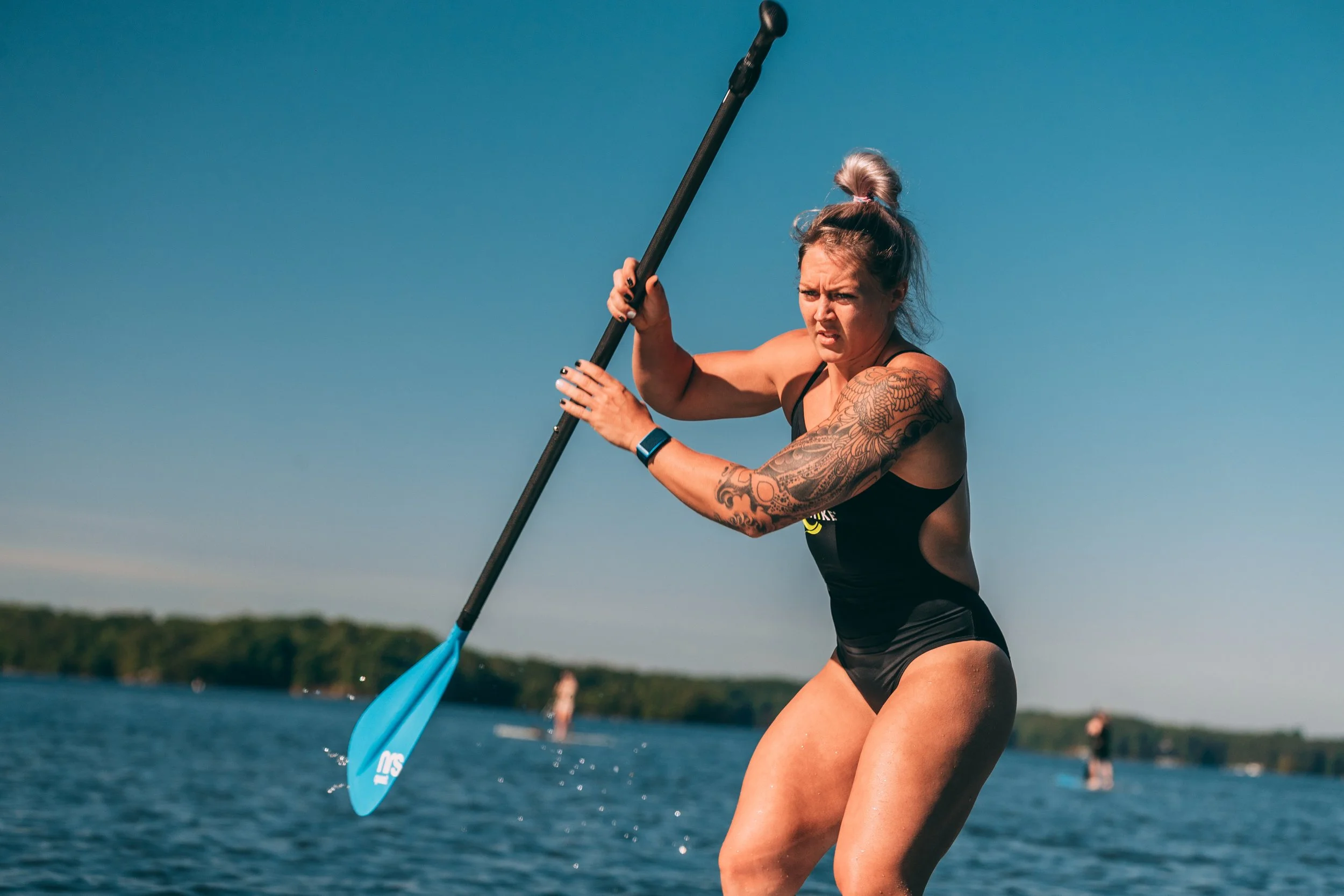
Active recovery is wildly misunderstood. Most people either skip it entirely or accidentally turn it into another training day, thinking a "chill" 11-mile run counts as recovery. We're breaking down what active recovery actually means, why it's critical even for everyday gym-goers, and the biggest mistakes people make (like undereating on recovery days or joining group fitness classes when you should be resting). From understanding what low intensity actually feels like to recognizing when life stress means you need to back off training, we're covering how to structure recovery that supports your progress. Because your body doesn't get stronger during training, it happens during recovery. If you're always tired, sore, and burnt out, proper active recovery might be the missing piece.