
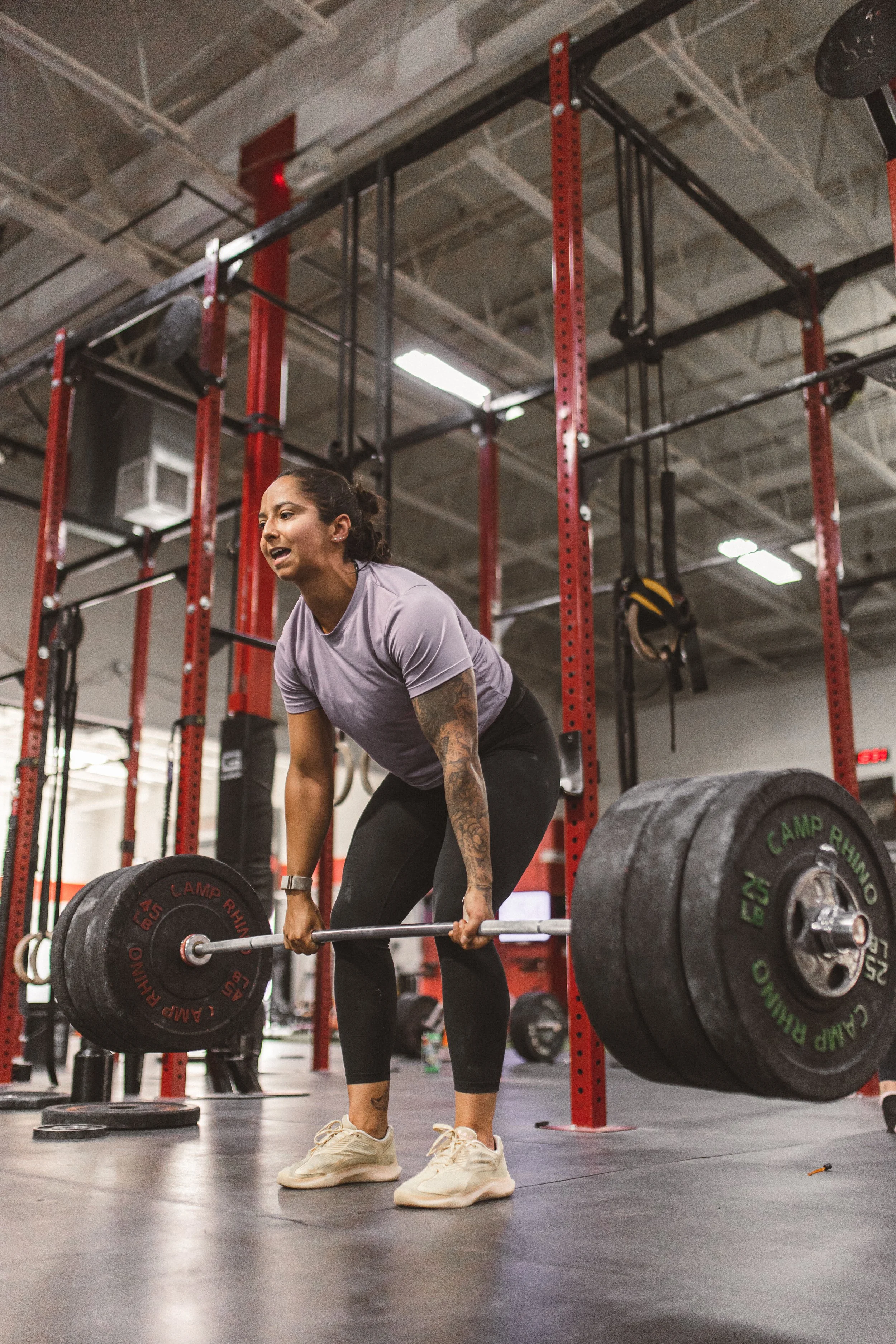
BLACK IRON RADIO EP. 396: Inflammation Explained: What It Is, Why It Happens, & How to Manage It
Inflammation is part of how your body protects you, repairs itself, and adapts to training.
Amanda, Joyce, and Sabrina break down what inflammation is, how acute inflammation differs from chronic, and why your body needs it to get stronger. They get into what can keep it turned on, including sleep, stress, alcohol, and under-recovery, plus the signs that mean it's time to talk to your doctor. They also go through what to do before reaching for ibuprofen, ice baths, or supplements.
Plus: why the scale can jump after a hard lifting day.
Inflammation has become a buzzword. Anything gets blamed on it, and anything labeled inflammatory is supposed to be avoided. In this episode of Black Iron Radio, Amanda, Joyce, and Sabrina break down what inflammation actually is, when you want it, when it becomes a problem, and what to do about it.
What Inflammation Is
Inflammation is your body’s coordinated immune response to a perceived threat or tissue disruption. Sabrina’s analogy is scaffolding around a damaged building. While it’s up, the area can feel bulky or clumsy, which is how the repairs get done. If the construction never wraps up, the scaffolding stays in the way of normal life. That’s when inflammation turns chronic.
It involves immune cells, blood vessels, signaling molecules, and cytokines. The classic signs are redness (small blood vessels widening), heat (more blood flow), swelling (fluid leaking into the tissues), pain (chemical irritation or pressure on nerve endings), and sometimes loss of function, which is your body protecting the area.
Why the Scale Goes Up
This is the part many people don’t love. During inflammation, the cells lining your capillaries pull apart slightly so water, white blood cells, and healing proteins can leave your bloodstream and get into the surrounding tissue. That fluid collects in the spaces between your cells, and your body holds onto it instead of flushing it out. So if the scale jumps five pounds after a heavy lifting day, it’s extra fluid, not fat and not muscle.
Acute vs. Chronic
Acute inflammation is your body’s immediate response to something that just happened, like an ankle injury, a paper cut, or a sunburn. It’s usually localized, it happens quickly, and it’s designed to resolve once the issue is handled.
Chronic inflammation is when the response stays activated or keeps getting triggered over time. It can become systemic, meaning it’s affecting your body more broadly. Autoimmune conditions, recurring infections, ongoing psychological stress, poor sleep, and inadequate recovery can all contribute. Persistent signaling can play a role in conditions like cardiovascular disease and insulin resistance.
The key difference is resolution. A healthy sequence is a stressor, an inflammatory response, repair and adaptation, and then resolution, where symptoms largely subside on their own. Your body is built to both start and stop its own inflammatory responses.
When You Want Inflammation
When you’re sick. Your immune system has to recognize and respond to the pathogen. It’s a multi-step process, which is why getting better takes time.
When you’re injured. Inflammation is one of the first steps in healing. Think of it as the demolition and cleanup before a renovation. Trying to suppress every bit of it right away isn’t necessary or helpful, because it’s part of the healing process.
When you train. Exercise is a stressor, and it’s the good kind. Lifting causes mechanical stress and muscle disruption that triggers inflammatory signaling, which leads to repair, protein synthesis, and added strength and lean mass. Endurance training creates metabolic and mechanical stress that needs an inflammatory response for recovery and adaptation.
You don’t want to avoid inflammation from exercise, and you don’t want to maximize it either. More stimulus and more inflammation doesn’t give you more adaptation. You need an appropriate stimulus followed by adequate recovery. If you skip the recovery, you don’t get the resolution that leads to adaptation. That’s why what gets called overtraining is often under-recovery.
When It Becomes a Problem
A few questions help. Is the inflammation localized or more widespread? How intense is it and how long does it last? Is it resolving? Is something you do repeatedly triggering it, or is it unexplained?
Chronic low-grade inflammation tends to be more lifestyle related. Things that can contribute include:
Sleeping poorly or for a short duration, like during a new-baby phase or a stressful period
High psychological stress, including how stressed you perceive yourself to be, and relying on another stressor as your only stress management
Smoking and regular alcohol
A sedentary lifestyle
Excess body fat, particularly visceral fat
Environmental exposures, certain medications, and ongoing infections
Not recovering enough between training sessions
Chronic inflammatory disease is a different story. Those conditions are usually triggered or worsened by lifestyle factors but not caused by them, and you usually can’t fully address them with lifestyle changes alone.
Signs It’s Time to Talk to Your Doctor
Consider getting inflammatory markers and other blood work done if you have:
Persistent or unexplained pain or swelling, especially in your joints
Ongoing GI symptoms that aren’t resolved by dietary changes
A fever, especially a high-grade one, or one that lasts more than 24 hours. That isn’t normal for adults.
Recurring illness or symptoms that don’t resolve
Significant fatigue that doesn’t improve with enough sleep, rest days, or training changes
Unexplained, extreme weight changes in either direction
Saying “I’m inflamed” shouldn’t become a self-diagnosis, and you don’t need to be scared of it. Take a closer look when it’s not resolving.
Eating for Inflammation
There’s no one food that outweighs your overall dietary pattern, which is good news. The same foundational habits we coach every day support healthy inflammatory regulation: a variety of colorful fruits and veggies, enough fiber and protein, whole grains, beans, nuts, seeds, omega-3 rich fish, healthy fats, and enough calories for your body’s needs. Strongly flavored foods like garlic, ginger, turmeric, cruciferous veggies, and fresh herbs also have beneficial compounds, which is one more reason to season your food.
Consistency matters more than any single day. Pay attention to what makes you feel good and what doesn’t, and don’t obsess. Lists of anti-inflammatory foods can be confusing, since nearly anything you eat triggers some kind of response, and the way your body processes it can have positive outcomes.
Lifestyle Habits That Matter
Sleep. Poor sleep can alter your immune and inflammatory signaling, elevate stress hormones, and disrupt cellular repair. Recovery through sleep clears the alarm, restores tissue, and lets the scaffolding come down.
Exercise. Regular physical activity is associated with healthier inflammatory regulation. When you apply a purposeful stressor and recover from it, your body gets more efficient at cycling through inflammation.
Stress. Prolonged stress signaling can keep your body’s main stress response systems constantly activated. How you perceive stress matters too. If you’re stressed about your stress, there’s a physiological response to that. Therapy, journaling, or whatever your stress relief is can help.
Alcohol. Alcohol can act as an artificial stress buffer. Even with the argument about red wine and polyphenols, a drink every night can add to your total stress load.
What About Athletes?
Training is a cycle of stress, recovery, and adaptation, and that’s what progressive overload is. If you keep trying to eliminate the stress signal, you interfere with adaptation.
Functional overreaching is a good amount of stress that you can recover from. Non-functional overreaching is when the training stress outpaces your ability to recover, so inflammation doesn’t resolve and you end up with fatigue, declining performance, and sometimes chronic low-grade inflammation. Signs include:
Performance that keeps declining
Fatigue that persists after a rest day or deload
A constantly high perceived effort
Soreness that doesn’t resolve
Sleep, mood, motivation, or appetite changes
Recurrent illness or persistent aches and injuries
A lot of this can be addressed with an actual rest day, more food, more sleep, and better bedtime boundaries. It doesn’t always mean training dramatically less.
NSAIDs
There’s a difference between taking an anti-inflammatory for a legitimate medical need and popping ibuprofen before or after a workout because you expect to be sore. Routine or preventative use can irritate your GI tract and increase kidney and cardiovascular risk, and it can interfere with training adaptation. For endurance athletes, combining NSAIDs with dehydration during a long race can stress the kidneys. Pain relief can be useful, but feeling less pain doesn’t mean you’ve recovered better. If you need pain meds regularly to get through workouts, that’s worth looking into.
Ice Baths
Ice isn’t inherently bad. It can help with pain or soreness if your doctor or PT tells you to ice an acute injury, and it can be better than an NSAID if you need temporary, localized relief. It can also make sense when you need to perform again soon, like during a competition season, or when you have a key workout coming up after a lot of soreness. In those cases you’re not trying to adapt in the short term.
Using cold exposure routinely, especially right after training, isn’t ideal if your goal is adaptation. Ice baths haven’t been shown to speed up recovery, and they can blunt the inflammatory response you need. They may help you feel better, similar to stretching or mobility.
Supplements
There’s no magic supplement that replaces sleep, stress management, consistent exercise, and good nutrition. If you’re going to supplement, options people use include turmeric or curcumin, fish oil, and tart cherry juice. The supplement industry isn’t regulated, so you can’t be sure what you’re getting, and placebo is real. If it’s worth the money to you, that’s your call.
Before you buy anything, ask:
Why am I inflamed? Is it on purpose, because I’m trying to adapt?
Do I actually want to reduce it right now?
What outcome am I trying to improve?
Is the evidence strong enough to justify the cost?
Could reducing the signal interfere with my adaptation?
Have I covered sleep, food, stress, alcohol, and exercise first?
The Takeaway
The goal isn’t an inflammation-free body. It’s a body that can turn inflammation on when it’s needed and off when the job is done. If you’re generally healthy, that’s probably already happening. When inflammation isn’t resolving, start by asking why. Build your recovery with sleep, calories, protein, carbs, hydration, rest, and stress management first, then add targeted supplements or other recovery tools if they make sense. If you think you’re dealing with a chronic condition, talk to your doctor sooner rather than later.
🎙️ WANT MORE? SUBSCRIBE TO BLACK IRON RADIO!
If you enjoyed this conversation, check out more episodes of Black Iron Radio, where we cut through the noise and give you real, no-BS advice on feeling, performing, and looking your best. Each week we share practical nutrition, training, and wellness strategies and tips to help you succeed.
