
The Stress Story: Cortisol's Role in Your Health
In this blog post, we’re breaking down key takeaways from the latest episode of Black Iron Radio, where coaches Morgan, Ryann, and Jess tackle one of the most misunderstood topics in health: cortisol. From debunking TikTok wellness trends to sharing real-life experiences with hormone dysregulation, this conversation cuts through the confusion to explain what cortisol actually does, what happens when it’s out of balance, and how to support your body without gimmicks or guesswork. Whether you’re feeling burnt out, overstimulated, or just curious about how stress affects your health, this episode brings clarity—and evidence-based solutions—to the table.
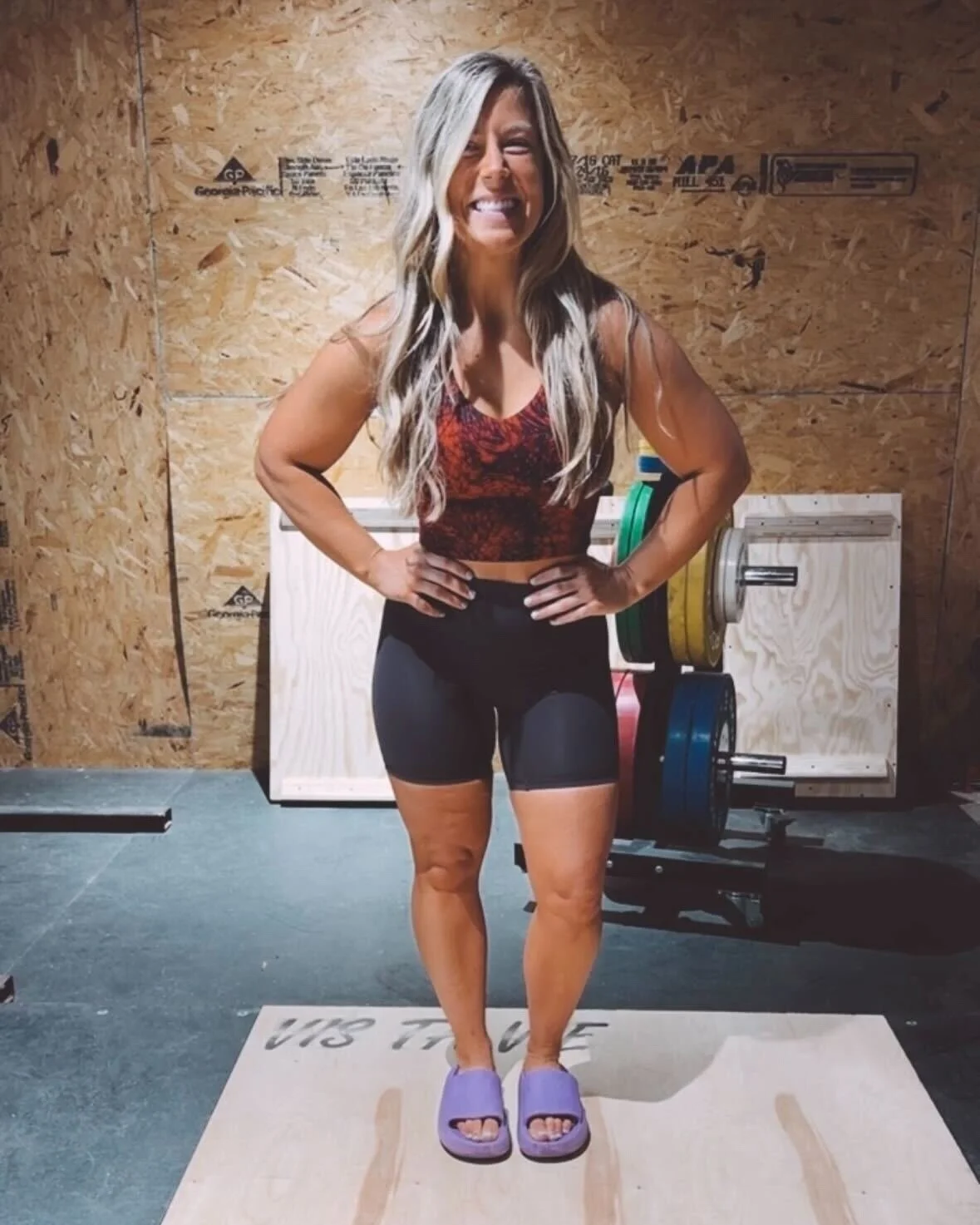
BLACK IRON RADIO EP. 249: THE STRESS STORY: CORTISOL’S ROLE IN YOUR HEALTH
Cortisol gets blamed for everything these days—fatigue, cravings, belly fat, bad sleep, and more. But most of what you’ve heard on TikTok is either oversimplified or just flat-out wrong. Morgan, Ryann, and Jess get into what cortisol actually is, what true dysregulation looks like, and why powders promising to "fix your stress" aren’t it. No fear tactics, no magic fixes—just real talk about hormones, health, and what your body actually needs.
📲 Listen & Subscribe: Apple Podcasts | Spotify
If you’ve spent any time on TikTok lately, you’ve probably seen a wave of wellness influencers hawking “cortisol-crushing” powders that promise to snatch your face, shrink your waist, fix your sleep, and keep you calm… all while tasting like pineapple juice. Sounds dreamy, right?
Except it’s total bullshit.
In this episode of Black Iron Radio, Coach Morgan sat down with Ryann and first-time guest Jess Saxon to unpack the chaos of cortisol confusion, cut through the noise of “wellness” marketing, and remind us that our stress hormone isn’t a villain—it’s essential.
So… what is cortisol anyway?
Cortisol is a steroid hormone produced by your adrenal glands. Often called the “stress hormone,” it helps your body respond to stress, but it also plays a major role in:
Inflammation management
Blood sugar regulation
Immune function
Sleep-wake cycles
Metabolism
Blood pressure
In other words: we need cortisol. Without it, we’d be toast. So when someone tells you to “cleanse” or “detox” your cortisol? Red flag. You’d quite literally die without it.
Cortisol isn’t the problem—chronic dysregulation is
Your cortisol is supposed to fluctuate. It naturally spikes in the morning to help wake you up, and dips at night to support rest. It rises during intense workouts or stressful conversations and settles back down when the dust clears.
But when your body lives in a constant state of high alert—like Jess did during years of overtraining, under-sleeping, and high-stress work—your system can break down. That’s when you might start seeing signs of true dysregulation like:
Severe, unrelenting fatigue
Sleep disturbances (tired but wired)
Difficulty recovering from training
Mood swings, sugar cravings, and brain fog
Persistent inflammation or illness
That’s not just “being tired.” That’s your body throwing up the red flags.
How not to fix it
Here’s what doesn’t fix cortisol issues: random powders from the internet.
Those TikTok miracle mixes? Most are unregulated, under-dosed blends of things like vitamin D, L-theanine, and ashwagandha, marked up to $2 per serving. Many aren’t even third-party tested. And worse, if you do have a medical condition—like Graves’ Disease, which Ryann lives with—these powders can make things worse.
If you suspect a real cortisol issue, start with your doctor or a trusted functional medicine practitioner. Tests like salivary cortisol panels or Dutch testing can give actual data—way better than guessing.
What to do instead
Before you jump into supplements, fix the basics:
Prioritize sleep — Create a regular sleep/wake schedule and stick to it.
Set boundaries — Especially around work and social obligations.
Get outside — Morning sunlight helps regulate your cortisol rhythm.
Eat enough — Under-fueling is a major source of stress for the body.
Move your body — High-intensity workouts aren’t the enemy. Done right, they improve stress resilience.
Chill out—on purpose — Meditation, journaling, breathwork, and slow walks actually work.
Jess learned this the hard way—after years of overreaching left her with severe adrenal dysregulation. But with rest, recovery, better boundaries, and some practitioner-guided support, she made a full comeback.
The Bottom Line
You don’t need a powder. You need consistency, support, and patience. The real game-changer isn’t a supplement—it’s a sustainable lifestyle that supports your long-term health.
So the next time a TikTok wellness babe tells you she fixed her stress with a pineapple-flavored mystery mix? Scroll on.
🎙️ WANT MORE? SUBSCRIBE TO BLACK IRON RADIO!
If you enjoyed this conversation, check out more episodes of Black Iron Radio, where we cut through the noise and give you real, no-BS advice on feeling, performing, and looking your best. Each week we share practical nutrition, training, and wellness strategies and tips to help you succeed.
📲 Listen & Subscribe: Apple Podcasts | Spotify
