
So You Want To Build Better Breakfasts
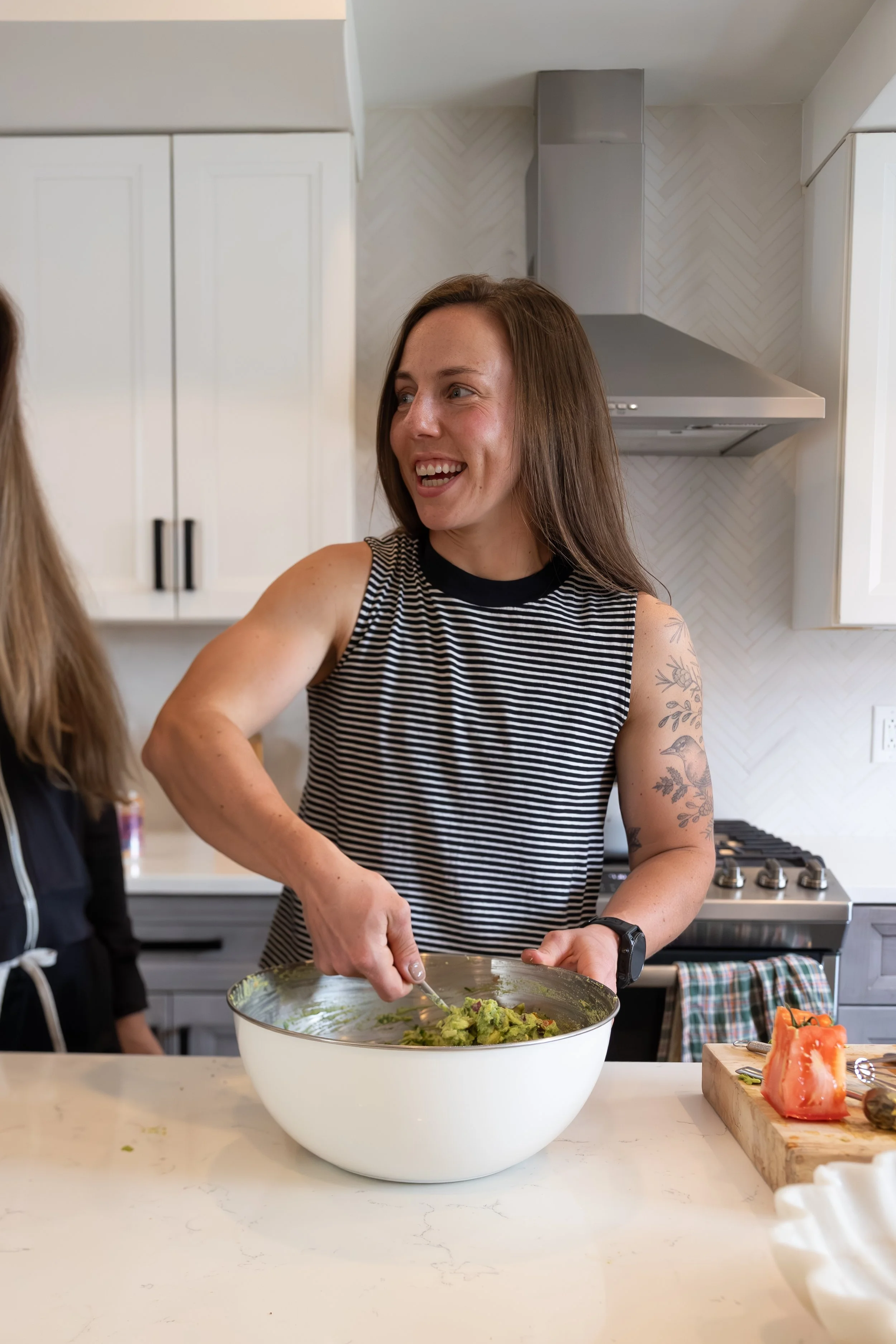
BLACK IRON RADIO EP. 346: So You Want To Build Better Breakfasts
Most people know they should eat breakfast. Actually doing it (consistently, with enough of the right stuff) is a different story.
Ryann, Kelsey, and Chelsea dig into why breakfast matters, what a balanced morning meal looks like, and how to make it work for your life (even if you're out the door at 4 AM). They tackle the most common reasons people skip breakfast (macro hoarding, morning nausea, time crunches, etc.) and share strategies for building a morning eating routine that sticks. From smoothie bags in the freezer to emergency RXBars in the glove compartment, there's something here for every kind of morning person.
Whether you're a three-breakfasts-before-11AM Hobbit or a grab-and-go person, this episode will help you start your day with more intention (and maybe even a cheese stick).
Breakfast gets a bad reputation. Some people skip it entirely, some people grab whatever's fastest, and some people eat the same bowl of cereal they've been eating since third grade and wonder why they're starving by 10 AM. In this episode of Black Iron Radio, Ryann, Kelsey, and Chelsea break down why breakfast actually matters, what a balanced one looks like, and how to make it realistic for your actual life.
Why Breakfast Actually Matters
Before we get into the how, let's talk about the why, because a lot of people are still operating under the assumption that skipping breakfast is either neutral or fine.
It's not.
The American Heart Association issued a scientific opinion in 2017 stating that 74% of people who skipped breakfast did not meet two-thirds of the recommended dietary allowance for vitamins and minerals, compared to those who did eat breakfast. That's a significant gap, and it's one we see play out in practice all the time with clients.
When someone skips breakfast, hitting protein targets becomes a nightmare. Fiber is nearly impossible to get to where it needs to be. And the ripple effects show up throughout the day: low energy, brain fog, stronger cravings at night, and a pattern of trying to cram all their calories into a shrinking window.
Here's the thing about that nighttime hunger and craving cycle: it's not random. When you don't eat breakfast, your blood sugar never gets stabilized in the morning, which sets off a chain reaction that ends with you white-knuckling it past the snack cabinet at 9 PM. Your body is smart. It will demand the energy it needs, one way or another.
And the "macro hoarding" pattern, where athletes hold back calories early in the day out of fear of running out, is something that comes up constantly, especially with performance athletes. The reality? If you get to the end of the day and you're still hungry, you eat another snack. There's no scoreboard. You don't lose points for eating an evening meal after a full day of calories.
Your Body Adapts to What You Do Consistently
One of the most common things we hear from clients who skip breakfast: "I'm just not hungry in the morning."
And to be clear, that's real. But it's also a product of habituation, not biology. When you go without breakfast day after day, your body stops sending hunger signals in the morning because it's learned not to expect food. Ghrelin, the hormone that drives hunger, adapts to your patterns.
The good news is that it adapts in the other direction too. Once you start eating breakfast consistently, even something small, those hunger cues come back. The normalization happens faster than most people expect.
We also want to name something that doesn't get talked about enough: a lot of people, athletes especially, have an active fear around eating in the morning. Fear of eating too much too early and not having "enough" left later in the day. Fear of feeling full going into a workout. Fear of just breaking a habit that's been in place for years. That fear is worth examining, because it's often the thing quietly driving the skip.
What a Balanced Breakfast Actually Means
A balanced breakfast isn't a specific meal. It's a framework. And the framework looks like this:
Protein is the anchor. Aim for 30 grams or more. We know that sounds high to some people, but it's completely achievable, and it's the thing that will keep you full and actually support your muscle tissue. Eggs and egg whites are the classic go-to, but Greek yogurt, cottage cheese, protein powder, chicken sausage, ground beef, even leftover protein from dinner the night before all count. There is no rule that breakfast has to look like breakfast.
Carbohydrates are essential for energy, especially if you're working out or have a long day ahead of you. Oats, toast, fruit, bagels, tortillas, rice. The options are wide open. The sweet-versus-savory divide that people associate with breakfast is mostly just habit. Savory breakfast tends to feel more filling for a lot of people, so it's worth experimenting if you haven't.
Fats round out the meal and help with satiety and flavor. Avocado, nuts, nut butter, seeds, whole eggs, quality oils and butters when you're cooking. These are your tools.
Fiber is the one that always gets overlooked, but it's arguably the most important micronutrient to think about at breakfast. We talk about fiber in basically every nutrition conversation we have, and for good reason: most people are nowhere near the 25+ grams per day that supports healthy digestion, blood sugar regulation, and long-term health outcomes. Younger people are being diagnosed with colorectal cancer at increasing rates. We are not going to stop pushing fiber.
And here's the practical reality: if you skip breakfast, you lose a full meal's worth of fiber opportunity. That 25 grams is already hard to hit when you're working with three meals. With two, it's a real problem.
What Our Coaches Actually Eat
We get this question a lot, and honestly, the answer is pretty unsexy, which is kind of the point.
Chelsea is up at 3:15 AM to coach the 5 AM class, so her morning is split into stages. She eats a Pop-Tart on the drive to the gym to break the fast before her workout. Post-workout, she eats overnight oats with protein powder, blueberries, and banana while coaching. Then when she gets home, she has her actual favorite breakfast: chicken sausage with veggies and eggs, plus a bagel with avocado. Yes, that's three breakfasts. Yes, she's eaten all of it before 10 AM. If you're ever afraid to eat in the morning, think of Chelsea.
Kelsey has been leaning on two eggs with avocado toast and a Siggi's yogurt with Kashi cereal on top. Protein, fat, fiber, and carbs all in one. She also keeps drinkable yogurts in the fridge for mornings when she needs to grab and go. When eggs weren't an option during her first trimester, she leaned heavily on smoothie bowls loaded with protein sources to make up the gap.
Ryann is usually a breakfast hash person: potatoes, eggs, bacon or chicken sausage, peppers and onions. But when life is hectic (hi, dog recovering from surgery), the real breakfast is a drinkable yogurt, a cheese stick, and a piece of whole grain toast with nut butter. Not glamorous. Still effective. Blood sugar regulated, energy sustained, done.
The point is that there is no perfect breakfast. There's just the one you can actually execute on a Tuesday morning.
Make It Realistic
The biggest breakfast mistake we see isn't choosing the wrong foods. It's having unrealistic expectations for what breakfast should look like and then doing nothing when that vision falls apart.
Nobody is making eggs Benedict every morning. That is not a sustainable breakfast plan.
Here's how to build something that actually works:
Pick a few things you genuinely like and rotate through them. You don't need ten different breakfast ideas. Two or three good ones that you enjoy and can execute quickly is plenty.
Prep ahead when you can. Overnight oats, egg muffins, chia pudding, and freezer breakfast burritos are all things that can be made in batches on a Sunday and pulled out all week. Chelsea makes 10 to 15 bags of dry overnight oat ingredients at once, so in the evenings she can just dump a couple bags into jars, add milk, yogurt, and fruit, and they're fresh and ready to go for the next few mornings.
Keep no-prep options on hand. Trader Joe's has pre-made egg bites and overnight oats. And honestly, a drinkable yogurt, a string cheese, and a piece of fruit is a perfectly complete breakfast on a chaotic morning. These are not inferior breakfast options. These are things that get food into your body on days when cooking isn't happening.
Have a car snack stash. An RXBar in the glove compartment has saved many a breakfast. If you're prone to running out the door without eating, having something within reach means you're not arriving at your 8 AM meeting having fasted since dinner.
Know your morning type. If you have a slow morning, cook something. Make your plate look nice, enjoy your coffee. If you're out the door by 5, optimize for grab-and-go. Neither is better. They're just different logistics problems.
On Not Being Hungry in the Morning
If your immediate reaction is "but I'm not hungry when I wake up," start small. A banana. A banana with nut butter. Three crackers before your coffee. The goal isn't to immediately eat a 500-calorie breakfast the first day. It's to introduce food before caffeine hits and start rebuilding those hunger cues.
Coffee before food is a sneaky culprit here. If you're drinking coffee on an empty stomach and feeling nauseous, that's very likely the issue. Getting even a small amount of food in first can make a significant difference. And for a lot of people, hunger suppression from caffeine means their morning signals simply never show up, so they interpret that as "not being a breakfast person" when it's really just a sequencing problem.
The Bottom Line
Breakfast matters. Something is always better than nothing. And it does not have to be eggs.
Start wherever you are. Even a banana and a drinkable yogurt is a better morning than running on coffee and optimism. Build from there. Your energy, your performance, your fiber numbers, and your nighttime cravings will all thank you.
🎙️ WANT MORE? SUBSCRIBE TO BLACK IRON RADIO!
If you enjoyed this conversation, check out more episodes of Black Iron Radio, where we cut through the noise and give you real, no-BS advice on feeling, performing, and looking your best. Each week we share practical nutrition, training, and wellness strategies and tips to help you succeed.
📲 Listen & Subscribe: Apple Podcasts | Spotify
