
BLACK IRON RADIO EP. 395: Cholesterol: The Good, The Bad, & How to Lower Yours Naturally
Cholesterol in your food doesn’t automatically mean high cholesterol in your blood.
Amanda, Joyce, and Jess Gordon break down what cholesterol actually does in your body, the difference between LDL and HDL, and where triglycerides fit in. They also cover how a lipid panel works and why one result can’t tell the whole story. They get into what can push LDL up that has nothing to do with how well you eat, including genetics, age, and menopause, and then go through the dietary levers that do move it. That includes the saturated fat swaps, soluble fiber, and which foods to add instead of just cutting things out. They finish with the lifestyle pieces beyond food and a reminder that medication can be the right call.
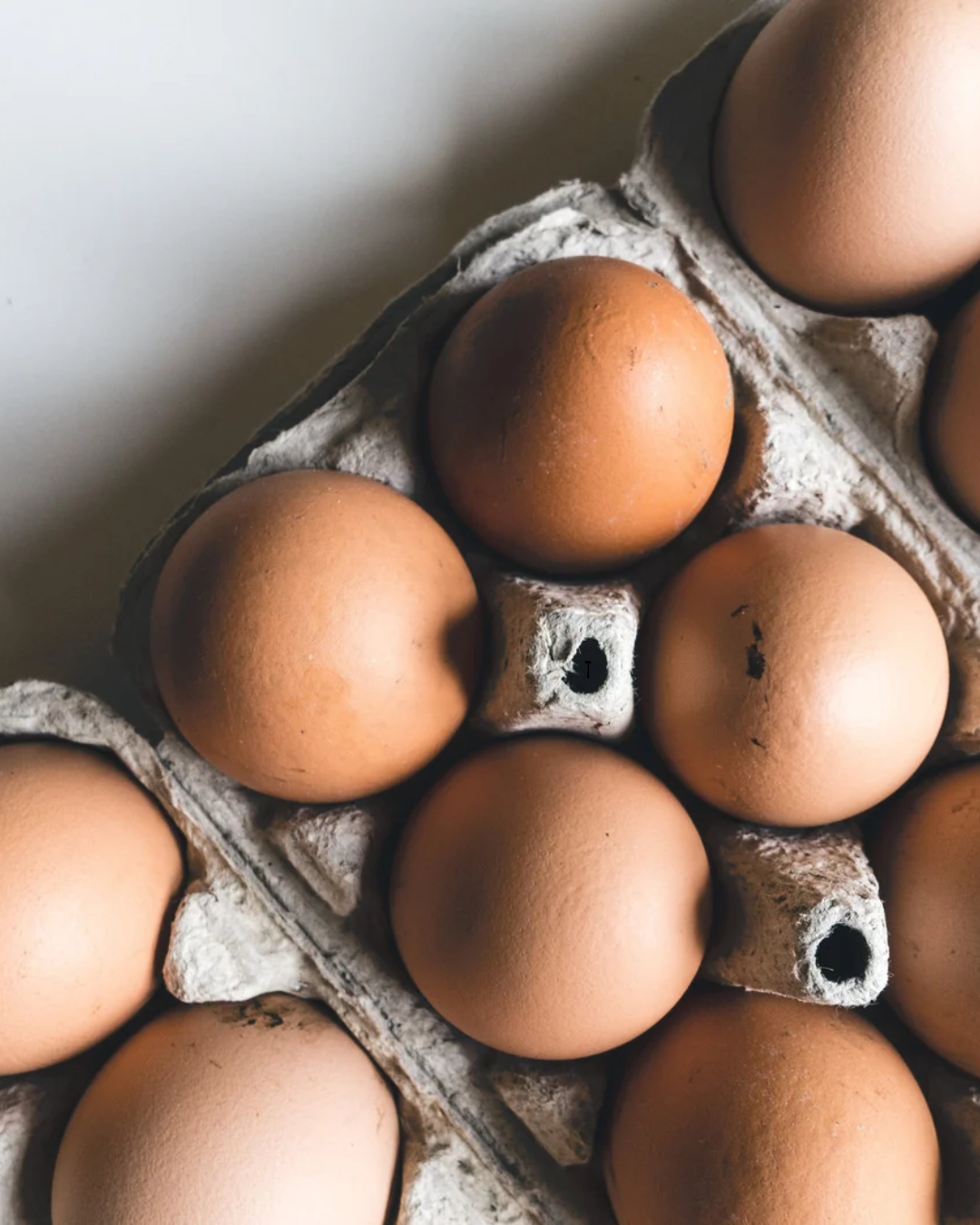
Plus: what’s really going on with eggs.
Cholesterol has a bad reputation, and a lot of what gets said about it is oversimplified. In this episode of Black Iron Radio, Amanda, Joyce, and Jess break down what cholesterol actually is, what moves it, and what you can do about it. One note before we start: lifestyle changes can make a meaningful difference, and sometimes medication is appropriate too. If you’re already working with your doctor, keep doing that.
What Cholesterol Is
Cholesterol is a type of lipid, and your liver makes it naturally. Your body uses it to build cells, make hormones, produce vitamin D, create bile acids that help you digest fats, and make the coating around your nerve fibers. You also get some from animal-based foods. Blood cholesterol and dietary cholesterol aren’t the same thing, which comes up again below.
We care about cholesterol because an imbalance can lead to atherosclerosis, which is a buildup of fatty plaque in your arteries. That can restrict blood flow and raise your risk of heart attack or stroke.
LDL vs. HDL
Joyce thinks of LDL as a delivery truck. It carries cholesterol through your bloodstream to where it’s needed. When too many trucks are circulating, LDL particles can enter your artery walls and get trapped, where they can contribute to plaque. HDL is the cleanup crew. It collects extra cholesterol and brings it back to the liver.
For a long time, we thought high HDL meant you were protected from heart disease. We now know a higher HDL doesn’t automatically cancel out the risk from high LDL, and raising it with medications or supplements doesn’t consistently lead to fewer cardiovascular events. So the focus is on lowering elevated LDL and looking at your overall risk, not chasing the highest possible HDL.
Triglycerides
Triglycerides show up on a standard lipid panel too, but they’re not cholesterol. They’re the main type of fat your body stores from extra energy, including from sugar and alcohol. High triglycerides are more often linked to things like type 2 diabetes and metabolic syndrome, and high triglycerides combined with low HDL and high LDL raise heart disease risk.
Getting Tested
Cholesterol is usually part of routine blood work, and if you don’t see it, you can request it. It shows up in a lipid panel with total cholesterol, HDL, LDL, and triglycerides. What you ate recently can affect some of those results, which is why your doctor may ask you to fast.
If a result comes back high, ask which number is high and what the reference points are. Existing cardiovascular disease, diabetes, or a strong family history change the picture. A single panel is one piece of your cardiovascular risk, not the whole puzzle.
What Can Push Cholesterol Up
Genetics. Some people are predisposed to higher LDL no matter how well they eat or exercise. Familial hypercholesterolemia is an inherited condition that affects how efficiently your body removes LDL. Someone with it can eat plenty of fiber, choose unsaturated fats, and exercise, and still have significantly elevated LDL. Your genetics influence your starting point, and your habits influence your trajectory.
Age. LDL tends to rise as we get older because our bodies get less efficient at clearing it. Risk also builds with how long LDL stays elevated, like decades of sun exposure compared to one afternoon, which is why building heart-healthy habits early helps.
Menopause. Estrogen supports your liver in clearing LDL, so as it declines, LDL often rises. You can eat the same foods and exercise the same amount and still see your numbers change. Fat can also shift toward the abdomen, and visceral fat is associated with insulin resistance and higher cardiovascular risk. You can’t stop menopause, but strong nutrition and exercise habits beforehand give you a better starting point.
Medical conditions and medications. Diabetes (especially when blood sugar isn’t well controlled), hypothyroidism, chronic kidney disease, and some autoimmune conditions can affect cholesterol. So can certain medications, including diuretics, beta blockers, and hormone-related medications.
Lifestyle. Physical inactivity, smoking, a lot of alcohol, poor sleep, and a high saturated fat intake all play a role.
High LDL doesn’t mean someone eats poorly. “Just eat healthier” rarely covers it. Body size can’t tell you someone’s cholesterol either. People of all sizes have very different lipid profiles, and a lean, active person can have elevated LDL.
What to Limit: Saturated Fat
The idea that cholesterol-containing foods automatically raise your cholesterol is a misconception. It’s the saturated fat that raises LDL. These are the fats that are solid at room temperature: butter, cream, full-fat dairy, fatty cuts of beef or pork, ultra-processed meats, some packaged baked goods, coconut oil, palm oil, and microwave popcorn.
The goal is swapping, not eliminating forever. Try olive oil in place of butter, a lower-fat dairy or unsweetened plant option in place of heavy cream, a leaner cut of steak, or poultry or beans in place of sausage. Canola or olive oil can stand in for coconut oil. For people who need to lower LDL, the usual recommendation is to keep saturated fat under about 6% of daily calories, which is a small amount. If you love cheese, using a little less and adding beans, fish, or veggies for bulk and flavor works.
What to Add
Soluble fiber. It forms a gel in your digestive tract that binds to bile acids. When you excrete them, your liver has to make more, using cholesterol from your bloodstream, and over time that can help bring LDL down. Good sources are oats, barley, beans, lentils, chia seeds, flaxseeds, and berries. Build up gradually to avoid bloating and GI upset. A starting target is about 15 grams of fiber per 1,000 calories eaten, which is on the low end of ideal for most adults. Whole foods are the first choice, since they also bring micronutrients and different types of fiber.
Healthier fats. Cook with olive or canola oil, make your own olive oil-based dressings, and add avocado to almost anything. Swap salty chips or popcorn for nuts and seeds. Fish and lean animal proteins give you protein with very little saturated fat, and fatty fish like salmon, trout, tuna, and sardines provide omega-3s.
Whole food first. Supplements are okay in a pinch, like when you have an allergy or an access issue, but the point is to diversify your intake, not keep eating the same way and add a pill. There’s no magical one-step cholesterol-lowering food. It’s the sum of everything.
About Eggs
A large egg yolk has roughly 200 milligrams of dietary cholesterol, and dietary cholesterol and blood LDL cholesterol aren’t interchangeable. Eggs can absolutely fit into a heart-healthy way of eating, and yolks come with a dense micronutrient profile.
What matters more is the rest of the plate. One breakfast has eggs, bacon, sausage, buttered toast, and hash browns fried in butter in the same grease. Another has eggs with oatmeal, berries, nuts, seeds, and whole grain toast. Those are very different meals. If you have high cholesterol, you can still have eggs. It comes down to the whole picture, the dose, the frequency, and what the food is replacing.
Lifestyle Factors
Movement. There’s no magic cholesterol-lowering workout. Do something you can show up to consistently. Regular activity can lower LDL, raise HDL, and lower triglycerides, and it improves insulin sensitivity, blood pressure, and blood vessel function. Even when LDL doesn’t change much, exercise improves cardiovascular health. Building lean tissue helps your whole metabolic system work more efficiently.
Weight. For someone carrying excess body fat, gradual weight loss can improve triglycerides, blood pressure, and sometimes LDL. High cholesterol doesn’t automatically mean you need to lose weight, and if LDL stays elevated after weight loss, that doesn’t mean it didn’t work. Many factors influence it.
Blood pressure and blood sugar. These add to your overall risk when they’re chronically elevated on top of high LDL.
Smoking, alcohol, and sleep. Smoking can lower HDL and harms cardiovascular health. Excessive alcohol can negatively affect cholesterol. Good sleep supports every health marker, and if you’re sleeping, you’re not smoking or drinking.
Your risk is cumulative. LDL, blood pressure, blood sugar, smoking, age, family history, movement, and sleep all layer on top of each other, which also means that improving even one can help over time.
What to Change Tomorrow
Keep it simple and think about what to replace, not just what to cut. Swap some saturated fats for unsaturated ones. Add daily sources of soluble fiber and work up toward 15 grams per 1,000 calories. Look for easy ways to add more plants, whole grains, beans, nuts, and seeds while still eating enough protein from a variety of sources. Move, even if you’re starting from nothing. Aim for consistent, good sleep. Then recheck your blood work every so often to confirm your efforts are making a difference.
The Takeaway
Your lipid panel is a risk marker, not a diagnosis on its own, and you can very likely influence it with time and patience. You probably don’t need to be afraid of every food that contains cholesterol, and yes, you can probably eat an egg. Lifestyle and diet changes are valuable, and if you have substantially elevated LDL or a genetic cholesterol disorder, medication may be appropriate too. If you need it, take advantage of it. It can make your diet and lifestyle changes even more effective.
🎙️ WANT MORE? SUBSCRIBE TO BLACK IRON RADIO!
If you enjoyed this conversation, check out more episodes of Black Iron Radio, where we cut through the noise and give you real, no-BS advice on feeling, performing, and looking your best. Each week we share practical nutrition, training, and wellness strategies and tips to help you succeed.
