
So You Want to Eat Healthy on a Budget
In this blog post, we’re unpacking key insights from our latest episode of Black Iron Radio, where coaches Ryann, Lauren, and Morgan break down how to eat healthy without breaking the bank. From grocery hacks and bulk cooking tips to their own favorite budget-friendly staples, they’re sharing the real-life strategies that help clients stay on track nutritionally—even when money (or time) is tight. If you’ve ever felt like healthy eating was too expensive or overwhelming, this episode will help you simplify your approach, cut waste, and stretch your grocery budget without sacrificing nutrition or flavor.
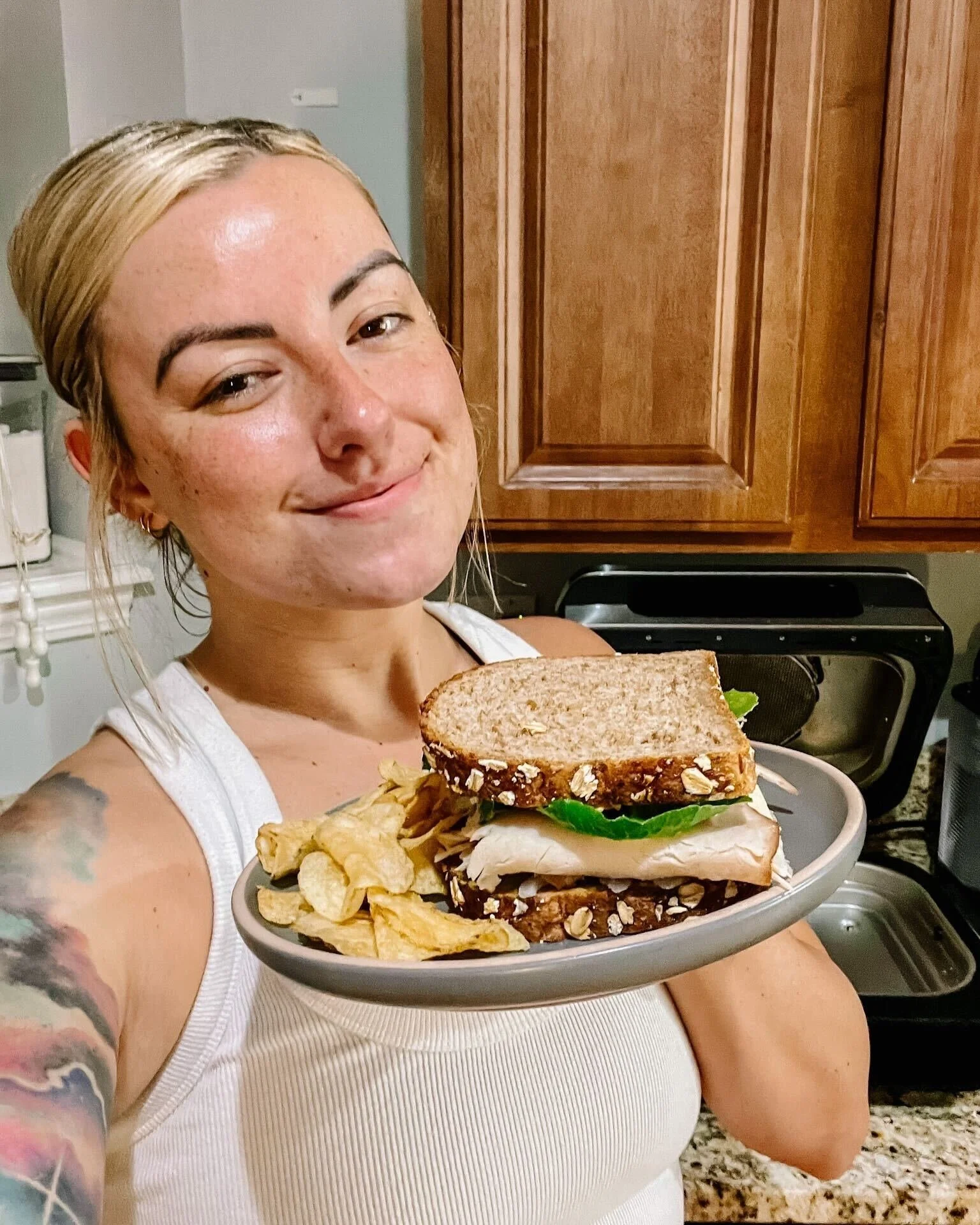
BLACK IRON RADIO EP. 240: SO YOU WANT TO EAT HEALTHY ON A BUDGET
Think eating healthy has to break the bank? Think again. Ryann, Lauren, and Morgan break down exactly how to eat well without draining your wallet. From staple foods that offer the most bang for your buck to meal prep hacks that save time and money, this is your guide to budget-friendly nutrition that doesn’t suck. Whether you’re cooking for one, feeding a family, or training like a beast, this convo will help you simplify your shopping, reduce food waste, and get the most out of every bite.
📲 Listen & Subscribe: Apple Podcasts | Spotify
Eating healthy is important—but let’s be real, it can feel intimidating when you’re also trying to keep your bank account intact. The myth that a nutritious diet requires a Whole Foods lifestyle and a celebrity-sized grocery bill is one we’re more than happy to bust.
At Black Iron Nutrition, our coaches—Ryann, Lauren, and Morgan—recently sat down on the podcast to share their own experiences and practical strategies for making healthy eating work on a budget. Whether you’re feeding a family, training for an event, or just trying to make smarter food choices, here’s how to make your meals both nourishing and affordable.
Myth: Healthy = Expensive
Truth: Waste = Expensive
Let’s start with the big one. The average U.S. household throws away about $1,500 worth of food per year. That’s a big chunk of change. Top culprits? Dairy, potatoes, bread, and surprisingly—veggies. And yet, much of this waste can be avoided with a little planning and awareness.
Meal prepping, once seen as the domain of fitness influencers and gym rats, was actually promoted by the USDA as far back as the early 1900s—as a way to reduce food waste and support public health. It’s not just about aesthetics; it’s a longevity move, a financial move, and honestly, a sanity move.
Budgeting Time vs. Budgeting Money
Can’t meal prep because you don’t have time? Let’s reframe that. Meal prepping might take time, but how much time are you spending driving to pick up takeout, or wandering around the grocery store without a plan?
Morgan recommends repurposing time you’d otherwise spend training or scrolling to prep a few things during the week. Use your rest days for shopping or batch cooking so your free time stays sacred on the weekends.
Budget-Friendly Staples That Actually Work
You don’t need a gourmet pantry to eat well. Some of our go-to cheap and nutritious foods:
Oats, rice, and lentils
Eggs (when they’re not $8/dozen)
Canned tuna and chicken
Bone-in chicken thighs or cheaper cuts of meat
Frozen vegetables and fruit (nutrient-dense, less spoilage)
Frozen produce often gets overlooked, but it’s typically flash-frozen at peak ripeness—so you’re getting max nutrients without max costs. Don’t sleep on the freezer aisle.
Smart Shopping 101
Buy store brands (Kirkland, 365, etc.)—same quality, lower price.
Stick to your grocery list—and don’t shop hungry (you know better).
Use price-per-unit tags—you’ll be shocked at what’s hiding in plain sight.
Shop the lower shelves—brands pay big bucks to live at eye level.
Avoid the pre-cut/pre-seasoned stuff—you’re paying for labor, not food.
And if you’re really ready to nerd out on savings, check out bulk bins and ethnic markets. They often have better prices on rice, beans, spices, and produce than the big box stores.
Meal Planning That Doesn’t Suck
We get it—some people like batch-prepping an entire week of meals, others want variety. Here’s how we break it down:
Cook 2–3 proteins and 2–3 carbs in bulk each week.
Keep sauces and spice blends on hand to mix it up.
Freeze leftovers (yes, that includes your barbacoa or curry).
Reuse overlapping ingredients across multiple meals.
Even if you’re not a leftovers person, there’s a way to meal prep that works for you. And yes, it can still taste good.
Cutting Back Without Cutting Joy
Love going out to eat? Same. But if your fridge is stocked and you’re still DoorDashing dinner 3x/week, your grocery bill and takeout tab are probably both out of control.
Instead:
Try copycat recipes of your fave takeout meals
Add fun, global-inspired items to your freezer stash (falafel, samosas, etc.)
Save dining out for occasions you actually want to celebrate—not just because you’re out of groceries
Let’s Wrap It Up
Healthy eating doesn’t require a 5-star grocery haul or a spreadsheet for a shopping list. It just requires intention. A bit of pre-planning, smart purchasing, and less food waste can go a long way in making your meals both nutritious and wallet-friendly.
And if you want to go deeper, we made something for you.
🎉 Download our free resource: “Eating Healthy on a Budget”
This guide is packed with actionable tips, grocery lists, and budget-friendly recipes to help you simplify your nutrition without sacrificing results.
Need more support? That’s what we’re here for. Reach out to a Black Iron Nutrition coach and let’s make your goals feel doable (and delicious).
🎙️ WANT MORE? SUBSCRIBE TO BLACK IRON RADIO!
If you enjoyed this conversation, check out more episodes of Black Iron Radio, where we cut through the noise and give you real, no-BS advice on feeling, performing, and looking your best. Each week we share practical nutrition, training, and wellness strategies and tips to help you succeed.
📲 Listen & Subscribe: Apple Podcasts | Spotify
