
From Comparison to Confidence: Social Media & Body Image
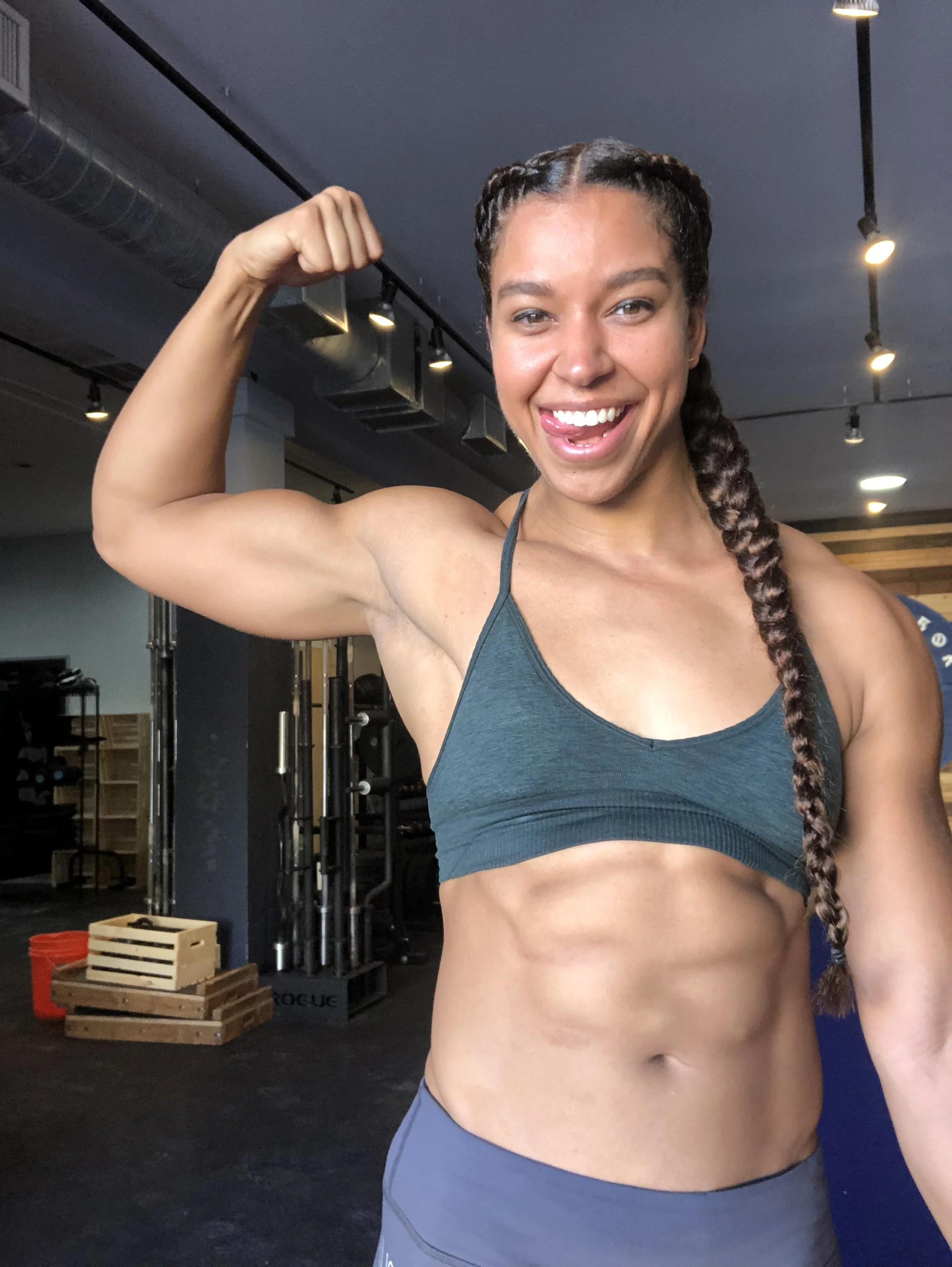
BLACK IRON RADIO EP. 375: From Comparison to Confidence: Social Media & Body Image
Comparison itself isn't the problem. It's that you're comparing yourself to something fake and not even realizing it.
Ryann, Brooke, and Joyce get into how social media reshapes your body image, why the algorithm isn't showing you what you love but what you can't look away from, and how the whole machine is built to convince you something is wrong so there's always something to sell you. They get into everything that gets left out of the picture: the influencer on peptides selling you an eight-week plan, the spotless-house mom who has a nanny and a cleaner, the pro athlete whose full-time job is training six hours a day.
Plus why nobody normalizes the normal anymore, how curating your feed protects your peace, why even the people posting the content are performing a version of themselves, and a real reminder that your body has nothing to do with your worth.
Everything You're Comparing Yourself to Is an Ad
A well-known tracking app once paid an influencer $1,000 for a single 30-second post. That post looked like a genuine recommendation. It wasn't. It was a paid ad, and that's true of far more of your feed than you'd guess, including the bodies in it.
The Algorithm Isn't Reading Your Mind, It's Reading Your Pauses
Social media isn't a mirror of what you're interested in. It's a business, and your attention is the product. The algorithm doesn't track what you seek out, it tracks what you pause on, and the longer you look at something, the more of it you get. Whether you stopped scrolling because you wanted that body or because it made you feel like something was wrong with yours, the algorithm reads both the same way: as engagement worth repeating.
That's why one look at a weight loss post can turn your entire feed into weight loss ads, GLP-1 ads, and "transformation" content within days. It's not a coincidence and it's not a sign you're obsessed. It's the system working exactly as designed, and the design's whole point is to convince you there's a problem you need to solve, usually by buying something.
What They're Not Telling You
Ryann put it plainly: influencers promoting an 8-week transformation plan don't always mention they're on peptides or a GLP-1. Moms with spotless houses and four kids don't always mention the nanny and the cleaning service. Professional athletes with lean, powerful physiques don't always mention that training is their full-time job and sponsorships pay their bills.
None of that is a coincidence either. It's a curated highlight reel, and highlight reels leave out the resources, the genetics, and the hours that made the result possible in the first place. Comparing your unfiltered, un-sponsored life to someone else's edited one isn't a fair fight, and it was never supposed to be.
Comparison Was Never Actually About the Body
Here's the part worth sitting with. When you catch yourself wanting what someone else has, the real question isn't "how do I get that body." It's "what am I actually trying to feel." Confidence. Being seen. Mattering. Most of the time, the body is a stand-in for something deeper you believe you're missing, and chasing the body without addressing the actual belief just moves the target further away.
Joyce described the shift that finally worked for her: fully internalizing that she is, as she is right now, fully pleasing. Not pending a change. Not one program away from it. Already there. From that place, the question stops being "what do I need to change" and starts being "what do I actually want more of in my life," which is a completely different question with a completely different answer.
Watch for These Red Flags
A few signs your confidence has quietly gotten tied to your appearance and outside validation instead of anything more solid:
You postpone being photographed. Waiting to take pictures until you've lost weight or hit a goal body means erasing yourself from memories you'll actually want later. At 80, nobody flips through old photos critiquing their stomach. They remember who they were with.
A bad body image day wrecks your whole day. Everyone has one occasionally, elite athletes and models included. It's a normal, passing thought, not a verdict on your worth, and it shouldn't be allowed to run the rest of your hours.
You treat appearance compliments as proof you're doing something right. "You look amazing" and "did you lose weight" feel like validation, but appearance can't actually confirm anything about your health. Ryann heard those exact compliments on repeat while she was at her smallest weight because of an undiagnosed, uncontrolled thyroid condition. She wasn't thriving, she was sick, and the praise never once caught that. That's the risk: appearance can't tell you something's wrong, so it shouldn't be trusted to tell you you're right either.
Curate Your Feed Like Your Peace Depends on It
Because it kind of does. Joyce's rule is simple: she keeps people in her feed who either teach her something or speak life into her. The moment an account starts making her feel insecure, behind, or like she's failing at parenting or her body or her goals, she mutes or unfollows, no explanation required.
Pay attention to accounts that shift from impacting your life to impressing you, the ones where every post is a win, a flex, a "this is how I did it and you can too" that quietly implies you're falling short if you haven't. You don't owe anyone a follow. Blocking, muting, and unfollowing aren't overreactions, they're boundaries, and boundaries aren't weakness.
Talk to Yourself Like You'd Talk to Your Best Friend
Brooke's go-to question for clients: if you talked to your best friend the way you talk to yourself, would they still be your friend? Most people say things internally about their bodies they would never say out loud to someone they love. That gap is worth noticing, and closing.
Build a Life Instead of Optimizing One
Spend enough time online and health starts to look like a checklist: wake up at 5 a.m., hit the sauna, do the cold plunge, meditate, choke down 15 supplements, tape your mouth shut for bed. Some of those habits genuinely help. None of them are what actually fulfilled people talk about when they describe a good life.
People who seem genuinely happy aren't usually posting their supplement stack. They're talking about purpose, relationships, raising their kids, traveling, laughing with friends, working toward goals that excite them. Health is supposed to support that life, not replace it as the whole point.
The Takeaway
Comparison isn't really the enemy, unrealistic expectations built on undisclosed advantages and an algorithm designed to sell you a problem are. Your body has nothing to do with your worth, and the discomfort you feel scrolling is usually pointing at something deeper than your appearance. Curate your feed around who teaches you and who lifts you up, talk to yourself the way you'd talk to someone you love, and remember that the goal was never to look optimized. It was to build a life you actually want to be present for.

🎙️ WANT MORE? SUBSCRIBE TO BLACK IRON RADIO!
If you enjoyed this conversation, check out more episodes of Black Iron Radio, where we cut through the noise and give you real, no-BS advice on feeling, performing, and looking your best. Each week we share practical nutrition, training, and wellness strategies and tips to help you succeed.
