
The Protein Puzzle: How Much Do You Actually Need?
In this blog post, we’re breaking down the latest episode of Black Iron Radio, where we dive into one of the most talked-about (and misunderstood) topics in nutrition: protein. From how much you actually need to why the RDA isn’t enough, we’re clearing up confusion and busting some common myths. Whether you’re trying to build muscle, preserve strength as you age, or just feel more satisfied after meals, this episode is packed with no-nonsense info and practical tips to help you get the most out of your nutrition.
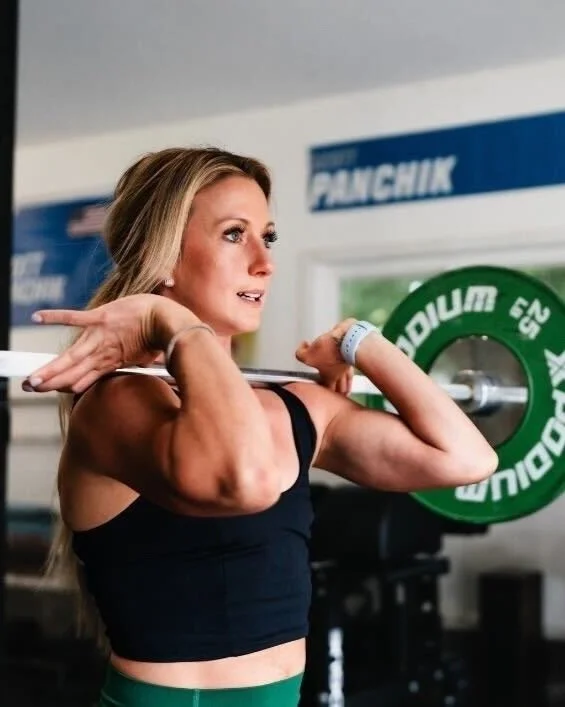
BLACK IRON RADIO EP. 261: THE PROTEIN PUZZLE: HOW MUCH DO YOU ACTUALLY NEED?
Protein doesn’t have to be confusing, but it often is thanks to outdated recommendations, diet culture myths, and influencers pushing extremes. Maggie, Christin, and Joyce get real about how much protein you actually need, why it matters for more than just muscle, and how your needs shift based on activity, age, and goals. They break down common misconceptions (like the infamous “30 grams per meal” rule), talk about why protein becomes even more important as you age, and offer practical tips for hitting your target without living on deli meat. Whether you’re busy, trying to feel better in your body, or even plant-based, this episode helps cut through the noise and give you a no-BS approach to protein intake.
📲 Listen & Subscribe: Apple Podcasts | Spotify
Protein. It’s the one macronutrient everyone seems to have an opinion about—whether it’s influencers on TikTok pushing wild numbers, outdated RDA recommendations floating around like gospel, or someone at the gym telling you you’ll get bulky if you eat more than 30 grams. No wonder people are confused.
At Black Iron, we hear this all the time: “How much protein should I be eating?” The short answer? It depends. The longer answer? Let’s dig in.
Protein Isn’t Just for Muscles
First off, protein isn’t just about building biceps or hitting new PRs. Yes, it supports muscle repair and growth—but it’s also crucial for hormones, enzymes, immune function, and literally every cell in your body. You need it throughout the day, not just in one mega-meal at the end.
If you’re constantly playing catch-up with your protein intake at dinner, you’re doing your body a disservice. Your body is always using protein behind the scenes, and spacing it out makes a difference.
What About the Numbers?
Here’s the deal: the Recommended Dietary Allowance (RDA) is the bare minimum. It’s enough to keep you functioning—not thriving. For active individuals (which includes most of our clients), we typically recommend somewhere between 1.6–2.2 grams of protein per kilogram of body weight. That range gets adjusted based on things like age, goals, training volume, and overall health.
The actual target looks different for everyone. If you’re coming in eating 60g a day and your ideal is more like 120g, we’re not just going to slam you with a new number overnight. We build it up, step by step, and teach you how to make it sustainable.
No, It Won’t Wreck Your Kidneys (Or Make You Bulky)
There are a lot of persistent protein myths that just need to die already. Like the idea that more than 30g of protein in a sitting gets “wasted.” Nope. Your body knows how to use what it’s given. Or the fear that eating too much protein will destroy your kidneys. Again—unless you already have kidney disease, this isn’t something to worry about.
And no, eating more protein won’t magically turn you into a bodybuilder overnight. Muscle is hard-earned. If anything, eating enough protein helps people lean out, recover better, and feel more energetic.
Protein Needs Change With Age
As we get older, holding onto lean muscle gets harder. Hormonal shifts—especially around menopause—make it even more important to prioritize protein. For our postmenopausal and aging clients, we often increase protein goals to help maintain strength, support recovery, and keep them feeling good in their bodies.
This isn’t just about aesthetics. Protein helps regulate blood sugar, improve energy, and keep you fuller longer. It’s a tool for long-term health.
What If You’re Plant-Based?
You can absolutely hit your protein goals on a plant-based diet. Yes, you’ll have to be a bit more intentional with pairing foods and diversifying your sources, but it’s 100% doable. Beans, lentils, tofu, tempeh, edamame, soy milk, seeded breads, and even some grains bring plenty to the table.
No, plant proteins don’t have to be “complete” every single time. Your body will pull what it needs across the day.
How to Hit Your Protein Goals (Without Losing Your Mind)
Here’s what works for most of our clients:
Pre-log your protein: Set your day up in advance and build meals around your protein. Planning is everything.
Start strong: Aim for a high-protein breakfast so you’re not scrambling by dinner.
Keep easy options on hand: Think tuna packs, rotisserie chicken, Greek yogurt, protein oats, or frozen bare patties. Your freezer and pantry are your best friends.
Get sneaky: Add cottage cheese (blended or whipped, if the texture isn’t your thing) into sauces or dips. Toss egg whites into oats. Use flavorless protein powder in soups or baked goods.
Embrace convenience: Protein pastas, high-protein cereals, bars (like Builts, RX Bars), mush cups, Chomp sticks, and ready-to-drink protein shakes are all solid options when you’re on the move.
The Bottom Line
You don’t have to be perfect. Start with small shifts. Learn what foods work for your schedule, your body, and your goals. Protein is a habit just like anything else—it gets easier the more you practice.
And if you’re not sure where to start? That’s what we’re here for. Nutrition coaching at Black Iron is all about helping you find what works—no fad diets, no food fear, no unrealistic pressure. Just real support, real strategies, and results that actually stick.
🎙️ WANT MORE? SUBSCRIBE TO BLACK IRON RADIO!
If you enjoyed this conversation, check out more episodes of Black Iron Radio, where we cut through the noise and give you real, no-BS advice on feeling, performing, and looking your best. Each week we share practical nutrition, training, and wellness strategies and tips to help you succeed.
📲 Listen & Subscribe: Apple Podcasts | Spotify
